Walk through an ethnobotanical garden and you’ll discover something remarkable: every plant tells a human story. Unlike traditional botanical gardens that organize specimens by taxonomy or geography, ethnobotanical gardens showcase plants through the lens of cultural use and human relationship. These living museums preserve centuries of indigenous knowledge about medicinal herbs, traditional dyes, sacred ceremonial plants, and ancestral food crops that sustained communities long before modern agriculture.
The distinction matters deeply in our rapidly changing world. While approximately 80% of the global population still relies on plant-based traditional medicine, this accumulated wisdom disappears as elders pass away and younger generations move toward urban centers. Ethnobotanical gardens serve as vital repositories, documenting which bark treats fever, which roots provide natural insecticides, and which leaves have fed communities through drought and famine.
You can find these specialized gardens at universities, cultural heritage sites, and indigenous community centers worldwide, from the Cherokee Ethnobotanical Garden in North Carolina to the Ethno-Botanical Garden of Oaxaca, Mexico. Each preserves region-specific plant knowledge while educating visitors about sustainable harvesting, traditional preparation methods, and the deep cultural significance embedded in botanical practices.
Creating your own ethnobotanical space, even on a small scale, connects you to heritage gardening in meaningful ways. Start by researching plants your ancestors used for food, medicine, or craft. Interview older family members about traditional garden practices. Plant heirloom varieties that carry cultural stories alongside their seeds. This approach transforms gardening from simple cultivation into active cultural preservation, ensuring that valuable plant knowledge survives for future generations to discover and appreciate.
What Makes an Ethnobotanical Garden Different
Living Libraries of Cultural Knowledge
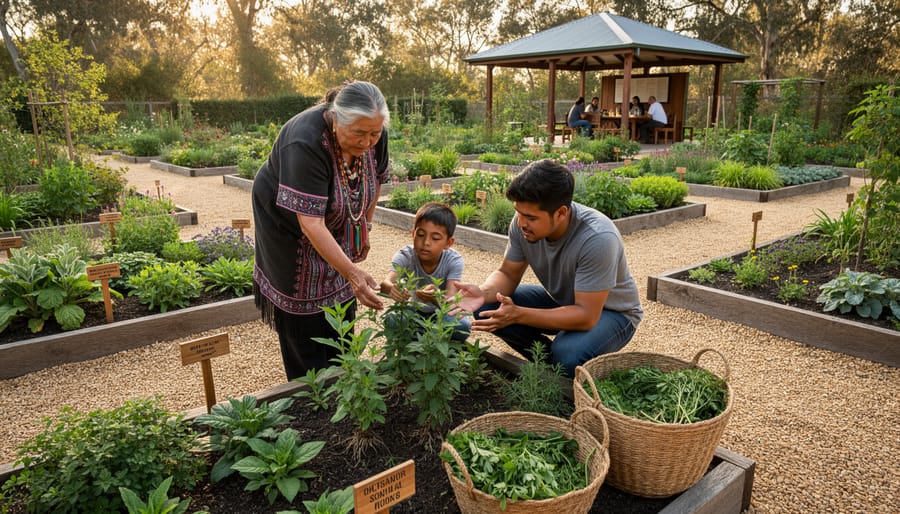
Think of ethnobotanical gardens as living museums where plants are just the beginning of the story. Unlike traditional botanical collections that focus primarily on scientific classification and conservation, these spaces preserve entire knowledge systems that indigenous and local communities have developed over centuries. Every plant carries with it a rich tapestry of human wisdom, from medicinal applications passed down through generations to ceremonial uses and traditional preparation methods.
What makes these gardens truly special is their commitment to keeping cultural narratives alive. When you walk through an ethnobotanical garden, you might discover that a particular herb was used to welcome newborns into a community, or that certain tree bark played a crucial role in coming-of-age ceremonies. Many gardens work directly with cultural knowledge holders who share their expertise, ensuring that the information remains authentic and respectful.
I recently spoke with a curator who described her work as being half gardener, half storyteller. She explained that without the cultural context, these plants lose much of their meaning. A medicinal plant isn’t just about its chemical compounds; it’s about the songs sung during harvest, the specific moon phase when gathering was traditionally done, and the family recipes that made it effective.
These gardens serve as bridges between generations, allowing traditional knowledge to flourish alongside the plants themselves. They’re places where grandparents can teach grandchildren about their heritage through the language of living plants.
Beyond Beauty: Plants With Purpose
Step into an ethnobotanical garden, and you’ll notice something refreshingly different. Instead of showcasing plants purely for their visual appeal, these gardens celebrate what plants do for us and have done throughout human history. Every specimen tells a story about survival, healing, ceremony, or daily life.
Think of it as a living library where each plant represents a chapter in human ingenuity. That unassuming shrub in the corner might have provided ancient remedies for common ailments. The climbing vine nearby could have been essential for basketweaving in indigenous communities. These gardens remind us that before we had pharmacies and hardware stores, people relied on deep botanical knowledge passed down through generations.
What makes ethnobotanical gardens particularly engaging is their focus on relationships between people and plants. You’ll discover how different cultures used the same plant in remarkably different ways, or how a single species supported entire communities. It’s gardening with meaning, connecting us to our shared heritage while inspiring us to see our own gardens as potential spaces for purpose beyond beauty.
The Heritage These Gardens Preserve
Indigenous Plant Wisdom at Risk
Picture this: an elder sitting beneath a canopy of trees, sharing knowledge about medicinal plants that her grandmother taught her. This is the kind of precious wisdom that ethnobotanical gardens are racing to preserve. Around the world, indigenous plant knowledge is disappearing at an alarming rate, often when elders pass away without having the opportunity to share their understanding with younger generations.
Ethnobotanical gardens serve as living libraries, documenting traditional uses of plants before this information vanishes. The garden becomes both a repository and a classroom, where ancient wisdom meets modern conservation.
Take the Hawaiian Ethnobotanical Garden at Amy Greenwell in Kona, for example. Here, staff members work directly with Native Hawaiian cultural practitioners to record traditional uses of plants like kukui nut for lighting and ti leaf for spiritual ceremonies. They’re not just growing plants; they’re preserving entire cultural practices and relationships with the land.
Similarly, the Garden of Medicinal Plants in Oaxaca, Mexico collaborates with Zapotec healers to document remedies that have been used for centuries. These partnerships ensure that indigenous communities remain the stewards and teachers of their own knowledge.
What makes this work so urgent? Studies suggest that when a language dies, traditional plant knowledge often disappears with it. Every two weeks, one indigenous language goes extinct. Ethnobotanical gardens offer hope, creating spaces where this wisdom can be shared, celebrated, and passed forward to future generations who will continue honoring these traditions.
Immigrant Gardens: Stories in Seeds
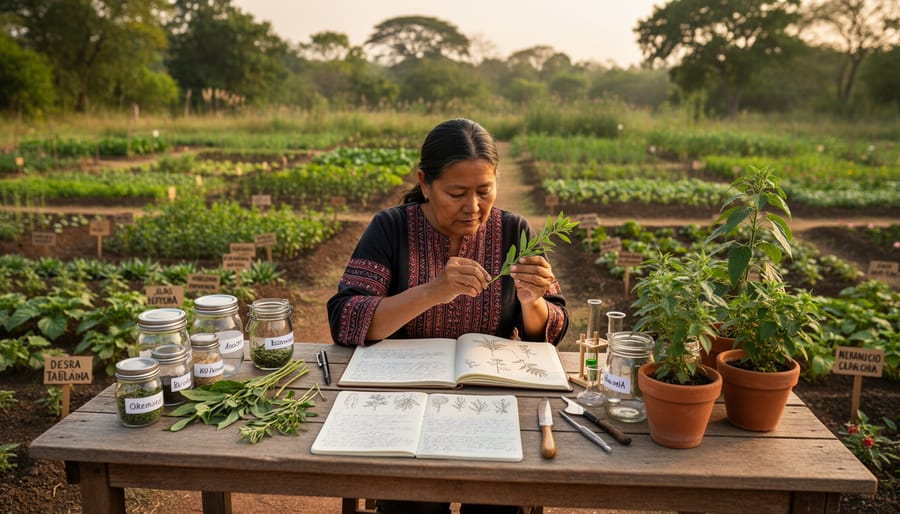
Walking through an ethnobotanical garden, you’re not just seeing plants—you’re witnessing living stories of courage, hope, and home. These gardens are particularly powerful when they showcase immigrant heritage, preserving seeds that traveled across oceans in coat pockets, tucked into suitcases, or carefully saved from first harvests in new lands.
Many ethnobotanical gardens dedicate sections to immigrant communities, growing the exact varieties that grandmothers brought from their homelands. You might find Italian bitter greens that survived the journey to Ellis Island, Mexican herbs wrapped in handkerchiefs during border crossings, or Vietnamese herbs that represent families’ first connections to their ancestral foodways.
I spoke with Maria Gonzalez, a garden coordinator in Chicago, who shared how their immigrant garden section became a meeting place. “We grow plants from twelve different countries,” she explained. “People come to find the exact tomato their grandmother grew, or the herb that flavored their childhood meals. They cry, they share cuttings, they swap recipes.”
These gardens do something remarkable—they validate cultural knowledge that mainstream society often overlooks. When a Hmong elder teaches visitors about medicinal bitter melon, or a Polish grandmother demonstrates proper dill preservation, they’re recognized as experts. Their botanical knowledge, carried through generations and across continents, finds respect and continuity.
For gardeners, this means understanding that every saved seed carries history, and every garden can honor that legacy.
Remarkable Ethnobotanical Gardens You Can Visit
North American Treasures
North America is home to some truly inspiring ethnobotanical gardens that beautifully showcase the relationship between plants and cultural heritage. If you’re planning a visit or looking for ideas to start your own, these standout locations offer wonderful experiences.
The University of Washington’s Ethnobotany Garden in Seattle presents a living collection of plants used by Indigenous peoples of the Pacific Northwest. You’ll discover traditional medicine plants, food sources, and materials for basket-weaving, all while learning about the Coast Salish peoples’ deep botanical knowledge. The garden hosts seasonal workshops where you can learn traditional plant uses firsthand.
At the Desert Botanical Garden in Phoenix, the Ethnobotany Trail highlights how desert-dwelling communities have thrived using native plants. Walking through, you’ll see agave, mesquite, and prickly pear alongside interpretive displays explaining their traditional uses. It’s fascinating to see how resourceful people have been in challenging environments.
Canada’s UBC Botanical Garden in Vancouver features the First Nations Garden, which celebrates the plant knowledge of British Columbia’s Indigenous peoples. The thoughtful design includes traditional plant groupings and explains everything from medicinal applications to ceremonial significance.
These gardens aren’t just beautiful spaces—they’re living classrooms that preserve invaluable traditional knowledge. Many offer guided tours, workshops, and seasonal events that let you connect with both plants and cultures in meaningful ways. Visiting one might just inspire your own ethnobotanical corner at home.
International Inspiration
Around the world, passionate gardeners and cultural advocates have created inspiring ethnobotanical spaces worth exploring. The Singapore Botanic Gardens features an Ethnobotany Garden showcasing Southeast Asian plants used in traditional medicine, food, and daily life, beautifully organized by cultural themes. It’s particularly welcoming for beginners because each plant display includes clear explanations of its traditional uses.
In the United States, the Desert Botanical Garden in Phoenix presents Native American relationships with desert plants through thoughtful displays and seasonal workshops. I’ve heard from visitors that the hands-on demonstrations really bring traditional plant knowledge to life in ways books simply can’t match.
The Eden Project in Cornwall, England takes a different approach by recreating entire ecosystems and exploring human connections to plants across climates. Their Mediterranean Biome includes fascinating displays of ancient food crops and traditional farming methods.
Closer to community-scale efforts, the Oaxaca Ethnobotanical Garden in Mexico demonstrates how even smaller spaces can preserve indigenous plant knowledge. Created in collaboration with local communities, it focuses exclusively on regional plants and their cultural significance, proving you don’t need massive acreage to make a meaningful impact on cultural plant preservation.
What to Look for During Your Visit
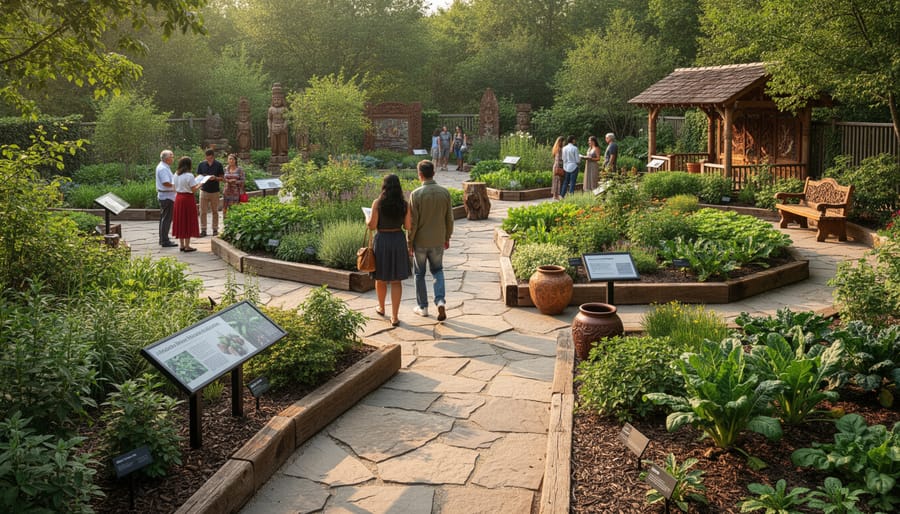
During your visit, take time to read the interpretive signs and labels that explain not just the plant names, but their cultural significance and traditional uses. Many gardens offer guided tours led by knowledgeable staff or community members who can share fascinating stories about how different cultures have relied on specific plants for food, medicine, and ceremonies. I always bring a small notebook to jot down plants that intrigue me and their traditional applications.
Pay attention to how plants are organized—whether by cultural region, plant family, or use category. This arrangement often reveals surprising connections between distant cultures that independently discovered similar plant properties. Don’t rush through; instead, engage your senses by noticing the textures, fragrances, and colors that made these plants valuable across generations. If available, participate in hands-on demonstrations or workshops to deepen your understanding and connection to these living cultural treasures.
Creating Your Own Ethnobotanical Garden Space
Start With Your Own Heritage
Your ethnobotanical garden journey begins right at home, with your own family story. Start by having conversations with older relatives about plants they remember from their childhood. What herbs did your grandmother use for cooking or healing? Which flowers bloomed in your great-grandfather’s garden? These personal connections make your garden deeply meaningful.
Research your cultural background to discover plants that hold historical significance. If your ancestors came from Italy, perhaps you’ll include basil, oregano, and fig trees. Those with Eastern European roots might explore dill, caraway, and sunflowers. Indigenous heritage offers countless plant relationships worth preserving and honoring.
Don’t worry if your family history feels complex or mixed—that’s actually wonderful! Many of us have multiple cultural threads woven into our backgrounds, and your garden can celebrate this beautiful diversity. Even adoptive families or those disconnected from their heritage can choose plants from communities they’ve grown to love and respect.
Consider interviewing elderly community members from your cultural background. Their memories often hold botanical wisdom that hasn’t been written down anywhere. You’ll be preserving knowledge while building connections across generations.
Research and Documentation Matter
Creating an ethnobotanical garden requires more than just planting interesting species. The real heart of these gardens lies in the stories and knowledge behind each plant. Before adding any plant to your collection, take time to research its traditional uses and cultural connections thoroughly. Look for reputable sources like academic journals, ethnobotany databases, and published works by botanists who’ve worked directly with indigenous communities.
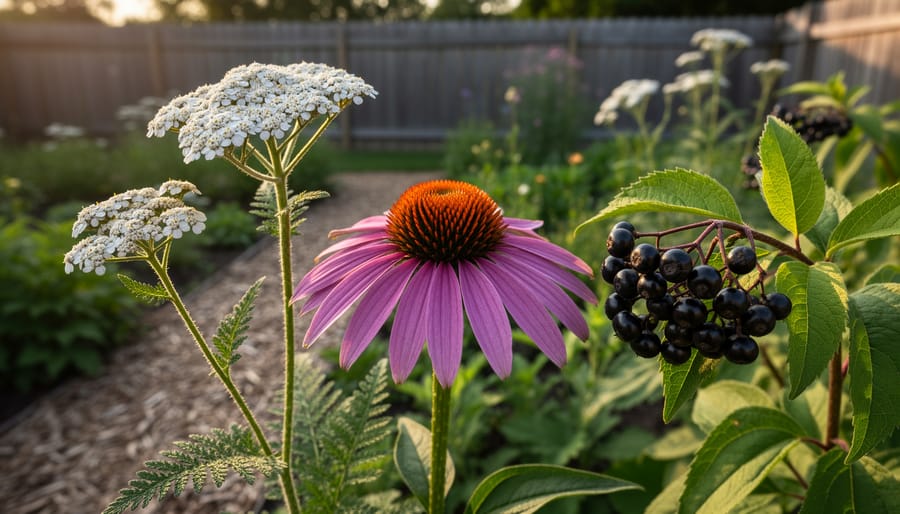
Here’s something important to remember: always credit the source communities whose knowledge you’re sharing. If you learned that yarrow was used for wound healing by Plains tribes, say so explicitly on your plant labels or garden signage. This isn’t just good practice; it’s showing respect for living cultures and their contributions to our collective understanding of plants.
When documenting your garden, keep detailed records of where each piece of information came from. Create a simple notebook or spreadsheet that tracks the plant name, its traditional uses, which communities used it, and your information sources. This transparency matters deeply. It acknowledges that botanical knowledge doesn’t exist in a vacuum but comes from real people with rich cultural traditions that deserve recognition and protection.
Practical Planting and Design Tips
Starting your ethnobotanical garden begins with understanding your climate zone and growing conditions. Research which traditional plants thrive in your area naturally, as these will be easier to establish and maintain. Many ethnobotanical plants like lavender, sage, and chamomile adapt well to various climates, making them excellent starter choices for beginners.
When sourcing plants, seek out reputable native plant nurseries, heritage seed companies, and botanical garden sales. Local gardening groups often host plant swaps where you can find traditional varieties and connect with knowledgeable growers who share your interests. I once discovered a rare medicinal mint variety through a community exchange, along with growing tips passed down through three generations.
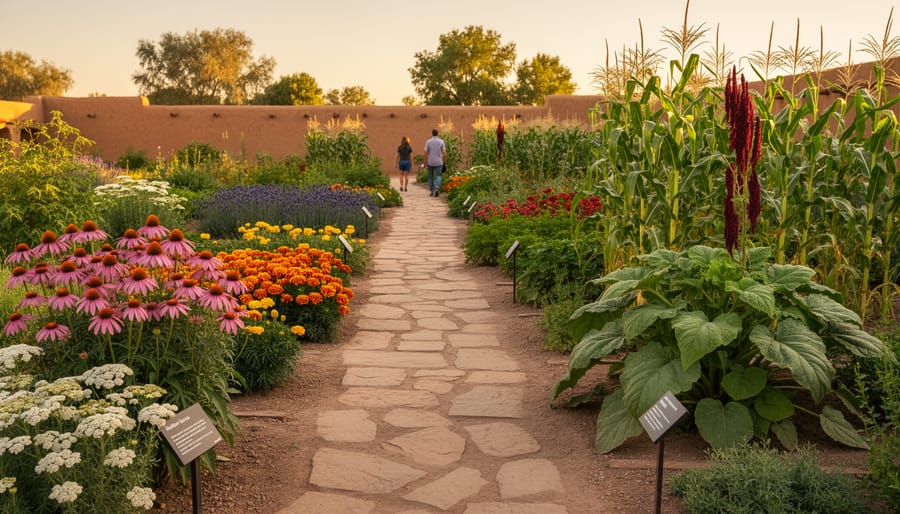
Design your space by grouping plants according to their cultural origins or traditional uses. Create distinct zones for culinary herbs, medicinal plants, fiber crops, and dye plants. This organization makes the garden both educational and visually appealing while simplifying maintenance since plants with similar traditional uses often share growing requirements.
Educational labeling transforms your garden into a living classroom. Include each plant’s common and scientific names, cultural origin, traditional uses, and any relevant stories or folklore. Weather-resistant labels or engraved markers work beautifully and withstand outdoor conditions. Consider adding QR codes linking to additional information for tech-savvy visitors.
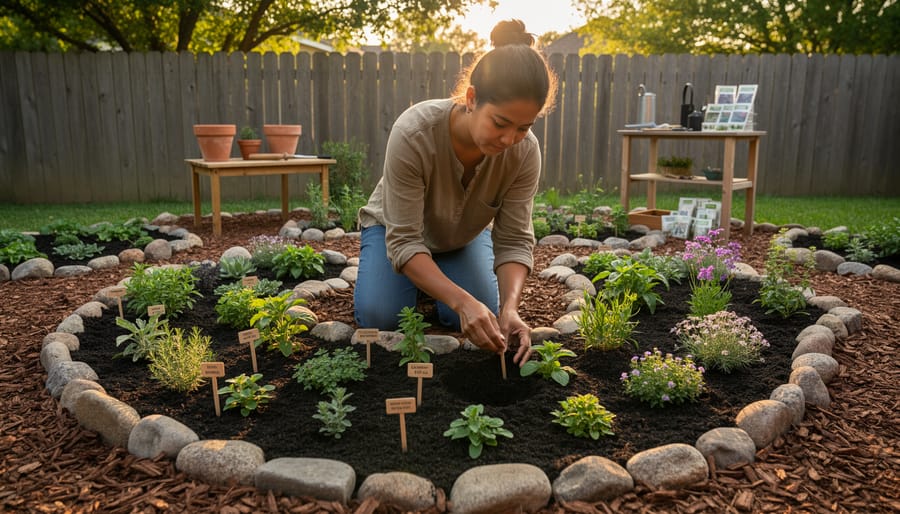
Remember to start small and expand gradually. Even a modest collection of ten to fifteen well-chosen plants can tell compelling cultural stories while remaining manageable for busy gardeners.
How These Gardens Support Modern Sustainability
Here’s something that surprises many gardeners: those ancient plant traditions preserved in ethnobotanical gardens aren’t just fascinating history. They’re actually offering fresh solutions to some of our most pressing modern challenges.
Think about climate adaptation for a moment. Indigenous communities have been selecting and cultivating resilient plant varieties for thousands of years, often in challenging conditions. These gardens preserve crop varieties that naturally tolerate drought, resist pests without chemicals, and thrive in marginal soils. As our growing seasons shift and weather patterns become less predictable, these time-tested plants become invaluable resources. I recently spoke with a community gardener who discovered a heritage bean variety at an ethnobotanical garden that outperformed modern hybrids during an unexpected dry spell. That’s practical wisdom we can’t afford to lose.
Food security is another area where these gardens shine. They maintain diverse food plants that mainstream agriculture has overlooked, including nutritious leafy greens, protein-rich legumes, and staple crops adapted to local conditions. This biodiversity acts as an insurance policy. When we rely on just a handful of crop varieties globally, we’re vulnerable. Ethnobotanical gardens remind us that our ancestors cultivated hundreds of edible species, many still perfectly suited for home gardens.
The sustainable living practices demonstrated in these spaces go beyond plants themselves. Traditional companion planting techniques, natural pest management strategies, and water-wise cultivation methods all find their way into these gardens. You’re essentially getting a masterclass in low-input gardening that actually works because it’s been refined over generations.
What makes this especially exciting for home gardeners is accessibility. You don’t need fancy equipment or synthetic inputs to apply these principles. Many ethnobotanical gardens offer seeds, cuttings, or workshops, making it easy to bring these sustainable practices directly into your own backyard. It’s heritage conservation that happens to be incredibly practical.
Ethnobotanical gardens represent something truly special in our modern world—they’re living libraries that connect us to the wisdom of generations past while pointing toward a more sustainable future. These remarkable spaces remind us that every plant has a story, every tradition holds knowledge worth preserving, and our relationship with the natural world runs deeper than we often remember.
The beautiful thing about ethnobotanical gardens is that they’re accessible to everyone. Whether you’re planning a weekend visit to an established garden in your area or feeling inspired to create a small cultural plant collection in your own backyard, you’re participating in something meaningful. Start small if you’d like—perhaps by researching which plants your grandparents grew for food or medicine, or by dedicating a corner of your garden to native species used by indigenous communities in your region.
You don’t need acres of land or expert knowledge to make a difference. Even growing a handful of heritage vegetable varieties or learning about the traditional uses of plants already in your garden counts as preserving botanical heritage. Talk to elders in your community, visit local ethnobotanical collections, or connect with cultural organizations interested in plant preservation.
Every seed we save, every traditional growing method we practice, and every story we share about plants helps ensure this invaluable knowledge doesn’t disappear. Your garden, no matter its size, can become part of this living bridge between past and future.