Mark your calendar for late summer and early fall when garden centers slash prices by 50-75% on perennials, tools, and soil amendments to clear inventory before winter. Track these patterns for three consecutive years at your local nurseries, noting which items go on sale when, and you’ll never pay full price again for your gardening essentials.
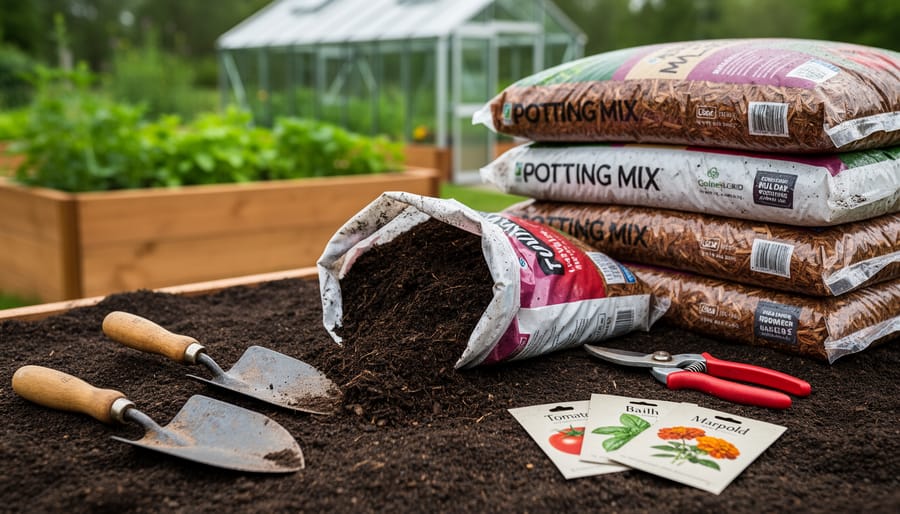
Buy seed packets, fertilizers, and potting mix in bulk during January clearance sales when most gardeners aren’t thinking about their gardens yet. Retailers desperately want to move old inventory before new stock arrives in spring, creating opportunities to stock up on supplies that remain viable for years when stored properly in cool, dry locations.
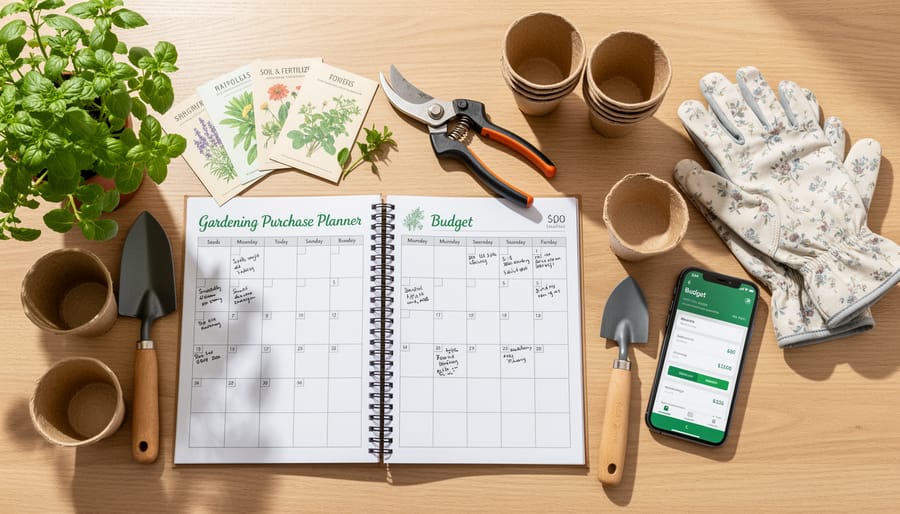
Create a simple spreadsheet that lists everything you need for the growing season, divided into quarterly purchases aligned with natural gardening cycles. This prevents impulse buying during peak spring season when prices skyrocket and helps you recognize genuine deals versus marketing tactics designed to empty your wallet.
Join your local garden club or cooperative buying group where members pool orders for seeds, soil, and plants to negotiate wholesale pricing typically reserved for commercial growers. These groups often purchase directly from suppliers, cutting out retail markups of 40-60% while connecting you with experienced gardeners who share proven strategies for stretching every dollar.
The difference between a gardener who struggles financially and one who gardens abundantly on a modest budget isn’t income level but purchase timing and strategic planning. Your garden expenses should work with nature’s rhythms and retail cycles, not against them. A well-planned purchasing strategy transforms gardening from an expensive hobby into an affordable, sustainable practice that delivers fresh produce and beautiful blooms without the financial stress that drives many beginners away from their garden dreams.
Why Every Gardener Needs a Purchase Planner
If you’ve ever walked into a garden center for one bag of soil and walked out with three new plants, a decorative pot, and a fancy hand trowel you didn’t know you needed, you already understand why a purchase planner is your garden’s best friend. We’ve all been there, and while those spontaneous moments bring joy, they can quickly turn our gardening budgets into a tangled mess.
A purchase planner transforms how you approach gardening expenses by giving you a clear roadmap for the season ahead. Instead of reacting to every sale or sudden plant craving, you’ll make intentional decisions about what your garden truly needs and when to buy it. Think of it as meal planning, but for your outdoor space. You wouldn’t grocery shop without some idea of what you’re cooking this week, right? The same principle applies to gardening supplies.
One of the most valuable benefits is learning to work with seasonal pricing patterns rather than against them. Garden centers follow predictable cycles. Spring brings premium prices on seedlings and starter plants, while late summer often means clearance deals on perennials. Fall is prime time for tool discounts as stores make room for holiday inventory. When you plan purchases around these patterns, you can save 30-50% on identical items simply by adjusting your timing by a few weeks.
For sustainability-minded gardeners, a purchase planner helps reduce waste in meaningful ways. You’ll buy seeds in quantities you’ll actually use, avoiding those half-full packets that lose viability. With advance planning, you can implement proper seed storage methods and coordinate with fellow gardeners to share bulk purchases of compost or mulch.
Perhaps the biggest relief is eliminating financial stress. When you know that quality pruning shears are in next month’s plan, you won’t panic when your old pair breaks. You’ve already accounted for it, and you’ll probably catch them on sale anyway.
Understanding Seasonal Pricing Patterns in Gardening
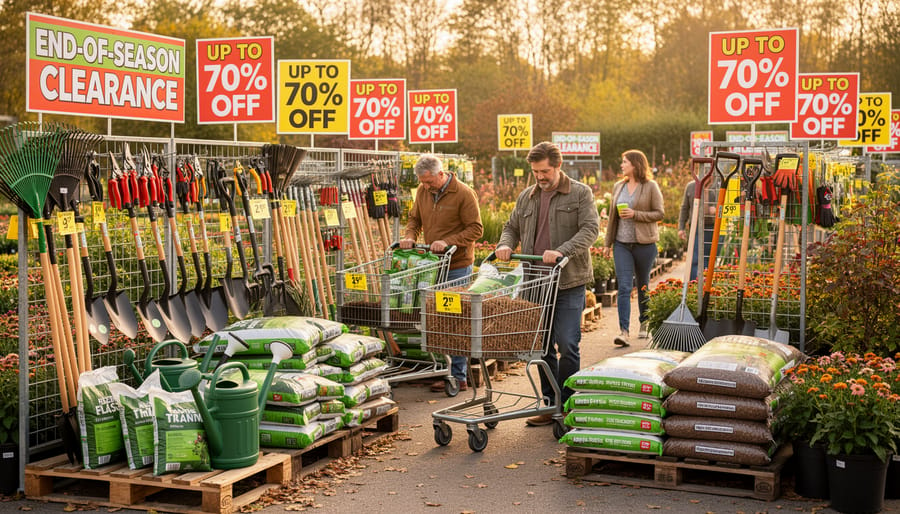
End-of-Season Clearances You Can’t Miss
There’s something thrilling about scoring quality gardening supplies at rock-bottom prices, and end-of-season clearances are where the magic happens. Let me share when and how to make the most of these incredible opportunities.
Most garden centers begin their major clearances in late summer, typically starting in August and extending through September. This is when you’ll find perennials, shrubs, and trees marked down by 50-75 percent. I’ve purchased gorgeous hostas and daylilies for just a few dollars each during these sales, and they’ve thrived beautifully after planting in fall.
The key is knowing what to look for. Perennials and bare-root plants are excellent clearance buys since they’ll establish roots over winter and bounce back spectacularly in spring. Garden tools, pots, and decorative items are also heavily discounted. One gardener I spoke with, Maria, mentioned she saves hundreds annually by buying her ceramic planters during September sales.
Late fall brings another wave of clearances, usually starting in October. This is when fertilizers, soil amendments, and mulch get marked down significantly. Stock up on these essentials while they’re cheap, as they store well and you’ll need them come spring.
Don’t overlook January sales either. Many online suppliers and larger retailers clear winter inventory with fantastic deals on seeds, bulbs, and gardening equipment. I’ve found premium seed collections at 60 percent off, allowing me to try new varieties without breaking the bank.
The secret is shopping early in the clearance period for the best selection while still enjoying substantial discounts.
Off-Season Shopping Strategies
One of my favorite money-saving secrets is shopping for gardening supplies when everyone else has forgotten about their gardens. Winter months and late fall offer incredible opportunities to stock up on essentials at significantly reduced prices, and I’ve learned this lesson after years of watching perfectly good deals slip away.
Garden centers and online retailers typically slash prices on seeds, soil amendments, pots, and tools from November through February. You’ll find discounts ranging from 30 to 70 percent off regular prices, simply because demand drops when the ground is frozen. I remember picking up premium organic fertilizer for half price in January, enough to last me through the entire growing season.
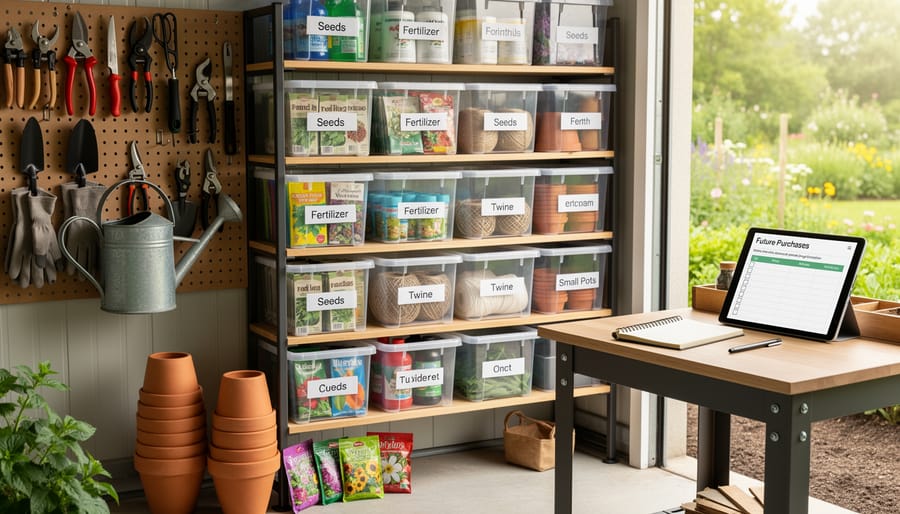
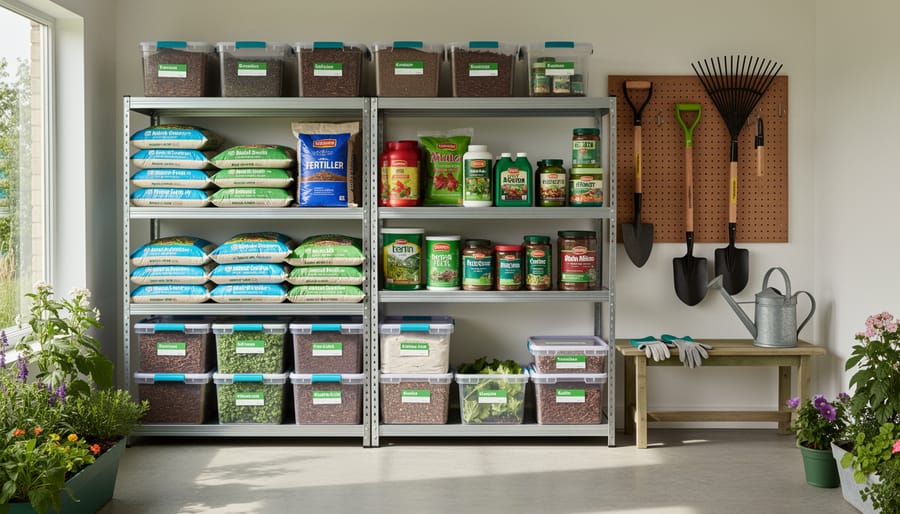
The key to successful off-season shopping is proper storage. Seeds remain viable for years when kept in a cool, dry place. I store mine in airtight containers with silica gel packets in my basement, where temperatures stay consistent. Liquid fertilizers need protection from freezing, so keep them in your garage or shed where they won’t be exposed to extreme cold.
For soil amendments and mulch, buying in winter means you’re ready when spring arrives. Store bagged products off the ground on wooden pallets to prevent moisture absorption. If space is limited, focus on items that store well and you know you’ll use, like high-quality potting mix or slow-release fertilizers.
Create a winter shopping list based on what you used last season. This prevents impulse purchases and ensures you’re taking advantage of sales on items you actually need.
Creating Your Personalized Purchase Planner
Inventorying What You Already Have
Before you start planning new purchases, take a weekend afternoon to see what you’ve already got tucked away. I learned this the hard way after discovering three bags of seed-starting mix in my shed when I’d just bought two more!
Start by gathering everything in one spot. Check your garage, garden shed, basement, and those mysterious corners where things accumulate. Sort items into categories: seeds, fertilizers, pots, tools, soil amendments, and pest control products. As you sort, check expiration dates on seeds and fertilizers, since older products lose effectiveness.
Create a simple list on your phone or notebook, organizing items by category. Note quantities too. You might think you remember having “some tomato cages,” but knowing you have exactly seven helps you plan accurately.
While inventorying, identify what needs replacing soon. Those pruning shears with loose handles or cracked pots should go on your purchase planner before they become urgent needs during peak season.
This process typically reveals surprising discoveries. Maybe you’ll find that expensive organic fertilizer you forgot about, or realize you’re actually well-stocked on certain supplies. Either way, you’ll avoid duplicate purchases and spot genuine gaps in your collection, making your future shopping trips more focused and budget-friendly.
Projecting Your Annual Gardening Needs
Planning your annual gardening needs doesn’t have to feel overwhelming! Think of it as creating a roadmap that ensures you have everything ready when planting time arrives, without breaking the bank or ending up with unused supplies gathering dust in your shed.
Start by sketching out your garden layout and noting what you’ll plant in each bed or container. Once you have this visual guide, you can work backward to determine quantities. For soil amendments and potting mix, calculating soil needs becomes much simpler when you measure your garden bed dimensions and multiply length by width by depth. Most online calculators can help convert these measurements into bags or cubic yards.
For seeds and transplants, consider your family’s eating habits and preservation plans. A good rule of thumb is to plant what you’ll actually use plus about 20 percent extra for crop failures or sharing with neighbors. Keep a simple spreadsheet noting how many tomato plants fed your family last year or how many bean seeds you planted versus how many you actually needed.
Don’t forget recurring supplies like fertilizer, pest control products, and mulch. Review last year’s receipts if you have them, or estimate based on package coverage rates. Most fertilizer bags indicate how many square feet they’ll cover, making quantity estimation straightforward.
I like to interview experienced gardeners at my local garden club each winter to learn their planning tricks. Many suggest keeping a garden journal throughout the season, noting what worked and what didn’t, which becomes invaluable reference material for next year’s purchase planning.
Setting Your Gardening Budget
Starting with creating a garden budget doesn’t have to feel restrictive—think of it as giving yourself permission to spend wisely. A good rule of thumb is to review last year’s gardening expenses (or estimate if you’re just beginning) and adjust based on your current goals.
I recommend the 70-20-10 approach: allocate 70% for planned essentials like seeds, soil, and fertilizer; reserve 20% for seasonal sales and bulk-buying opportunities; and keep 10% as your “opportunity fund” for those irresistible end-of-season markdowns or unexpected plant swaps with fellow gardeners.
Be honest about what you’ll actually use. Master gardener Susan Chen shared with me that she once bought three years’ worth of fertilizer on sale, only to have it lose potency before she could use it all. “Now I calculate what I need for one season, plus a little extra,” she says.
Consider starting small if you’re new to gardening. You can always increase your budget as you discover what works best for your space and lifestyle. The key is creating a flexible framework that supports your gardening dreams without causing financial stress.
The Smart Gardener’s Bulk-Buy Strategy
Best Items for Bulk Purchasing
Some gardening supplies are absolute winners when bought in bulk, saving you both money and trips to the store. Let’s explore the best candidates for larger purchases and how to keep them fresh.
Soil amendments top the list for smart bulk buying. Compost, peat moss, and perlite come significantly cheaper when purchased in larger bags or by the cubic yard. These materials have excellent shelf life when stored in a dry, covered area like a garage or garden shed. I always keep a large bin of perlite on hand since I use it for everything from seed starting to improving drainage.
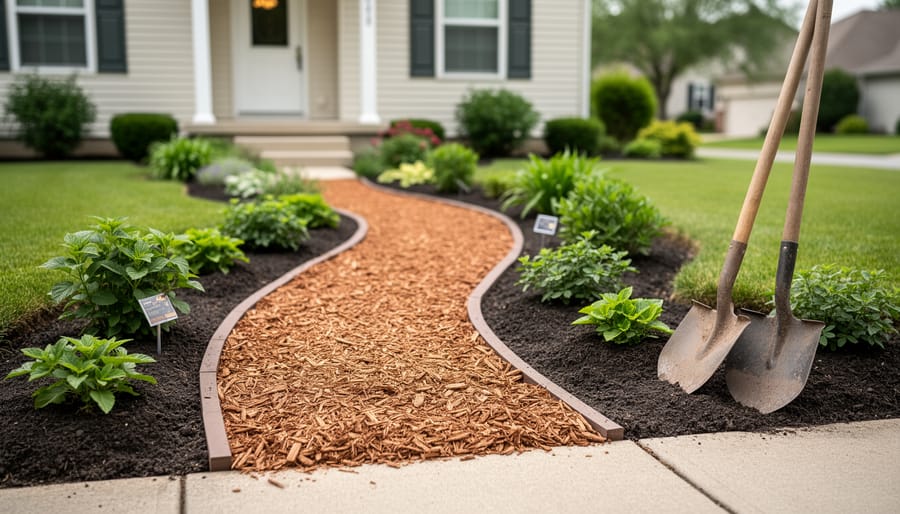
Mulch is another fantastic bulk purchase, especially if you have multiple beds to cover. A truckload delivered in spring costs far less per cubic yard than bagged options. Just ensure you have a spot to pile it where water can drain away but rain won’t wash it down your driveway.
Seeds deserve special mention here. Buying seed packets in bulk during winter sales makes excellent financial sense, particularly for crops you plant succession-style like lettuce or beans. With proper seed storage in a cool, dark, dry location, most seeds remain viable for several years.
Basic clay or plastic pots are perfect for bulk purchasing, especially the standard 4-inch and gallon sizes. They stack neatly and never go bad. Similarly, essential tools like bamboo stakes, plant labels, and twine cost pennies when bought in contractor packs.
The key to successful bulk buying is honest assessment of your storage space and actual usage patterns.
When Bulk Buying Backfires
While stocking up can save money, some gardening items simply aren’t suited for bulk buying. Seeds, for instance, lose viability over time—those bargain packets from three years ago might leave you wondering why nothing’s sprouting! Similarly, organic fertilizers and pest treatments often have shorter shelf lives than you’d expect, especially once opened.
I learned this lesson the hard way when I bought a massive bag of blood meal that clumped into unusable rocks before I got through half of it. Now I stick to smaller quantities for amendments I don’t use regularly.
Storage space is another real consideration. Before buying five bags of potting mix, think about where you’ll actually keep them dry and accessible. If you’re struggling with space, focus on organizing your garden shed first to see what you can realistically store.
Trendy tools or specialty items you might use once also fall into the “skip the bulk” category. That spiralizer for zucchini seemed essential in August, but twelve of them? Not so much. Buy what you’ll genuinely use within the season, and save your budget for items that truly matter.
Tracking Tools and Resources That Make Planning Easier
The beauty of purchase planning lies in choosing tools that match your personal style—whether you’re tech-savvy or prefer the tactile satisfaction of paper and pen. The good news? You don’t need anything fancy to start tracking your gardening purchases effectively.
For those who love digital solutions, smartphone apps like Gardenize and Garden Plan Pro let you track not only your plant inventory but also spending patterns and shopping lists. Many gardeners swear by simple spreadsheet programs like Google Sheets or Excel, where you can create customized columns for item names, preferred brands, typical prices, and best purchase months. Set up color-coding to highlight seasonal sale periods, and you’ll have a visual reminder at a glance.
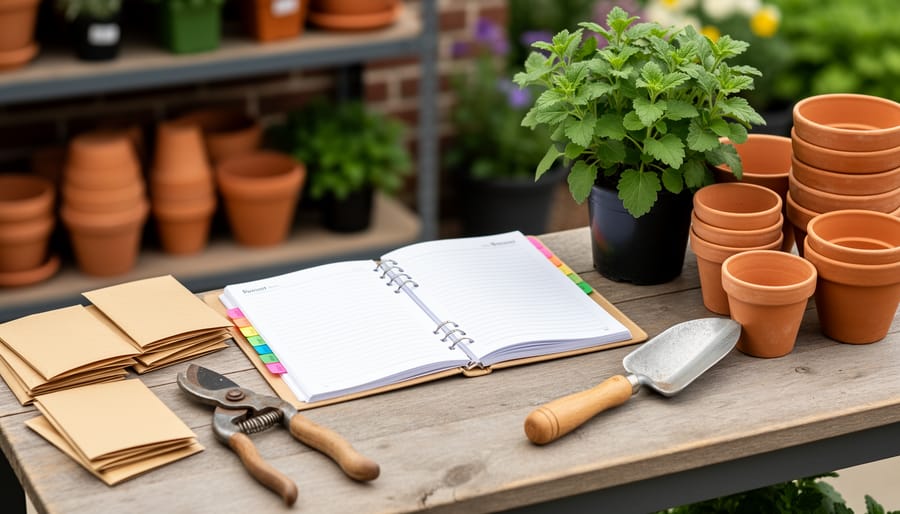
If you’re more of a paper-and-pencil person, a dedicated garden journal or notebook works wonderfully. Create sections for different seasons and maintain running lists of what you need, what you paid last year, and where you found the best deals. Bullet journaling has become popular among gardeners for exactly this reason—it’s flexible, creative, and deeply personal.
Calendar apps on your phone deserve special mention for setting purchase reminders. Schedule alerts two weeks before major sales typically begin, giving you time to check inventory and make thoughtful decisions rather than impulse purchases.
Price-tracking browser extensions like Honey or CamelCamelCamel can monitor online retailers and alert you when that expensive pruner you’ve been eyeing drops in price. Meanwhile, store loyalty apps often send exclusive early-bird notifications about upcoming sales.
The most successful purchase planners often combine methods—perhaps a notebook for brainstorming and a smartphone app for quick price checks while shopping. Experiment with different approaches during your first season, then stick with whatever feels most natural and sustainable for your routine.
Real-World Example: A Year in the Life of a Purchase Planner
Meet Sarah, a passionate gardener who transformed her spending habits by committing to a purchase planner for an entire year. When she started in January, her garage was cluttered with impulse buys—half-empty bags of fertilizer, duplicate tools, and clearance plants that never quite fit her garden’s needs.
Sarah began her planning journey by reviewing the previous year’s receipts. She was shocked to discover she’d spent over $800 on unplanned purchases. Determined to change, she created a simple spreadsheet dividing her year into seasons and listing what she genuinely needed for her vegetable garden and flower beds.
In February, instead of browsing garden centers aimlessly, Sarah attended a local seed swap and traded for heirloom tomatoes and peppers—spending nothing. She marked March in her planner for buying seed-starting supplies, waiting for the early spring sales at her favorite nursery. When they arrived, she scored seed trays and organic potting mix at 40% off, saving $35.
By May, Sarah’s planner reminded her to purchase only six tomato plants instead of the twelve she’d bought impulsively the year before. Those extra plants had always overwhelmed her small garden anyway. This disciplined approach saved her $24 and prevented waste.
The real game-changer came in July when Sarah noticed her planner’s note: “Wait for end-of-season perennial sale.” Fighting the urge to buy full-price hostas, she waited until August and purchased the same plants at 60% off, saving $72.
Throughout autumn, she bought compost and mulch in bulk with two neighbors, splitting costs and delivery fees—a strategy she’d noted in her planner after reading about community buying. This collaboration saved each person approximately $45.
By December, Sarah tallied her results. She’d spent just $425 on gardening supplies—nearly half of the previous year’s total. More importantly, everything she purchased served a purpose. Her biggest lesson? Planning doesn’t mean sacrificing joy or spontaneity. She still treated herself to occasional splurges, but they were conscious choices rather than habit.
Sarah’s advice to fellow gardeners: Start simple, track everything for one season, and adjust your approach as you learn your garden’s true needs.
Starting your own purchase planner might feel like just another task on your already busy to-do list, but trust me when I say the rewards are absolutely worth it. Even the simplest planning efforts—jotting down a few notes about upcoming sales or tracking what you spent last month—can lead to surprising savings that add up quickly. I’ve seen gardeners save hundreds of dollars annually just by waiting for the right sales and avoiding impulse purchases that seemed urgent at the time.
The beauty of a purchase planner is that it doesn’t need to be complicated. Whether you prefer a simple notebook, a spreadsheet, or a smartphone app, what matters most is finding a system you’ll actually use. Start small this week by listing your top three gardening needs and researching when they typically go on sale. You’ll quickly discover patterns that help you make smarter decisions.
Remember, every dollar you save through thoughtful planning is another dollar you can invest in the plants, seeds, and projects that truly bring you joy. Instead of feeling stressed about overspending or guilty about impulse buys, you’ll experience the satisfaction of being in control of your gardening budget. Your future self will thank you when you’re able to splurge on that special heirloom tomato variety or finally build the raised bed you’ve been dreaming about. Take that first step today—your garden and your wallet will both flourish.