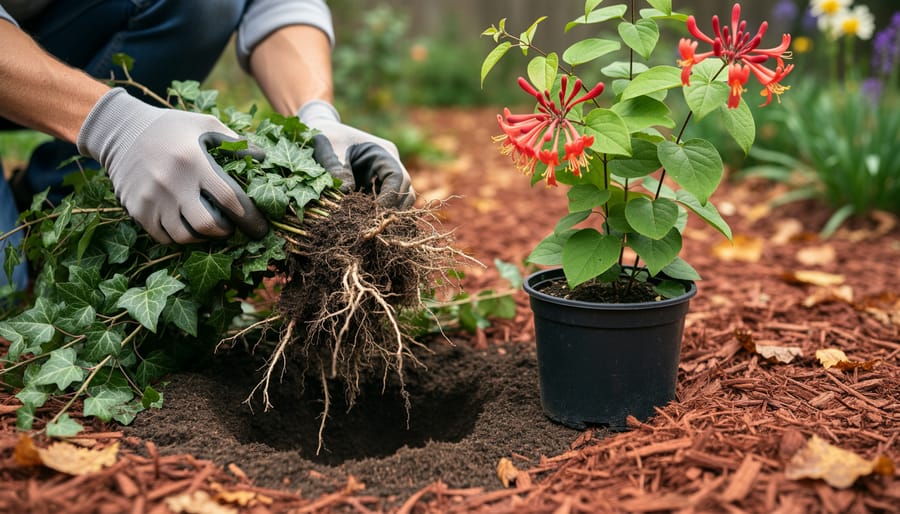
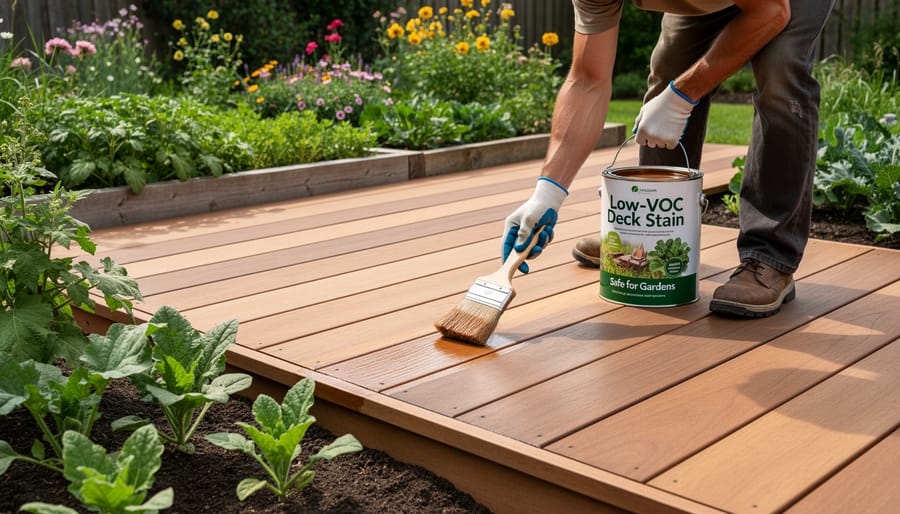
Choose deck finishes with VOC levels below 50 grams per liter to protect the herbs, vegetables, and flowers thriving around your outdoor space. Traditional deck paints and stains release volatile organic compounds that settle into garden soil, potentially harming beneficial microorganisms and sensitive plants. Professional calgary deck painting services increasingly offer eco-friendly alternatives, but you can tackle this project yourself with the right products.
Look for water-based acrylic stains and paints specifically labeled “zero-VOC” or “low-VOC” rather than oil-based formulas that emit harmful fumes for weeks after application. Natural oil finishes made from linseed, tung, or hemp oil provide excellent wood protection without synthetic chemicals leaching into nearby garden beds. Plant-based deck stains containing iron oxide pigments offer rich color while remaining completely safe for pollinators visiting your flowering plants.
Time your deck refinishing project for early spring or late fall when garden activity slows and you can allow proper drying time away from peak growing seasons. This protects seedlings and established plants from any minimal off-gassing during the curing process. Check product labels for biodegradability ratings and avoid formulas containing heavy metals, fungicides, or pesticides that persist in soil long after application.
Your deck connects your home to your garden sanctuary. The finish you select either supports or undermines the healthy ecosystem you’ve worked hard to cultivate in surrounding beds and containers.
Why VOCs Matter More in Garden Spaces
The Garden Connection Most People Miss
Here’s something many gardeners discover the hard way: traditional deck paints and stains can quietly harm the very plants you’re working so hard to nurture. VOCs don’t just evaporate into thin air—they settle into your soil, affecting its microbial balance and overall health.
I recently spoke with longtime gardener Martha Henderson from Ontario, who noticed her container tomatoes near her freshly painted deck began wilting within days. “I couldn’t figure it out until I connected the dots with the deck project,” she shared. The chemical fumes had stressed her plants significantly.
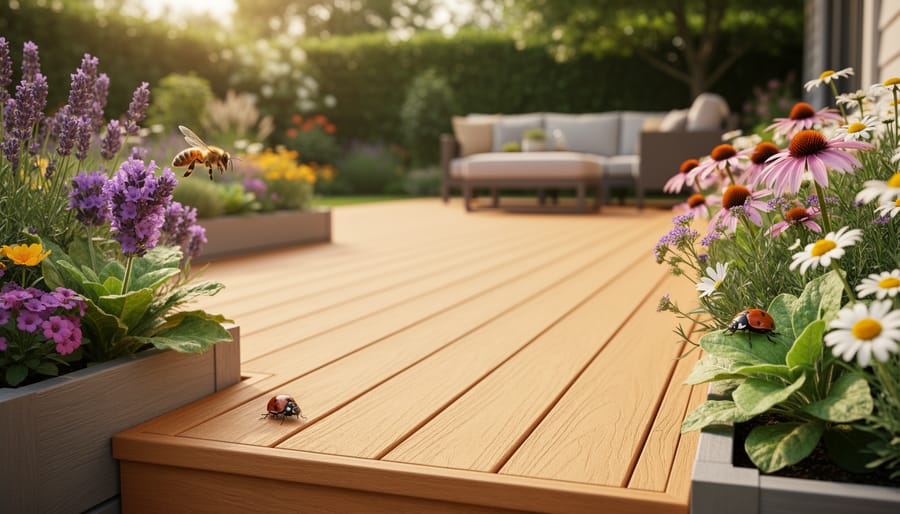
Beneficial insects are especially vulnerable. Bees, butterflies, and ground-dwelling beetles can be deterred or even harmed by high VOC levels lingering around treated surfaces. If you’ve invested time creating a pollinator-friendly garden, conventional deck treatments can undermine those efforts.
The effects aren’t always dramatic—sometimes it’s subtle leaf yellowing, slower growth, or reduced blooms in nearby beds. But when you’re committed to eco-friendly gardening practices, these impacts matter. Your deck maintenance shouldn’t work against your garden goals.
What ‘Low-VOC’ Really Means
When you’re shopping for deck finishes, understanding VOC labels helps you make the best choice for your garden. VOC stands for Volatile Organic Compounds, which are chemicals that evaporate into the air and can harm both plants and people.
In the United States, low-VOC paints and stains must contain less than 250 grams per liter for flat finishes and 380 grams per liter for other finishes, according to EPA standards. However, many eco-friendly brands go much lower. Look for certifications like Green Seal or GREENGUARD, which verify these claims through independent testing.
Zero-VOC products sound perfect, but here’s the thing: they can still contain up to 5 grams per liter of VOCs. They’re excellent choices, though significantly better than conventional options. Natural formulations use plant-based ingredients like linseed oil or citrus solvents instead of petroleum-based chemicals. While these are gentler on your garden, they may require more frequent reapplication.
During a chat with master gardener Elena Rodriguez, she reminded me that even low-VOC products need proper ventilation during application. The lower the VOC number, the safer it is for your nearby tomatoes, herbs, and pollinator-friendly flowers. When comparing products, always check the actual VOC content listed on the label rather than relying solely on marketing terms.
Best Low-VOC Deck Paints for Garden-Adjacent Spaces
Water-Based Acrylic Paints
Water-based acrylic paints are becoming a favorite among garden-conscious deck owners, and for good reason. These paints contain significantly fewer VOCs than traditional oil-based options, meaning your surrounding plants can breathe easier while you refresh your outdoor space. I’ve personally witnessed how quickly acrylic paints dry, which is wonderful when you’re eager to get your deck furniture back in place and start enjoying your garden views again.
The benefits are impressive: easy cleanup with just soap and water, minimal odor during application, and excellent durability against sun and rain. Brands like Benjamin Moore’s Floor & Patio and Behr Premium are consistently recommended by professional painters I’ve spoken with. They hold up beautifully in high-traffic areas and resist mildew, which is essential in moisture-rich garden environments.
However, water-based acrylics do have limitations. They work best on properly prepared wood surfaces and may require more frequent touch-ups than oil-based alternatives in extremely harsh climates. These paints shine in typical backyard settings where you’re balancing deck maintenance with protecting nearby vegetable beds, flower gardens, and beneficial insects. If your deck borders edible gardens or water features where plants and wildlife congregate, water-based acrylics offer peace of mind without compromising on protection.
Natural Oil-Based Options
Plant-based oil paints offer a wonderfully earth-friendly alternative for protecting your deck while keeping your garden thriving. These products typically contain natural oils like linseed, tung, or soybean oil as their base, rather than petroleum-derived ingredients. I’ve found them particularly appealing because they emit minimal fumes during application, which means you can paint your deck without worrying about those harsh chemical smells drifting into your vegetable beds or flower gardens.
The environmental benefits are impressive. Natural oil paints break down much more easily in the environment and won’t leach harmful chemicals into the soil where your plants grow. They’re also renewable resources, which aligns beautifully with sustainable gardening practices.
However, there are some practical considerations to keep in mind. Oil-based options generally take longer to dry than synthetic alternatives, sometimes requiring 24 to 48 hours between coats. They may also need more frequent reapplication, especially in high-traffic areas. That said, they penetrate wood deeply, creating a rich, natural finish that ages gracefully.
For garden decks, these paints work particularly well on less-trafficked areas like planter surrounds or decorative deck features. They’re safe to use near edible gardens, giving you peace of mind while beautifying your outdoor space.
Milk Paint and Mineral-Based Alternatives
If you’re tackling a smaller deck project or touch-ups near your prized tomato plants, milk paint and mineral-based alternatives deserve a closer look. These traditional formulas contain virtually no VOCs, making them as garden-friendly as it gets. Milk paint, made from milk protein, lime, and natural pigments, has been around for centuries and creates a beautiful matte finish that gardeners often love for its rustic charm.
I spoke with landscape designer Maria Chen, who’s used milk paint on her raised bed platforms. “It’s wonderfully non-toxic,” she shared, “but I’m upfront with clients that it needs reapplication every couple of years.” That’s the trade-off: while these options won’t harm a single seedling, they’re not built for heavy foot traffic or harsh weather exposure.
Mineral paints, formulated with natural earth pigments and silicate binders, offer slightly better durability than milk paint while maintaining ultra-low VOC levels. They’re particularly suitable for decorative deck elements, planter boxes, or garden benches rather than high-traffic walking surfaces.
For best results, apply these paints to well-prepared, raw wood surfaces. Think of them as specialty solutions for garden-adjacent projects where environmental safety outweighs longevity concerns. They’re perfect when you’re working right next to your lettuce beds or herb garden.
Low-VOC Deck Stains That Let Your Garden Breathe
Penetrating Stains for Natural Wood Lovers
If you love the natural grain and character of wood, penetrating stains offer the perfect solution while keeping your garden plants happy and healthy. Unlike film-forming paints that sit on the surface, these stains soak deep into the wood fibers, providing protection from within while maintaining that beautiful natural appearance.
Penetrating stains with low-VOC formulas are particularly garden-friendly because they release fewer harmful chemicals during application and throughout their lifespan. The stain molecules bond with the wood itself rather than creating a separate layer, which means less potential for offgassing near your vegetable beds or flowering plants. I’ve spoken with several gardeners who’ve used these products, and they appreciate how quickly they can return to their regular watering and gardening routines without worry.
For redwood or cedar decks, consider Cabot Australian Timber Oil, which contains only 250 grams per liter of VOCs and enhances the wood’s natural beauty while resisting mildew. Another excellent option is Penofin Ultra Premium Red Label, formulated with plant-based oils and minimal VOCs. These products typically penetrate within minutes and don’t leave a sticky surface where leaves and garden debris might stick.
The maintenance requirement is straightforward: plan to reapply every one to two years, depending on sun exposure and foot traffic. The good news? Reapplication is simple since you’re just adding another layer of protection rather than stripping and refinishing. Clean your deck thoroughly, let it dry completely, and apply the stain with a brush or roller on a mild day. Your garden neighbors will thank you for choosing the gentler option.
Semi-Transparent and Solid Stains
When choosing between semi-transparent and solid stains for your garden deck, you’re making a decision that affects both aesthetics and your plants’ wellbeing. Let me walk you through what works best for different situations.
Semi-transparent stains are wonderful if you love showing off your deck’s natural wood grain. They typically last 2-4 years and allow moisture to escape more easily, which helps prevent mold and mildew. Because they penetrate the wood rather than sitting on top, they release fewer particles into your garden beds below. I spoke with landscape designer Maria Chen, who mentioned that her clients with vegetable gardens often prefer semi-transparent options because they weather more naturally and require less aggressive cleaning chemicals during reapplication.
Solid stains, on the other hand, provide a painted look and last longer—usually 4-7 years. They offer better UV protection and hide imperfections beautifully. However, they form a thicker film on the wood surface, so choosing low-VOC formulas becomes even more critical here. When solid stains do begin to peel, they can flake into your garden soil, so you’ll want products specifically labeled as plant-safe.
For garden settings, both options work well when you select quality low-VOC versions. Consider semi-transparent stains for decks directly over planting beds or near edible gardens, and solid stains for high-traffic areas where durability matters most. Either way, proper surface preparation ensures better adhesion and reduces the need for frequent recoating.
Application Tips for Garden-Safe Results
Timing Your Deck Project Around Your Garden
Timing your deck makeover strategically can protect your plants and make your whole project go more smoothly. I’ve found that early spring and late fall are your best friends here. In early spring, before your garden hits its growth spurt, you can tackle deck painting while plants are still waking up from winter dormancy. They’re not actively absorbing nutrients at full speed, which means less risk of stress from any fumes or disruption.
Late fall is equally wonderful for this project. Once your perennials have gone dormant and you’ve harvested your vegetables, you have a calm window to work. The cooler temperatures also help low-VOC products cure properly without the harsh summer heat causing rapid drying or cracking.
I always recommend avoiding midsummer painting, especially during peak blooming and fruiting times. Your tomatoes and zucchini are working hard then, and even low-VOC products create some disruption with foot traffic and equipment around your garden beds.
If you’re painting near edible gardens, consider waiting until after harvest. Your strawberries and lettuce will thank you! Plan for at least 72 hours of good weather for proper drying, and you’ll set yourself up for success without compromising your garden’s health.

Protecting Plants During Application
Before you start painting or staining your deck, take time to protect your beloved plants. Just as you’d use natural pest control methods to keep your garden healthy, a little preparation goes a long way in preventing accidental damage during your deck project.
Start by covering nearby garden beds with plastic sheeting or drop cloths, securing the edges with rocks or stakes. For plants within three feet of the deck, I recommend lightweight fabric covers or old bed sheets. These allow some airflow while blocking paint splatter. If you have potted plants on or near the deck, simply move them to a safe distance for the duration of your project.
Managing runoff is crucial, even with low-VOC products. Create temporary barriers using plastic sheeting anchored with soil along the deck’s perimeter. This catches drips and prevents them from seeping into your garden beds. Keep a damp cloth handy to wipe up any spills immediately.
For ground-level plants you can’t easily cover, consider creating a cardboard shield. Cut large pieces of cardboard and position them between your work area and delicate foliage. You can hold these in place while applying paint to deck edges.
Water your plants thoroughly the day before starting work. Well-hydrated plants are more resilient to stress. Once you’ve finished painting, keep protective coverings in place until the surface is completely dry. This patience ensures your garden stays as healthy and vibrant as your newly refinished deck.
What a Gardener Learned After Making the Switch
When Margaret Chen refinished her wraparound deck three years ago, she made a decision that changed everything about her beloved garden sanctuary. After decades of using conventional deck stains, she switched to a low-VOC product—and the transformation went far beyond just the deck itself.
“I’ll be honest, I was skeptical at first,” Margaret admits. “I thought those eco-friendly products wouldn’t hold up as well. But I’d noticed my tomato plants closest to the deck were always struggling, and my herb boxes looked sad every spring after I’d stained.”
The change was remarkable. Within that first growing season, Margaret noticed her tomatoes finally thriving in their usual spots. Her basil, which had always seemed stunted near the deck, suddenly flourished. “It was like removing an invisible barrier,” she says. “I hadn’t realized how much those chemical fumes were affecting my plants, even days after application.”
The practical lessons she learned were equally valuable. Margaret discovered that low-VOC stains actually made the project more enjoyable. “No headaches, no need to evacuate the family for the weekend, and I could work near my flower beds without worrying,” she explains. She also appreciated being able to return to gardening the next day instead of waiting a week for fumes to dissipate.
Her biggest advice? “Don’t overthink the prep work—it’s the same as conventional products. And yes, it costs a bit more upfront, but I’m three years in with minimal touch-ups needed.” Margaret now considers it one of her best gardening investments, even though it wasn’t technically a garden product. “Healthy gardens start with healthy choices all around them,” she reflects.
Maintenance: Keeping It Garden-Friendly Long-Term
Garden-Safe Deck Cleaning Solutions
Before applying your beautiful low-VOC finish, you’ll need to clean your deck properly without compromising the health of your garden beds below. I’ve learned from experience that harsh chemical cleaners can damage or kill plants, even when you’re careful about overspray.
The safest approach uses simple household ingredients. A mixture of oxygen bleach (sodium percarbonate) and water works wonders on most decks without harming plants. Unlike chlorine bleach, oxygen bleach breaks down into water, oxygen, and soda ash—all harmless to your garden. Mix it according to package directions and apply with a soft brush.
For regular maintenance between deep cleans, plain water with a drop of mild dish soap does the trick. Local gardener Maria Chen shared with me that she uses this method monthly on her deck overlooking her vegetable garden, and her tomatoes have never been healthier.
When cleaning, always wet surrounding plants first and rinse them thoroughly afterward. Cover delicate specimens with tarps if you’re concerned. Consider exploring more garden-safe cleaning solutions that work throughout your outdoor spaces.
Avoid pressure washers set too high, as they can damage wood fibers and make your low-VOC stain penetrate unevenly. A gentle scrub with your eco-friendly cleaner prepares the perfect canvas.
Creating a beautiful outdoor space while nurturing your garden doesn’t have to be a compromise anymore. Low-VOC deck paints and stains have come such a long way that you can truly have the best of both worlds—a stunning deck that looks professionally finished and a thriving garden filled with healthy plants, beneficial insects, and vibrant blooms.
Making the switch to low-VOC products is one of those decisions that just feels right. You’re protecting the tomatoes you’ve carefully tended, the pollinators that visit your flowers, and even the earthworms working beneath the soil. Plus, you’re creating a safer space for your family and pets to enjoy those warm summer evenings.
The good news? These eco-friendly options perform just as well as traditional products, often lasting just as long and offering the same rich colors and protective qualities. Many gardeners who’ve made the transition report that they barely notice any difference in application or results—except for the peace of mind knowing their garden ecosystem remains undisturbed.
So go ahead and tackle that deck project you’ve been postponing. Your garden will thank you, and you’ll love the results.