# Understanding Native and Invasive Species: A Gardener’s Essential Guide
Check your local municipal or county website’s environmental department for plant lists specific to your zone—these typically categorize species as native, invasive, or regulated, giving you immediate clarity on what you can legally plant. Download the free apps Seek by iNaturalist or PlantNet to photograph plants already in your garden and identify whether they’re native species worth keeping or invasive ones requiring removal.
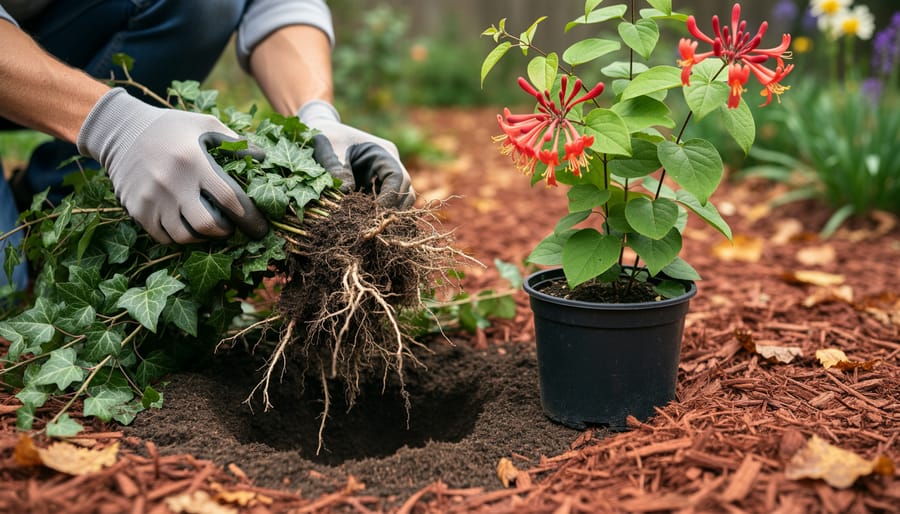
Start by replacing one invasive plant this season rather than attempting a complete garden overhaul. Choose an aggressive spreader like English ivy, burning bush, or Japanese barberry, remove it completely including roots, and substitute a native alternative that fills the same role—swap barberry for winterberry holly, or replace invasive honeysuckle with native coral honeysuckle for similar aesthetics with better wildlife support.
Visit a native plant nursery or botanical garden in your area to see mature specimens before purchasing. You’ll discover that native species aren’t the weedy, unattractive plants some imagine—many offer stunning blooms, vibrant fall color, and lower maintenance than popular ornamentals once established. Staff at these locations can recommend species that match your specific conditions: dry shade, wet soil, pollinator support, or deer resistance.
Join your county’s cooperative extension email list or follow your state’s invasive species council to stay informed about newly banned plants before you invest in them. Some states prohibit sale of certain species while others simply discourage planting—knowing the difference helps you make choices aligned with both regulations and ecological responsibility.
The distinction between native and invasive species might seem complicated, but understanding these categories transforms you from an uninformed gardener into a environmental steward who creates beautiful, thriving landscapes that support local ecosystems rather than threaten them.
What Makes a Plant Native or Invasive?
Native wildflowers like coneflowers provide essential habitat and food sources for local pollinators while creating stunning garden displays.
Understanding the difference between native and invasive plants is fundamental to responsible gardening. A native plant is one that has evolved naturally in a specific geographic region over thousands of years without human introduction. These plants have developed relationships with local wildlife, soil microbes, and climate patterns that make them well-adapted to their environment.
Native plants offer multiple benefits to gardeners and ecosystems alike. They typically require less water and maintenance once established, since they’re already suited to local conditions. Research shows that native plants attract pollinators more effectively than non-native alternatives, supporting essential species like bees, butterflies, and hummingbirds. For more ideas on creating habitat, see our pollinator garden design guide.
In contrast, invasive species are plants introduced to an area—either accidentally or intentionally—that spread aggressively and cause harm to native ecosystems. Not all non-native plants are invasive; many ornamentals coexist peacefully with native species. What distinguishes invasive plants is their ability to:
- Reproduce and spread rapidly without natural controls
- Outcompete native plants for resources like sunlight, water, and nutrients
- Disrupt food webs by providing little value to native wildlife
- Alter soil chemistry or fire regimes
- Cause economic damage to agriculture or infrastructure
The key distinction isn’t simply where a plant originated, but how it behaves in your local environment. A plant considered well-behaved in one region may become problematic in another with different conditions. Before selecting plants for your garden, research which species are native to your area and which are listed as invasive by your state or provincial authorities.
The Real-World Impact in Your Garden and Beyond
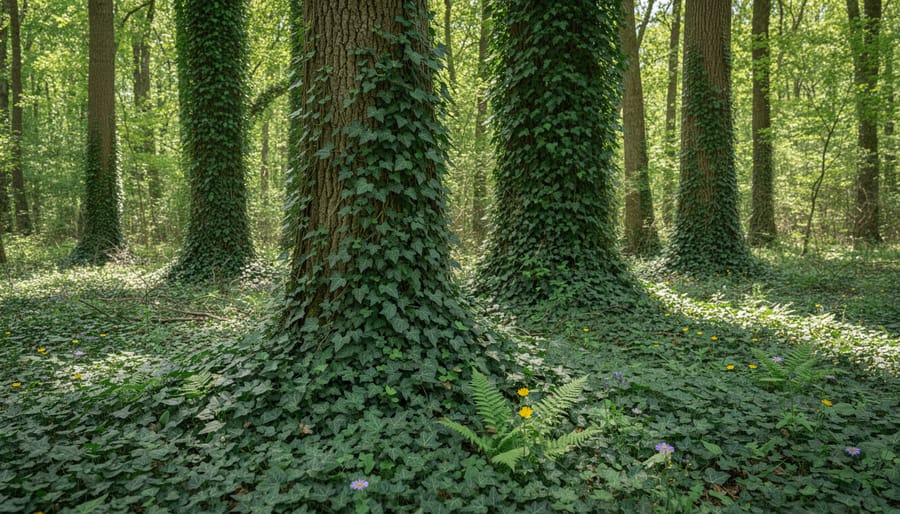
I’ll never forget the summer I discovered English ivy slowly strangling my favorite native ferns. What started as a decorative border plant had sent runners everywhere, climbing trees and smothering everything in its path. That moment made the abstract concept of invasive species that spreads very real.
The truth is, invasive species don’t just mess up your carefully planned garden beds. They create ripple effects that extend far beyond your property line. When aggressive non-native plants take hold, they outcompete the native species that local butterflies, bees, and birds depend on for food and shelter. I watched the number of monarch butterflies visiting my garden drop significantly during those ivy-dominated years—a stark reminder of how pollinator-friendly gardens require native plant foundations.
Water resources take a hit too. Some invasive species, like purple loosestrife, consume excessive amounts of water and clog waterways, affecting entire ecosystems. Your neighbor’s pond, the nearby stream, even municipal water treatment—all can be impacted by what spreads from a single garden.
Then there’s the neighbor factor. Those ivy runners didn’t respect my property boundaries. They crept under fences and popped up in my neighbor’s vegetable patch, creating tension I hadn’t anticipated. Invasive plants spread through seeds carried by wind and birds, meaning your choices genuinely affect the surrounding community. If you’re dealing with established invasives, check out our guide on safe plant removal techniques to address them responsibly.
Understanding this interconnection isn’t about guilt—it’s about making informed choices that benefit everyone, including the wildlife we love watching in our gardens. When selecting alternatives, consider exploring our native plant nursery directory to find regionally appropriate options.
Understanding Invasive Species Bans and Native Planting Requirements
How to Find Out What’s Banned in Your Area
Finding out which plants are considered invasive species or native to your region is easier than you might think, and I promise it won’t require a law degree to understand!
Start with your local county and regional extension offices—these incredible resources exist in nearly every county across the United States. Simply search “cooperative extension” plus your county name online, and you’ll find experts who know your area’s soil, climate, and yes, which plants to avoid. Most offer free consultations and have plant lists specific to your region. I’ve called mine countless times, and they’re always eager to help fellow gardeners make informed choices.
For online research, the USDA Plants Database is a fantastic starting point. Type in any plant name, and you’ll discover whether it’s native to your state or considered problematic. The National Invasive Species Information Center also maintains comprehensive lists organized by state and region.
Your state’s Department of Natural Resources or Department of Agriculture website typically lists officially banned or restricted plants. These are the ones you legally cannot sell, transport, or sometimes even plant. The lists vary significantly—what’s invasive in Florida might be perfectly fine in Minnesota, which is why checking your specific location matters so much.
Don’t overlook local native plant societies and garden clubs. These passionate groups maintain updated lists and often know about plants that aren’t officially banned but cause problems in your particular ecosystem. Many host plant swaps where you can exchange potentially invasive species for native alternatives.
Create a simple bookmark folder with these resources, and you’ll have reliable answers whenever you’re considering a new addition to your garden. Taking ten minutes to research before planting can save years of regret and hard removal work later.
Common Garden Plants That Might Surprise You
I completely understand the surprise – and sometimes dismay – that comes when you discover a beloved garden staple is actually considered invasive in your region. These aren’t obscure plants we’re talking about; they’re frequently found at mainstream nurseries and growing in neighborhoods everywhere. The reality is that many plants once promoted as garden-friendly solutions have turned out to be problematic escapees into native habitats.
| Common Native or Invasive Species | Problematic Regions | Why It’s Invasive |
|---|---|---|
| English Ivy | Pacific Northwest, Southeast | Smothers trees, outcompetes native groundcovers |
| Butterfly Bush | Pacific states, parts of Northeast | Spreads aggressively along waterways, displaces natives |
| Bradford Pear | Eastern and Central U.S. | Forms dense thickets, crowds out native species in forests |
| Japanese Barberry | Northeast, Midwest | Creates monocultures, increases tick habitat |
If you’ve grown these plants for years without issue, you’re not alone, and you’re certainly not a bad gardener. Many of these species were actively promoted by the horticultural industry for decades. The understanding of how introduced plants interact with local ecosystems has evolved considerably. What matters now is what you do moving forward. You don’t need to panic-remove everything immediately, but as you refresh your landscape, consider choosing native alternatives that provide similar aesthetic appeal without the ecological baggage.
The Benefits of Choosing Native Plants
Debunking the “Natives Are Boring” Myth
Let’s put this myth to rest once and for all: native species are anything but boring! In fact, many of the most breathtaking plants you can grow are native species that evolved right in your own region.
Take wildflowers, for instance. The blazing orange of butterfly weed stops traffic just as dramatically as any tropical import. Purple coneflowers create masses of vibrant color that last for months, while black-eyed Susans bring cheerful golden blooms that self-seed generously. Cardinal flower’s intense scarlet spikes are showstoppers that hummingbirds absolutely adore. These natives deliver color, drama, and resilience that many exotic species simply can’t match.
Native grasses offer year-round interest that few invasive species can rival. Little bluestem transforms from blue-green to copper-bronze in fall, while switchgrass towers majestically with airy seed heads that catch morning light. Prairie dropseed forms elegant mounds with a distinctive popcorn-like fragrance.
Don’t overlook native shrubs either. Ninebark offers colorful foliage in burgundy or gold, buttonbush produces unique spherical blooms, and native azaleas rival their Asian cousins with spectacular spring displays. Winterberry holly creates stunning winter focal points with brilliant red berries that persist through snow.
When you choose native species for your pollinator garden design, you’re not settling for second best. You’re selecting plants perfectly adapted to thrive in your conditions while supporting local wildlife. That’s beautiful inside and out.
Making the Switch: Practical Steps for Your Garden
Start Small: Your First Native Plant Choices
Ready to make the switch from invasive to native species? The good news is you don’t need to transform your entire yard overnight. Starting with just a few well-chosen native plants can make a meaningful difference while you learn what works in your space.
For pollinator gardens, you can’t go wrong with purple coneflower (Echinacea purpurea) and black-eyed Susan (Rudbeckia hirta). These workhorses tolerate various soil conditions, bloom for weeks, and native plants attract pollinators like magnets. I planted my first coneflowers five years ago, and they’ve been dividing and spreading ever since with zero fuss.
If you’re working with a shade garden, native ferns like Christmas fern (Polystichum acrostichoides) and woodland wildflowers such as wild geranium (Geranium maculatum) thrive without demanding full sun. These species evolved under forest canopies and actually prefer the cooler, shadier spots where invasive species often struggle.
For sunny, dry areas, consider native grasses like little bluestem (Schizachyrium scoparium) or butterfly weed (Asclepias tuberosa). Both handle drought beautifully once established and provide essential habitat for native insects.
Where should you buy these plants? This matters more than you might think. Seek out reputable native nurseries that propagate plants from local seed sources rather than wild-harvested specimens. Many big-box stores now carry native sections, but verify the plants are truly native to your region and not cultivars bred primarily for ornamental traits.
Start with three to five different species this season. Watch how they perform, enjoy the wildlife they attract, and expand from there. You’re not just replacing invasive species—you’re rebuilding the ecological connections that make gardens truly come alive.
Local nurseries and native plant sales connect gardeners with region-appropriate species and expert advice.
Proper removal of invasive species includes extracting the entire root system to prevent regrowth and further spread.
What to Do with Existing Invasive Plants
Discovering invasive species in your garden isn’t a failure—it’s an opportunity to become a more responsible steward of your landscape! Many of us inherited these plants from previous homeowners or planted them before understanding their impact. The good news is that you can take positive action starting today.
Before you begin removal, identify the specific invasive species you’re dealing with. Different plants require different approaches, and some may be regulated in your area with specific disposal requirements. Your local extension office can provide species-specific guidance and confirm whether certain plants are banned or restricted where you live.
When removing invasive plants, timing matters. For many species, removing them before they flower or set seed prevents further spread. Use safe removal methods appropriate for each plant type—some require digging out entire root systems, while others need repeated cutting to exhaust their energy reserves. Wear gloves and protective clothing, especially when handling plants with irritating sap or thorns.
Instead, bag plant material in heavy-duty garbage bags and dispose of it with your household trash. Some communities offer special collection days for invasive plant material—check with your local waste management department.
If immediate removal isn’t feasible due to the scope of infestation or physical limitations, focus on containment. Deadhead flowers before they go to seed, and create barriers to prevent spreading roots. Consider tackling the project in phases, removing manageable sections over time.
Remember, even small actions make a difference. Each invasive plant you remove creates space for native species to thrive, supporting local wildlife and strengthening your ecosystem. You’re part of a growing community of gardeners making thoughtful, positive changes—one plant at a time.
Expert Perspective: A Conversation with a Native Plant Specialist
We sat down with Dr. Maria Chen, a conservation botanist and landscape designer with over fifteen years of experience helping gardeners transition to native and non-invasive species. Her passion for ecological gardening has transformed countless yards into thriving habitats.
“I stumbled into native plants almost by accident,” Maria laughs. “I was frustrated watching my traditional garden struggle through droughts while the wildflowers along the roadside thrived. That curiosity led me down a rabbit hole of research, and I haven’t looked back since.”
When asked about the biggest misconception she encounters, Maria doesn’t hesitate. “People think native gardens look messy or require you to give up all your favorite plants. That’s simply not true. You can create stunning, organized landscapes with native species while still keeping a few well-behaved non-natives you love. The key is understanding which invasive species to avoid and making thoughtful choices.”
For gardeners feeling overwhelmed by regulations or worried about making mistakes, Maria offers reassuring advice. “Start small and be gentle with yourself. Replace one invasive shrub this year. Add a native perennial bed next season. Every positive change matters, and you’ll learn as you go. I always tell people to focus on what you’re gaining—less maintenance, more wildlife, resilient plants—rather than what you’re giving up.”
We asked Maria to share her favorite native species for beginners. “Black-eyed Susans are nearly foolproof and incredibly cheerful. For shrubs, I love native viburnums—beautiful flowers, fall color, and birds adore the berries. If you want a showstopper, try native azaleas. They rival any exotic variety and support local pollinators that depend on them.”
Looking toward the future, Maria is optimistic. “I’m seeing a real shift in how people view gardening. Younger gardeners especially understand the connection between their plant choices and environmental health. As more nurseries stock native species and communities implement invasive species bans, it becomes easier for everyone. We’re moving toward gardens that give back to nature instead of just taking from it.”
Her final thought resonates: “Every garden is an opportunity. Whether you have a balcony or five acres, your choices about native versus invasive species ripple outward, creating either habitat or harm. Choose habitat. It’s more rewarding than you might imagine.”
Finding Support and Resources
You’re not alone in this journey toward understanding and cultivating native species while managing invasives. Across the country, a vibrant community of gardeners, conservationists, and nature enthusiasts shares your commitment to supporting local ecosystems. Connecting with these like-minded individuals can transform your gardening experience from solitary learning into collaborative discovery.
Start by seeking out your local native plant society—nearly every state has one, and many regions have county-level chapters. These organizations offer invaluable resources:
- Monthly meetings featuring expert speakers on native species identification and invasive plant management
- Plant sales where you can purchase locally-sourced native plants adapted to your specific region
- Field trips to natural areas and member gardens showcasing successful native plantings
- Volunteer opportunities for habitat restoration and invasive species removal projects
- Mentorship programs pairing beginners with experienced native plant gardeners
Beyond local societies, extension offices often host workshops on identifying invasive species and choosing appropriate natives for your property. Many botanical gardens now feature demonstration gardens specifically designed to educate visitors about native alternatives to popular invasive ornamentals.
Online communities have flourished too, with Facebook groups and forums dedicated to regional native plant gardening where members share photos, ask questions, and celebrate successes. The iNaturalist app connects you with thousands of observers who can help identify plants in your yard and local wild spaces.
Remember, every gardener who removes invasive species and plants natives contributes to a meaningful movement. You’re part of something bigger—a growing network restoring habitat one garden at a time.
Choosing native species over invasive ones is more than just a gardening decision—it’s an investment in your local ecosystem and the broader community of pollinators, birds, and beneficial insects that call your area home. The positive ripple effects are real: healthier soil, less maintenance, reduced water usage, and a vibrant garden that truly belongs where it grows.
I know the world of native and invasive species can feel overwhelming at first. There’s so much to learn, and it’s easy to worry about making mistakes. But here’s the wonderful truth: this is a journey, not a test. Every gardener I’ve spoken with, from seasoned experts to enthusiastic beginners, started with just one plant and a bit of curiosity. You don’t need to overhaul your entire garden overnight or become a botanist to make a difference.
Start small. This week, take just one step. Research three native plants suited to your region. Visit a local native plant nursery and ask questions. Or simply replace one invasive species in your garden with a native alternative this season. Each choice matters and adds up to something meaningful.
Remember, you’re joining a growing community of gardeners who understand that beautiful landscapes and environmental responsibility go hand in hand. Share your experiences, learn from others, and celebrate the small victories. Your garden—and the wildlife it supports—will thank you for every native plant you welcome home.