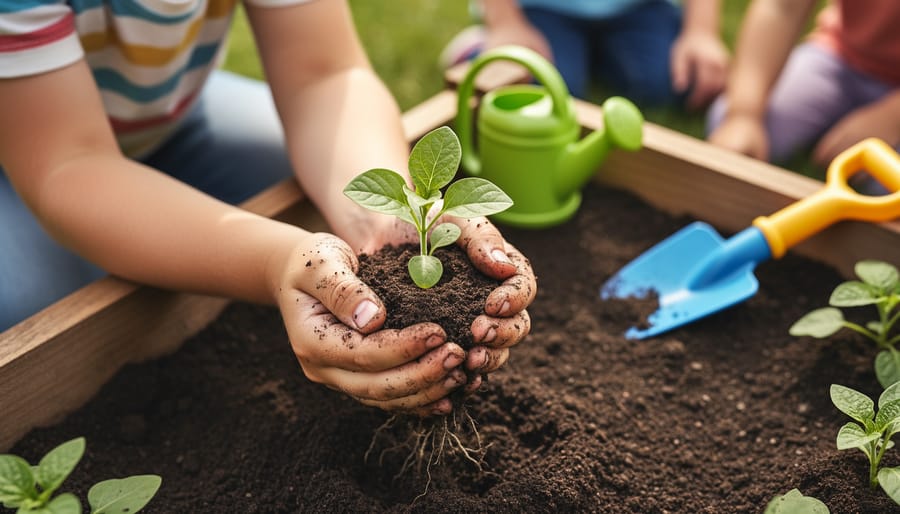
Transform your preschool classroom or backyard into a living laboratory where tiny hands dig into soil, plant seeds sprout before wide eyes, and every discovery becomes a teachable moment. Introducing gardening activities for preschoolers doesn’t require a green thumb or acres of space—just enthusiasm and a willingness to embrace muddy fingerprints as badges of learning.
Gardening offers preschoolers something screens cannot: real-time cause and effect, sensory exploration that engages all five senses, and the profound satisfaction of nurturing something from seed to harvest. When a three-year-old waters a sunflower seedling and watches it tower over their head weeks later, they’re not just learning about plant life cycles—they’re building patience, responsibility, and confidence.
The activities ahead work with preschoolers’ natural curiosity and limited attention spans rather than against them. You’ll discover planting projects that show results within days, sensory bins that channel their love of messy play into botanical exploration, and movement games that burn energy while teaching how plants grow. Whether you’re working with a single raised bed, container pots on a balcony, or even indoor setups, these age-appropriate activities adapt to your space and experience level. Each idea includes practical setup guidance, material lists using items you likely already own, and modifications for different developmental stages within the preschool years.
What Makes Gardening Perfect for Preschoolers
Preschoolers and gardens are a match made in developmental heaven. At ages three to five, children are natural scientists, bursting with questions and eager to explore everything through their senses. Gardening taps directly into this innate curiosity, offering exactly what young minds crave: hands-on experiences, visible results, and plenty of opportunities to get wonderfully messy.
From a developmental perspective, garden activities hit all the right notes. Those chubby little fingers scooping soil? They’re building fine motor skills that will later help with writing. Watering with a heavy can? That’s gross motor development and hand-eye coordination wrapped into one satisfying task. When children dig, plant, and harvest, they’re strengthening muscles and practicing movements essential for everyday life.
The sensory richness of gardens is unmatched in early childhood environments. Preschoolers can feel crumbly soil, smell fragrant herbs, observe wriggling worms, listen to rustling leaves, and eventually taste the fruits of their labor. This multi-sensory engagement supports brain development in ways that screens and structured activities simply cannot replicate. The connection to nature also promotes emotional well-being and reduces stress, even in our youngest learners.
Perhaps most importantly, gardening disguises learning as play. Children aren’t sitting still for lessons about life cycles or counting practice. They’re discovering these concepts naturally while doing something that feels purely fun. They learn patience waiting for seeds to sprout, responsibility caring for living things, and cause-and-effect through every watering and weeding session.
Garden activities also accommodate different learning styles and paces beautifully. The child who loves movement can carry compost. The careful observer can watch pollinators. The creative spirit can design plant markers. Everyone finds their place in the garden.
Setting Up Your Preschool Garden Space
Size and Safety Considerations
When planning gardening activities for little ones, creating a safe and manageable space makes all the difference. Start small—even a 3×3 foot raised bed or a few containers on a patio work beautifully for preschoolers. This compact size lets you supervise easily while giving each child enough space to explore without crowding.
Choose a location visible from multiple angles, whether you’re setting up in your backyard, classroom outdoor area, or community garden plot. Position yourself where you can see all children simultaneously, and maintain a ratio that allows for attentive supervision—ideally one adult for every four to five preschoolers during hands-on activities.
Invest in child-sized tools with rounded edges and no sharp points. Look for plastic trowels, lightweight watering cans, and foam kneeling pads. Avoid chemical fertilizers and pesticides entirely, opting instead for organic compost and natural pest deterrents like companion planting. Store all materials in a locked shed or high shelf when not in use.
Select non-toxic, child-safe plants only. Skip anything with thorns, irritating sap, or toxic properties. Stick with edibles like cherry tomatoes, snap peas, and herbs that are safe even if curious hands bring them to mouths unexpectedly.
Making It Preschooler-Friendly
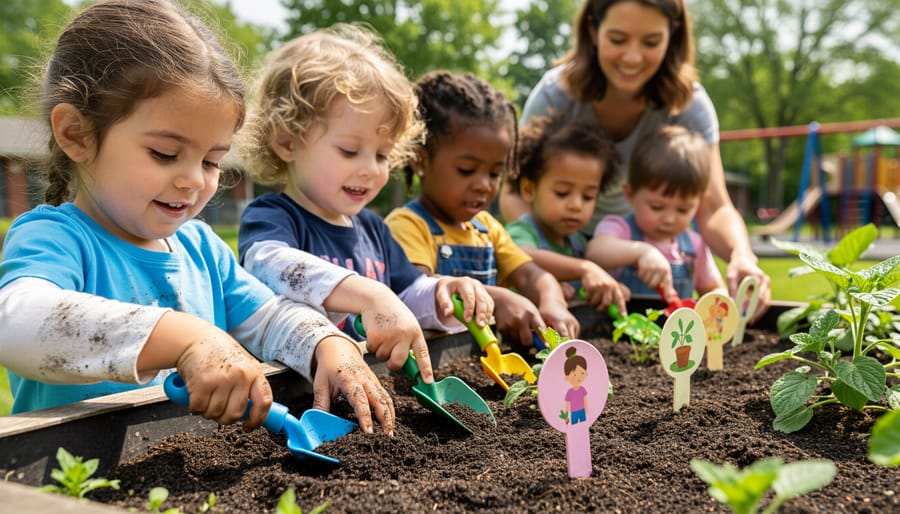
Creating a garden space that welcomes little hands and curious minds starts with bringing everything down to their level. Consider raising your garden beds to about 18-24 inches high with wide edges where preschoolers can comfortably reach and even sit while they work. If you’re working with in-ground beds, create stepping stones or designated kneeling spots that keep small feet out of planted areas while giving them easy access.
Make the garden visually inviting with oversized, colorful plant markers that preschoolers can actually read and recognize. Use pictures alongside words, like drawing a carrot next to the word “carrots,” so non-readers can independently identify what’s growing where. Paint rocks together as markers, or use large wooden spoons decorated with photos of vegetables.
Install child-height tools by hanging small rakes, watering cans, and hand trowels on low hooks or pegs they can reach without adult help. This simple change transforms them from observers into active participants. Add a small potting bench at their height where they can scoop soil and transplant seedlings independently. When children can access their garden tools and workspace without constant assistance, they develop confidence and genuine ownership of their gardening experience, keeping them engaged session after session.
Simple Seed-to-Sprout Activities
The Three-Day Sprout Experiment
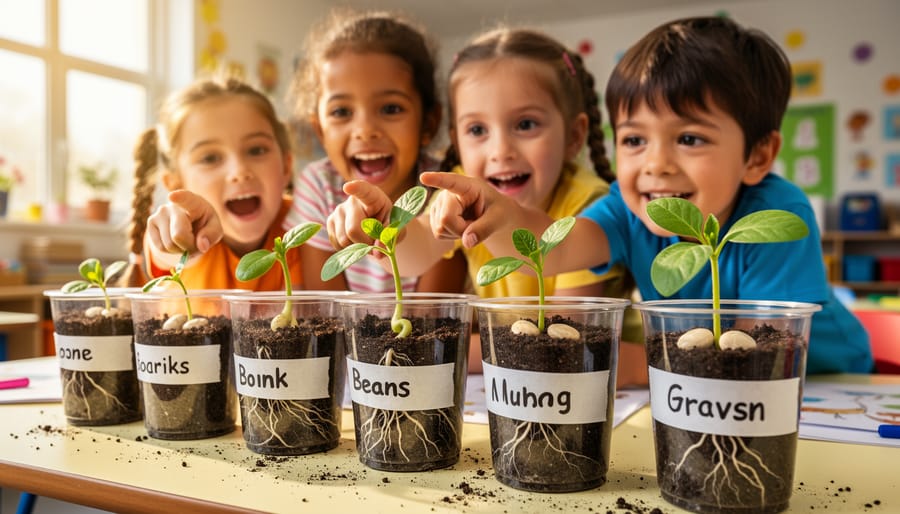
This hands-on experiment turns preschoolers into junior scientists while teaching them about plant growth. Start by giving each child a clear plastic cup or ziplock bag, a damp paper towel, and 2-3 bean seeds (lima or pinto beans work wonderfully).
Have the children place their seeds between the paper towel and the side of the cup so they can watch the magic happen. Label each cup with the child’s name and the date. Position the cups in a sunny spot where everyone can check them daily.
Here’s where the excitement builds: create a simple observation chart with three columns labeled Day 1, Day 2, and Day 3. Each day, gather the children to examine their seeds together. Encourage them to describe what they see using words like “bigger,” “cracking,” or “tiny roots.” Let them draw pictures of the changes on their charts.
By day three, most beans will show visible sprouting, giving preschoolers that instant gratification they crave. The clear containers make every root and shoot visible, turning an invisible process into a fascinating display.
This activity beautifully combines science, art, and language development while building patience and observation skills. Plus, those successfully sprouted beans can be transplanted into your classroom or home garden, extending the learning experience even further.
Seed Paper Crafting
Transform recycled paper into magical plantable creations that preschoolers can actually grow! This activity beautifully merges creativity with early environmental lessons.
Start by tearing old newspaper or plain paper into small pieces. Let the children help with this satisfying first step. Soak the pieces in warm water for about an hour, then blend into pulp. Strain excess water and mix in wildflower or herb seeds. The kids will love watching the transformation.
Spread the seedy pulp onto screens or towels, pressing it flat with cookie cutters to create fun shapes like butterflies, flowers, or simple circles. Little hands excel at the patting and shaping process. Let everything dry completely for 24 to 48 hours.
Once dry, children can decorate their seed paper with natural items like pressed flower petals or leave them plain. Explain that when they plant their creation in soil and water it regularly, the paper will decompose and flowers will sprout. This tangible connection between their artwork and living plants makes the gardening cycle wonderfully real for young minds.
Garden Journal for Little Hands
Garden journals make wonderful keepsakes while encouraging little ones to observe and appreciate nature’s changes. Create simple journals using construction paper folded in half and stapled together—nothing fancy needed! Let preschoolers document their garden adventures through drawings, leaf rubbings, or pasting flower petals they find.
Set up stations with washable ink pads and vegetable stamps (try halved potatoes, celery bottoms, or bell peppers) so children can print colorful patterns on their pages. Even toddlers can participate by making fingerprint flowers or sticking on premade labels that say “sunny day” or “rainy day.”
Consider adding prompts that don’t require writing skills: a box to draw what they planted, space for a height comparison handprint, or spots to glue seed packets. Some families I’ve spoken with photograph their child beside their growing plants weekly, then print and add these to the journal—what a treasure to look back on! The key is keeping it pressure-free and focused on observation rather than perfection, letting each page capture their unique garden story.
Sensory Garden Adventures
Touch and Feel Garden Hunt
Create a sensory scavenger hunt that turns your garden into a hands-on discovery zone for little ones. Start by gathering preschoolers in a circle and explaining that plants feel different, just like fabrics or toys. Give each child a simple checklist with pictures showing various textures to find.
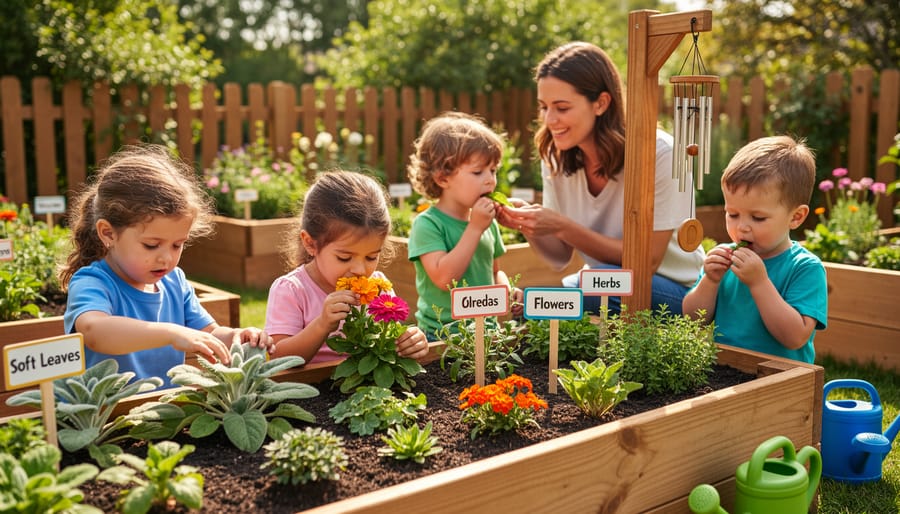
Lead them to fuzzy lamb’s ear, letting each child gently stroke the soft, velvety leaves. Compare it to petting a bunny or favorite stuffed animal. Next, explore smooth leaves like hostas or waxy succulents, then move to rough tree bark where they can trace bumpy patterns with their fingertips. Include tickly grasses, prickly pinecones (handled carefully), and cool, slippery flower petals.
Keep the activity moving at a comfortable pace, allowing children to revisit favorites. Encourage descriptive words like “soft,” “scratchy,” or “bumpy” to build vocabulary. This hands-on exploration helps preschoolers connect with nature through touch while developing observation skills. For children with sensory sensitivities, offer gentle encouragement without pressure to touch everything, letting them observe others first.
Smell and Taste Discovery
Growing fresh herbs offers a wonderful gateway to exploring smell and taste with your little gardeners. Start by planting child-friendly herbs like mint, basil, and parsley in containers where curious hands can easily reach them. Before any tasting begins, teach children the golden rule: always ask a grown-up first before putting any plant in their mouth.
Create a simple sensory game by having children gently rub herb leaves between their fingers, then smell their hands. They’ll be amazed at how different each plant smells! Mint might remind them of toothpaste, while basil could smell like pizza. Encourage them to describe what they notice using fun words like “fresh,” “sweet,” or “strong.”
When everyone’s ready, offer tiny taste tests of washed herbs. Most preschoolers enjoy mild-flavored basil and the cool sensation of mint. You can also make herb-infused water together, dropping a few leaves into clear cups and watching them float. This activity naturally leads to wonderful conversations about where food comes from and helps develop adventurous eaters who appreciate fresh, home-grown flavors.
Color Collection Game
Turn your garden into a colorful treasure hunt with this delightful collection game. Create a simple color palette card using construction paper or paint chips in five to six colors—think sunshine yellow, leaf green, sky blue, and flower purple. Give each child their own card and a small basket, then send them exploring.
Little ones will search the garden for natural items that match each color: dandelions for yellow, grass blades for green, or purple petals from violas. This activity naturally teaches color recognition while getting children to observe their surroundings closely. They’ll notice subtle differences between shades and discover the incredible variety of colors nature offers.
For added fun, create a display board where children can tape or glue their findings next to the matching color squares. This extends the activity indoors and gives them something tangible to show off. Keep the hunt short—about 10 to 15 minutes works perfectly for preschool attention spans—and celebrate every discovery with genuine enthusiasm.
Garden-Themed Movement and Play
Growing Like a Seed
This movement activity brings the magic of plant growth to life and helps preschoolers burn off energy while learning. Start by having children curl up into tight little balls on the floor, pretending to be seeds tucked safely in the soil. As you narrate their growth journey, they slowly begin to unfold. First, tiny roots stretch downward as they extend their legs. Then a small sprout pushes up through the dirt as they lift their heads. Arms become leaves reaching toward the sun, and finally they stand tall as full-grown plants swaying gently in the breeze.
Add simple props like blue scarves for rain or a flashlight for sunshine to make the experience more engaging. You can also play soft music that builds from quiet to energetic, matching their transformation. This activity naturally teaches sequencing, body awareness, and the plant life cycle while accommodating different energy levels. Some children might spring up quickly like fast-growing beans, while others prefer the slower pace of a sturdy sunflower.
Watering Can Relay
This energetic activity gets little ones moving while teaching valuable coordination skills. Set up two buckets at opposite ends of your play space—one filled with water and one empty. Divide children into teams and give each team a small, lightweight watering can.
The goal is simple: children take turns filling their watering can from the full bucket, carefully walking it across the space, and pouring the water into the empty bucket. The first team to transfer all their water wins, though I always emphasize that being careful matters more than being fast.
This game brilliantly mimics real garden tasks while building motor skills and patience. Choose watering cans with two handles for better control, and keep the cans small enough that preschoolers can manage them comfortably when filled. Playing on grass or outdoors eliminates spill worries, letting children focus on the fun rather than staying perfectly dry. You can adjust difficulty by changing distances or adding gentle obstacles to navigate around.
Bug Hunt Obstacle Course
Set up a simple obstacle course through your garden where little ones can practice balancing on stepping stones, crawling under string lines, and hopping between designated spots while searching for friendly garden helpers like ladybugs, earthworms, and butterflies. Create a picture checklist with simple drawings so children can mark off each beneficial insect they spot during their adventure. This activity builds gross motor skills while teaching kids that not all bugs are pests. Keep the course short and stations close together to match preschool energy levels, and celebrate every discovery with excitement to reinforce positive associations with garden creatures.
Creative Garden Crafts and Art
Leaf Printing and Nature Stamping
This simple painting activity transforms your garden treasures into beautiful artwork! After collecting leaves and flowers during your nature walk, spread them on a protected work surface alongside washable tempera paint in shallow trays. Show little ones how to brush paint onto the textured side of a leaf, then press it firmly onto paper to create a print. The veins and edges create stunning natural patterns that fascinate young children.
Start with larger, sturdy leaves like maple or oak, which are easier for small hands to manage. Flowers work wonderfully too—daisies and sunflowers make charming circular stamps. Encourage children to experiment with different colors and overlapping prints to discover what happens when green leaves meet yellow paint or when prints layer on top of each other.
Keep a damp cloth nearby for quick cleanups between colors, and don’t worry about perfection. The beauty lies in the process of exploring textures and patterns found in nature. These prints make lovely cards for family members or can be displayed as seasonal classroom decorations, giving children pride in their garden-inspired creations.
Garden Marker Decorating
Let little ones get creative with this simple craft that helps them take ownership of the garden. Garden markers serve a practical purpose while giving preschoolers a chance to express themselves artistically.
Start with basic materials like wooden craft sticks, smooth river stones, or recycled plastic spoons. Set up a decorating station with washable paints, large stickers, and markers. Show children pictures of the vegetables or flowers they’ll be marking, then let them paint representations or simply choose their favorite colors.
For added texture, provide natural materials like pressed flowers, leaves, or small twigs to glue onto markers. Keep it simple—even abstract designs work perfectly, as long as you help label each marker with the plant name before applying a coat of clear sealant.
This activity builds fine motor skills while helping children connect with what they’re growing. When they see their personalized markers in the garden, they’ll feel extra proud checking on “their” plants. Plus, you’ll create lasting keepsakes that capture this sweet stage of childhood creativity.
Best Plants for Preschool Success
Quick-Growing Favorites
Choosing the right plants makes all the difference when gardening with preschoolers. Young children need to see results quickly, or they’ll lose interest before anything sprouts. I’ve found that certain plants are absolute champions for keeping little ones engaged.
Sunflowers are show-stoppers that preschoolers adore. They germinate within a week, grow visibly each day, and reach impressive heights that make children feel genuinely proud. Choose mammoth varieties for maximum wow-factor, and let kids measure their progress with yarn or drawings on the wall.
Green beans, especially pole varieties, climb enthusiastically and produce edible rewards within 50-60 days. Preschoolers can easily handle the large seeds, and picking beans becomes a treasure hunt they’ll beg to repeat.
Radishes are the speed demons of the garden world, ready to harvest in just 25-30 days. Their round, colorful bulbs are exciting to pull from the soil, and the quick turnaround keeps short attention spans satisfied.
Lettuce and spinach also sprout quickly, showing green within days. Cherry tomatoes take longer but offer ongoing rewards once they start producing, giving children regular reasons to check their garden throughout summer.
Sensory Superstars
Little hands and curious minds come alive when they can touch fuzzy leaves, sniff fragrant flowers, and watch colorful blooms unfold. Choosing plants with strong sensory appeal transforms your preschool garden into an interactive learning space.
For touch, lamb’s ear is a classroom favorite with its impossibly soft, velvety leaves that children want to stroke again and again. Pair it with the bumpy texture of strawberry leaves or the tickly whiskers of ornamental grasses. Snapdragons provide irresistible entertainment as tiny fingers gently squeeze the blooms to make the dragon “mouths” open and close.
Aromatic plants create memorable moments. Mint releases its refreshing scent with the lightest touch, while lavender offers a calming fragrance perfect for quiet time discussions. Basil provides a familiar smell many preschoolers recognize from the kitchen, creating connections between garden and table.
Visually, sunflowers deliver drama with their towering height and dinner-plate-sized blooms. Calendula offers cheerful orange and yellow flowers at kid-eye level, while purple coneflowers attract butterflies for additional visual excitement. Cherry tomatoes provide the thrill of watching green fruits slowly transform to brilliant red, rewarding patient young gardeners with sweet, poppable snacks.
Making Garden Time Educational (Without Trying Too Hard)
The garden becomes a living classroom when you let curiosity lead the way. Instead of formal lessons, simply narrate what you’re doing together. “I wonder how many seeds we need for this row?” naturally invites counting. “Let’s find three red flowers and two yellow ones” transforms a garden walk into a math adventure without worksheets in sight.
Colors practically teach themselves in the garden. Hand preschoolers a basket and challenge them to collect rainbow treasures—green leaves, brown soil, pink petals. They’re learning color recognition while you’re weeding nearby. When discussing plant growth, use simple cause-and-effect language: “The sun helps our tomatoes grow big and strong, just like healthy food helps you grow.”
Seasonal changes offer endless educational gardening activities. In spring, notice new sprouts pushing through soil. Summer brings conversations about why plants need water on hot days. Fall’s falling leaves spark discussions about plants preparing for rest. These observations build scientific thinking naturally.
Measurement happens organically too. Compare plant heights using hands or feet as units. “This sunflower is taller than you now!” tracks both plant and child growth. Sorting seeds by size, shape, or color introduces classification skills that support early math concepts.
The secret is following their interests. If they’re fascinated by worms, spend time observing those garden helpers. If they want to water everything in sight, discuss which plants are thirsty and which have had enough. Learning sticks when it connects to what already captures their imagination, making the garden the perfect preschool partner.
Troubleshooting Common Preschool Garden Challenges
Let’s be honest—gardening with preschoolers can feel a bit unpredictable! But don’t worry, most challenges have simple solutions that’ll keep your little gardeners engaged and learning.
Short attention spans are completely normal at this age. Instead of fighting them, work with them. Break activities into 5-10 minute chunks and rotate between tasks. One day you might plant seeds, the next you’ll water, and later you’ll pull weeds together. Keep a garden journal with photos so children can see their progress, which helps maintain excitement even when plants seem to be growing slowly.
Overwatering is the classic preschool pitfall—they just love splashing around! Give each child their own small watering can with clear measurements marked on the side. Show them how to check soil moisture by touching it first. You might say, “Does it feel like a wrung-out sponge? Then it’s just right!” Consider designating specific watering days to create routine and prevent drowning those poor seedlings.
The waiting game between planting and harvest tests everyone’s patience. Fill this gap with observation activities like measuring plant height, counting leaves, or sketching what they see. Plant quick-growing varieties like radishes alongside slower crops so there’s always something happening. Create a countdown chart together, marking off days until harvest.
When interest wanes, introduce new elements. Add a scarecrow-building project, invite worms for composting exploration, or set up a bug hotel nearby. Sometimes a fresh perspective—like being “garden detectives” searching for changes—reignites that spark of curiosity and keeps your preschool garden thriving.
As you embark on gardening adventures with your preschoolers, remember that the magic isn’t in perfect rows or prize-winning produce. It’s in those wide-eyed moments of discovery when a seedling pushes through soil, or when tiny fingers gently pat earth around a plant. Every garden session is a chance to nurture curiosity and build a lifelong love of gardening.
Start small and let your little ones guide you. Some days they’ll want to dig endlessly, other days they’ll simply want to water or watch. Both are valuable. The best preschool gardening program is the one that happens consistently, even if it’s just ten minutes with a single pot on your windowsill.
Those muddy handprints on their shirts and soil under their fingernails? That’s not mess—that’s evidence of hands-on learning at its finest. You’re not just teaching them about plants; you’re showing them patience, responsibility, and the simple joy of working alongside nature. Trust the process, embrace the chaos, and watch them grow right along with their gardens.