Age doesn’t have to mean giving up the garden you love. Whether you’re managing arthritis, reduced mobility, or simply finding traditional gardening more challenging, smart adaptations can keep you cultivating beauty and harvests for years to come.
The solution isn’t abandoning your passion—it’s redesigning how you garden. Raised beds eliminate back-breaking bending by bringing soil to waist height, while lightweight, ergonomic tools with cushioned grips reduce strain on joints and muscles. Container gardening offers ultimate flexibility, letting you position plants exactly where you can reach them comfortably, whether that’s on a patio table or along a deck railing.
Safety matters as much as technique. Anti-slip pathways, strategically placed seating for rest breaks, and automatic watering systems prevent falls and overexertion. Choosing low-maintenance perennials over demanding annuals means less demanding work while still enjoying vibrant blooms.
The benefits extend far beyond fresh tomatoes. Gardening keeps you moving without the intensity of formal exercise, reducing stiffness and maintaining flexibility. The mental boost—from planning next season’s layout to watching seedlings emerge—provides purpose and anticipation. Time spent outdoors, hands in soil, has proven effects on mood and stress reduction.
This isn’t about limitations. It’s about evolution. With thoughtful modifications and the right approach, your gardening journey can continue flourishing through every stage of life, adapting gracefully just like the perennials you’ve tended for decades.
Why Gardening Gets Harder (And Why It’s Worth Continuing)
Let’s be honest—gardening gets tougher as we age. Knees that once bent easily now protest at ground-level weeding. Hands that confidently wielded pruning shears now wrestle with arthritis. Balance becomes trickier when reaching for that perfect tomato, and a full afternoon in the garden might leave you exhausted rather than energized.
These physical changes are real and frustrating. Reduced mobility can make navigating uneven garden paths challenging. Stiff joints turn simple tasks like opening seed packets or gripping tools into genuine obstacles. Decreased stamina means you might accomplish in an hour what once took thirty minutes. For many seniors, these limitations spark worry that their gardening days are behind them.
But here’s what makes it all worthwhile: the rewards of gardening don’t diminish with age—they often become more meaningful. The proven benefits for mental health include reduced anxiety, improved mood, and a powerful sense of purpose. Tending plants provides gentle, low-impact exercise that keeps joints moving without the strain of intense workouts. The connection to nature’s rhythms—watching seeds sprout, flowers bloom, and vegetables ripen—offers something irreplaceable in our digital world.
Margaret, a 73-year-old gardener from Ontario, puts it beautifully: “My knees complain, and I need more breaks than I used to. But when I harvest those first spring radishes or deadhead my dahlias, I feel like myself again. Gardening reminds me I’m still growing, still creating something beautiful.”
The good news? You don’t have to choose between your physical limitations and your passion for gardening. With the right adaptations and tools, you can continue enjoying your garden for years to come. The key is working smarter, not harder, and making modifications that honor both your capabilities and your love of growing things.
Redesigning Your Garden Space for Easier Access
Raised Beds: Your Back’s Best Friend
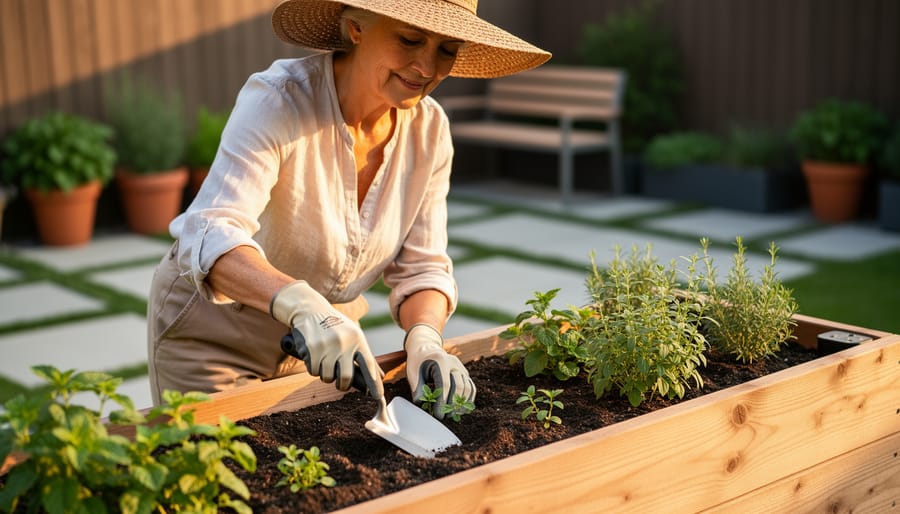
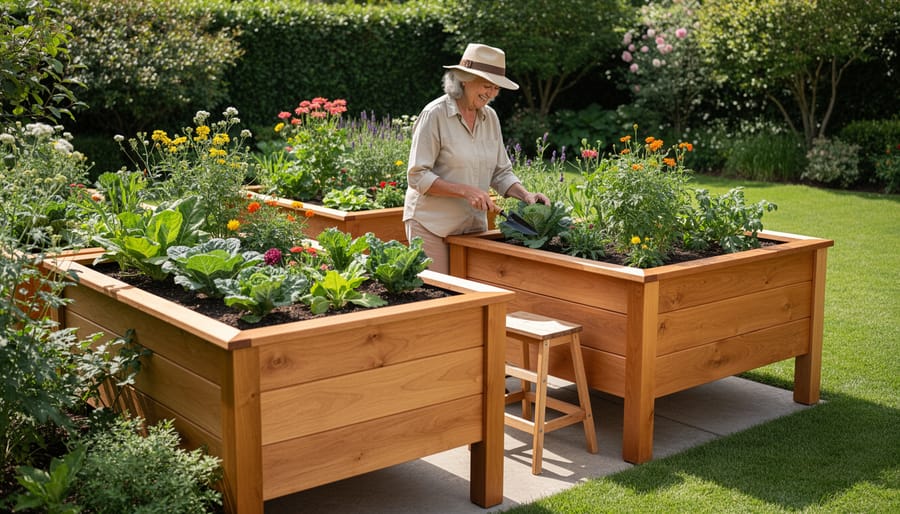
Raised beds might just be the single best investment you can make for comfortable, accessible gardening. I’ve watched countless gardeners rediscover their passion once they realized they could garden without the backache, knee pain, and exhaustion that comes with traditional ground-level beds.
The magic is in the height. For most seated or wheelchair users, aim for beds between 24-30 inches tall. If you’re gardening while standing, 30-36 inches is your sweet spot—high enough that you won’t need to bend repeatedly, but not so high that reaching becomes awkward. I spoke with Margaret Chen, a landscape therapist who designs gardens for senior communities, and she recommends testing different heights before committing. “Sit or stand beside a table and notice where your hands naturally rest,” she suggests. “That’s your ideal bed height.”
Width matters too. Keep beds no wider than 3-4 feet so you can easily reach the center without straining. Length is flexible based on your space, though 6-8 feet works beautifully for most gardens.
Material-wise, you have options. Cedar and redwood resist rot naturally and look gorgeous, though they’re pricier. Composite lumber lasts forever and requires zero maintenance. Even cinder blocks work wonderfully and cost very little—stack them two or three high, fill the gaps with soil, and you’ve got bonus planting spots for herbs.
Many garden centers now sell complete raised bed kits that snap together in minutes—no carpentry skills required. Whatever route you choose, you’re building yourself years of pain-free gardening ahead.
Container Gardens for Maximum Flexibility
Container gardens are absolutely transformative for elderly gardeners, offering flexibility that traditional in-ground beds simply can’t match. I’ve watched my neighbor Betty move her entire garden closer to her patio as her mobility changed, and she hasn’t missed a single growing season.
The beauty of containers is that you can place them at any height that feels comfortable. Set them on sturdy tables, plant stands, or stacked cinder blocks to eliminate bending and kneeling entirely. Position them right beside your favorite chair, and you can tend tomatoes while enjoying your morning coffee.
Choose lightweight pots made from resin or fiberglass rather than heavy ceramic or concrete. A large pot filled with soil becomes quite heavy, so consider filling the bottom third with packing peanuts or plastic bottles to reduce weight without sacrificing drainage. Self-watering containers are game-changers too, reducing the daily watering burden while keeping plants consistently hydrated.
Place your containers where you spend the most time, whether that’s near the back door, on a deck, or by a window where you can monitor them easily. Group plants with similar watering needs together, and use wheeled plant caddies for containers you might want to move occasionally. This approach brings the garden to you, adapting to your needs rather than the other way around.
Creating Comfortable Pathways
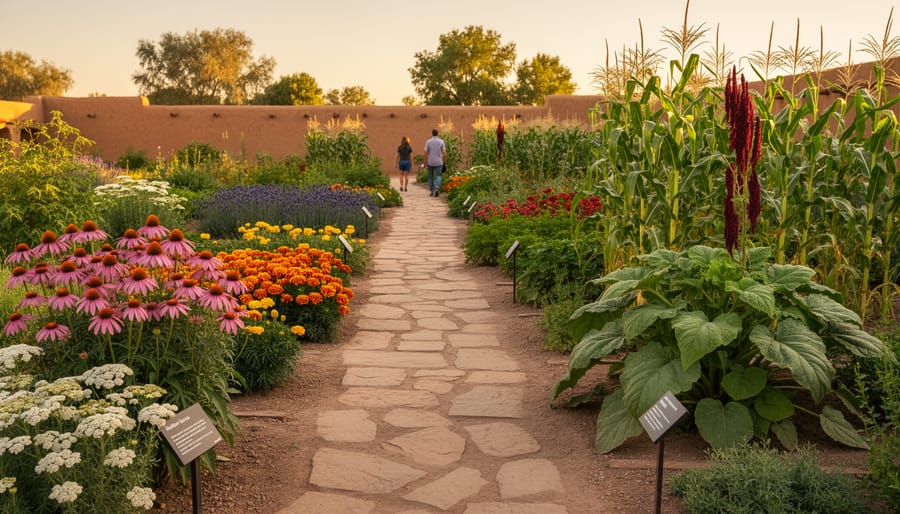
Safe, comfortable pathways transform your garden into an accessible haven where you can move freely and confidently. When designing or updating garden paths, aim for a minimum width of 48 inches to accommodate walkers, wheelchairs, and mobility scooters with ease. Even wider is better if space allows, giving you room to maneuver and turn without stress.
The surface material matters tremendously for safety and comfort. Packed gravel creates a stable, level surface that drains well, while concrete pavers offer excellent durability and slip resistance. Avoid loose materials like wood chips or smooth stones that can shift underfoot. Whatever material you choose, ensure the pathway is level throughout, with gentle slopes rather than steps wherever elevation changes occur.
Don’t forget to plan rest spots along longer pathways. Strategically placed benches or sturdy chairs every 20 to 30 feet give you convenient places to pause, catch your breath, and enjoy your surroundings. I’ve found that adding these seating stations transforms garden walks from exhausting treks into pleasant strolls. Consider positioning benches near your favorite flower beds or in shaded spots where you can comfortably observe wildlife and admire your handiwork throughout the seasons.
Tools and Equipment That Actually Help
Ergonomic Hand Tools Worth the Investment
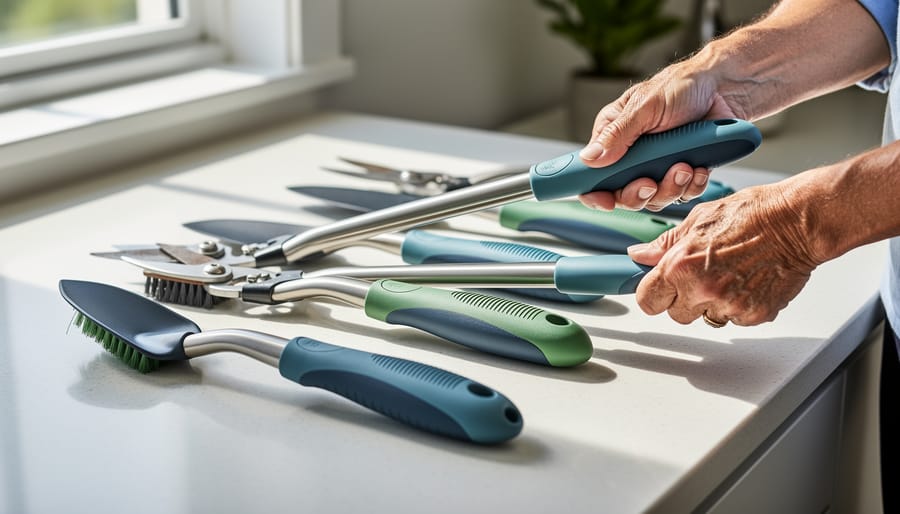
Investing in quality ergonomic tools can genuinely transform your gardening experience, especially when mobility or joint discomfort become concerns. Let me share what makes certain tools worth every penny.
Long-handled tools are game-changers for eliminating that constant bending and kneeling. Look for telescoping handles that adjust to your height, typically ranging from 36 to 60 inches. These work beautifully for weeding, cultivating, and even planting without straining your back. I’ve spoken with gardeners in their seventies who’ve extended their gardening years simply by switching to long-handled versions of their favorite tools.
For those dealing with arthritis or reduced grip strength, tools designed for arthritis feature cushioned, oversized handles that distribute pressure across your palm rather than concentrating it in your fingers. Foam or rubberized grips provide excellent comfort and prevent slipping.
Weight matters more than you might think. Modern adaptive gardening tools use lightweight aluminum or composite materials that reduce fatigue without sacrificing durability. A quality trowel should feel substantial but not heavy.
Pivoting-head tools deserve special mention. Rakes and cultivators with heads that rotate let you work at natural angles without twisting your wrists or shoulders. When shopping, test the pivot mechanism to ensure it moves smoothly but locks securely.
Remember, quality ergonomic tools aren’t just purchases—they’re investments in continuing the gardening life you love.
Wheeled Seats and Kneelers
Mobility in the garden changes everything when it comes to comfort and safety. Garden stools with wheels let you glide between plants without the constant up-and-down that tires knees and tests balance. I’ve watched my neighbor transform her gardening routine with a simple wheeled seat—she now spends twice as long among her roses without the fatigue that used to cut her sessions short.
Kneeler benches deserve special mention for their clever versatility. These ingenious tools flip from a cushioned kneeling platform to a stable seat in seconds. The padded armrests provide sturdy support when lowering down or pushing back up, eliminating the wobbly moments that can lead to falls. Many models fold flat for easy storage, making them perfect for smaller spaces.
Rolling garden carts take functionality even further by combining seating with storage. Picture this: you’re seated comfortably on your cart with tools, seeds, and a water bottle within arm’s reach. No more trips back to the shed or bending to retrieve dropped items. The swiveling seats on quality models let you rotate 360 degrees, reaching plants on all sides without twisting your spine.
These wheeled companions genuinely reduce strain while boosting confidence—you’ll garden longer and safer.
Watering Solutions That Save Energy
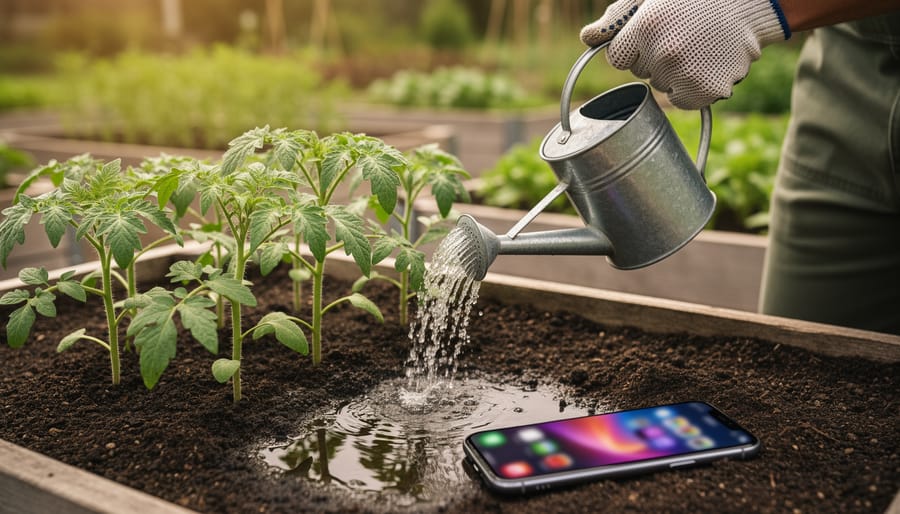
Watering can be one of the most physically demanding garden tasks, but smart solutions make it much easier. Lightweight expandable hoses weigh significantly less than traditional rubber versions, reducing strain on your arms and back. Coiled hoses are particularly wonderful—they stretch when you need them and spring back to a compact size, eliminating the wrestling match of winding heavy hoses.
Consider investing in a watering wand with an extended reach. These simple tools let you water hanging baskets and ground-level plants without bending, stretching, or climbing. Many feature comfortable grips and easy thumb controls that are gentle on arthritic hands.
For the biggest time-saver, explore drip irrigation systems or soaker hoses. These deliver water directly to plant roots and can run on timers, dramatically reducing your daily watering workload. Master gardener Helen Thompson, whom I interviewed last spring, swears by her soaker hoses: “I set them up once in May, and my vegetable beds practically water themselves all summer. It’s freed up so much energy for the parts of gardening I truly enjoy.”
Smart Plant Choices for Low-Maintenance Beauty
Perennials That Return Year After Year
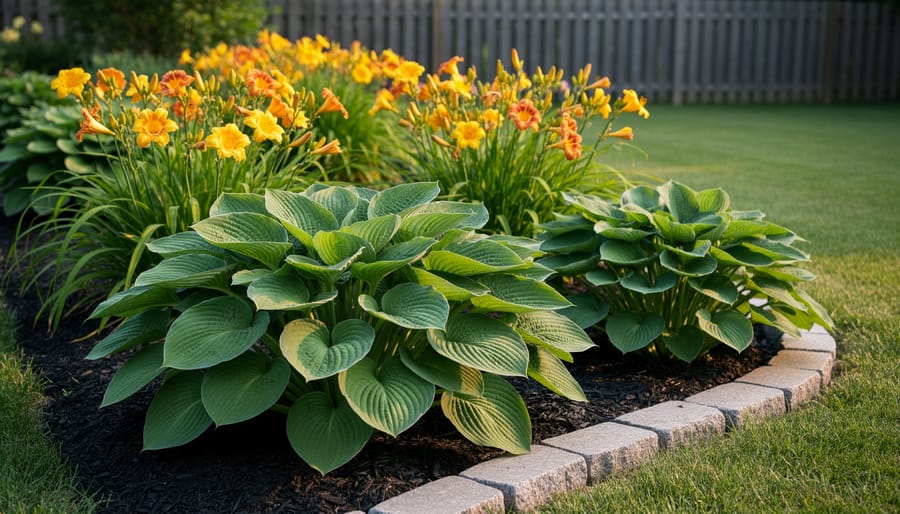
One of the smartest strategies for simplifying your garden routine is choosing perennials that reliably return each spring without fuss. Think of them as your garden’s faithful friends who show up year after year with minimal demands on your time and energy.
Hostas are absolute champions for low-maintenance beauty, thriving in shade where many plants struggle. Once planted, they’ll expand into lush mounds that suppress weeds naturally. Daylilies offer spectacular blooms in sunny spots and are incredibly forgiving—they tolerate drought, poor soil, and even occasional neglect. For hot, dry areas, sedums are your answer. These succulent beauties store water in their fleshy leaves, meaning less watering for you.
The real advantage of perennials goes beyond their hardy nature. By eliminating the need to replant annuals every spring, you’re saving yourself considerable bending, digging, and heavy lifting. That’s precious energy you can redirect toward enjoying your garden rather than laboring in it. I spoke with Master Gardener Helen Torres, who shared, “Switching to perennials at age 68 gave me back my garden joy. I spend more time sipping tea and admiring flowers, less time on my knees.”
Establish these reliable performers once, and they’ll reward you with years of beauty while you garden smarter, not harder.
Vegetables That Practically Grow Themselves
The beauty of vegetable gardening is that many crops practically care for themselves once you get them started. Let me share some wonderful options that reward you with abundant harvests without demanding too much from your back or knees.
Tomatoes top my list, especially when grown in sturdy cages. Choose determinate varieties like ‘Bush Early Girl’ or ‘Patio’ that stay compact and manageable. Once you’ve planted them and added a cage for support, they’ll climb happily on their own without any staking or tying. Just water regularly and enjoy watching them produce.
Lettuce is another champion for easy gardening. It grows quickly, tolerates some shade, and you can harvest outer leaves while the plant keeps producing. I always recommend loose-leaf varieties like ‘Black Seeded Simpson’ or ‘Red Sails’ because they’re so forgiving and don’t require perfect spacing.
Bush beans eliminate all that tedious pole-building and produce generously in a small space. Varieties like ‘Provider’ and ‘Contender’ give you fresh beans throughout the season with minimal fuss. Simply sow seeds directly in the soil and keep them watered.
Don’t overlook herbs, which are incredibly low-maintenance. Basil, parsley, and chives thrive in containers or garden beds and practically beg to be harvested. They’re perfect for adding fresh flavor to meals without requiring any special care beyond occasional watering. These plants truly understand that gardening should be joyful, not exhausting.
Gardening Safely: Preventing Injuries and Overexertion
Timing Your Garden Sessions Right
The best gardening happens when you work with your body’s natural rhythms, not against them. I’ve learned from countless experienced gardeners that timing makes all the difference, especially as we get older.
Plan your garden sessions for early morning or late afternoon when temperatures are cooler and the sun is less intense. Those midday hours? Perfect for a nice cup of tea indoors while you admire your handiwork from a shady spot.
Here’s something I always share: think of gardening in “sprints” rather than marathons. Twenty to thirty minutes of focused activity is ideal. You’ll accomplish more than you think in these shorter bursts, and you’ll actually enjoy it rather than feeling exhausted. Set a gentle timer on your phone if that helps.
Taking breaks isn’t laziness—it’s smart gardening. Every 15-20 minutes, pause to straighten up, stretch, and hydrate. Keep a water bottle within arm’s reach always.
Most importantly, listen to what your body tells you. Feeling tired? That’s your cue to stop, not push through. A little discomfort during stretching is normal, but pain means it’s time to rest. Remember, your garden will be there tomorrow, and you’ll enjoy it much more when you’re refreshed and comfortable.
Sun Protection and Hydration
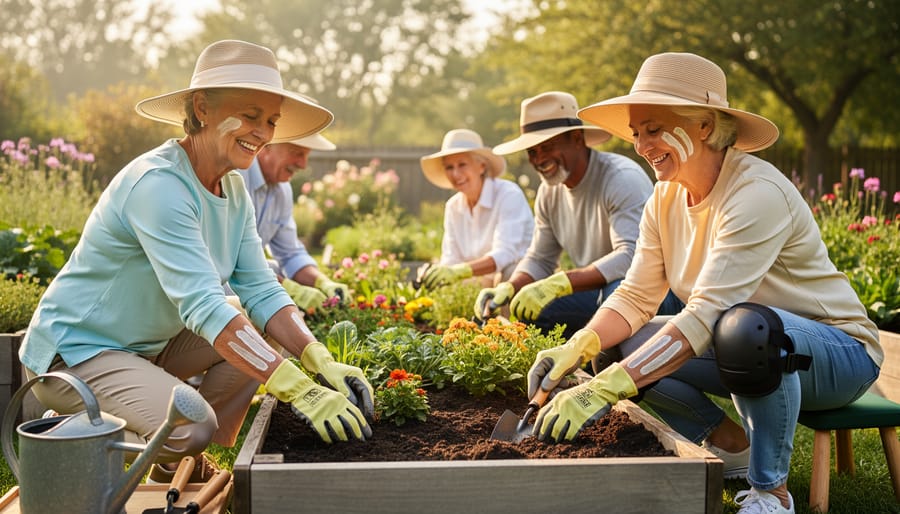
Spending time in the garden during warm weather requires special attention to sun protection and staying properly hydrated. A wide-brimmed hat becomes your best friend, offering essential shade for your face, neck, and ears. I always keep mine hanging by the back door so I never forget it!
Apply a broad-spectrum sunscreen with SPF 30 or higher to all exposed skin, even on cloudy days. Reapply every two hours, especially if you’re perspiring. Consider lightweight, long-sleeved shirts made from breathable fabrics for additional protection without overheating.
Keep a large water bottle within arm’s reach wherever you’re working. Taking regular sips throughout your gardening session prevents dehydration before you feel thirsty. I like to freeze water bottles overnight so they stay cold longer during summer mornings.
Create shaded work areas using patio umbrellas, pop-up canopies, or by positioning yourself near trees and structures. Schedule outdoor tasks for early morning or late afternoon when temperatures are milder.
Watch for warning signs of heat stress: dizziness, excessive fatigue, nausea, or confusion. If you experience any of these symptoms, move to a cool area immediately, drink water, and rest. There’s no shame in calling it a day early when conditions demand it.
Finding Help When You Need It
Recognizing when to ask for help isn’t about giving up control of your garden—it’s about being smart and strategic so you can keep gardening for years to come. Think of it as assembling your garden support team, each member playing a role in keeping your green space thriving.
Start by identifying which tasks genuinely require assistance. Heavy lifting, tilling new beds, moving large containers, major pruning of trees, and seasonal cleanup are perfect candidates for delegation. Meanwhile, you can maintain full ownership of the creative decisions—what to plant, where to place things, and how to nurture your growing plants.
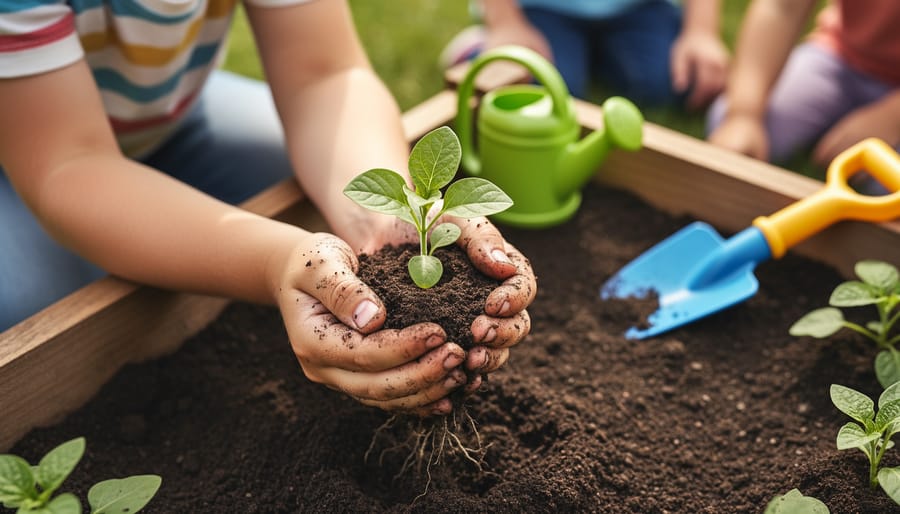
Family members often appreciate being invited to help, especially when you frame it as quality time together. A grandson might enjoy the physical challenge of turning compost, while a daughter could appreciate learning your propagation techniques. Make it a regular date—perhaps Sunday mornings for heavier tasks—and share your gardening knowledge in exchange for their muscle power.
Local community garden programs frequently offer volunteer assistance or buddy systems that pair experienced gardeners with helpers. Senior centers sometimes coordinate garden maintenance services, and some high schools require community service hours—your garden could become a teen’s favorite project.
Don’t overlook professional services for annual tasks. Hiring someone once or twice yearly for major jobs like bed preparation, tree trimming, or fall cleanup is a worthwhile investment in your continued independence. Many landscaping companies offer one-time services without requiring ongoing contracts.
The key is planning ahead. Before your back tells you it’s too much, line up your helpers. Keep a running list of tasks that need extra hands, and you’ll always be ready when assistance becomes available. Your garden remains yours—you’re simply being wise about preserving your energy for the parts you love most.
Gardening doesn’t end with age—it simply evolves into something new. If the thought of modifying your beloved garden feels overwhelming, take a breath and start small. Choose just one or two changes that address your biggest challenges. Perhaps it’s adding a single raised bed near your kitchen door or investing in one ergonomic tool that eases hand strain. These small steps create momentum and prove that you can still nurture the plants you love.
The therapeutic value of sinking your hands into soil and watching seeds transform into blooms or vegetables remains unchanged, regardless of whether you’re tending a quarter-acre plot or three containers on a sunny patio. That connection to the earth, the rhythm of seasons, and the quiet satisfaction of growth transcends any physical limitation.
Remember, the gardening community celebrates adaptations. There’s no single correct way to garden—only your way. Fellow gardeners understand that creativity and persistence matter far more than doing things traditionally. Whether you’re ninety or nineteen, using a kneeler or standing at a raised bed, you’re part of this wonderful community. Keep growing, keep adapting, and keep enjoying every moment spent among your plants.