You’ve noticed something wrong with your lawn, but you can’t quite pin down what it is. “Disease X” isn’t an official name in turf pathology, but rather a catch-all term for unusual lawn symptoms that don’t match the classic signs of common fungal problems like brown patch or dollar spot. The good news? Most mystery lawn issues stem from a handful of overlooked causes, including misdiagnosed fungal infections, pest damage, environmental stress, or chemical injury. Once you understand what you’re really looking at, treatment becomes straightforward.
I’ve spent years helping homeowners decode these puzzling lawn symptoms, and the pattern is almost always the same. Someone spots irregular brown patches, yellowing grass, or strange circular patterns. They search online, find conflicting information, and worry they’re dealing with something exotic or untreatable. In reality, about 80 percent of these cases turn out to be either fairy ring (a fungal issue that creates dark green circles), grub damage beneath the surface, or stress from poor watering practices.
The key is learning to read what your lawn is telling you. Disease symptoms follow predictable patterns based on weather, grass type, and maintenance history. This guide walks you through the identification process step by step, then gives you a clear treatment protocol based on what you actually find. You’ll learn to distinguish between fungal diseases that need fungicide, insect problems that require targeted control, and cultural issues you can fix by adjusting your care routine. No guesswork, no expensive treatments you don’t need.
What Is Disease X and Why Should You Care?
“Disease X” isn’t a specific lawn disease you’ll find in any field guide. It’s a catch-all term for unusual or emerging turf problems that don’t match the standard roster of common lawn diseases. When your grass shows symptoms that puzzle even experienced gardeners, maybe irregular patches that don’t look like dollar spot, discoloration that doesn’t fit brown patch patterns, or decline that defies typical seasonal timing, you’re dealing with what we call Disease X.
These mystery diseases might be new fungal strains adapting to changing climate conditions, bacterial infections rarely seen in residential lawns, or viral pathogens that haven’t been widely studied in turfgrass. Sometimes they’re known diseases behaving differently due to unusual weather, stressed grass varieties, or interactions with other lawn stressors. The “X” represents the unknown factor that makes diagnosis challenging without professional testing.
Early identification matters because unknown diseases can spread faster than familiar ones, especially when homeowners delay treatment hoping the problem will resolve itself. While dollar spot typically spreads predictably and responds to known fungicides, Disease X might resist standard treatments or spread through unexpected pathways. The longer you wait, the more turf you’ll lose and the harder recovery becomes.
What sets Disease X apart from common diseases is unpredictability. Brown patch forms circular patterns in hot, humid weather. Dollar spot creates silver-dollar-sized bleached spots. Disease X breaks these rules, it might appear in cool weather when fungal diseases should be dormant, spread in irregular shapes that defy explanation, or affect only certain grass species in your mixed lawn. This unpredictability demands a different approach: careful observation, documentation, and often professional diagnosis rather than grabbing the first fungicide off the shelf.
Identifying Disease X on Your Lawn
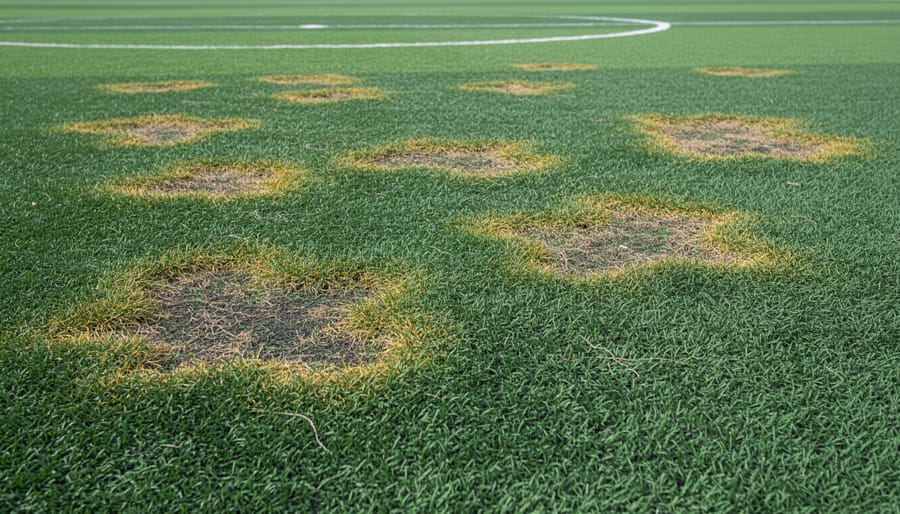
Common Signs and Symptoms
Start by examining individual grass blades for discoloration that doesn’t match typical disease patterns. Disease X often presents as irregular yellowing, reddening, or browning that spreads outward from random points rather than the circular patterns you’d see with dollar spot. The affected areas might have a mottled appearance, almost like watercolor bleeding across the leaf surface.
Watch for unusual wilting patterns, especially when soil moisture is adequate. Healthy adjacent grass standing tall while sections collapse suggests a pathogen rather than drought stress. You might notice the grass feels slimy or unusually brittle to the touch.
Check the base of grass plants for fuzzy fungal growth, white, gray, or pinkish cottony masses clinging to stems early in the morning. These disappear as the day warms but indicate active infection.
Look for spots or lesions on blades that seem irregular in shape or color. Unlike the well-defined spots of common diseases, Disease X lesions often have fuzzy borders or unusual hues like purple-tinged edges.
Finally, trust your nose. A strong musty, sour, or rotting smell near affected turf, especially after rain, signals microbial activity worth investigating.
When to Seek Professional Diagnosis
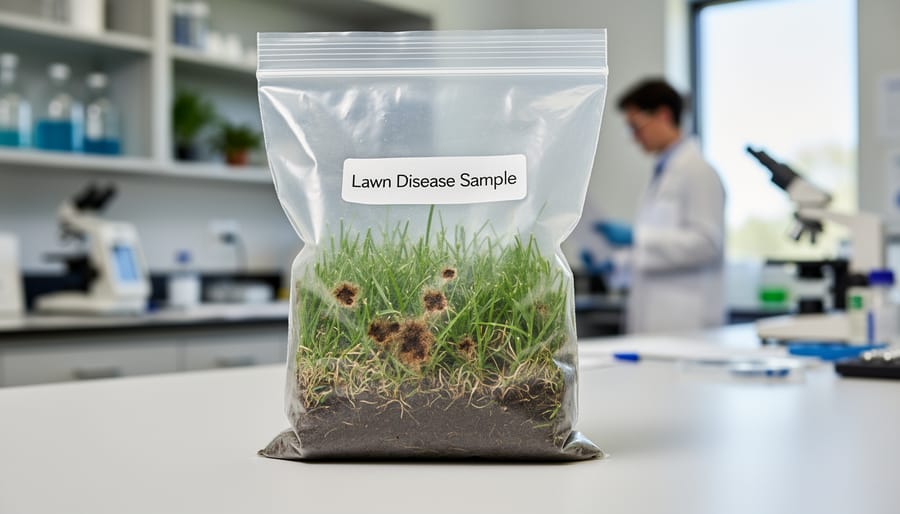
If you’ve followed the identification steps and still can’t pinpoint the problem, or if symptoms worsen despite treatment, it’s time to call in expertise. A professional diagnosis becomes essential when discoloration patterns don’t match any known disease, when multiple treatments fail, or when the affected area expands rapidly despite your efforts. University extension offices and certified turfgrass pathologists can identify pathogens through microscopic analysis and lab cultures that home tests can’t detect.
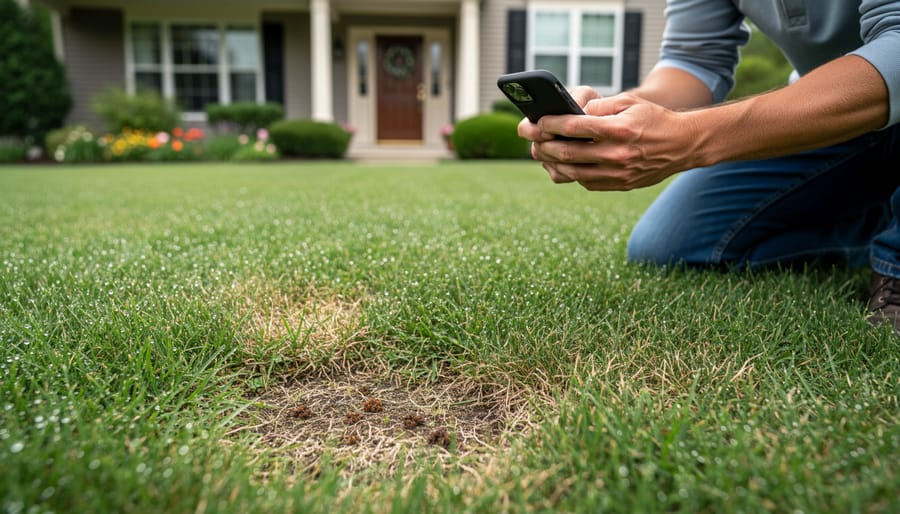
When collecting samples, take them from the border zone where disease meets healthy turf, not from the dead center of damage. Include soil with the grass plug, and photograph the larger context before cutting. Extension agents can also visit larger properties for field diagnosis, though fees vary. If widespread decline threatens your entire lawn or symptoms suggest a systemic issue like nematodes or soil contamination, professional assessment prevents costly mistakes and wasted effort on ineffective treatments.
Tools and Materials You’ll Need
Gathering the right tools before you start makes identifying and treating Disease X much more efficient. You don’t need to spend a fortune, many essential items are inexpensive or already in your garden shed, though a few targeted investments will pay off in faster diagnosis and better results.
Essential Tools and Materials:
- Diagnostic tools: magnifying glass or jeweler’s loupe (10x magnification), smartphone with good camera, zipper-lock bags for sample collection, ruler or measuring tape
- Safety equipment: nitrile or latex gloves, N95 mask or respirator, long sleeves and pants, closed-toe shoes
- Treatment supplies: broad-spectrum fungicide (synthetic or organic options like neem oil), granular or liquid spreader, watering can or backpack sprayer, soil amendments (compost, mycorrhizae)
- Monitoring tools: garden stakes and string for marking boundaries, notebook or garden journal, soil pH test kit
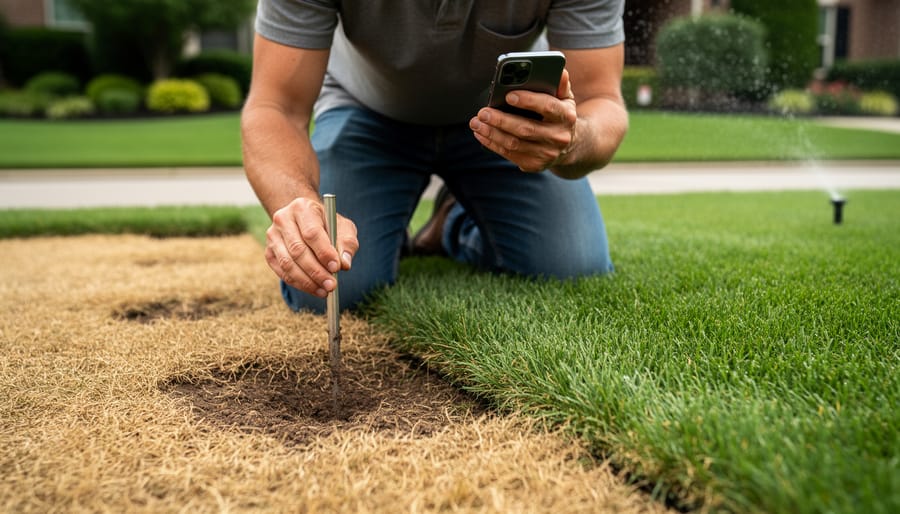
The magnifying glass helps you spot fungal structures, spores, or insect damage that’s invisible to the naked eye. Your phone camera documents symptoms for comparison over time and lets you share images with extension agents if you need expert diagnosis. Sample bags keep potentially diseased material contained while you arrange testing.
For treatment application, a pump sprayer works well for small areas under 500 square feet, while larger lawns benefit from a backpack sprayer that reduces fatigue. If you’re applying granular products, a broadcast spreader ensures even coverage and prevents over-application that could stress your turf further. Start with what you have, then upgrade based on your lawn’s size and your comfort level with the treatment process.
Safety Precautions Before You Begin
Before you start treating Disease X, protect yourself, your family, and the environment with a few simple precautions. Treating an unknown lawn disease requires more caution than routine maintenance because you don’t yet know what pathogen you’re dealing with.
Wear protective gear when working in affected areas. Long sleeves, long pants, and closed-toe shoes create a barrier between you and potentially irritating fungal spores or bacterial material. Disposable gloves are essential when handling diseased turf or applying treatments, and consider wearing safety glasses if you’re removing plant material that might release spores into the air. A dust mask or N95 respirator protects your respiratory system during work that disturbs the grass, especially on dry days when spores travel easily.
Keep children and pets away from treatment areas until the work is complete and any applied products have dried completely. If you’re using fungicides or other treatments, read the label carefully and follow the manufacturer’s re-entry interval, which tells you how long to wait before allowing foot traffic. Store all treatment products in their original containers, out of reach of children and pets, and never mix chemicals unless the labels explicitly say it’s safe.
Dispose of diseased grass clippings responsibly. Don’t add them to your compost pile where the pathogen might survive, and don’t blow them onto neighboring properties. Bag the material in sealed containers and check with your local waste management about yard waste disposal, some municipalities have facilities that handle diseased plant material properly.
Finally, think beyond your property line. If Disease X proves severe, let your neighbors know so they can watch for similar symptoms. Environmental responsibility means containing the problem early rather than letting it become a neighborhood issue.
Step-by-Step Treatment Process
Step 1: Isolate the Affected Area
The moment you spot suspicious symptoms, your first priority is containment. Mark the affected area’s perimeter with stakes and brightly colored string or spray paint, go at least two feet beyond visible damage, since pathogens often spread farther than symptoms show. Post a temporary sign or flag to warn family members and visitors to stay off. Foot traffic compresses soil, stresses grass, and worst of all, carries disease spores on shoes to healthy turf elsewhere.
Skip mowing this zone entirely until you’ve diagnosed and treated the problem. Mower blades slice through infected tissue, then distribute spores across your entire lawn with each pass. If you must mow nearby areas, do those first, clean the mower deck thoroughly with a 10% bleach solution, and tackle the suspicious patch last, or better yet, wait.
Step 2: Remove Severely Damaged Turf
Before applying any treatment, you need to assess whether damaged turf can recover or should be removed. If grass blades are completely brown, mushy to the touch, or easily pull away from the soil in clumps, removal prevents the disease from using that dead material as a continued food source.
Use a sharp spade to cut around the affected patches, digging 2-3 inches deep to capture roots and any infected thatch layer. Work carefully to avoid flinging debris into healthy areas. Place removed turf directly into heavy-duty garbage bags, never compost diseased lawn material or leave it on your property. Seal bags immediately and dispose through regular trash collection. After removal, sanitize your tools with a 10% bleach solution before touching healthy turf.
Step 3: Apply Broad-Spectrum Treatment
When you can’t pinpoint the exact pathogen, a broad-spectrum fungicide offers your best chance at stopping Disease X. Look for products containing azoxystrobin, propiconazole, or a combination of active ingredients, these cover most fungal culprits. Read the label carefully and apply at the manufacturer’s recommended rate; more isn’t better and can damage your turf or create resistant strains.
Timing matters as much as product choice. Apply treatments early morning or late evening when temperatures are cooler and the grass is dry. Avoid treating in direct sunlight or when rain is forecast within 24 hours. For organic alternatives, consider neem oil or copper-based fungicides, though these work best as preventatives rather than curative treatments. You’ll likely need to reapply every 7-14 days depending on weather conditions and disease pressure.
Mix your fungicide in a clean sprayer, wear gloves and eye protection, and apply evenly across the affected area plus a two-foot buffer zone around it. Water lightly afterward if the label directs, some products need moisture to activate while others perform better staying on the leaf surface. Keep pets and children off the treated area until it’s completely dry.
Step 4: Adjust Cultural Practices
Once you’ve treated the immediate threat, shifting your lawn’s daily routine creates an environment that discourages reinfection while helping damaged turf rebuild. These adjustments work alongside treatment, not as replacements, think of them as changing the conditions that let Disease X take hold in the first place.
Water deeply but less often. Switch from daily shallow watering to two or three deep soakings per week, applying about an inch each time. This encourages deeper root growth and reduces the surface moisture that fungi thrive in. Water early morning so blades dry by midday.
Hold off on heavy fertilization. Skip nitrogen-rich feeds until recovery is visible, lush, soft growth is more susceptible to disease. A light application of balanced, slow-release fertilizer after three weeks supports steady regrowth without triggering vulnerability.
Raise your mower deck. Set blades to cut at the upper end of your grass type’s range (typically 3-4 inches for cool-season lawns). Taller grass shades soil, retains moisture at the root zone rather than the surface, and recovers faster from stress.
Aerate if soil is compacted. Core aeration improves drainage and airflow at the root level, reducing the damp, stagnant conditions diseases exploit. Schedule this after visible recovery begins, not during active infection. These cultural shifts prevent lawn diseases from gaining a foothold again, turning your turf into a tougher target long-term.
Verifying Treatment Success
After you’ve completed the treatment steps, give your lawn two to three weeks before expecting visible improvement. Disease recovery doesn’t happen overnight, and rushing to additional treatments can do more harm than good.
Start by checking the affected area every three to four days. Take photos from the same angle and distance each time, your phone’s camera is perfect for this. Date each photo so you can compare progress week by week. What feels like slow improvement in daily observation often shows dramatic change when you review photos from two weeks prior.
Watch for these positive indicators that your treatment is working:
- New grass blades emerging from the crown, even if surrounding tissue looks damaged
- Green color returning to previously yellowed or brown areas, starting from the edges inward
- The affected zone stops expanding, the boundary you marked initially remains stable
- Adjacent healthy turf maintains its vigor without developing similar symptoms
- Visible improvement appears within 10-14 days for bacterial issues, 3-4 weeks for fungal problems
If you see no improvement after four weeks, or if the condition worsens despite treatment, it’s time to reassess. The pathogen might be resistant to your chosen treatment, or you could be dealing with an environmental issue rather than a disease. At this point, collect fresh samples and contact your local extension office for lab analysis. Sometimes what looks like Disease X turns out to be irrigation problems, soil compaction, or even herbicide drift from a neighbor’s property.
Keep a simple journal noting weather conditions, watering schedule, and any changes you observe. This documentation proves invaluable if you need professional help later, and it’ll guide your preventive efforts going forward.
Expert Insights: Interview with Dr. Sarah Chen, Turfgrass Pathologist
Q: Dr. Chen, what’s the most important thing homeowners should understand about unusual lawn diseases?
The biggest mistake I see is jumping straight to treatment without proper identification. When someone spots something unfamiliar, their instinct is to spray whatever fungicide is handy. But applying the wrong product wastes money and can actually make things worse by stressing an already compromised lawn. Take photos, note the pattern and timing, and if you’re truly stumped, reach out to your local extension office. We can often identify issues from good photos, or guide you on sample collection for lab analysis.
Q: Are we really seeing more “mystery” lawn diseases than in the past?
Yes and no. Climate patterns are shifting, which means pathogens that were historically limited to certain regions are showing up in new areas. I’ve diagnosed Pythium in lawns that never dealt with it before because we’re getting warmer, wetter springs. At the same time, homeowners have more information access now, so they’re noticing problems they might have previously ignored. That heightened awareness is actually positive, early detection makes treatment far more effective.
Q: When should someone genuinely worry versus just monitoring the situation?
Worry if you see rapid spread, symptoms expanding noticeably day to day, or if large sections are dying rather than just looking stressed. Those scenarios demand quick action. But if you’ve got a few isolated patches that aren’t growing, keep an eye on them for a week while adjusting your watering schedule. Many issues resolve themselves when cultural practices improve. I tell people: photograph it today, then again in five days. That comparison tells you whether you need intervention or patience.
Q: What’s your top prevention recommendation?
Water deeply but infrequently, and always in early morning. Most fungal diseases thrive when grass stays wet for extended periods. Shallow, frequent watering creates that perfect storm. Give your lawn an inch per week in one or two sessions, finishing by 10 a.m. so foliage dries quickly. That single habit prevents more disease problems than any fungicide ever will.
Preventing Future Outbreaks
The best defense against Disease X is a lawn so healthy that opportunistic pathogens can’t gain a foothold. Building disease resistance doesn’t require a complicated regimen, it’s about consistent, smart practices that strengthen your turf from the roots up.
Start with your soil. Healthy soil creates healthy grass, and healthy grass resists disease naturally. Test your soil every two to three years to understand its pH and nutrient profile, then amend accordingly. Most lawn grasses thrive in slightly acidic soil (pH 6.0-7.0), and correcting pH imbalances makes nutrients more available to your turf.
Fertilize strategically rather than heavily. Excessive nitrogen produces lush, soft growth that’s vulnerable to disease. Apply slow-release fertilizer at recommended rates for your grass type, typically in spring and fall for cool-season grasses, or during active growth periods for warm-season varieties. Split applications into smaller doses rather than dumping everything at once.
Water deeply but infrequently, encouraging deep root growth that anchors plants against stress. Early morning watering (between 4 and 9 a.m.) allows foliage to dry before evening, when fungal spores germinate most readily. Aim for one inch per week, including rainfall, delivered in one or two sessions rather than daily sprinkling.
Here are core preventive practices organized by focus area:
- Soil health: Aerate compacted areas annually, add compost topdressing to improve biology, maintain proper pH
- Cultural practices: Mow at the highest recommended height for your grass type, sharpen mower blades regularly, remove thatch buildup over half an inch
- Variety selection: Choose disease-resistant cultivars adapted to your climate, overseed with improved varieties every few years
- Monitoring routines: Walk your lawn weekly during growing season, photograph any changes, keep notes on weather patterns and symptoms
Consider your lawn as an ecosystem, not a monoculture. Diverse microbial life in the soil competes with pathogens and produces natural disease suppressants. Avoid broad-spectrum fungicides unless absolutely necessary, as they eliminate beneficial organisms along with harmful ones.
Frequently Asked Questions
Can Disease X kill my entire lawn?
While severe cases can cause significant damage, most unknown lawn diseases rarely kill an entire lawn if caught early and treated properly. The key is quick identification and containment to prevent spread, along with proper cultural practices to support recovery.
How much does professional diagnosis typically cost?
Lab testing through university extension services usually costs between $15 and $50 per sample, making it an affordable option for homeowners. Private lab services may charge $75 to $150 but often provide faster results and more detailed analysis.
Are lawn disease treatments safe for pets and children?
Many organic treatments like neem oil or compost tea are safe immediately after application. Chemical fungicides typically require keeping pets and children off the lawn for 24 to 48 hours after application, or until the product has dried completely, always read and follow label instructions carefully.
How long until I see improvement after treatment?
You should notice reduced disease activity within one to two weeks if the treatment is effective, though full lawn recovery may take four to eight weeks depending on severity. New growth and color return are good signs, while continued spreading indicates you may need to adjust your approach.
Should I treat Disease X myself or hire a professional?
Start with DIY treatment if the affected area is small and you can identify likely causes, but call a professional if the disease spreads rapidly despite treatment, covers more than 25% of your lawn, or returns repeatedly after multiple treatment attempts.
Can I prevent Disease X from coming back?
Prevention focuses on creating conditions that discourage disease: water deeply but infrequently, maintain proper mowing height, ensure good drainage and air circulation, and choose disease-resistant grass varieties suited to your region. Healthy, stress-free lawns naturally resist most pathogens better than struggling turf.
Beyond these common questions, remember that every lawn situation is unique. If you’re seeing symptoms that don’t respond to standard treatments or you’re uncertain about your diagnosis, reaching out to your local extension office can save you time, money, and stress. They’ve seen countless lawn problems in your specific area and can offer guidance tailored to local conditions and common regional diseases. Don’t hesitate to document your observations with photos and notes, this information becomes invaluable whether you’re troubleshooting on your own or consulting with an expert.
Dealing with an unknown lawn disease can feel unsettling, but you’re now equipped with the tools and knowledge to tackle it confidently. The key takeaway? Early observation and quick action make all the difference. Most mysterious lawn ailments respond well to treatment when you catch them early, isolate the problem, and adjust your care routine.
Remember that your lawn’s best defense isn’t a reactive treatment, it’s the foundation of healthy practices you build every day. Consistent watering, appropriate fertilization, proper mowing height, and good soil health create turf that’s naturally resistant to disease pressure. Think of it as building your lawn’s immune system.
Your experience matters, and lawn care is a learning journey we’re all on together. Have you encountered unusual symptoms in your turf that didn’t fit the typical disease descriptions? Did you try a treatment approach that worked particularly well, or one that didn’t? We’d love to hear about it. Share your story, ask questions, or swap tips with fellow gardeners in the Bluestem Gardening community. Together, we learn what works in real yards, not just textbooks. Your healthy lawn starts with knowledge, patience, and a willingness to observe and adapt.