Check your local zoning ordinances before purchasing materials, as fence height restrictions vary dramatically between municipalities and even individual neighborhoods. Most cities limit front yard fences to 3-4 feet while allowing backyard fences up to 6-8 feet, but violations can result in costly removal requirements.
Measure from ground level on the higher side if your property slopes, since code enforcement officers typically assess height from the tallest point. This seemingly small detail prevents disputes with neighbors and ensures your beautiful garden fence stays compliant from the start.
Request a property survey or locate your boundary markers before positioning fence posts, as encroaching even a few inches onto neighboring land creates legal headaches that overshadow any gardening project. Your fence line determines not just privacy but also defines the growing space you’ll work within for years to come.
Standard residential fence heights exist for practical reasons beyond bureaucracy. Front yard regulations maintain sightlines for driver safety and preserve neighborhood aesthetics, while taller backyard fences provide the privacy many gardeners crave when creating outdoor sanctuaries. These measurements have evolved through decades of balancing individual property rights with community needs.
Understanding these standards empowers you to design garden spaces confidently. Whether you’re planning a picket fence to frame your cottage garden or a privacy fence to shelter tender plants from wind, knowing the rules transforms fence installation from a gamble into a straightforward project. The right fence height enhances your garden’s functionality while keeping you on good terms with both neighbors and local officials.
Why Fence Height Rules Exist (And Why They Matter to You)
You might wonder why your local municipality cares so much about how high you build your garden fence. Trust me, I thought the same thing when I first started planning a privacy fence around my vegetable garden! But after chatting with city planners and experienced neighbors, I discovered these regulations actually protect us all in surprisingly practical ways.
Safety sits at the heart of most fence height rules. Picture this: you’re backing out of your driveway, and a six-foot fence blocks your view of the sidewalk where children might be walking or cycling. Corner lot regulations specifically address this concern, typically requiring shorter fences near intersections to maintain clear sightlines for both drivers and pedestrians. It’s about preventing accidents before they happen.
Then there’s the matter of property line considerations. Height restrictions help prevent disputes between neighbors by establishing clear expectations from the start. I’ve heard too many stories from fellow gardeners whose relationships with neighbors soured over fence disagreements that could have been avoided by following local codes.
Community aesthetics play a role too, though this might seem less critical at first glance. Consistent fence heights throughout a neighborhood maintain property values and create visual harmony. Your beautiful cottage garden deserves an equally thoughtful border, right?
These regulations also ensure emergency access. Firefighters and first responders need to navigate properties quickly, and excessively tall fences can create dangerous obstacles during emergencies.
The bottom line? These rules aren’t bureaucratic red tape designed to frustrate your gardening plans. They’re protective measures developed from decades of real-world experiences, balancing your privacy needs with community safety and harmony. Understanding this perspective makes compliance feel less like a restriction and more like good neighboring.
The Standard Fence Heights You Need to Know
Front Yard Fences: The 3 to 4-Foot Rule
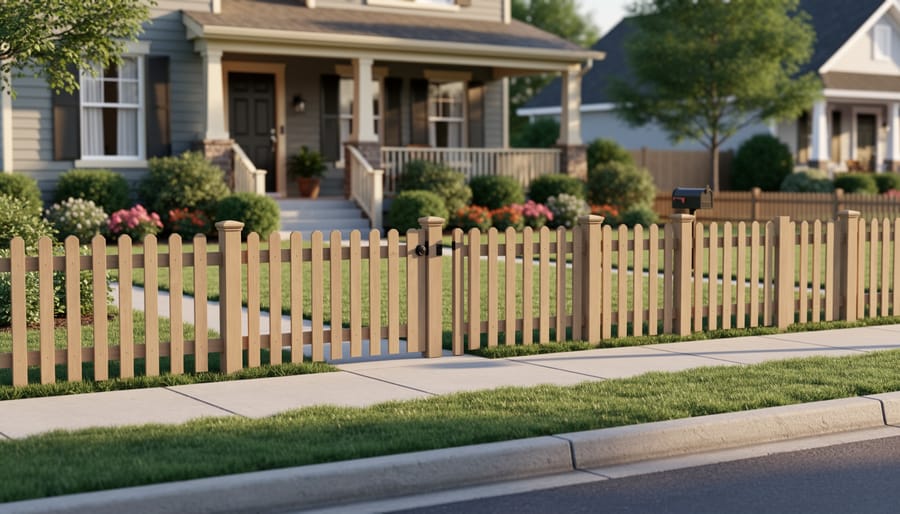
If you’ve ever wondered why front yard fences tend to look shorter and more open than their backyard counterparts, you’re not alone! Most communities set front yard fence height limits between 3 and 4 feet, and there’s actually good reasoning behind this restriction.
The main purpose of keeping front fences lower is visibility and safety. Municipal planners want to ensure drivers and pedestrians can see clearly at intersections and driveways. Imagine backing out of your driveway with a 6-foot fence blocking your view of oncoming traffic or children riding bikes down the sidewalk. Lower fences create what planners call “sight triangles,” which help everyone navigate the neighborhood safely.
There’s also an aesthetic consideration at play. Front yards contribute to the overall character of your street, and communities often want to maintain an open, welcoming feel. A shorter fence still defines your property and keeps the dog from wandering while preserving that neighborhood connection many of us value.
Here’s where it gets interesting for corner lot owners. If your property sits at an intersection, you might face even stricter regulations because your “front yard” essentially faces two streets. Some municipalities require corner lot fences to be as low as 2.5 feet within a certain distance from the intersection, creating adequate visibility for drivers approaching from either direction.
Before you start planning that charming picket fence around your vegetable garden, check with your local building department. Some areas make exceptions for decorative plantings or allow taller fences if they’re set back a certain distance from the property line, giving you more flexibility than you might expect.
Backyard and Side Yard Fences: The 6 to 8-Foot Standard
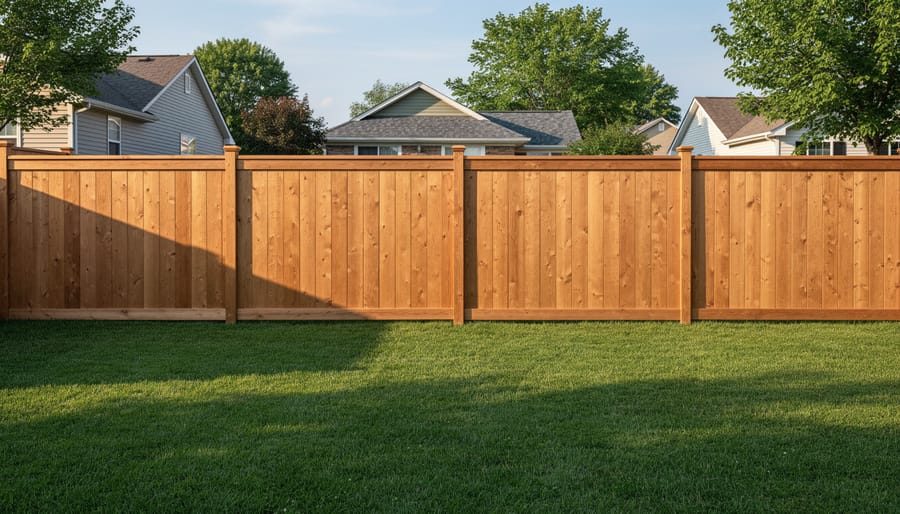
When you’re creating a private sanctuary for your garden or outdoor living space, that’s where the 6 to 8-foot fence truly shines. These taller structures are the go-to choice for backyards across most communities, and there’s good reason for their popularity.
A 6-foot fence is typically the sweet spot that most municipalities approve without requiring special permits. It provides excellent privacy for everything from vegetable gardens to outdoor dining areas, blocking sightlines from neighboring properties while you’re tending your tomatoes or enjoying a quiet morning coffee. When I interviewed landscape designer Maria Chen last spring, she mentioned that 6-foot fences work beautifully for most homeowners who want to create intimate garden rooms without feeling closed in.
The 8-foot option comes into play when you need extra privacy or wind protection for delicate plants, though you’ll likely need approval from your local planning office first. These taller barriers can create microclimates that benefit tender perennials and extend your growing season by blocking harsh winds.
Side yards present an interesting middle ground. Many communities allow 6-foot fences here, splitting the difference between the lower front yard requirements and the generous backyard allowances. This makes sense when you consider that side yards often contain utility areas, compost bins, or garden storage that benefit from screening.
Before settling on your fence height, always verify your local codes. What works perfectly in one neighborhood might require variance approval just a few miles away.
Special Cases: Pool Fences and Agricultural Properties
Pool fences deserve special attention since they’re governed by strict safety regulations rather than just property boundaries. Most jurisdictions require pool enclosures to stand at least 4 feet tall, with many mandating 5 feet to prevent young children from climbing over. These fences must also include self-closing, self-latching gates positioned high enough that little ones can’t reach them. I’ve learned from fellow gardeners that incorporating climbing roses or clematis on these taller fences creates both beauty and safety around your backyard oasis.
Rural and agricultural properties operate under different rules entirely. If you’re lucky enough to garden on farmland, you’ll likely find more flexibility with fence heights. Agricultural fencing for livestock often ranges from 4 to 6 feet depending on the animals involved, while perimeter fences might have minimal restrictions. However, even in agricultural zones, always verify local requirements before building, as some counties still enforce height limits near roadways or neighboring residential properties.
Understanding Setback Requirements
Before you start measuring posts and planning your garden fence, let’s talk about setbacks – one of those behind-the-scenes details that can make or break your project. Think of setbacks as invisible boundary lines that determine where you can actually place your fence, not just how tall it can be.
A setback is simply the required distance between your fence and your property line, or between your fence and other features like sidewalks, roads, or structures. Most communities require fences to sit anywhere from a few inches to several feet inside your property line rather than directly on it. I learned this lesson when helping my neighbor plan her vegetable garden fence – we discovered she needed to keep it six inches back from the boundary, which initially felt frustrating but ultimately prevented future disputes.
The relationship between setbacks and height restrictions works together like this: even if your area allows a six-foot privacy fence, you might only be able to build it that tall if it’s positioned a certain distance from the property line. Build it closer, and you may need to drop the height. This sliding scale exists because taller structures closer to boundaries can create issues with sight lines, sunlight access, and neighborly goodness.
You’ll also need to consider easements, which are designated areas where utility companies or municipalities maintain access rights. Fences in easement zones often face stricter regulations or may be prohibited entirely. Similarly, right-of-way areas – typically found along streets and sidewalks – come with their own setback requirements to maintain clear sight lines for drivers and pedestrians.
Your local zoning office can provide a site map showing exactly where setbacks and easements affect your property. Bring this information to your planning phase, and you’ll avoid the heartbreak of building something beautiful that needs to be relocated or removed.
How Local Codes Can Change Everything
Here’s something I learned the hard way when I installed my first garden fence: those standard heights we talked about earlier? They’re really just starting points. The actual height you’re allowed to build can vary dramatically depending on where you live, and ignoring these local rules can lead to some expensive headaches.
Think of standard fence heights as general guidelines rather than universal laws. Your municipality might follow them closely, or they might have completely different requirements based on local priorities and community character. I’ve seen neighboring towns with fence regulations that differ by several feet, even though they’re just minutes apart.
Homeowners associations deserve special mention here. If you live in an HOA community, their rules often supersede even the most permissive municipal codes. Some associations limit fence heights to maintain sight lines or preserve a particular aesthetic. I once spoke with a gardener who had to redesign her entire vegetable garden layout because her HOA wouldn’t approve the six-foot fence she’d planned for privacy. She ended up creating a beautiful tiered garden with a shorter fence that actually worked better with her space.
Historic districts add another layer of complexity. These areas typically have strict design requirements to preserve architectural character, which can affect not just height but also materials, colors, and styles. The approval process might take longer too.
The takeaway? Before you buy a single post, checking local building codes is absolutely essential. Visit your municipal office or check their website for zoning regulations. If you have an HOA, request their architectural guidelines. This research might feel tedious, but it’s infinitely easier than tearing down a fence that doesn’t comply.
Before You Dig: Your Pre-Construction Checklist
Ready to turn your fence dream into reality? Let’s walk through the essential steps before breaking ground.
Your first stop should be your local building department. I know, paperwork isn’t exactly exciting, but trust me—a quick phone call or website visit can save you from costly mistakes. Ask specifically about height restrictions, setback requirements (how far from property lines your fence must be), and whether permits are required. Many municipalities have different rules for front yards versus backyards, so get clarity on both.
While you’re at it, inquire about utility easement restrictions that might affect fence placement. These underground utilities can seriously impact where you’re allowed to build, and it’s much easier to adjust your plans now than after installation.
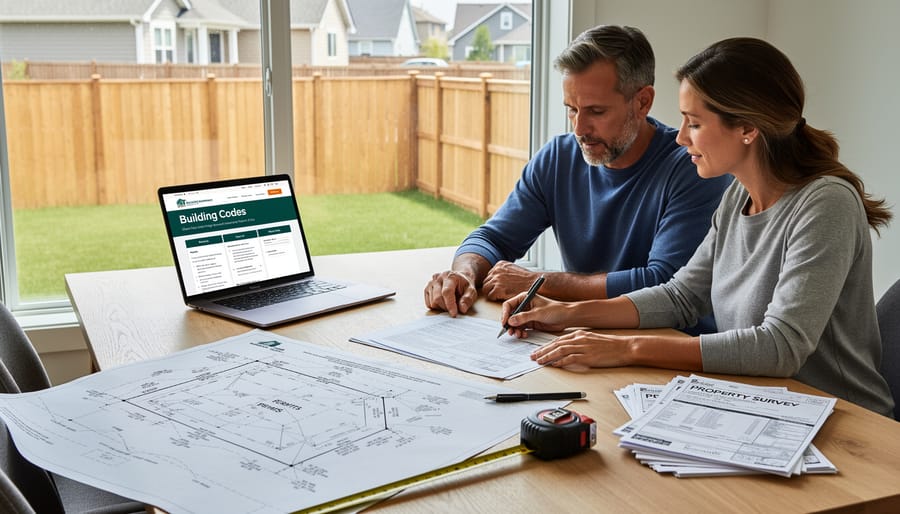
Next, locate your property survey. This document shows your exact property boundaries and prevents the awkward situation of accidentally building on your neighbor’s land. Don’t have a copy? Check with your title company, mortgage lender, or county recorder’s office. If you can’t find one, consider hiring a surveyor—it’s a worthwhile investment.
Now comes the neighborly conversation. Before submitting any paperwork, chat with adjacent property owners about your plans. A friendly heads-up goes a long way, and they might even share helpful insights about local permits and regulations from their own experience. Plus, some areas require neighbor signatures on permit applications, so building goodwill early makes the process smoother.
Finally, if permits are required, gather your documents—property survey, site plan showing fence location, and specifications including height and materials. Submit your application and wait for approval before purchasing materials or hiring contractors. Patience here prevents expensive do-overs.
Following these steps might seem time-consuming, but you’ll sleep better knowing your beautiful new fence is completely compliant and conflict-free.
Smart Alternatives When Height Restrictions Feel Limiting
When height restrictions feel discouraging, remember that vertical privacy isn’t your only option. I’ve discovered some wonderfully creative approaches over the years that work beautifully within local codes while still giving you that sense of seclusion in your garden.
Layered plantings are my favorite solution. Think of it as building privacy in tiers rather than straight up. Place your maximum-allowed fence as the backdrop, then position tall ornamental grasses like miscanthus or switchgrass just in front. Add mid-height shrubs closer to your garden paths, and finish with perennials at ground level. This creates a natural privacy screen that feels abundant rather than restricted.
Living hedges offer another fantastic alternative. While they take patience to establish, hedges like arborvitae, boxwood, or privet can grow taller than fence restrictions allow in many areas. Just verify local ordinances, as some communities regulate plant heights too.
Consider raising your garden beds by 12 to 18 inches and topping them with your maximum allowed fence height. This clever trick gains you extra visual privacy without technically exceeding height limits. The elevated beds also improve drainage and make gardening easier on your back, which is a win-win situation.
Strategic landscape design can work wonders too. Position a pergola with climbing vines near your seating area, create angled fence sections that block sightlines without extending height, or use decorative panels and trellises that add interest while maximizing your allowable measurements. Sometimes creativity matters more than pure height.
Before you pick up that first post or call a contractor, take a moment to check your local fence codes. I know it might feel like one more task on an already lengthy to-do list, but trust me when I say these regulations are actually your friends. Think of them as helpful guidelines that protect your investment and keep neighborly relationships strong. A quick phone call to your municipal office or a visit to their website can save you from the headache of rebuilding a fence that doesn’t meet requirements.
Proper planning truly does prevent costly mistakes. Nobody wants to tear down a newly built fence because it’s six inches too tall or positioned three feet too close to the property line. By doing your homework upfront, you’re setting yourself up for success and peace of mind.
The beauty of understanding these rules is that you can work creatively within them to design the perfect garden boundary. Whether you’re dreaming of a charming picket fence framing your rose beds or a privacy screen to shelter your vegetable garden, there’s a compliant solution waiting for you. With the right research and a positive attitude, you’ll create the garden sanctuary you’ve been imagining, all while staying on the right side of local regulations. Happy fencing!