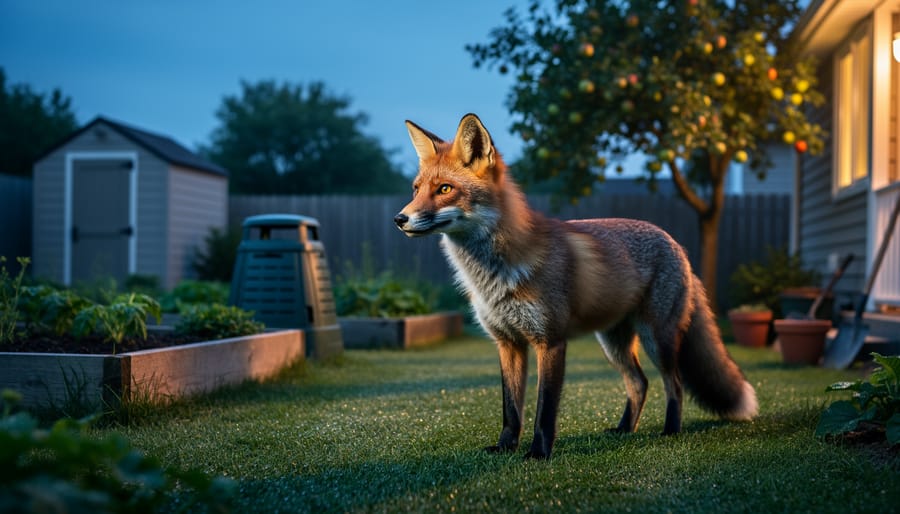
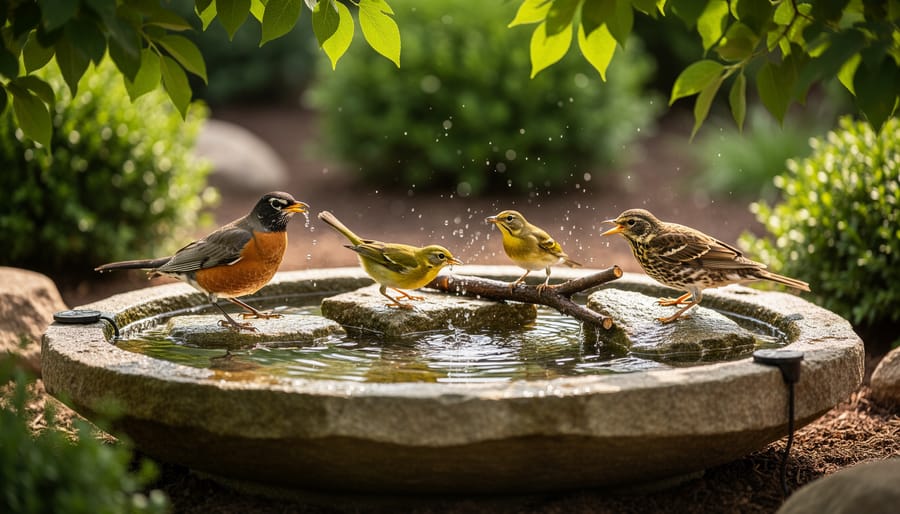
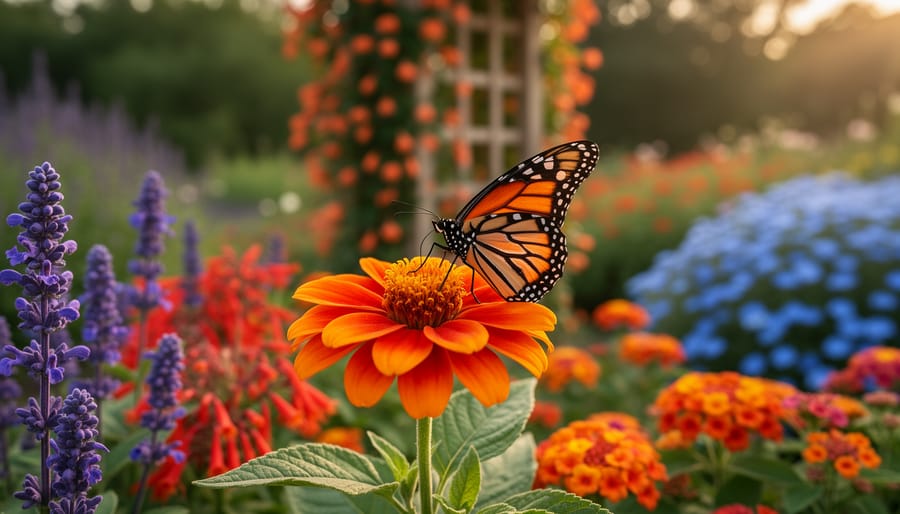
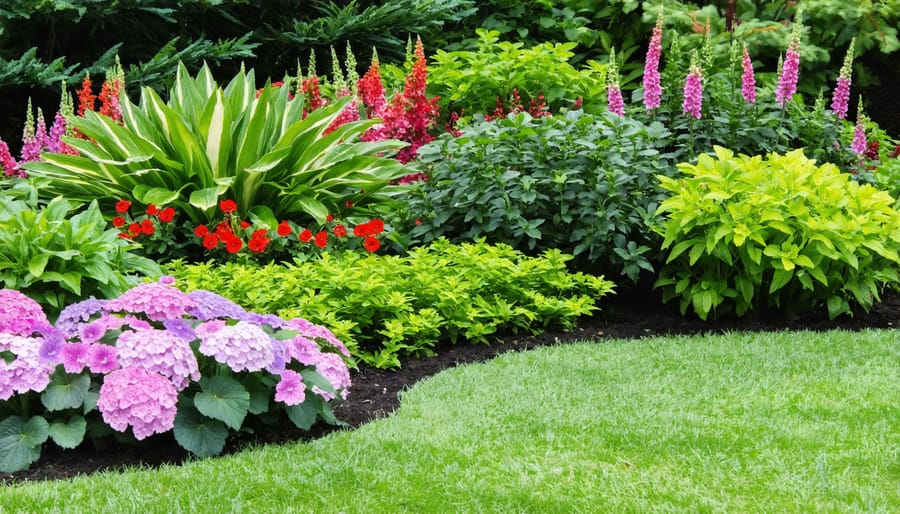
Transform your garden into a thriving ecosystem by planting diverse native species in layers – ground covers, perennials, shrubs, and canopy trees create multiple habitats that support local wildlife. Select plants with different blooming seasons to provide year-round food sources for pollinators and ensure continuous color. Incorporate at least three varieties of each plant type to protect against disease and pest outbreaks while creating resilient plant communities. Understanding how biodiversity makes your garden thrive allows you to create self-sustaining spaces that require less maintenance and chemical intervention. Mix plants with varying root depths and growth patterns to maximize soil health and nutrient cycling, while including both sun-loving and shade-tolerant species ensures every space in your garden contributes to the ecosystem. Choose plants with different textures, heights, and forms to create diverse microhabitats that attract beneficial insects and birds, naturally controlling pest populations.
Why Plant Diversity Matters in Your Garden
Natural Pest Control
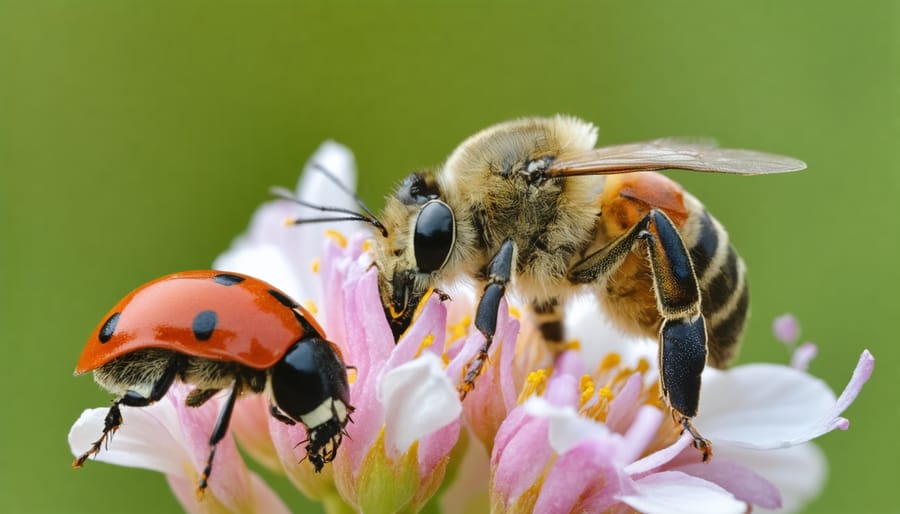
Creating a garden that attracts beneficial insects is like building a natural defense system for your plants. When you include flowers like marigolds, lavender, and yarrow in your garden, you’re actually inviting helpful predatory insects that feed on common garden pests. For instance, ladybugs and lacewings are particularly fond of these flowers and will happily feast on aphids that might otherwise damage your vegetables.
Companion planting takes this concept even further. By strategically placing aromatic herbs like basil, mint, and rosemary throughout your garden, you create confusion for pest insects while attracting pollinators and beneficial predators. Nasturtiums act as excellent trap crops, drawing harmful insects away from your primary plants, while dill and fennel provide perfect habitats for parasitic wasps that control caterpillar populations.
The key to successful natural pest control lies in diversity. By maintaining a variety of plant species, you create multiple layers of protection. Some plants release natural compounds that repel pests, while others provide shelter for beneficial insects. This balanced ecosystem reduces the need for chemical pesticides and creates a healthier, more sustainable garden environment.
Soil Health Enhancement
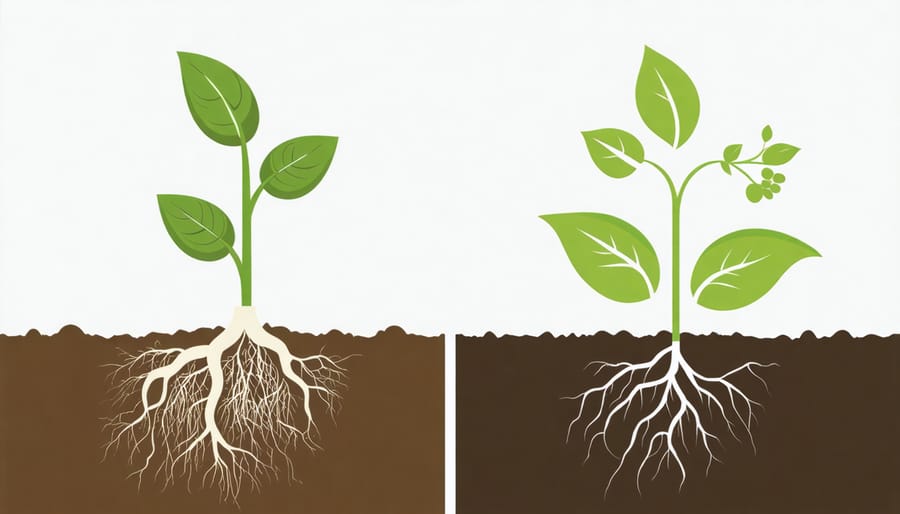
Different plants play unique roles in maintaining and improving soil health, creating a natural cycle of soil enhancement. Deep-rooted plants like comfrey and dandelions act as nutrient miners, pulling minerals from deep within the earth and making them available to shallow-rooted plants. Legumes, such as peas and beans, form partnerships with beneficial bacteria to fix nitrogen in the soil, naturally fertilizing your garden.
Cover crops like clover and rye grass protect soil from erosion while adding organic matter when turned under. Their extensive root systems help break up compacted soil, improving drainage and aeration. Meanwhile, plants with fibrous root systems, like native grasses, create a web-like structure that holds soil particles together.
The diversity of plant life above ground contributes to soil health through fallen leaves, spent blooms, and natural decay. This organic material feeds beneficial microorganisms and earthworms, which further enhance soil structure. When different plant types grow together, their varied root depths and nutrient needs create a more balanced, resilient soil ecosystem that supports continued garden growth.
Creating Plant Communities That Work Together
Companion Planting Strategies
Companion planting is one of the most effective strategies for creating a thriving, biodiverse garden. By strategically placing plants that benefit each other, you can naturally enhance growth, deter pests, and create a more resilient garden ecosystem.
One classic combination is the “Three Sisters” method, developed by Native American farmers, which involves growing corn, climbing beans, and squash together. The corn provides support for the beans, while the beans fix nitrogen in the soil, and the squash’s large leaves help retain moisture and suppress weeds.
Herbs are excellent companion plants throughout the garden. Basil planted near tomatoes improves their flavor and repels common pests. Marigolds are another garden superhero, protecting various vegetables from harmful nematodes while adding cheerful color to your beds. Nasturtiums act as a sacrificial plant, drawing aphids away from your prized vegetables while providing edible flowers.
For fruit trees, consider planting chives or garlic at the base to prevent fungal diseases. Lavender not only attracts pollinators but also helps protect nearby plants with its strong scent that confuses many pest insects.
Remember to include flowering plants like calendula, borage, and zinnia throughout your vegetable garden. These flowers attract beneficial insects that help with pollination and natural pest control. As experienced gardener Maria Rodriguez notes, “A garden without flowers is like a party without music – it’s missing that essential element that brings everything to life.”
When planning your companion planting strategy, start small and observe what works in your specific garden conditions. Some plants, like black walnut trees, can inhibit the growth of others, so it’s important to research compatible combinations for your space.
Layering Your Garden
Creating a garden with vertical diversity is like building a natural skyscraper, where each level plays a crucial role in supporting biodiversity. Start by planning your garden in layers, beginning with tall trees or large shrubs that form your canopy layer. These provide shelter and food for birds while creating partial shade for understory plants.
Beneath the canopy, incorporate medium-height shrubs and tall perennials as your middle layer. Plants like salvias, butterfly bush, and native flowering shrubs create excellent wildlife corridors and feeding stations for pollinators. This middle zone acts as a transition space, connecting the upper and lower layers of your garden.
The herbaceous layer comes next, featuring plants that typically grow between one and three feet tall. Think of classic garden perennials like coneflowers, black-eyed susans, and native grasses. These plants provide essential ground coverage while offering nectar sources for beneficial insects.
Don’t forget the ground layer, where low-growing plants like creeping thyme, sedums, and native groundcovers create a living mulch. This layer helps prevent soil erosion, retains moisture, and provides habitat for ground-dwelling insects and small wildlife.
Finally, include climbing plants to connect the layers vertically. Vines like native honeysuckle or clematis can grow up trellises or trees, creating natural bridges between different heights in your garden.
Remember to choose plants with different blooming times to ensure year-round interest and food sources for wildlife. This layered approach not only creates a visually stunning garden but also mimics natural ecosystems, supporting a greater variety of life forms in your outdoor space.
Essential Plant Groups for a Diverse Garden
Native Plants
Native plants are the backbone of any healthy ecosystem, having evolved alongside local wildlife over thousands of years. These botanical treasures play a crucial role in maintaining biodiversity by providing food and shelter for native insects, birds, and other wildlife that have specifically adapted to depend on them. When planning your native garden design, remember that local plant species are perfectly suited to your area’s climate and soil conditions.
What makes native plants so special is their deep-rooted connections within the local ecosystem. For instance, monarch butterflies rely specifically on milkweed for survival, while many of our native bees have co-evolved with specific wildflowers. These relationships create a vibrant web of life that supports everything from microscopic soil organisms to larger mammals.
Native plants also require less maintenance once established, as they’re naturally adapted to local rainfall patterns and temperatures. They typically don’t need additional watering beyond their establishment period and resist local pests without chemical interventions. This makes them not only environmentally friendly but also cost-effective for gardeners.
By incorporating native plants into your garden, you’re essentially creating a living sanctuary that helps preserve local biodiversity. Even a small native plant garden can serve as a stepping stone for wildlife moving through urban areas, connecting larger natural habitats and supporting the overall health of your local ecosystem.
Pollinator-Friendly Plants
Creating a vibrant, pollinator-friendly garden design starts with choosing the right plants that attract and sustain beneficial insects throughout the growing season. Native flowers like coneflowers, black-eyed susans, and bee balm are excellent choices that have evolved alongside local pollinators, providing them with familiar sources of nectar and pollen.
Consider incorporating herbs such as lavender, oregano, and thyme, which not only attract bees and butterflies but also serve double duty in your kitchen. For early spring pollinators, plant crocuses and snowdrops to provide essential food when other sources are scarce. Summer-blooming favorites like butterfly weed, Joe Pye weed, and native asters create a continuous buffet for beneficial insects.
Don’t forget about evening pollinators! Night-blooming flowers like evening primrose and moonflower attract moths and other nocturnal insects that play crucial roles in your garden’s ecosystem. For late-season support, include fall-blooming plants such as goldenrod and New England asters to help pollinators prepare for winter.
Remember to cluster similar plants together in groups of three or more – this makes it easier for pollinators to spot and visit flowers efficiently. Also, choose plants with different flower shapes and sizes to accommodate various pollinator species, from tiny solitary bees to larger butterflies and hummingbirds.
Ground Covers and Support Plants
Ground covers and support plants play a vital role in creating a thriving, biodiverse garden ecosystem. These unsung heroes of the garden world do much more than just fill empty spaces – they protect soil from erosion, retain moisture, and create microhabitats for beneficial insects and small wildlife.
Low-growing plants like creeping thyme, sedum, and wild strawberries form living carpets that suppress weed growth while adding beautiful texture to your garden. These ground covers also help regulate soil temperature, keeping roots cool in summer and protected during winter months.
Support plants, often called companion plants, work alongside other species to enhance overall garden health. Clover, for instance, fixes nitrogen in the soil, making it available to neighboring plants. Yarrow attracts pollinators and beneficial insects while its deep roots help break up compacted soil. White alyssum acts as a natural pest deterrent while providing a stunning carpet of tiny white flowers.
In woodland gardens, shade-loving ground covers like pachysandra and wild ginger create naturalized areas that mirror forest floor ecosystems. For sunny spots, consider drought-tolerant options like creeping phlox or ice plant, which provide both soil protection and seasonal color displays.
By incorporating these hard-working plants into your garden, you’re not just creating beautiful ground-level interest – you’re building a foundation for a more resilient and interconnected garden ecosystem.
Maintaining Your Diverse Garden
Once you’ve established your diverse garden, the next step is to maintain garden biodiversity through consistent care and attention. Start by implementing a rotating maintenance schedule that addresses different plant groups throughout the seasons. This approach helps ensure that all your plants receive the care they need without becoming overwhelming.
Water management is crucial – different plants have varying water needs, so group species with similar requirements together. Consider installing a drip irrigation system with multiple zones to make watering more efficient and targeted. Remember to mulch regularly with organic materials, which helps retain moisture, suppress weeds, and gradually enriches your soil.
Pruning and deadheading should be done selectively and at the right time for each species. Some plants benefit from regular trimming, while others thrive when left relatively untouched. Keep detailed notes about when different plants bloom and set seed, as this information will help you time your maintenance activities perfectly.
Pay attention to plant interactions – some species work together beautifully, while others might compete too aggressively. If you notice certain plants struggling, consider relocating them to more suitable spots in your garden. Don’t be afraid to make adjustments as you learn what works best in your specific environment.
Pest management in a diverse garden typically requires less intervention, as beneficial insects help maintain natural balance. However, monitor your plants regularly for signs of trouble and address issues promptly using organic methods whenever possible. Remember that a few insects or slight damage is normal and even beneficial for maintaining a healthy ecosystem.
As we’ve explored throughout this article, plant biodiversity is more than just a buzzword – it’s the key to creating thriving, sustainable gardens that benefit both nature and ourselves. By incorporating a variety of plants in your garden, you’re not only creating a more resilient ecosystem but also providing essential resources for pollinators, beneficial insects, and local wildlife.
Remember that every garden, no matter how small, can contribute to biodiversity. Start by choosing plants that bloom at different times throughout the season, mixing heights and textures, and including both native and adaptive species. Consider adding flowering perennials, herbs, and even some wild corners where nature can take its course.
The rewards of embracing plant diversity are endless – from more successful harvests to reduced pest problems and a garden that’s beautiful year-round. As you plan your next gardening project, challenge yourself to think beyond the usual choices and experiment with new plant combinations. Your garden will become not just a space for growing plants, but a living ecosystem that supports local biodiversity and brings joy throughout the seasons.
Take that first step today – even adding just one new plant species can make a difference in your garden’s biodiversity.