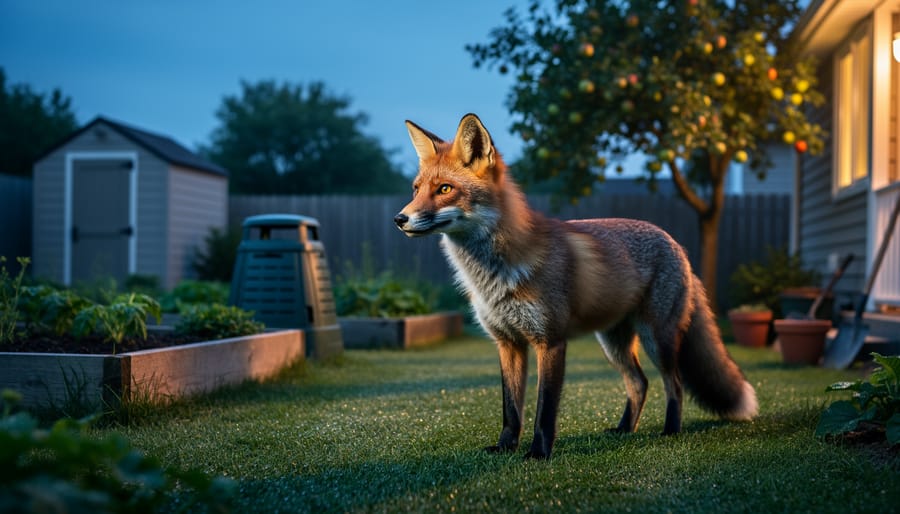
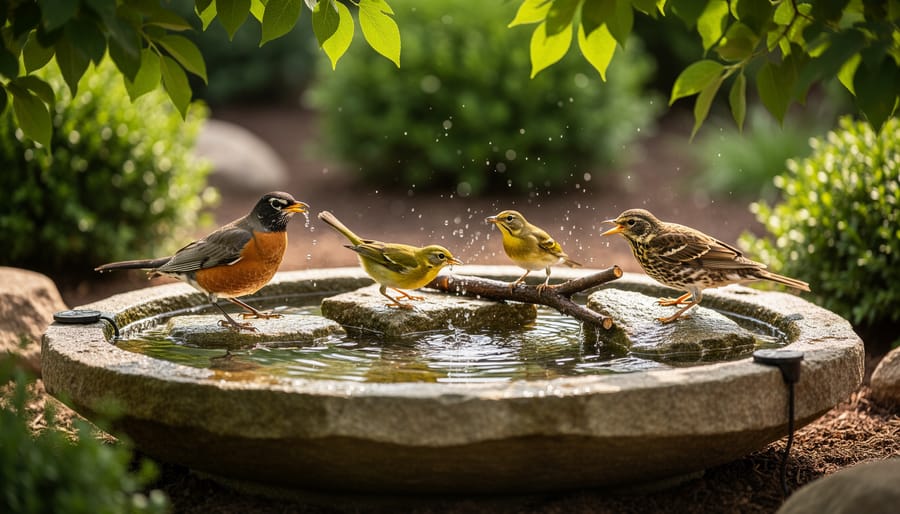
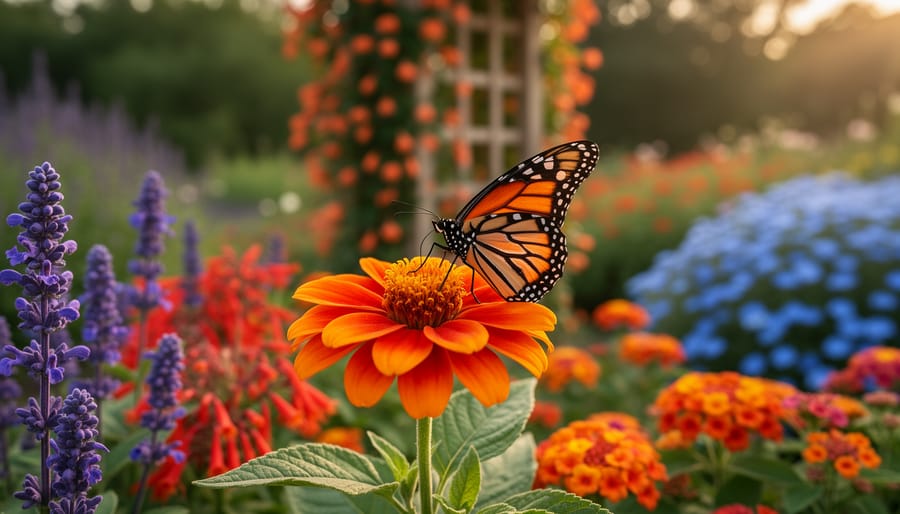
As cities expand and natural habitats shrink, our backyards have become crucial sanctuaries for local wildlife. Converting ordinary gardens into urban gardens as wildlife habitats creates vital corridors that help animals thrive within our concrete jungles. From resourceful raccoons to adaptable songbirds, urban wildlife demonstrates remarkable resilience in navigating human-dominated landscapes. This unexpected coexistence offers unique opportunities for gardeners to support biodiversity while enjoying closer encounters with nature.
Recent studies reveal that wildlife-friendly urban gardens can support up to 8,000 species of plants and 2,000 species of insects, making them significant contributors to local ecosystems. As climate change and habitat loss threaten wildlife populations, these green spaces become increasingly important stepping stones between larger natural areas. By understanding and embracing the role our gardens play in urban wildlife conservation, we can create thriving spaces that benefit both human residents and their wild neighbors.
For gardeners looking to make a difference, this fascinating intersection of urban living and wildlife preservation opens up exciting possibilities for creative, eco-conscious garden design. Let’s explore how to transform your outdoor space into a wildlife sanctuary while maintaining its beauty and functionality.
Common Urban Wildlife You Can Attract
Birds and Pollinators
Urban gardens serve as vital sanctuaries for a diverse array of birds and beneficial insects. Common visitors like robins, chickadees, and finches not only bring life and song to our outdoor spaces but also help control garden pests naturally. These feathered friends are particularly attracted to native plants that provide seeds and berries throughout the seasons.
Pollinators, including bees, butterflies, and hoverflies, play an essential role in our urban ecosystems. Even small gardens can support these important creatures by offering nectar-rich flowers like lavender, cosmos, and native wildflowers. Creating a pollinator-friendly garden doesn’t require much space – even a few containers on a balcony can make a difference.
To attract and support these welcome visitors, consider incorporating a mix of flowering plants that bloom at different times throughout the year. A shallow water source, like a bird bath or small pond, can provide necessary hydration for both birds and insects. Leaving some areas slightly wild, with fallen leaves and natural debris, creates perfect habitats for beneficial insects that help maintain your garden’s natural balance.
Helpful Garden Creatures
Your garden can be home to numerous beneficial creatures that act as natural pest controllers and ecosystem supporters. Toads and frogs are excellent allies, consuming countless slugs, snails, and harmful insects. These amphibians typically emerge at dusk, making them perfect nighttime guardeners.
Hedgehogs are particularly valuable garden residents, feeding on slugs, snails, and various garden pests. Creating small gaps in fences and providing water sources can encourage these spiky friends to visit regularly. Similarly, garden snakes, while sometimes startling, are actually helpful predators that keep rodent populations in check.
Many lizards species adapt well to urban environments and help control insects. Common species like skinks and geckos can often be spotted sunbathing on rocks or walls before darting off to catch their next meal. Even small mammals like shrews contribute by eating insects and grubs that might otherwise damage your plants.
To attract and keep these helpful creatures, consider providing shelter such as log piles, rock gardens, or purpose-built hibernation boxes. Remember to avoid using chemical pesticides, which can harm these beneficial garden allies.
Creating Wildlife-Friendly Garden Features
Water Sources and Mini Ponds
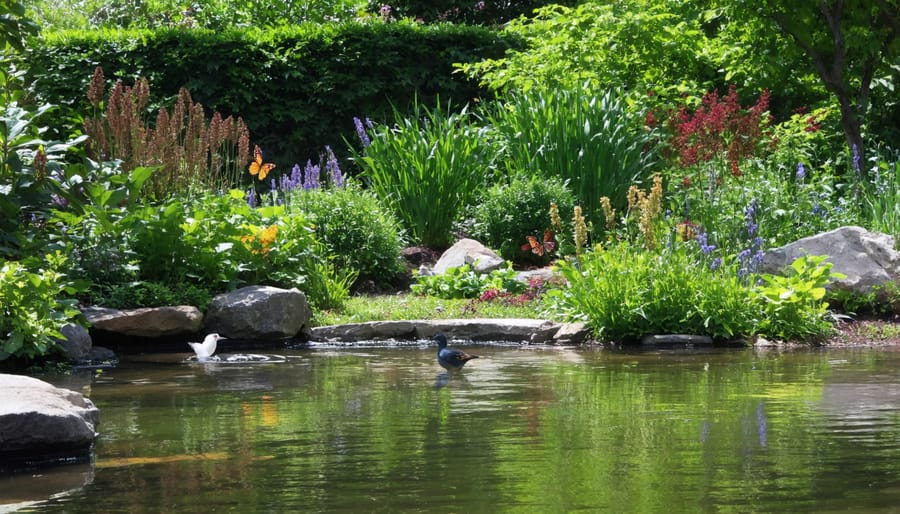
Water is essential for wildlife, and creating accessible water sources in your urban garden can attract a variety of fascinating creatures. Even a small water feature can become a vital resource for birds, insects, and small mammals in your neighborhood.
The simplest way to start is with a shallow bird bath. Place it at ground level or elevated, but ensure there are nearby shrubs or trees where birds can quickly retreat if they feel threatened. Remember to keep the water fresh and clean it regularly to prevent mosquito breeding.
For a more substantial project, consider installing a mini pond. A container pond can be created using a large pot, wooden half-barrel, or a specially designed wildlife pond liner. Aim for varying depths, with shallow edges allowing creatures to enter and exit safely. Include aquatic plants like water lilies and marginals, which provide shelter and breeding spaces for amphibians and insects.
To maintain your water feature year-round, remove fallen leaves regularly and top up water levels during dry spells. In winter, float a small ball on the surface to prevent complete freezing, ensuring wildlife still has access to drinking water. Adding a solar-powered pump can keep water moving, which attracts more wildlife and reduces algae growth.
Remember that even the smallest water source can make a significant difference to urban wildlife, so don’t feel discouraged if you only have space for a modest feature.
Natural Shelter and Nesting Sites
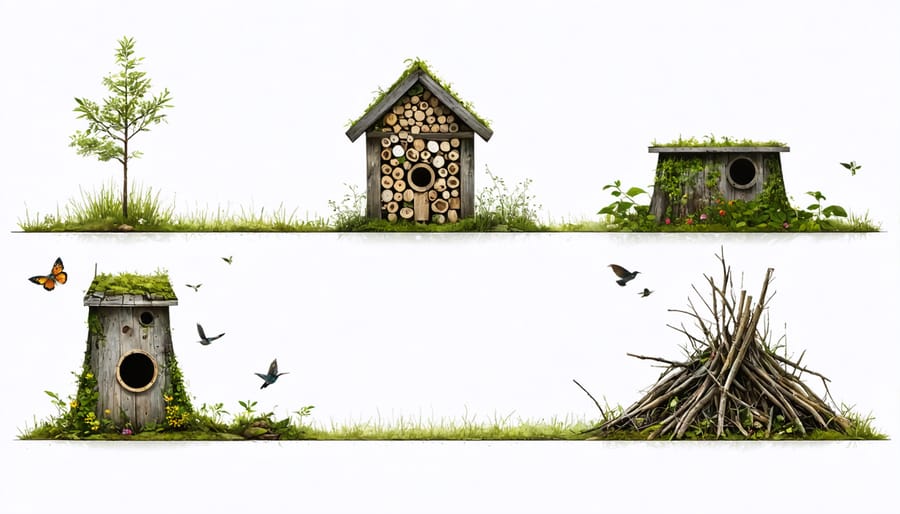
Creating natural shelters in your urban garden is one of the most rewarding ways to support local wildlife. Birds, small mammals, and beneficial insects all need safe spaces to rest, breed, and raise their young. The good news is that providing these havens doesn’t require a complete garden overhaul!
Start by preserving dead tree stumps and fallen branches when safe to do so. These create perfect homes for beetles, woodpeckers, and other cavity-dwelling creatures. If you’re tidying up your garden, consider leaving a small pile of logs in a quiet corner – what might look like garden debris to us is prime real estate for hedgehogs and other small mammals.
Dense shrubs and climbing plants offer excellent nesting sites for birds. Plants like ivy, honeysuckle, and native shrubs provide both shelter and food sources. Try to create different layers of vegetation, from ground cover to tall bushes, as different species prefer different heights for their homes.
Installing ready-made homes can also make a huge difference. Bird boxes, bee hotels, and hedgehog houses are all fantastic additions to any garden. Position these away from prevailing winds and direct sunlight, and try to place them where predators can’t easily access them.
Remember, the key is to create a network of safe spaces throughout your garden. Even small actions, like leaving patches of long grass or creating a brush pile, can provide vital shelter for urban wildlife.
Wildlife-Friendly Plant Selection
Creating a wildlife-friendly garden starts with selecting the right plants that provide food, shelter, and nesting sites for various species. The key to success lies in choosing native plants that naturally attract and sustain local wildlife.
For birds, consider planting berry-producing shrubs like elderberry, serviceberry, and winterberry. These provide essential food sources throughout different seasons. Sunflowers and coneflowers not only add vibrant colors to your garden but also offer seeds that attract finches, chickadees, and cardinals.
To support local pollinators, include nectar-rich flowers such as butterfly weed, bee balm, and native wildflowers. These plants ensure a steady food supply for bees, butterflies, and beneficial insects throughout the growing season.
Don’t forget about creating layers in your garden. Tall trees like oaks and maples provide nesting sites and shelter, while shrubs like dogwood and viburnum offer mid-level coverage. Ground-level plants like ferns and native grasses provide shelter for small mammals and reptiles.
For year-round wildlife support, incorporate evergreen shrubs and trees that offer winter shelter and food. Plants with hollow stems or dense growth patterns make excellent overwintering sites for beneficial insects and other small creatures.
Maintaining Balance in Your Wildlife Garden
Natural Pest Control Methods
Nature provides some of the most effective solutions for garden pest control, and encouraging beneficial wildlife can help keep your garden healthy without harmful chemicals. Birds, particularly chickadees, wrens, and sparrows, are excellent natural pest controllers, feeding on insects that might otherwise damage your plants. By installing bird feeders and providing water sources, you can attract these helpful garden allies year-round.
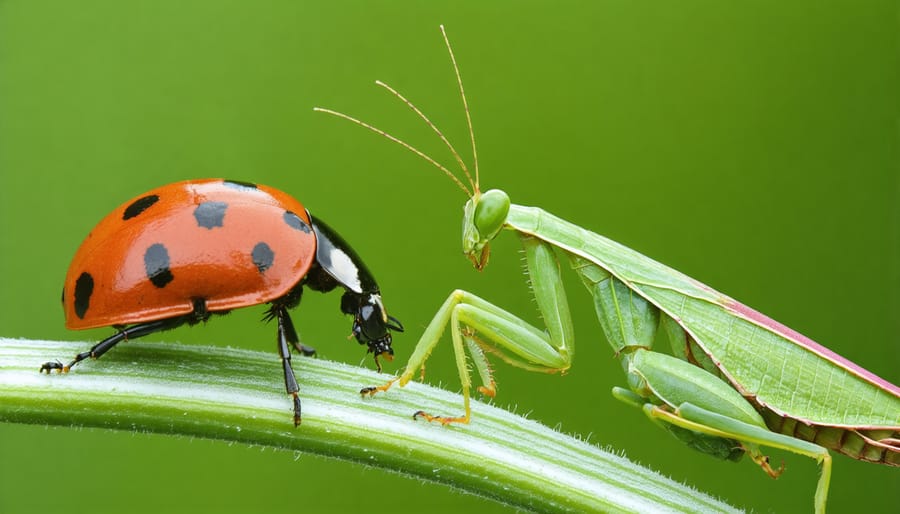
Beneficial insects are another crucial component of natural pest management. Ladybugs feast on aphids, while praying mantises consume various garden pests, including caterpillars and beetles. Creating an inviting habitat with native flowering plants and herbs will attract these helpful insects to your garden.
Toads and frogs are often overlooked garden helpers that consume slugs, snails, and various insects. Installing a small pond or placing shallow water dishes in shaded areas can encourage these amphibians to take up residence in your garden. Similarly, garden snakes, though sometimes intimidating, help control rodent populations that might otherwise damage your plants.
Bats are exceptional nighttime pest controllers, with a single bat capable of consuming thousands of mosquitoes and other flying insects each night. Installing bat houses in quiet areas of your garden can encourage these beneficial creatures to stick around.
To maximize the effectiveness of natural pest control, consider planting companion flowers like marigolds, nasturtiums, and lavender throughout your garden. These plants not only attract beneficial insects but also naturally repel certain pest species. Remember that a diverse garden ecosystem is more resilient and better equipped to handle pest problems naturally.
Protected Growing Areas
Protected growing areas serve as vital sanctuaries for both plants and wildlife in urban gardens. These designated spaces, which can range from simple cold frames to elaborate greenhouses, create microenvironments that benefit both cultivated plants and local wildlife species. By incorporating strategic design elements, these areas can provide shelter for vulnerable plants while supporting urban biodiversity.
Consider creating a combination of enclosed and semi-protected spaces. A greenhouse not only extends your growing season but also offers refuge for beneficial insects during harsh weather. Position your protected growing areas to maximize natural sunlight while including partial shade areas that appeal to different wildlife species. Installing water features nearby, such as small ponds or bird baths, enhances these spaces’ attractiveness to local fauna.
Mesh-covered growing tunnels and cold frames can protect young plants from extreme weather while allowing pollinators access during the day. Include small gaps or dedicated entry points for beneficial insects like ladybugs and ground beetles, which help control pest populations naturally. Consider installing bee hotels near these protected areas to encourage solitary bees to take up residence and assist with pollination.
To maximize wildlife benefits, surround your protected growing areas with companion plants that attract beneficial insects and birds. Flowering herbs like lavender, thyme, and oregano not only complement your protected plants but also provide essential nectar sources. Create hibernation spots by leaving small piles of leaves or twigs near the structures, offering winter shelter for insects and small mammals.
Remember to maintain good air circulation in these spaces and avoid using chemical pesticides, as these can harm the very wildlife you’re trying to attract. Regular monitoring helps ensure a healthy balance between protecting your plants and supporting local wildlife.
Seasonal Wildlife Garden Care
A successful wildlife garden requires different care approaches throughout the year to ensure it remains a welcoming haven for local fauna. In spring, resist the urge to clear away all dead plant material, as early-emerging insects need these protective layers. Instead, gradually remove winter debris as temperatures warm, leaving some areas untouched for beneficial insects to complete their lifecycle.
Summer brings abundant growth and activity. Allow some plants to flower and go to seed naturally – these become valuable food sources for birds and small mammals. Maintain water features by keeping them topped up and clean, especially during dry spells when natural water sources may be scarce. Consider creating shallow areas in ponds where smaller creatures can safely drink.
Autumn is a crucial season for wildlife preparation. Rather than removing all fallen leaves, create discrete piles in quiet corners of your garden – these become perfect hibernation spots for hedgehogs and other small creatures. Leave seedheads on flowers like echinacea and rudbeckia standing through winter; they provide both food for birds and shelter for beneficial insects.
Winter maintenance should be minimal to protect hibernating wildlife. Avoid heavy pruning until late winter, as many creatures use dense vegetation for shelter. Keep bird feeders well-stocked and clean, and ensure water sources don’t freeze over by floating a small ball on the surface or installing a simple pond heater.
Year-round, maintain a light touch with garden chemicals – even organic ones can impact beneficial insects. Instead, embrace natural pest control methods and accept that a truly wildlife-friendly garden isn’t always perfectly manicured. Keep some areas of longer grass throughout the seasons, as these provide essential corridors for small creatures moving through your garden.
Remember that consistency in wildlife-friendly practices helps establish your garden as a reliable habitat within the urban ecosystem. Small changes in maintenance routines can make a significant difference to the diversity of wildlife your garden supports.
Creating a wildlife-friendly garden isn’t just about planting a few flowers – it’s about becoming part of a larger movement to protect and nurture urban wildlife. By incorporating the elements we’ve discussed, from diverse native plantings to water features and shelter spots, you’re creating a sanctuary that benefits both local wildlife and your garden’s ecosystem. Remember, every small step counts, whether it’s hanging a bird feeder, adding a bug hotel, or reducing chemical use in your garden. The joy of watching birds visit your feeders, butterflies dance among your flowers, and beneficial insects pollinate your vegetables makes the effort worthwhile. Start your wildlife gardening journey today – even the smallest urban space can become a thriving habitat that contributes to the broader network of wildlife-friendly gardens in our cities.