Transform your garden content into search engine gold by matching what fellow gardeners actually type into Google. When someone searches “how to grow tomatoes in containers,” they’re not looking for a dissertation on Solanum lycopersicum—they want simple, proven steps to get juicy tomatoes on their balcony. Your expertise deserves to be found, and optimizing for SEO simply means speaking the language your audience already uses.
Start by identifying the exact questions your fellow gardeners ask. Tools like Google’s “People Also Ask” section reveal real searches like “best soil for raised beds” or “when to prune lavender.” Write your titles and headings using these precise phrases, then answer them thoroughly in your first paragraph. A post titled “5 Common Tomato Growing Mistakes and How to Fix Them” will always outperform “Reflections on Lycopersicon Cultivation.”
Structure your content so both search engines and eager gardeners can digest it easily. Break information into scannable sections with clear subheadings. Use short paragraphs—three to four sentences maximum—and incorporate bulleted lists for plant care instructions or tool recommendations. When you naturally mention specific techniques, link to your deeper guides to keep readers exploring your garden wisdom.
Include the specific details fellow gardeners crave: planting zones, timing, measurements, and variety names. Instead of writing “add fertilizer regularly,” specify “apply half-strength liquid fertilizer every two weeks during active growth.” This specificity signals expertise to both readers and search algorithms, establishing you as the trusted voice in their gardening journey. Your passion and knowledge deserve an audience—SEO optimization simply opens the garden gate wider.
Why Garden Content Needs a Different SEO Approach
If you’ve been pouring your heart into gardening content only to watch it disappear into the internet void, you’re not alone. Here’s the thing: gardening searches don’t behave like searches for, say, insurance or software. They follow the rhythm of nature itself, and understanding this difference is your first step toward getting found.
Think about how you actually search for gardening information. In March, you’re frantically typing “when to start tomato seeds indoors,” but by July, you’ve moved on to “blossom end rot solutions.” This seasonal pattern means your content needs to anticipate these cycles rather than expect steady traffic year-round. Someone searching in winter has completely different needs than a summer searcher, even when they’re growing the same plants.
Geography matters tremendously in gardening, too. A guide about “best time to plant roses” gives wildly different answers depending on whether you’re in Minnesota or Miami. Generic SEO might treat these as the same search, but gardeners know better. Your content needs to acknowledge these regional variations or risk giving advice that simply won’t work for half your readers.
Here’s another unique aspect: gardeners typically search when something’s going wrong. They’re not casually browsing—they’re problem-solving. “Yellow leaves on tomato plants” or “holes in rose leaves” represent real frustration and urgency. This problem-solving intent means your content must deliver clear, immediate answers rather than lengthy background information.
Finally, gardening is intensely visual. Someone searching “pruning hydrangeas” desperately needs to see what they should actually cut, not just read about it. This visual requirement influences everything from your image strategy to how you structure step-by-step instructions.
Understanding these unique characteristics—seasonality, regional differences, problem-solving urgency, and visual needs—transforms how you approach optimization. It’s not about gaming the system; it’s about matching how real gardeners actually search for help in their gardens.
Understanding What Your Fellow Gardeners Are Actually Searching For
Seasonal Keywords That Match Planting Calendars
Your gardening content will resonate most when it matches what people are actively searching for during each season. Think about your own gardening journey—in March, you’re probably not researching winter mulching techniques, right? You’re itching to know when to start tomato seeds indoors.
Spring is prime time for searches like “when to plant tomatoes,” “spring bulb care,” and “starting seedlings indoors.” Create content around these topics in January and February, so it’s ready when search volume peaks in March and April. I’ve found that publishing planting guides six weeks before the actual planting window works beautifully—people plan ahead more than you’d think.
Summer content should shift to maintenance topics: “how to deadhead roses,” “watering schedules for vegetables,” and “managing garden pests naturally.” These searches spike when gardeners face real-time challenges with their established plants.
As autumn approaches, your audience wants “fall planting guide,” “preparing garden for winter,” and “when to divide perennials.” Don’t forget that fall is actually a fantastic planting season in many regions, so there’s genuine search interest beyond just cleanup tasks.
Winter might seem quiet, but it’s perfect for “garden planning,” “seed catalog reviews,” and “indoor herb gardens.” Gardeners are dreaming and scheming during these months, making it ideal for inspirational, forward-looking content.
Use tools like Google Trends to see exactly when specific searches peak in your region, then schedule your content accordingly. This strategic timing ensures you’re answering questions precisely when gardeners are asking them.
Location-Based Terms That Connect With Your Region
When you’re writing about tomatoes thriving in your area, mentioning your specific USDA hardiness zone (like “Zone 7b” or “Zone 9a”) helps fellow gardeners in your region find your content immediately. Think about it—a gardener in Arizona searching for drought-tolerant perennials has completely different needs than someone in Maine looking for cold-hardy vegetables. By including your zone information naturally throughout your posts, you’re speaking directly to neighbors who face the same growing conditions.
Regional plant names matter too. What you call “creeping charlie” might be “ground ivy” to someone else, so using both common and botanical names helps. I’ve noticed that including local landmarks or regional terms—like “coastal gardens,” “mountain microclimates,” or “desert Southwest”—creates an instant connection with nearby gardeners.
Don’t forget seasonal timing that’s specific to your location. Instead of saying “plant in early spring,” try “plant in mid-March here in the Pacific Northwest” or “after our last frost in mid-April.” This specificity not only helps search engines understand your geographic relevance but also builds trust with readers who appreciate advice tailored to their actual growing calendar. You’re essentially becoming the go-to resource for gardeners in your specific corner of the world.
Problem-Solving Phrases That Capture Urgent Searches
When your tomato leaves turn yellow overnight or mysterious spots appear on your roses, you don’t search for “plant health optimization strategies.” You type exactly what you see: “why are my tomato leaves turning yellow” or “brown spots on rose leaves help.” These urgent, problem-focused searches are golden opportunities to connect with fellow gardeners when they need you most.
Structure your content around these specific pain points by creating dedicated troubleshooting guides. Use the actual questions gardeners ask as your headings and in your first paragraph. For example, instead of titling an article “Aphid Management,” try “How to Get Rid of Aphids on Roses Fast.” This mirrors the searcher’s language and signals you understand their urgency.
Include symptom descriptions early in your content, using clear, visual language that matches what someone observing their plants would notice. Phrases like “leaves curling inward,” “white powdery coating,” or “stunted growth” help search engines connect your expertise to the gardener’s specific problem.
Remember to organize solutions in order of accessibility. Start with immediate, simple fixes before moving to more involved treatments. This respects that someone with wilting seedlings wants quick answers, not a botany lesson.
Structuring Your Garden Articles So Search Engines (and Readers) Love Them
Headers That Answer Questions Directly
Think about the questions you ask when you’re starting a gardening project. You probably search things like “When should I plant tomatoes?” or “Why are my basil leaves turning yellow?” Your readers do exactly the same thing. By turning these natural questions into your H2 and H3 headers, you’re speaking directly to what people are typing into Google.
Here’s a simple approach: Keep a notebook of questions fellow gardeners ask you, or browse gardening forums to see what puzzles people. Then transform these into headers throughout your articles. Instead of a bland header like “Tomato Planting Schedule,” try “When Is the Best Time to Plant Tomatoes in My Area?” It’s conversational and matches real searches perfectly.
The beauty is that you don’t need to force awkward phrasing. If a question sounds clunky, you’re probably overthinking it. Test your headers by reading them aloud—if they sound like something you’d actually say to a gardening buddy over the fence, you’re on the right track. Remember, search engines have gotten remarkably good at understanding natural language, so prioritize readability for your human readers first.
The Perfect Length for Different Garden Topics
Not every garden topic needs a 3,000-word deep dive. Quick how-tos like “deadheading roses” work perfectly at 400-600 words—gardeners want fast answers while their gloves are still on. These posts should get straight to the point with clear steps and perhaps a helpful photo.
Comprehensive guides shine for complex topics. “Planning a Four-Season Vegetable Garden” deserves 1,500-2,000 words because readers need depth—they’re making decisions about layout, timing, and crop selection that affect months of work. Here’s where you can include personal stories about your own planning mistakes and victories.
Seasonal content falls somewhere in between. A post about “Spring Planting Checklist” might run 800-1,200 words, giving enough detail to be genuinely useful without overwhelming someone eager to get outside.
Think about your reader’s mindset. Are they troubleshooting a problem right now? Keep it concise. Are they planning a major project or learning a new skill? Go deeper. I’ve found that beginner topics often need more explanation and encouragement, while experienced gardeners appreciate when you respect their time with focused, actionable content. Listen to the questions your audience asks—they’ll tell you exactly how much detail they’re craving.
Breaking Up Text Without Losing Your Voice
Think of your content like a garden path—you want to guide readers through easily, not make them bushwhack through dense undergrowth. Breaking up your text makes it scannable and welcoming, which both readers and search engines appreciate.
Start with short paragraphs of 2-3 sentences. When I share my experience transplanting tomatoes, I keep each step in its own bite-sized paragraph. This creates natural breathing room and helps readers find information quickly when they return to your post mid-project with muddy hands.
Use bulleted lists for plant varieties, care steps, or tool recommendations. They’re perfect for those “what you’ll need” sections in project guides. Numbered lists work beautifully for sequential processes like seed starting or pruning techniques.
Subheadings act like garden markers, helping readers navigate to exactly what they need. Instead of generic labels, make them descriptive: “When to Harvest Your Basil” beats “Harvesting Tips.”
Here’s the thing—all these garden writing techniques should feel natural, not forced. Your friendly voice still shines through short paragraphs. You’re simply making your valuable knowledge easier to digest and discover.
Writing Plant Names and Garden Terms the Right Way
Getting plant names right can feel like walking a tightrope between being scientifically accurate and keeping your content welcoming for beginners. The good news? You can absolutely do both while boosting your SEO at the same time.
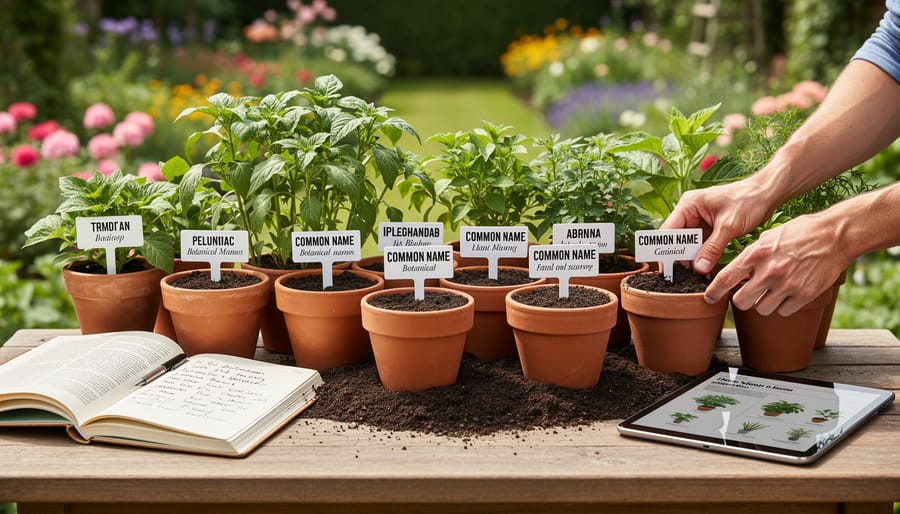
Start by including both botanical and common names when you first mention a plant. For example, write “tomatoes (Solanum lycopersicum)” or “purple coneflower (Echinacea purpurea).” This approach captures searches from everyone, whether they’re typing the scientific name or the familiar one. After the first mention, stick with the common name to keep things readable and friendly.
Here’s something I learned from chatting with a garden blogger who saw her traffic double: use regional variations strategically. If you’re writing about cilantro, mention that some readers call it coriander or Chinese parsley. These little additions take just seconds but help your content appear in more searches without feeling stuffed with keywords.
For technical terms, think of yourself as a friendly neighbor explaining something over the garden fence. Instead of just writing “deadheading,” try “deadheading (removing spent flowers).” This tiny addition helps beginners understand while still using the proper term that experienced gardeners are searching for.
Create a simple style guide for consistency. Decide whether you’ll capitalize common plant names (most don’t, and that’s perfectly fine) and how you’ll handle hyphens in terms like “well-drained soil.” Search engines reward consistency because it signals quality content.
When naming plant varieties, include the cultivar name in single quotes when relevant, like “Knockout roses (Rosa ‘Knockout’),” but don’t stress about this for every mention. Your primary goal is helping readers grow successfully, not writing a botanical textbook.
Remember, people search using all sorts of terms. By naturally incorporating both scientific accuracy and everyday language, you’re building bridges to readers at every experience level while giving search engines exactly what they need to connect your valuable knowledge with the people searching for it.
Making Your Garden Photos Work Harder for SEO
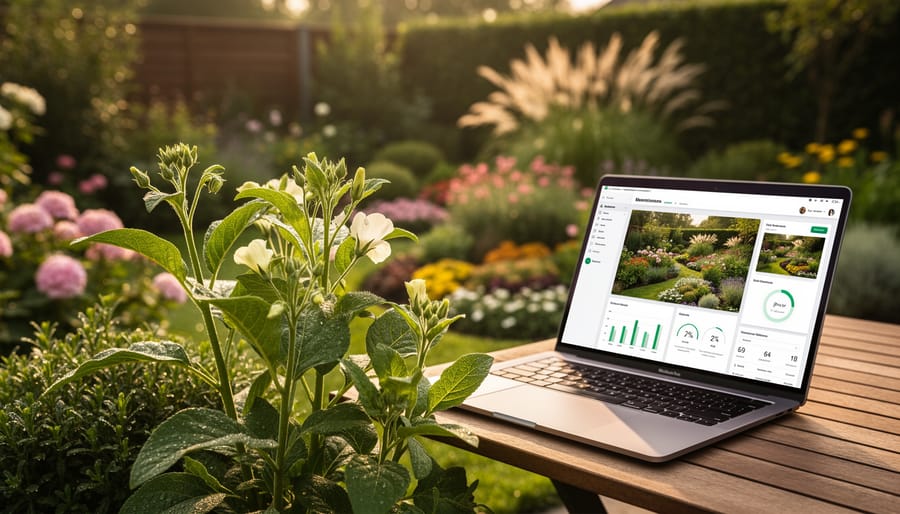
Your beautiful garden photos deserve to work as hard as you do! Beyond capturing stunning blooms, your images can significantly boost your search rankings when optimized properly.
Start with descriptive file names before uploading. Instead of “IMG_3847.jpg,” rename your photo to something like “purple-coneflower-pollinator-garden.jpg.” This simple step helps search engines understand what they’re looking at. Think of it as giving your photos a proper introduction.
Alt text is where the magic really happens. When adding images to your posts, write brief descriptions that include relevant details: “Monarch butterfly feeding on pink zinnia flowers in summer garden” works much better than just “butterfly.” If you’re sharing garden photography tips, describe the specific technique shown. Remember, alt text also helps visually impaired readers experience your content through screen readers, so make it genuinely descriptive.
Now, here’s the tricky balance: high-quality images that don’t slow your site down. Large file sizes can frustrate visitors and hurt your rankings. Aim for images under 200KB when possible. You can resize photos before uploading or use compression tools that maintain visual quality while reducing file size. Most website platforms offer automatic compression, but checking beforehand gives you better control.
Consider image format too. JPEGs work beautifully for most garden photos, while PNGs are better for graphics or logos. When optimizing garden images, think about mobile viewers as well—many garden enthusiasts browse while outdoors, so faster-loading photos create a better experience for everyone enjoying your content on their phones.
Internal Links That Keep Gardeners Exploring Your Site
Internal linking is like creating pathways through your garden—you want visitors to wander naturally from one beautiful spot to another. When you mention companion planting in your tomato growing guide, link to your detailed basil care article. If you’re writing about raised bed construction, connect readers to your soil mix recommendations and tool reviews. These connections help search engines understand your content relationships while keeping readers engaged longer.
Think about the questions your articles naturally raise. A piece about vertical gardening should link to specific climbing plants you’ve covered, like pole beans or morning glories. When discussing pest problems, guide readers to your organic solution articles or interviews with experts who’ve tackled similar challenges. This creates a web of helpful information that mirrors how gardeners actually think and problem-solve.
The key is making links feel conversational rather than forced. Instead of “click here,” try “our step-by-step guide to building a compost bin” or “learn more about succession planting techniques.” Place these links where readers naturally wonder “what’s next?” or “how do I do that?”
Internal linking also supports building garden community by helping newcomers discover your best content while giving regular readers fresh perspectives. Aim for three to five relevant links per article, focusing on your most valuable evergreen content. This strategy tells search engines which pages matter most while creating a richer experience for fellow gardeners exploring your site.
Quick Technical Fixes That Make a Big Difference
Mobile-Friendly Layouts for Gardeners on the Go
Picture this: you’re at the garden center, phone in one hand, comparing tomato varieties online while surrounded by actual plants. Or maybe you’re in your garden, dirt under your fingernails, quickly checking that planting guide you bookmarked. This is exactly how your readers access gardening content, which is why mobile optimization isn’t optional anymore.
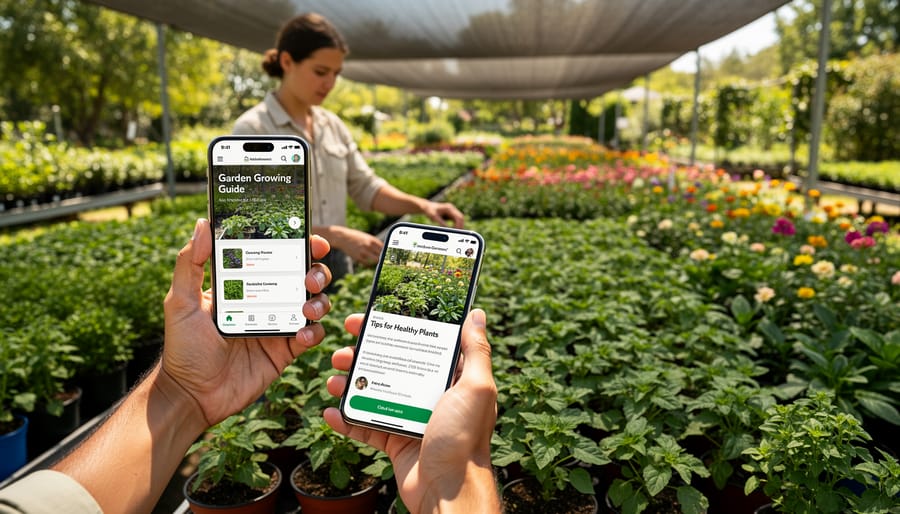
Google now prioritizes mobile-friendly garden sites in search results, so if your content doesn’t work well on phones, you’re losing readers before they even arrive. The good news? You can test this yourself right now. Pull out your phone and visit your own site. Can you easily read the text without zooming? Do buttons and links respond when you tap them? Does the page load within a few seconds, even with photos?
Simple fixes make a huge difference. Use larger fonts (at least 16px), ensure adequate spacing between clickable elements, and compress those beautiful garden photos so they don’t slow down loading times. Your readers are often outdoors, sometimes with gloves on, squinting in the sunshine. Make it easy for them to find what they need, and both your audience and search rankings will thank you.
Loading Speed When You Have Lots of Plant Photos
We gardeners love sharing photos of our blooms, harvests, and garden transformations, but all those beautiful images can slow your website to a crawl. Here’s the good news: you don’t have to sacrifice visual storytelling for speed.
Start by resizing images before uploading them. That stunning rose photo from your phone might be 5000 pixels wide, but your website only displays it at 800 pixels. Use free tools like GIMP or online compressors to reduce file sizes without losing noticeable quality. Aim for images under 200KB each.
Choose the right file format for each situation. JPEGs work wonderfully for photographs with lots of colors, like flower close-ups. PNGs are better for graphics or images with text, like garden planning diagrams.
Consider using lazy loading, which delays loading images until visitors scroll down to them. Most website platforms now offer this as a simple checkbox option. It’s particularly helpful for those popular “garden tour” posts with dozens of photos.
I learned this lesson the hard way when my spring bulb showcase article took nearly 20 seconds to load. After compressing my images and enabling lazy loading, that same page now loads in under three seconds. My bounce rate dropped significantly because visitors weren’t abandoning the page before seeing my content.
Remember, Google considers page speed when ranking websites, so these optimizations help both your visitors and your search visibility.
Think of SEO optimization as tending a garden—it’s not a one-time task but an ongoing process that rewards your consistent care. Just as you wouldn’t plant tomatoes and walk away for the season, your content needs regular attention to truly flourish. Check in on your keyword performance monthly, refresh older posts with new insights from your growing experience, and keep adding fresh content as the seasons change.
The wonderful news is that you’re already an expert at something valuable. Your knowledge about companion planting, soil health, or pruning techniques can genuinely help someone transform their outdoor space. SEO simply ensures that when a frustrated gardener types “why are my tomatoes splitting” at midnight, your hard-earned wisdom is there to guide them.
Start small if this feels overwhelming. Pick one post, optimize it thoughtfully, and observe what happens. Add another next week. Before you know it, you’ll have cultivated a thriving garden of content that reaches people who truly need your expertise. Your gardening knowledge deserves to be discovered, and with these tools, it will be.