A data ontology is a structured framework that defines how information is categorized, labeled, and connected within a specific domain. Think of it as a shared vocabulary and rule book that helps computers understand relationships between different pieces of information the same way humans do.
For gardeners, this might sound abstract, but you interact with ontologies every time you use a plant database app or search for companion planting advice online. When you look up “tomatoes” and the app automatically knows to show you nightshade family information, watering requirements, and compatible companion plants, that’s an ontology at work behind the scenes.
Here’s why this matters to your garden: As digital gardening tools become more sophisticated in 2026, the quality of data organization directly affects how useful they are. A well-designed plant ontology ensures that when you search for drought-tolerant perennials, you get accurate results that account for your hardiness zone, soil type, and growing season. Without proper ontological structure, you might end up with a jumbled list mixing annuals with perennials, or suggestions for plants that won’t survive your climate.
The gardening world has made significant progress in standardizing how we organize plant data. Garden professionals now use shared ontologies to exchange information across databases, research institutions, and commercial platforms. This means the care instructions you find in one trusted source align with recommendations from university extensions and botanical gardens.
In this article, we’ll explore how data ontologies work in practical gardening terms, the different types you encounter when using garden tools, and how understanding these systems helps you make better planting decisions and get more reliable answers from digital gardening resources.
What Data Ontologies Mean for Gardeners
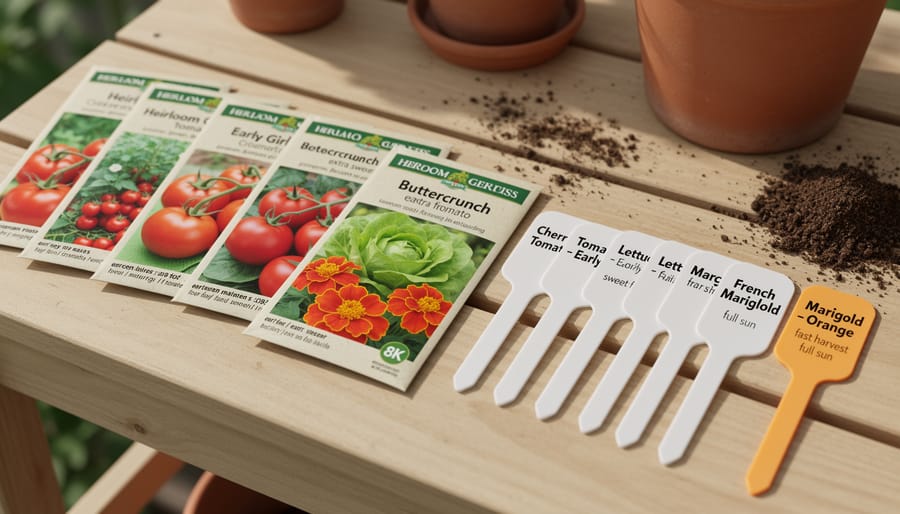
Think of data ontologies as a shared language for organizing garden information. Just as botanists worldwide use Latin names to avoid confusion, ensuring everyone knows that Solanum lycopersicum is a tomato, whether you call it a tomato, tomate, or pomodoro, ontologies give computers and databases a common way to classify and connect gardening knowledge.
At its core, an ontology is simply an agreed-upon system for labeling and relating information. When your garden planning app knows that “full sun” means six or more hours of direct sunlight, and that tomatoes need full sun, it can make useful recommendations. That knowledge isn’t magic; someone built it into an ontology that defines what “full sun” means, what counts as a “tomato,” and how they relate to each other.
You already use informal ontologies without realizing it. Your seed catalog organizes vegetables by type (tomatoes, peppers, squash), then by variety, then by days to maturity. Your planting calendar groups tasks by season and plant needs. These are classification systems, ways of breaking complex information into manageable, related chunks.
- Ontology
- A structured framework that defines concepts and their relationships, like a detailed map showing how different pieces of gardening knowledge connect.
- Semantic Integration
- The process of linking information from different sources so systems can understand they’re talking about the same thing, even when they use different words.
- Vocabulary
- An agreed-upon set of terms and their meanings, ensuring everyone uses the same words for the same concepts.
- Taxonomy
- A hierarchical classification system that organizes items from general to specific, like organizing plants from family down to variety.
- Metadata
- Descriptive information about data, labels, dates, categories, that help both humans and computers understand what they’re looking at.
The difference between your personal system and a data ontology is formality and shareability. When garden databases, apps, and websites use the same ontology, they can exchange information seamlessly. Your observation that beans fix nitrogen becomes data another gardener’s app can use for companion planting suggestions, because both systems understand “nitrogen fixation” identically.
How Garden Data Ontologies Work
The Building Blocks: Classes, Properties, and Relationships
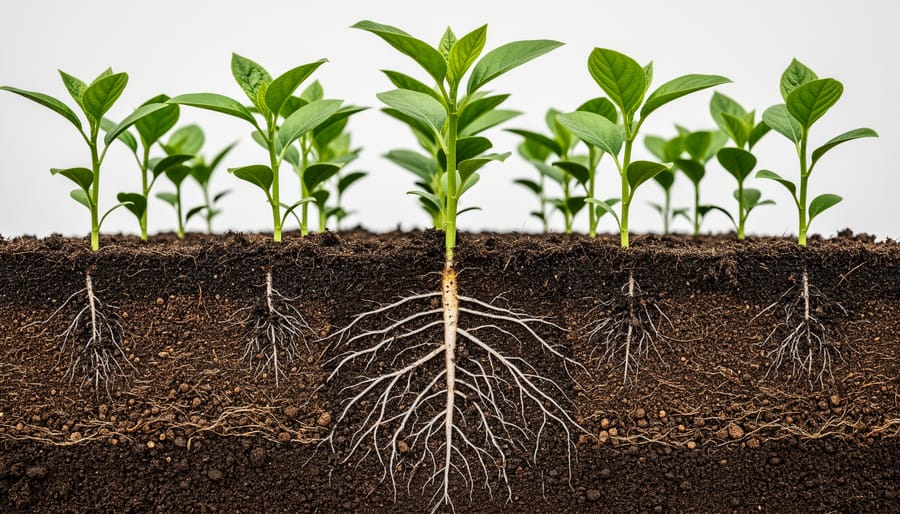
Think of a garden data ontology as having three essential pieces, much like how you organize your own garden knowledge.
Classes are the broad categories, the big containers that hold similar things. In a garden ontology, “vegetable” is a class, and so are “annual,” “perennial,” and “herb.” These classes can nest inside each other: tomatoes belong to the vegetable class, which itself belongs to a larger “edible plants” class. Just as you mentally group plants when planning your beds, classes group related concepts so systems know what goes with what.
Properties describe the details that matter for each class. A tomato plant has properties like “sun requirements: full sun,” “days to maturity: 70-85,” and “water needs: moderate.” These properties let gardening apps compare plants and make sensible recommendations. When you search for “drought-tolerant perennials,” you’re essentially asking the system to find plants where the “water needs” property says “low” and the class is “perennial.”
Relationships connect different classes in meaningful ways. A relationship might say “tomatoes grow well with basil” or “marigolds repel aphids.” These connections capture generations of gardening wisdom, including knowledge about earth-friendly methods like companion planting. When you ask a garden planner what to plant next to your peppers, it follows these relationship threads to suggest compatible neighbors, just as an experienced gardener would.
Together, these three building blocks create a structured web of garden knowledge that computers can navigate and share.
Different Types of Garden Data Ontologies
Plant and Species Ontologies
Plant and species ontologies tackle the garden’s oldest confusion: what are we actually talking about? When you call something “oregano” and I call it “wild marjoram,” or when one database lists “Echinacea purpurea” while another uses “purple coneflower,” we’re describing the same plant but losing the connection. These ontologies fix that by mapping botanical names to common names across languages and regions, linking accepted scientific classifications to regional nicknames, and organizing plant traits (height, bloom season, cold hardiness) in ways computers can interpret.
Think of them as the authoritative reference that connects the dots. A Plant Ontology structured vocabulary might define “perennial” not just as a word but as a category that relates to root structures, lifecycle patterns, and winter survival strategies. When your garden app knows that relationship, it can connect your “low-maintenance perennials” search to plants that match your zone without you having to spell out every characteristic. It’s the same logic that lets platforms recommend smart water irrigation settings or flag which varieties need different soil health basics based on genus-level traits rather than manual entry.
Growing Condition and Environment Ontologies
These ontologies tackle the trickier part of gardening: understanding what your specific patch of earth can actually support. Instead of just cataloging plants, environment ontologies organize all the growing condition data, USDA hardiness zones, soil pH ranges, moisture levels, sun exposure categories, into a structured system that computers can process and compare.
Think of them as a matchmaking service between your garden’s conditions and suitable plants. When you tell an app that you’ve got clay soil with morning sun in zone 7a, the ontology knows that “clay” relates to specific drainage characteristics, “morning sun” means roughly four hours of direct light, and zone 7a corresponds to particular temperature minimums. It can then search for plants tagged with compatible requirements.
These ontologies get quite detailed. They might define relationships like “sandy-loam” being a subset of “well-draining soil,” or establish that “full shade” means less than three hours of direct sun. Some include seasonal variations, how your microclimate shifts between June and January. The real power shows up when the system understands that a plant requiring “moist, acidic soil” won’t thrive in your “alkaline clay with poor drainage,” saving you from expensive mistakes before you dig the first hole.
Practice and Activity Ontologies
Practice and activity ontologies organize the “doing” side of gardening, when to prune, how to mulch, which pest control method suits organic gardens. These frameworks categorize tasks by season, skill level, and crop type, so a gardening app can remind you to divide hostas in early spring or suggest succession planting intervals for lettuce.
They’re especially helpful for sharing knowledge across regions. What one community calls “hilling” another might describe as “earthing up” potatoes, but the ontology connects these terms to the same technique. Garden journals, cooperative extension databases, and community plots use these shared definitions to translate local wisdom into searchable, reusable advice, meaning a method proven in Michigan becomes accessible to a gardener in Montana without translation headaches.
How Gardeners Benefit from Data Ontologies
Smarter Garden Planning Apps and Tools
When you use a garden planning app that suggests planting tomatoes next to basil but warns against placing them near potatoes, you’re seeing data ontologies at work. These apps rely on ontologies to connect plant characteristics, growth habits, nutrient needs, pest relationships, in ways that produce genuinely useful recommendations rather than random pairings.
The same organized framework helps apps calculate proper spacing. Instead of treating every tomato variety identically, ontology-based tools understand that ‘cherry tomato’ and ‘beefsteak tomato’ belong to the same family but have different space requirements. This connected knowledge means the app can adjust spacing recommendations based on the specific variety you choose, not just a generic “tomato” entry.
Seasonal planning features benefit similarly. Because ontologies link planting dates to climate zones, frost tolerance, and growing season length, your app can translate a general “plant in spring” instruction into a specific week-range that matches your location and the current year’s weather patterns. Some apps even connect this structured data to irrigation systems that save water by understanding each plant’s moisture needs throughout its growth cycle.
Better Search and Discovery
When you search for “rocket” in a garden app, you want to find arugula information too, that’s where ontologies shine. They understand that these terms mean the same plant, along with regional names like roquette or rucola, so your search captures everything relevant regardless of which term the original source used.
Ontologies also grasp related concepts. Searching for “shade-loving plants” works better when the system knows this connects to terms like “low-light tolerant,” “woodland garden,” or “north-facing border.” The ontology maps these relationships, so you find useful information even when different gardeners describe conditions differently.
This matters especially for regional variations. A British gardener searching for “courgette” and an American looking for “zucchini” reach the same growing guides, companion planting suggestions, and variety recommendations. The ontology translates between terms automatically.
The result: you spend less time hunting through irrelevant results and more time finding exactly what you need. Whether you’re looking up a plant by its Latin name, common name, or local nickname, ontologies ensure the right information surfaces every time.
Connecting Garden Communities and Research
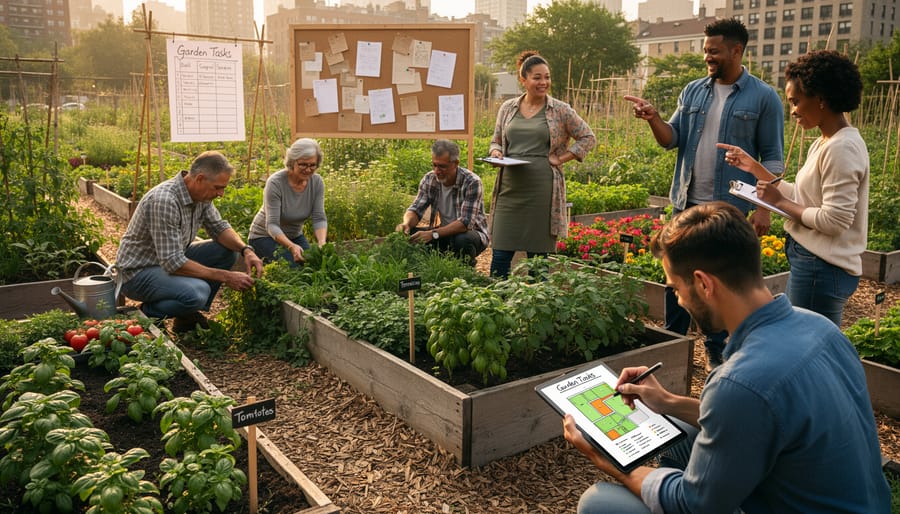
Ontologies transform isolated gardening observations into collaborative research. When community gardeners log pest sightings, bloom times, or harvest yields using apps with shared data standards, their records automatically become part of larger datasets that researchers can analyze for climate patterns, pollinator trends, or disease spread. This wouldn’t work if every gardening app used different terminology, your “late frost damage” needs to mean the same thing as another gardener’s report three states away.
Garden clubs sharing across platforms gain the same advantage. Members using different apps or databases can still exchange planting calendars, cultivar notes, or soil test results because ontologies ensure “full sun” means the same thing everywhere, and “Zone 7a” connects properly to relevant plants. Regional extension services increasingly use these standards to aggregate community data, creating local knowledge bases that reflect actual growing conditions rather than generic advice.
Citizen science projects like phenology tracking, recording when plants bud, bloom, or fruit, depend entirely on consistent data collection across thousands of volunteers. Ontologies make individual observations scientifically useful by organizing them into comparable, analyzable datasets that advance our collective understanding of how gardens respond to changing conditions.
Open Garden Data Ontologies in Action
Several real-world projects show how open garden data ontologies are already helping gardeners share knowledge more effectively. These initiatives demonstrate the power of standardized vocabularies when they’re freely available for everyone to use.
The Plant Ontology project, developed by an international consortium of plant scientists, provides a comprehensive framework for describing plant anatomy, morphology, and growth stages. Researchers use it to share findings across institutions, but it also powers citizen science apps that help gardeners contribute observations about plant development in their own gardens. Because the terminology is standardized and open, a home gardener in Oregon can record data that scientists in Europe can understand and use.
Regional extension services have begun adopting shared ontologies to make their recommendations more accessible. When multiple state extension databases use the same classification for pest problems, soil amendments, and planting schedules, gardeners can search across different sources and get consistent information. The open nature means smaller organizations and independent developers can build tools that tap into this knowledge without starting from scratch.
Collaborative platforms like community seed libraries and plant swap networks increasingly rely on ontologies to help members describe what they’re offering. Instead of everyone inventing their own categories, they use shared vocabularies that make searching and matching easier. A gardener looking for drought-tolerant perennials finds relevant options faster when contributors use consistent terms.
The openness matters because it prevents knowledge from getting locked away. When garden centers, apps, universities, and individual gardeners all contribute to and benefit from the same ontologies, the whole community’s understanding grows. You don’t need special access or expensive licenses, just the willingness to describe your plants and practices using terms others recognize. This collaborative approach mirrors gardening itself: everyone brings something different, but we all benefit from sharing what we know.
Common Questions About Garden Data Ontologies
Ontologies sound technical, but they mostly work behind the scenes, you don’t need to understand them to benefit from them. That said, gardeners curious about how these systems work, or wondering how to get involved, often have similar questions. Here are the most common ones.
Do I need technical knowledge to benefit from garden data ontologies?
No, you’re already benefiting from them if you use garden planning apps, plant databases, or online growing guides. Ontologies work in the background to organize information and improve search results, so you don’t need to know how they function to enjoy better recommendations and more accurate plant information.
How can I access open garden data ontologies?
Many are freely available through online platforms like plant databases, university extension services, and collaborative garden projects. Some popular plant identification apps and garden planning tools also use open ontologies, which means you’re accessing them every time you search for companion plants or growing requirements.
Do garden ontologies work internationally?
Yes, and that’s one of their strengths. Well-designed ontologies link common names across languages and regions to standard botanical classifications, so a tomato variety grown in California can be matched with data from gardeners in Spain or Australia, even when they use different local names.
Can I contribute to garden data ontologies?
Absolutely. Many open garden data projects welcome contributions from experienced gardeners, especially local knowledge about growing conditions, regional varieties, and traditional practices. Citizen science platforms often provide simple forms where you can share observations that enrich the shared vocabulary for everyone.
What’s the future of garden ontologies?
They’ll likely become more comprehensive and interconnected, linking not just plant data but also climate patterns, pest management, soil health, and even culinary uses. As more gardeners and researchers contribute, the systems will grow smarter at providing personalized, regionally-specific advice that helps everyone grow more successfully.
The reality is that garden data ontologies are becoming more user-friendly and widely adopted. Projects like Open Garden Data Ontologies make it easier for everyday gardeners to participate, whether by using tools built on these systems or by sharing their own observations. You don’t need a computer science degree, just a willingness to engage with platforms that value organized, shareable knowledge. As these vocabularies expand, they’ll continue to bridge gaps between gardening traditions, scientific research, and practical growing advice, making the collective wisdom of the gardening community more accessible to everyone who wants to grow something.
You don’t need to understand the technical details of data ontologies to benefit from them, they’re already working quietly in the background, making your gardening life easier. Every time a garden app suggests the perfect companion plant for your tomatoes, or you quickly find advice for your specific growing zone, or you connect with another gardener halfway across the world who’s growing the same heirloom variety, ontologies are there, bridging the gaps between different systems and vocabularies.
What’s exciting is that this infrastructure keeps growing. More gardeners, researchers, and organizations are contributing to open garden data ontologies, steadily building a shared language that makes gardening knowledge more accessible to everyone. Whether you’re a complete beginner searching for basic care instructions or an experienced grower documenting rare cultivars, you’re part of this connected community.
The beauty of ontologies is they work for all of us, regardless of where we garden or how much we know. They’re helping create a world where the collective wisdom of millions of gardeners, past observations, current experiments, regional expertise, becomes genuinely usable and shareable, turning individual gardening experiences into knowledge that benefits everyone who loves to grow things.