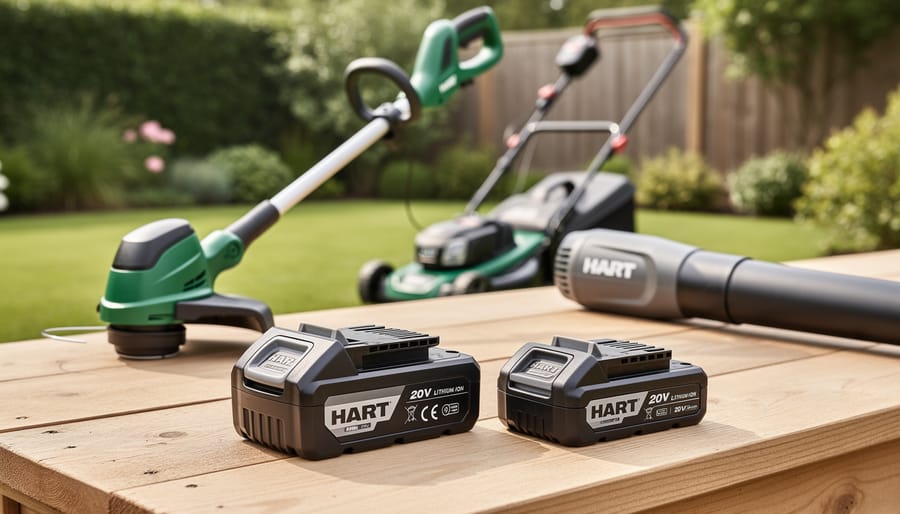
HART tools use a single 20-volt lithium-ion battery platform that works across the entire product line, so any HART 20V battery will power any HART 20V tool, whether you’re trimming hedges, mowing the lawn, or running a leaf blower. The batteries come in three capacities (1.5Ah, 4.0Ah, and 6.0Ah), and choosing the right one depends on how long you need to work between charges and how demanding your garden tasks are.
If you’re already invested in HART’s ecosystem, you’re in luck: the compatibility is straightforward and universal within the brand. A 4.0Ah battery will give you about 30 to 45 minutes of runtime on a string trimmer, while the 6.0Ah extends that to an hour or more, perfect for larger yards. The smaller 1.5Ah battery suits quick jobs like pruning with a hand saw but runs out fast on power-hungry tools.
HART operates exclusively at Walmart, positioning itself as an affordable alternative to brands like DeWalt, Ryobi, and Milwaukee. That exclusivity keeps prices competitive, but it also means you won’t find cross-brand compatibility. Your HART batteries won’t work with other tool systems, and vice versa. For gardeners building a collection, this lock-in can be either a benefit (lower upfront costs) or a limitation (you’re committed to one retailer and one brand’s tool selection).
Understanding your runtime needs, the types of garden tools you use most, and whether HART’s current lineup covers your future plans will help you buy the right batteries from the start and avoid costly mistakes down the road.
Understanding HART’s Battery Ecosystem
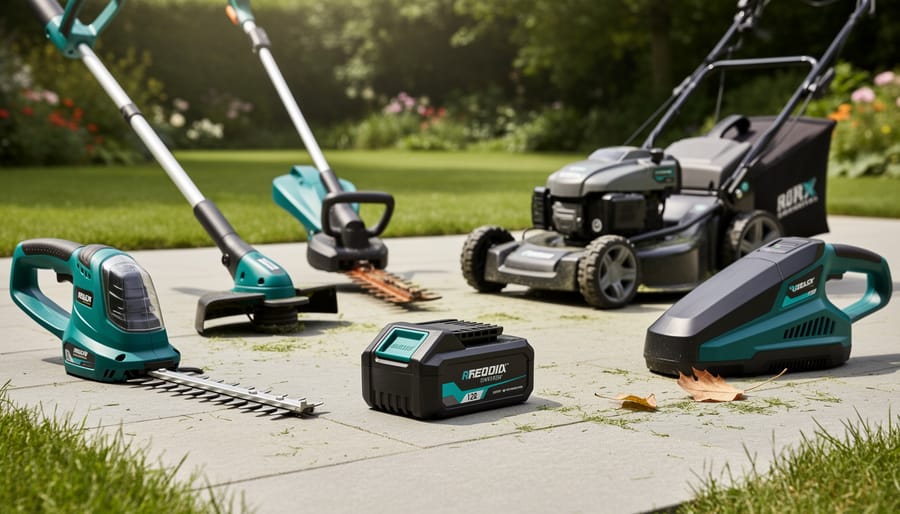
HART’s battery ecosystem revolves around a straightforward promise: one battery system powers all their 20-volt cordless tools. When you buy a HART hedge trimmer, leaf blower, or lawn mower, you’re not just purchasing that individual tool, you’re entering a platform where the same battery slides seamlessly between different garden equipment. This standardization means you can start with a single battery and charger, then expand your tool collection without buying duplicate power sources each time.
The system works through a simple slide-on connection. Every HART 20V battery features the same physical dimensions and electrical contacts, letting you swap them between compatible tools in seconds. Whether you’re trimming hedges in the morning and blowing leaves in the afternoon, you just pop the battery out of one tool and into another. The battery tracks display remaining charge through LED indicators, so you know when it’s time to swap in a fresh one or take a charging break.
HART positions this ecosystem specifically for homeowners and gardening enthusiasts rather than heavy-duty professional contractors. The batteries range from compact 1.5Ah options up to larger 4.0Ah versions, giving you flexibility based on the job at hand. A smaller battery keeps your string trimmer lightweight for extended use, while a higher-capacity battery lets you mow the entire lawn on a single charge.
The compatibility extends across HART’s full garden lineup, everything from hand-held pruners to walk-behind mowers accepts the same 20V battery format. This makes planning your garden tool collection remarkably simple: focus on the tools you need, knowing the batteries you already own will power them.
Types of HART Batteries and What Makes Them Different
Compact Batteries for Light Garden Work
HART’s 1.5Ah and 2.0Ah compact batteries are your go-to options when you’re tackling lighter garden jobs that don’t demand extended runtime. These smaller-capacity cells shine with handheld tools like pruning shears, small hedge trimmers, and cordless grass shears, tasks where you’re working for 20 to 40 minutes at a stretch rather than hours on end.
The real advantage here isn’t just runtime, it’s weight. A 1.5Ah battery typically weighs around 0.8 pounds, compared to 1.2 or more for standard batteries. That might not sound like much, but when you’re holding pruners above your head trimming rose bushes for half an hour, those few ounces make a noticeable difference in arm fatigue.
Compact batteries also charge faster, usually 30 to 45 minutes versus an hour or more for larger packs. If you’re the type who grabs a tool for quick touch-ups throughout the week rather than marathon Saturday sessions, this quick turnaround is genuinely useful.
These aren’t your best choice for mowers or powerful blowers, where they’ll drain too quickly to be practical. But for detail work and light trimming? They’re perfectly matched to the job.
Standard Capacity Batteries for Most Gardening Tasks

HART’s 2.0Ah and 3.0Ah batteries sit right in the sweet spot for everyday gardening. These are the batteries you’ll reach for most often, they balance runtime with weight, giving you enough power to tackle common tasks without feeling like you’re lugging around extra bulk.
The 2.0Ah battery typically delivers 30-45 minutes of continuous use with hedge trimmers or string trimmers, which is plenty for most suburban gardens. If you’re trimming hedges along a fence line or edging around flowerbeds, this capacity handles the job and recharges in about an hour. The 3.0Ah version extends that runtime to roughly 45-60 minutes, making it ideal for larger properties or when you’re working through several tools in one session.
These mid-range batteries work beautifully with leaf blowers, pole saws, and smaller mowers. They’re light enough that fatigue doesn’t creep in when you’re holding a trimmer overhead, yet they pack enough charge for serious work. For most gardeners maintaining a quarter-acre or less, a pair of these standard batteries creates a practical rotation, one charging while the other powers your tools through weekend garden maintenance.
High-Capacity Batteries for Demanding Jobs
HART’s high-capacity batteries, typically 4.0Ah and above, are designed for gardeners who tackle substantial projects or spend entire days working outdoors. If you’re mowing a large lawn, clearing autumn leaves for hours, or running a pressure washer to clean patios and pathways, these batteries deliver the extended runtime you need without constant recharging interruptions.
A 4.0Ah battery can power a HART lawn mower through medium to large yards, roughly 30 to 40 minutes of continuous use, while a 6.0Ah battery extends that further, often completing bigger properties on a single charge. For leaf blowers on high settings, expect 20 to 30 minutes with a 4.0Ah battery, enough for thorough clearing of driveways and garden beds.
The trade-off is weight. High-capacity batteries add noticeable heft to handheld tools like hedge trimmers, which can cause fatigue during prolonged use. They shine in wheeled equipment where weight doesn’t affect handling, and for professionals or enthusiastic gardeners who value fewer charging breaks over portability. Consider your typical workload: if you regularly spend three or more hours on garden tasks, investing in at least one high-capacity battery transforms how efficiently you work.
What to Look for When Choosing Your HART Battery
When you’re standing in the garden center or browsing online, staring at battery options can feel overwhelming. But here’s the good news: choosing the right HART battery comes down to matching six key factors to your actual gardening routine.
Start with amp-hour capacity, which determines how long your tools will run before needing a recharge. A 2.0Ah battery might power a string trimmer for 20 minutes, while a 4.0Ah battery doubles that runtime. Think about your typical gardening sessions. If you’re tackling a large lawn or spending entire Saturday mornings outside, you’ll want higher capacity batteries that won’t leave you waiting mid-task.
Charge time matters more than most gardeners realize. A battery that takes four hours to fully charge means careful planning or owning multiple batteries. Modern HART fast chargers can replenish a 2.0Ah battery in under an hour, which makes a real difference when you’re working against weather or daylight. Check the charger specifications, not just the battery specs.
Battery life cycles tell you how many charge-discharge cycles to expect before capacity degrades noticeably. Quality lithium-ion batteries should deliver 500-1000 cycles. This impacts your long-term investment, a cheaper battery that dies after 300 cycles costs more over five years than a durable one that lasts.
For handheld tools like hedge trimmers and pole saws, weight becomes crucial. A heavy battery on an extended tool creates arm fatigue fast, especially for seniors or anyone working overhead. Consider lightweight tools paired with compact batteries for comfort during prolonged use.
Here are the essential factors to evaluate before purchasing:
- Capacity needs based on your garden size and typical task duration
- Charge speed and whether you need backup batteries for continuous work
- Durability measured in charge cycles and warranty coverage
- Weight balance for handheld versus ground-based tools
- Cost per tool in your current and planned collection
- Future tool expansion and whether batteries will support new additions
Warranty coverage varies significantly. Some HART batteries include three-year warranties, others just one year. This reflects manufacturer confidence and protects your investment. Read the fine print about what voids coverage, extreme temperatures and improper charging often do.
Finally, calculate price-to-performance ratio by dividing the battery cost by amp-hours. A 4.0Ah battery at sixty dollars offers better value than a 2.0Ah at thirty-five dollars. But remember, sometimes owning two smaller batteries provides more flexibility than one large one, especially when charging time factors in.
Cross-Compatibility: Using HART Batteries with Other Tools
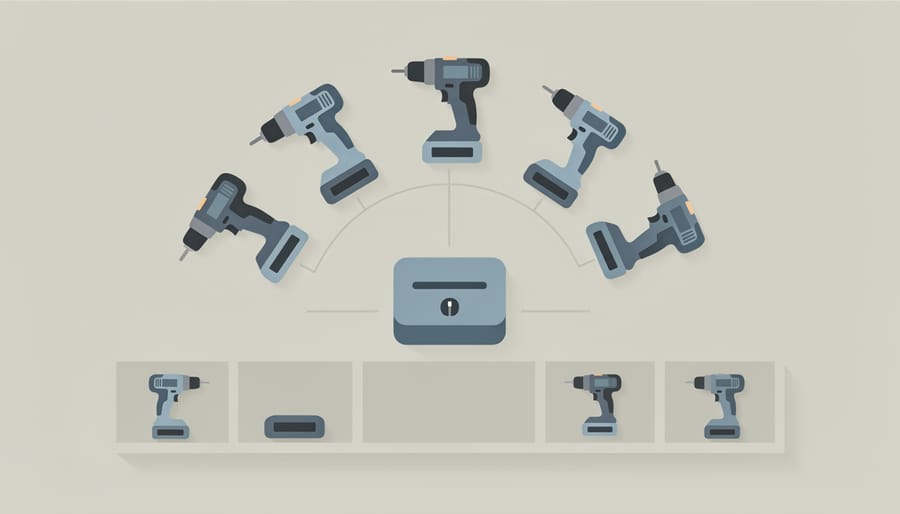
One of the most common questions gardeners ask is whether their HART batteries can power tools from other brands. The short answer: HART batteries are designed exclusively for HART tools and won’t physically fit tools from other manufacturers like DeWalt, Ryobi, or Makita. Each brand uses proprietary battery designs with different connection points, voltage management systems, and safety features, which means direct swapping isn’t possible without modifications.
That said, the world of battery compatibility has spawned a small industry of third-party adapters that claim to bridge the gap between different battery systems. You can find adapters online that promise to let you use HART batteries with other brands’ tools, or vice versa. While these adapters might technically work, they come with significant downsides. The voltage regulation may not match what the tool expects, potentially damaging your equipment or creating safety hazards during use.
From a practical gardening perspective, the smartest approach is committing to one battery ecosystem and building your tool collection within it. This strategy gives you the convenience of swapping batteries between your hedge trimmer, leaf blower, and string trimmer without juggling multiple chargers or worrying about compatibility issues. HART’s range covers most garden tasks, so staying within their system rarely means missing out on essential tools. The upfront commitment to one brand pays off in simplicity and reliability as your garden tool collection grows over the seasons.
Our Recommendations: Matching Batteries to Your Garden Tools
Choosing the right battery comes down to matching capacity with your actual garden work. If you’re just starting out with a small balcony or patio garden, one 2.0Ah compact battery paired with a string trimmer covers most light pruning and edging tasks beautifully. You’ll appreciate how manageable these smaller batteries feel during overhead work, and they recharge quickly enough that you’re never waiting long between sessions. As your collection of must-have tools grows, add a second compact battery so one can charge while you work with the other.
For established gardens on a typical suburban lot, the 4.0Ah standard capacity battery becomes your workhorse. This setup handles a string trimmer, hedge trimmer, and leaf blower across most weekend garden sessions without needing a mid-task recharge. Start with two 4.0Ah batteries if you’re assembling several essential gardening tools at once. That gives you flexibility to tackle larger projects like trimming an entire hedge row or clearing autumn leaves from multiple beds in one go.
Here are battery combinations that work well for different garden scenarios:
- Small urban garden (under 500 sq ft): One 2.0Ah battery with trimmer and pruning shears
- Quarter-acre suburban lot: Two 4.0Ah batteries supporting trimmer, blower, and hedge trimmer
- Large property (half-acre plus): One 6.0Ah battery for the mower, plus two 4.0Ah batteries for other tools
- Multi-tool professional setup: Two 6.0Ah batteries for heavy equipment, three 4.0Ah batteries for handheld tools
If you maintain a larger property with significant lawn area, invest in at least one 6.0Ah high-capacity battery specifically for your mower. Mowing drains batteries faster than any other garden task, and you’ll finish a half-acre comfortably on a single charge. Keep your 4.0Ah batteries for the lighter tools rather than burning through expensive high-capacity cells on quick trimming jobs.
Budget-conscious gardeners can apply money-saving tips by watching for combo kits that bundle a tool with one or two batteries at better prices than buying separately. Build your battery collection gradually as you add tools, prioritizing capacity that matches your most frequent tasks rather than buying the biggest battery available simply because it exists.
Common Mistakes to Avoid When Buying HART Batteries
Even experienced gardeners sometimes make battery purchasing decisions they later regret. Here are the most common pitfalls and how to avoid them.
The biggest mistake is underestimating your runtime needs. That compact 1.5Ah battery looks appealing at checkout, but it won’t last through a full lawn mowing session. Calculate your actual garden time: if you regularly spend two hours on weekend lawn care, you need batteries that can genuinely support that workload. Starting with at least one 4.0Ah battery gives you realistic runtime for most garden tasks without constant charging interruptions.
Many gardeners fall into the trap of buying multiple low-capacity batteries instead of investing in one or two high-capacity options. Three 1.5Ah batteries might seem like better value than one 4.0Ah, but you’ll spend more time swapping batteries than gardening. It’s frustrating to stop mid-hedge-trim because your third battery just died.
Ignoring charge time creates unnecessary downtime. If you have only one charger and two batteries, but each needs ninety minutes to recharge, you can’t maintain continuous work on bigger projects. Consider a rapid charger or plan your garden sessions around realistic charging schedules rather than expecting instant turnaround.
Always purchase batteries from official retailers or HART’s verified partners. Authentic batteries include proper safety certifications and serial numbers you can verify.
Finally, don’t buy batteries in isolation. Think about your tool collection’s future. If you plan to add a lawn mower or leaf blower next season, choose battery capacities that will serve those more demanding tools, not just your current hand pruner.
Expert Perspective: A Professional Gardener’s Take on Battery Systems
We spoke with Maria Chen, a landscape maintenance professional who’s been using HART’s cordless tools for her residential garden care business for the past three years. Here’s what she had to say about managing batteries across multiple jobs.
“When I first switched to HART, I made the classic mistake of buying five 1.5Ah batteries thinking more was better,” Maria laughs. “I learned quickly that two 4Ah batteries actually gave me more flexibility than a pile of smaller ones. Now I run three 4Ah batteries and one 2Ah for my handheld pruner, and that covers a full day’s work across four properties.”
Her biggest lesson? Charge timing matters more than battery count. “I charge one battery during lunch and keep a second fully charged in my truck. That rotation means I’m never waiting around, even on heavy mowing days. The 4Ah batteries charge in about an hour, so planning becomes second nature.”
Maria’s practical tip for new HART users: “Match your battery to your longest job, not your shortest. If you’ll spend an hour mowing but only ten minutes trimming, buy the battery that handles the mowing. Your trimmer will be fine with the bigger battery, but your mower won’t run well on a tiny one. It sounds obvious, but you’d be surprised how many people buy backwards.”
Her final advice? “Keep your batteries out of your hot truck. I learned that the hard way one summer.”
Frequently Asked Questions
How long do HART batteries typically last before needing replacement?
With proper care, HART 20V batteries generally last between three to five years or around 500 to 1,000 charge cycles, depending on usage patterns and maintenance. You’ll notice it’s time for a replacement when runtime drops noticeably even after a full charge, or if the battery no longer holds a charge at all.
Can I use newer HART batteries with older HART 20V tools I bought a few years ago?
Yes, HART has maintained backward compatibility across their 20V platform, so newer batteries work perfectly with older tools and vice versa. This makes it easy to upgrade your battery collection without worrying about whether they’ll fit your existing equipment.
What’s the best way to store HART batteries during winter when I’m not gardening much?
Store your batteries in a cool, dry place indoors (ideally between 50-70°F) at around 30-50% charge rather than fully charged or completely drained. Avoid leaving them in freezing garages or sheds, as extreme cold can damage the cells and reduce overall lifespan.
Should I let my HART battery fully drain before recharging it?
No, lithium-ion batteries like those in HART tools actually prefer partial discharge cycles. Feel free to top up your battery whenever it’s convenient rather than waiting for it to die completely, which can actually stress the cells over time.
These questions come up constantly among gardeners new to battery-powered tools, and honestly, they’re all completely reasonable things to wonder about. The good news is that HART batteries are quite forgiving and don’t require elaborate care routines to perform well.
One concern we hear frequently is about accidentally mixing up chargers. While HART chargers are designed specifically for HART batteries, using the correct charger ensures optimal charging speed and battery health. The chargers have built-in safeguards, but it’s still worth labeling your chargers if you own multiple battery platforms to avoid confusion in a busy shed.
If you notice your battery getting unusually warm during charging or use, that’s worth paying attention to. Some warmth is normal, especially during fast charging or heavy-duty tasks, but excessive heat can indicate a problem. Let the battery cool down before continuing, and if it happens repeatedly, contact HART’s customer service, their warranty coverage is quite helpful for genuine issues.
Remember, batteries are the heart of your cordless tool system, so treating them with a bit of care pays dividends in performance and longevity.
Choosing the right battery for your HART tools doesn’t have to be complicated. Start by thinking about your typical gardening day, how long you’re working, which tools you reach for most often, and what projects bring you the most satisfaction. A compact battery might be perfect if you’re mostly pruning and tidying, while those tackling bigger lawns or extended projects will appreciate the staying power of high-capacity options.
The beauty of HART’s 20V system is its flexibility. You can start small and build your collection as your garden grows, knowing each battery works across your entire toolkit. This means less time managing chargers and more time enjoying the results of your work.
Remember, the best battery setup is the one that supports your gardening rhythm without interruption. Whether you’re a weekend warrior or someone who gardens most days, matching your battery capacity to your actual needs makes every task smoother and more enjoyable. Take stock of what you’ve learned here, consider your garden’s unique demands, and choose batteries that let you focus on what you love most, creating and nurturing your outdoor space.