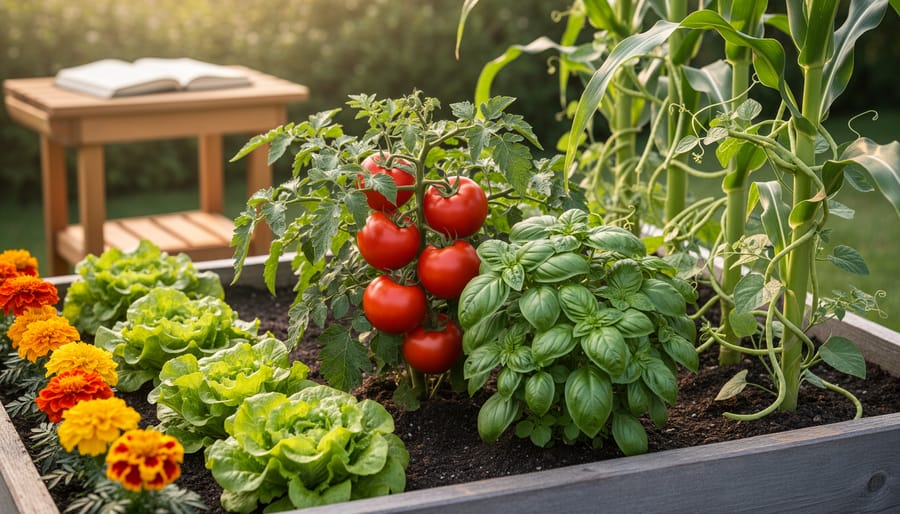
In your backyard lies one of our most powerful tools against climate change. Every seed planted, every vegetable harvested, and every flower that blooms contributes to a larger environmental solution. Gardens act as natural carbon sinks, pulling greenhouse gases from the atmosphere and storing them safely in the soil through a process called carbon sequestration. When we cultivate our own food and native plants, we’re not just growing sustenance – we’re creating micro-ecosystems that support biodiversity, reduce food transportation emissions, and build resilient local food systems.
From apartment balconies to sprawling community plots, gardens of all sizes play a vital role in combating global warming. By implementing sustainable gardening practices like composting, water conservation, and organic growing methods, home gardeners worldwide are joining a grassroots movement that’s making a measurable impact on our planet’s health. The simple act of tending a garden connects us directly to climate solutions while providing fresh, nutritious food and creating habitats for essential pollinators.
How Your Garden Captures Carbon
The Power of Soil Health
When it comes to fighting climate change, the ground beneath our feet holds tremendous potential. Through healthy soil management practices, gardeners can turn their plots into powerful carbon sinks. Think of soil as nature’s storage unit – when we treat it right, it can lock away significant amounts of carbon dioxide from the atmosphere.
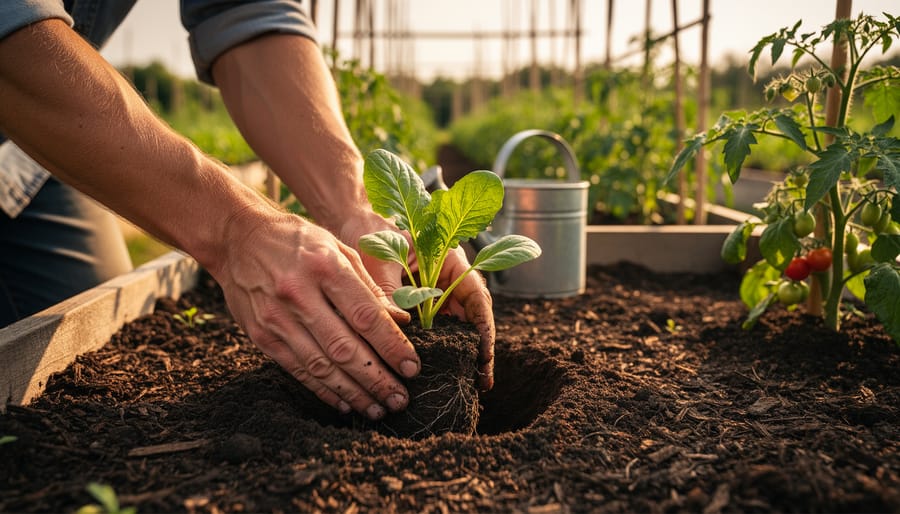
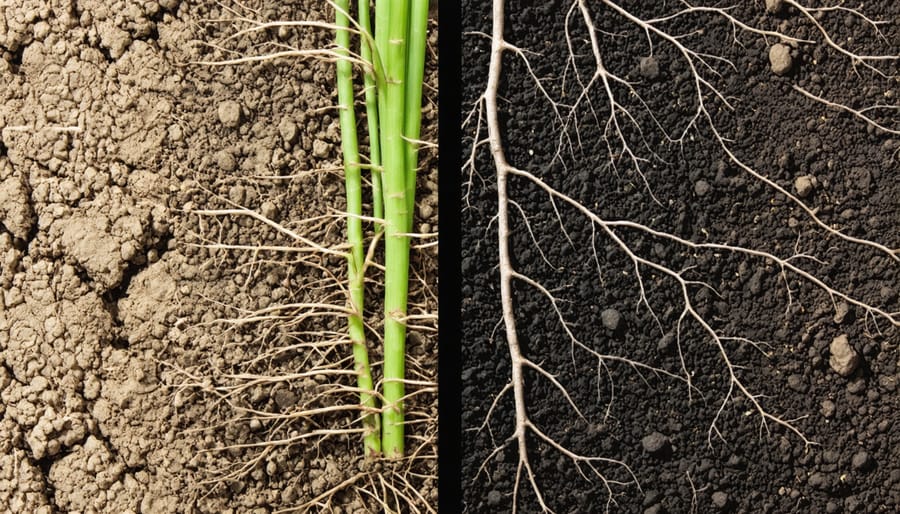
The secret lies in building organic matter through composting, mulching, and minimal tilling. These practices encourage beneficial microorganisms and fungi that help store carbon deep within the soil structure. By adding compost and keeping soil covered with mulch, you’re not just feeding your plants – you’re helping create a stable environment where carbon can be safely tucked away for years.
What’s particularly exciting is how this process creates a positive feedback loop. As soil health improves, it can store even more carbon, while also becoming more resilient to climate extremes. This means your garden not only helps fight climate change but becomes better equipped to handle its effects. The best part? These carbon-storing techniques also lead to more productive gardens with healthier, more vibrant plants.
Plant Selection for Maximum Impact
When it comes to fighting climate change through gardening, choosing the right plants can make a significant difference in carbon sequestration. Trees are the champions of carbon storage, with oak, maple, and pine species being particularly effective. These long-living giants can store hundreds of pounds of carbon over their lifetime.
But don’t worry if you have limited space! Deep-rooted perennials like native grasses, lavender, and salvias are excellent choices for smaller gardens. These plants develop extensive root systems that lock carbon deep in the soil while requiring minimal maintenance.
Consider adding nitrogen-fixing plants like beans, peas, and clover to your garden. These plants not only store carbon but also improve soil health naturally, reducing the need for carbon-intensive synthetic fertilizers.
Native plants are particularly valuable as they’re already adapted to local conditions and typically require less water and maintenance. Look for species with substantial root systems and long life spans. Bonus tip: incorporate a mix of evergreen and deciduous plants to ensure year-round carbon capture.
Remember, the key is diversity – a varied plant selection creates a more resilient garden that maximizes carbon storage potential while supporting local wildlife.
Reducing Your Carbon Footprint Through Smart Gardening
Growing Your Own Food
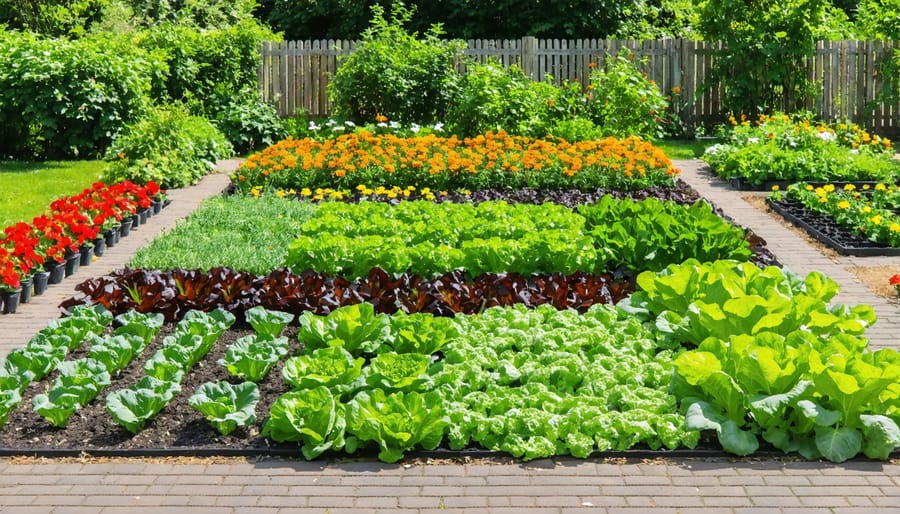
Growing your own food is one of the most impactful ways to reduce your carbon footprint through gardening. When you harvest vegetables from your backyard, you’re eliminating the need for long-distance transportation of produce, which significantly cuts down on greenhouse gas emissions. Consider this: the average meal in North America travels about 1,500 miles from farm to plate, consuming fossil fuels and generating carbon emissions along the way.
By creating a home garden, you’re not just saving transportation emissions – you’re also reducing packaging waste and supporting a more sustainable food system. Even a small vegetable patch can make a difference. Start with easy-to-grow crops like tomatoes, lettuce, and herbs, and gradually expand your garden as you gain confidence. Using techniques like companion planting can help maximize your growing space while naturally deterring pests.
Growing food at home also encourages seasonal eating, which further reduces the energy needed for storage and artificial ripening. Plus, when you control the growing process, you can ensure your produce is grown without harmful pesticides and synthetic fertilizers that contribute to greenhouse gas emissions. Remember, even growing just 20% of your own produce can make a meaningful impact on reducing your carbon footprint while providing you with fresh, nutritious food right outside your door.
Water-Wise Gardening
Water conservation is a crucial aspect of climate-friendly gardening, and there are numerous ways to make your garden more water-efficient. Start by choosing drought-resistant plants that naturally require less water, such as lavender, sage, and native species adapted to your local climate. These plants not only reduce water consumption but also tend to be more resilient during dry spells.
Implementing smart watering techniques can dramatically reduce water usage. Water deeply but less frequently to encourage deep root growth, and always water early in the morning or late in the evening to minimize evaporation. Installing a drip irrigation system or using soaker hoses delivers water directly to plant roots, reducing waste by up to 50% compared to overhead sprinklers.
Mulching is another powerful water-saving strategy. A 2-3 inch layer of organic mulch around your plants helps retain moisture, suppress water-hungry weeds, and regulate soil temperature. Consider collecting rainwater in barrels or installing a rain garden to capture and utilize natural precipitation, reducing reliance on municipal water supplies.
For container gardens, choose self-watering pots or add water-retaining crystals to the soil mix. Group plants with similar water needs together, creating hydrozones that make efficient use of irrigation. Installing moisture sensors or smart irrigation controllers can help optimize watering schedules based on weather conditions and soil moisture levels, ensuring plants receive exactly what they need without waste.
Adapting Gardens for Climate Resilience
Climate-Hardy Plant Communities
Creating resilient plant communities in your garden isn’t just about choosing individual plants – it’s about understanding how different species work together to create a stronger, more adaptable ecosystem. By combining drought-resistant garden plants with other climate-hardy varieties, you can build a garden that thrives despite weather extremes.
Start by selecting plants with complementary root systems. Deep-rooted plants like yarrow and echinacea can be paired with shallow-rooted species such as native grasses, creating layers that maximize water efficiency and soil stability. These combinations help maintain soil structure and prevent erosion during heavy rains or drought periods.
Consider creating plant communities that mimic natural ecosystems. For example, combining tall sunflowers with climbing beans and low-growing squash (the famous “Three Sisters” method) creates a mini-ecosystem where each plant supports the others. The sunflowers provide structure, beans fix nitrogen in the soil, and squash leaves shade the ground to retain moisture.
Temperature fluctuations become less threatening when you group plants with similar climate tolerances. Try clustering heat-loving Mediterranean herbs like lavender, rosemary, and sage together. They’ll not only survive hot spells but will also create beneficial microclimates for neighboring plants.
Remember to include native plants in your combinations – they’re already adapted to your local climate patterns and provide essential support for local wildlife, making your garden more resilient overall.
Natural Climate Solutions
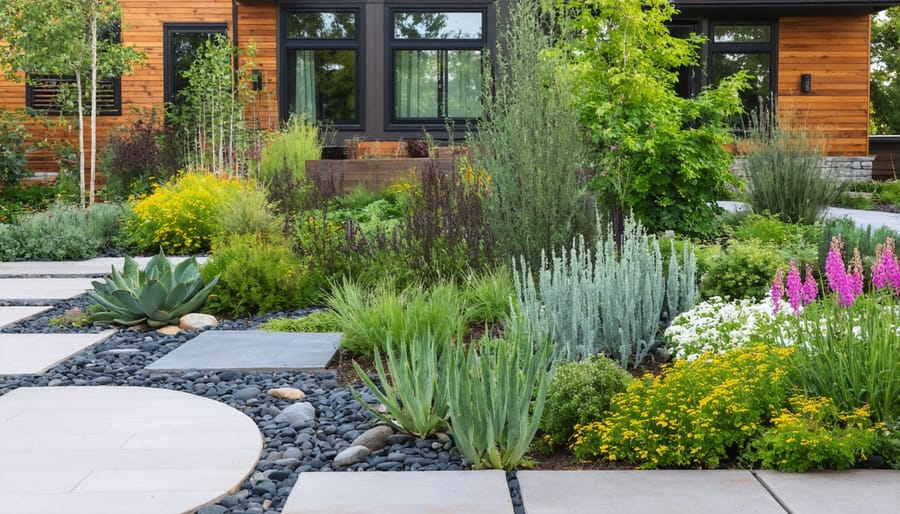
Natural climate solutions in gardening work hand-in-hand with nature to create resilient spaces that withstand extreme weather while reducing carbon emissions. One of the most effective approaches is implementing water-wise gardening techniques, such as mulching and installing drip irrigation systems, which help conserve water during dry spells and protect soil during heavy rains.
Creating windbreaks using native trees and shrubs offers dual benefits: they protect your garden from strong winds while sequestering carbon from the atmosphere. Adding organic matter to your soil not only improves plant health but also increases the soil’s capacity to store carbon and retain water.
Consider incorporating permaculture principles by creating layers in your garden. Tall trees provide shade and wind protection, while shorter plants and ground covers work together to maintain soil moisture and reduce erosion. This natural ecosystem approach requires less intervention and maintains itself more efficiently.
Another powerful solution is companion planting, where certain plant combinations naturally protect each other from pests and extreme weather conditions. For instance, tall sunflowers can shield heat-sensitive plants during summer, while low-growing herbs help retain soil moisture and prevent weed growth.
Remember to choose climate-appropriate plants that can thrive in your local conditions without requiring excessive resources. Native plants are particularly well-suited for this purpose, as they’ve already adapted to local weather patterns and typically need less maintenance and water to flourish.
While individual gardens may seem small in the grand scheme of climate change, their collective impact is truly remarkable. Every garden we plant becomes part of a greater solution, creating microhabitats that capture carbon, support biodiversity, and help cool our communities. As more people embrace sustainable gardening practices, these small patches of green space become powerful tools in our fight against climate change.
By maintaining a garden, you’re not just growing beautiful plants – you’re actively participating in climate action. Your garden absorbs carbon dioxide, reduces urban heat, prevents soil erosion, and provides essential habitat for pollinators and wildlife. Even a modest vegetable patch or a few container plants on your balcony can make a difference.
The time to start gardening for climate change is now. Whether you’re planting trees, growing your own food, or creating a pollinator paradise, every gardening decision you make impacts our planet’s future. Join the growing community of climate-conscious gardeners and be part of the solution. Remember, when millions of us tend our gardens with climate in mind, we create a greener, more resilient world for generations to come.