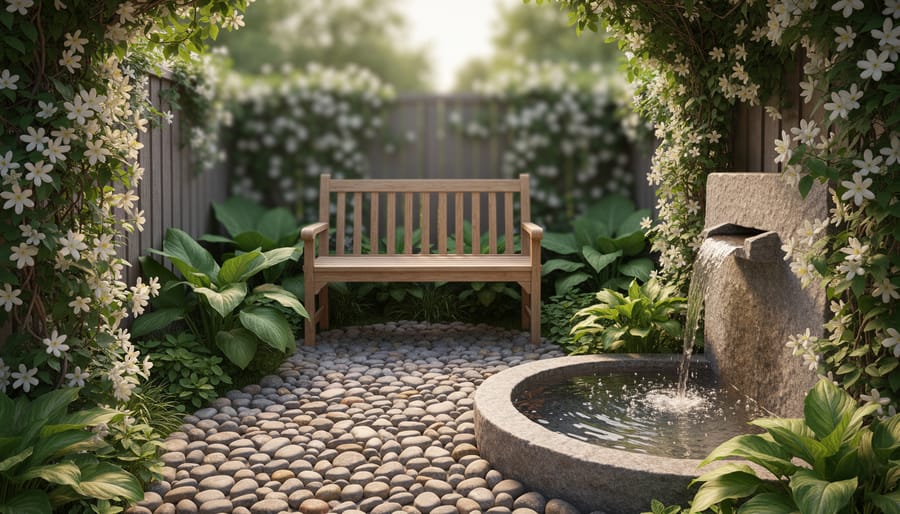
A spiritual garden is a dedicated outdoor space designed to quiet the mind, invite reflection, and deepen your connection to something greater than yourself. Whether you practice meditation, prayer, journaling, or simply need a sanctuary from daily demands, this type of garden combines intentional design elements like enclosed seating areas, water features, and carefully chosen plants to create an atmosphere that supports contemplation. You don’t need acreage or a degree in landscape design. A corner of your yard, a courtyard, or even a small patio can become sacred ground with the right approach.
The difference between any garden and a spiritual one lies in purpose. While traditional gardens emphasize aesthetics or productivity, spiritual gardens prioritize experience. They’re built around sensory engagement that anchors you in the present moment: the sound of trickling water, the scent of jasmine at dusk, the texture of smooth river stones underfoot. This focus on mindfulness connects them to spaces like ethnobotanical gardens which honor plants for their cultural and spiritual significance.
Creating one requires less money than you’d think and more clarity about how you want to feel when you’re there. Some people crave complete silence and privacy. Others want birdsong and open sky. The planning process begins with honest questions about your spiritual practice and ends with a space that feels like coming home. You’ll learn to choose plants not just for color but for their ability to shift energy, and you’ll discover that the act of building the garden often becomes as transformative as using it.
What Makes a Garden Spiritual?
A spiritual garden differs from an ordinary garden in one fundamental way: intention. While any garden might offer beauty and relaxation, a spiritual garden is deliberately designed to support your contemplative practices, whether that’s meditation, prayer, ritual observance, or simple mindful reflection. The plants you choose, the objects you place, and the spaces you create all serve a purpose beyond aesthetics, they facilitate connection with something larger than daily concerns.
The defining characteristics start with mindfulness in every design choice. You’re not just selecting a bench because it looks nice; you’re positioning it to face the morning sun for dawn meditation, or placing it where you can watch the moon rise during evening reflection. Every element gets considered for how it serves your practice. This might mean a small altar stone positioned at a garden’s heart, a water feature whose sound masks neighborhood noise during meditation, or a circular path that turns an ordinary walk into a contemplative labyrinth.
These gardens function as threshold spaces, places where you consciously step from the mundane world into sacred time. Just as traditional sacred architecture uses doorways and courtyards to mark transitions, your spiritual garden creates boundaries between everyday tasks and spiritual work. This might be as simple as a small gate you pass through, a particular stone you touch as you enter, or the act of lighting a candle that signals you’ve shifted from gardener to practitioner.
The space should accommodate your actual practices, not theoretical ones. If you sit for meditation, you need comfortable seating and perhaps shade. If you celebrate seasonal ceremonies, you need room to move and places to set ritual objects. If journaling is part of your practice, a flat surface becomes essential. Your spiritual garden grows from what you actually do there.
Planning Your Spiritual Garden Space
Choosing Your Spiritual Focus
Your garden’s spiritual purpose shapes every design decision you’ll make. Before choosing plants or placing stones, clarify what kind of practice you want your space to support.
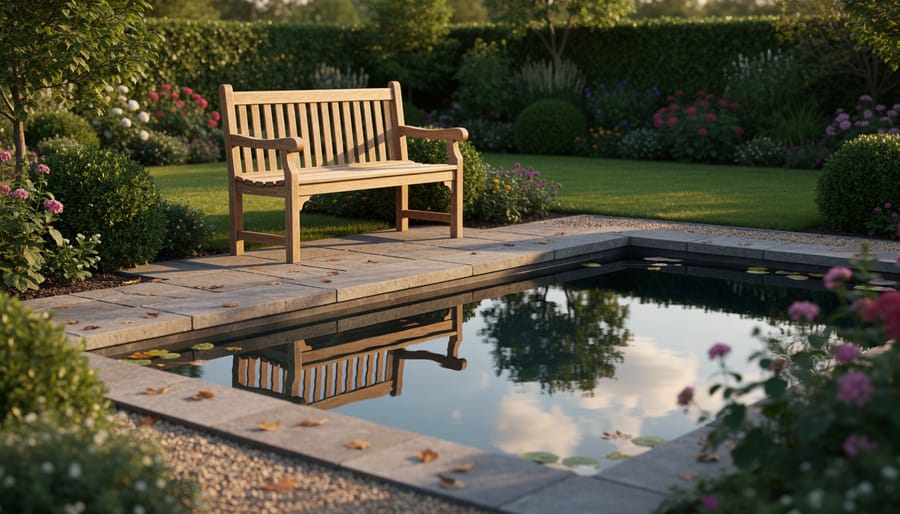
Meditation gardens emphasize simplicity and minimal distraction. A single bench facing a carefully composed view, perhaps three stones and a sweep of gravel, creates the stillness needed for sitting practice. These gardens work beautifully in small spaces, even a 5-gallon bucket planter with fragrant herbs beside your meditation cushion anchors your practice.
Prayer gardens incorporate symbols meaningful to your faith tradition. Christian gardens might center on a cross and rosemary for remembrance. Buddhist-inspired spaces often include lotus imagery and offerings of water. Islamic gardens traditionally feature four quadrants representing paradise, with water as the unifying element.
Elemental gardens balance earth, water, fire, air, and space through deliberate material choices. You might position a fire pit in the south, a water feature in the west, wind chimes in the east, and a stone cairn in the north, leaving an open center for contemplation.
Labyrinth paths turn walking into meditation. A simple three-circuit design fits in a 12-foot circle, while a classical seven-circuit labyrinth needs about 30 feet. Mark yours with stones, low herbs, or mown grass patterns.
Ancestor memorial gardens honor those who’ve passed through living beauty rather than static monuments. Plant perennials that return each spring, or trees that grow stronger with years, creating legacy through growth.
Your garden reflects your journey, not someone else’s orthodoxy. Start with practices that genuinely matter to you.
Essential Elements for Sacred Garden Design
Creating a Focal Point
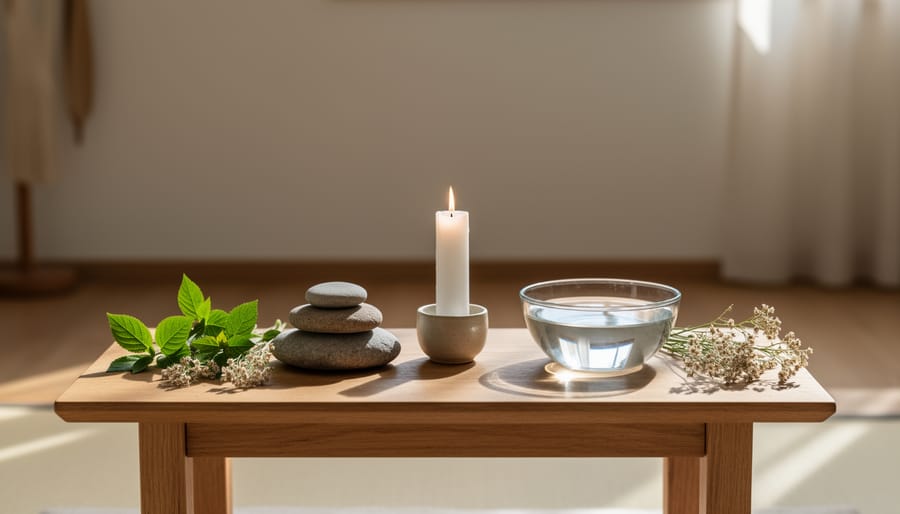
A focal point gives your spiritual practice a physical anchor, somewhere your eyes naturally rest and your attention settles when you enter the space. Unlike decorative garden features, this centerpiece serves meditation and contemplation directly.
Choose something that resonates with your practice. A Buddha statue, cross, or deity figure works if religious imagery strengthens your connection. Water features provide sound that masks distractions and creates natural rhythm for breathing exercises. A large stone or boulder brings ancient earth energy and stays beautiful through all seasons. You might build a simple altar, a flat stone or wooden platform for candles, offerings, and sacred objects. Living focal points like a mature tree or specimen shrub shift with seasons, teaching impermanence while providing shade for reflection.
Placement matters as much as the object itself. Position your focal point where you’ll sit facing it, typically at the garden’s far end or center, visible from your meditation spot but not blocking movement through the space. Scale it to your garden, a small courtyard needs a modest stone or fountain, while a larger yard can support a substantial tree or elaborate water feature. Surround it with lower plantings like medicinal tea herbs or groundcovers that frame without competing for attention.
Incorporating the Elements
The five elements offer a framework for creating balance in your spiritual garden, with each bringing distinct energy and purpose to the space.
Earth appears naturally through soil, rocks, and plants themselves. Add a flat stone for sitting meditation, create a small rock cairn, or incorporate a clay vessel. Earth grounds your practice and connects you to stability.
Water introduces movement and sound that quiets mental chatter. A small tabletop fountain works for balconies, while larger spaces can accommodate bird baths or reflection pools. Even a bowl of water refreshed daily serves as a symbolic element.
Fire represents transformation and illumination. Safe options include votive candles in hurricane glasses, solar lights along pathways, or a small fire pit surrounded by stone seating. Reserve actual flames for when you’re present in the space.
Air flows through your garden naturally but can be highlighted with wind chimes, prayer flags, tall grasses that rustle, or hanging ornaments that catch the breeze. These elements remind you that spirit moves invisibly through all things.
Space requires the discipline to leave areas open rather than filling every corner. These breathing spaces allow energy to circulate and give your eye places to rest during contemplation.
Pathways and Movement
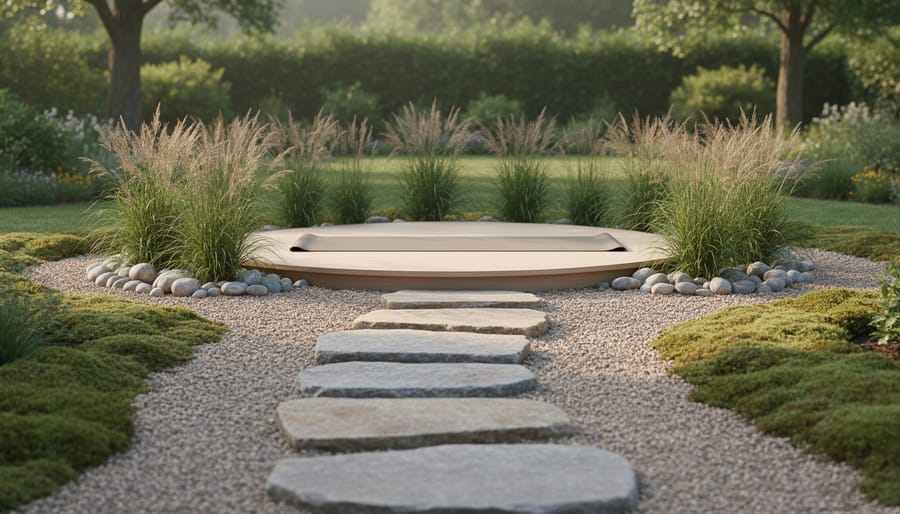
How you move through your spiritual garden shapes your experience as much as what you see there. The path itself becomes a teacher in mindfulness.
Straight paths create direct energy and purposeful movement, useful when you want to walk from one sacred point to another with intention. They suit small spaces and formal meditation practices. Meandering paths slow you down naturally, inviting you to notice details and discover new perspectives as the trail curves. A winding route through your garden turns a ten-foot walk into a longer journey, giving your mind time to settle.
Stepping stones scattered through grass or groundcover demand your attention. You must watch where you place each foot, which anchors you in the present moment and pulls your thoughts away from mental chatter. Space them for a natural walking pace, not so far apart that the gaps feel like obstacles.
Simple labyrinth designs offer walking a labyrinth meditating practice without requiring extensive space. A three-circuit labyrinth fits in a twelve-foot square and provides the contemplative benefits of following a winding path to a center point and back out again. You can create one with stones, pavers, or low plantings like thyme.
Circular patterns around a focal point encourage you to view your meditation object from different angles, literally and metaphorically shifting your perspective as you walk.
Plant Selection for Spiritual Gardens
The plants you choose become living participants in your spiritual practice, not just decorative elements. Your selection should balance three considerations: what genuinely resonates with your beliefs or intentions, what grows reliably in your climate, and what sensory qualities enhance contemplation. A struggling plant that demands constant intervention disrupts the peace you’re trying to cultivate.
Start with plants that have traditional sacred associations if they align with your practice. White sage thrives in dry climates and carries powerful cleansing symbolism in many traditions. Lavender brings calming fragrance to prayer spaces and grows reliably across most zones. Rosemary has centuries of association with remembrance and protection, making it ideal for ancestor gardens or memorial spaces. These classics earn their reputation through both symbolism and hardiness.
Fragrant plants serve double duty in spiritual gardens. Scent triggers memory and emotion more directly than any other sense, anchoring your practice to specific plants and seasons. Night-blooming jasmine transforms evening meditation. Sweetgrass, if you can grow it, carries profound significance in Indigenous ceremonies. Even common mint varieties, which you might already have from your first herb garden bring refreshing clarity to contemplative spaces.
| Plant | Spiritual Association | Growing Conditions | Best Use |
|---|---|---|---|
| White Sage | Cleansing, purification | Full sun, zones 8-11, dry soil | Smudging, ritual bundles |
| Lavender | Peace, devotion, clarity | Full sun, zones 5-9, well-drained | Pathway borders, altar offerings |
| Mugwort | Dreams, divination, protection | Sun to part shade, zones 3-9 | Moon garden focal point |
| Yarrow | Courage, healing, boundaries | Full sun, zones 3-9, drought-tolerant | Meadow areas, medicine wheel |
| Wormwood | Psychic awareness, spirit work | Full sun, zones 4-9, poor soil ok | Perimeter plantings |
Seasonal plants help you track the wheel of the year if that matters to your practice. Spring bulbs mark renewal and emergence. Summer sunflowers follow the sun’s path and represent devotion across cultures. Autumn sedums and grasses acknowledge decline and preparation. Evergreens provide continuity through winter, reminding you that the sacred doesn’t disappear in dormancy.
Don’t overlook native plants that grew in your region before colonization. They carry the spiritual heritage of place and support local ecosystems with minimal input. A dream herb garden in a spiritual context might feature local medicinal plants your ancestors used, connecting you to lineage through living tradition.
Whatever you choose, plant in groups rather than singles. Three lavender plants create presence. One looks tentative. Your spiritual garden needs enough plant density to feel intentional and enclosed, but not so crowded that maintenance becomes a burden that pulls you away from practice.
Building Your Spiritual Garden: A Step-by-Step Process
Start by clearing and cleansing your chosen space, remove weeds, debris, and anything that doesn’t serve your vision. Some gardeners perform a simple blessing or acknowledgment of the land before beginning work. This doesn’t need to be elaborate; speaking your intention aloud or spending a few quiet moments in the space sets the tone for what you’re creating.
Next, prepare the soil. Test and amend it as needed for the plants you’ve selected, but approach this task mindfully rather than rushing through it. Working the soil with your hands connects you physically to the project and can become part of your practice from the very beginning.
Lay out your pathways before planting. Use stakes and string to mark walking routes, or lay out stones and pavers to visualize the flow. Walk the paths several times, adjusting until the movement feels right. Your body knows when a path invites contemplation versus when it feels awkward or rushed.
Install your focal point next, whether that’s a bench, statue, water feature, or altar stone. Position it where it will anchor the space without dominating it. Make sure you can see it from your entry point and that it has adequate room around it for you to sit or stand comfortably.
Now plant thoughtfully, starting with larger shrubs or trees that define the space, then adding mid-sized perennials, and finishing with ground covers or smaller accent plants. Leave adequate space for each plant to mature. Resist the urge to fill every gap immediately, spiritual gardens benefit from breathing room.
Add secondary elements like seating, lighting, wind chimes, or potted plants once the main plantings are in place. These finishing touches personalize the space and make it more inviting for regular use.
Water everything thoroughly and mulch your beds. Then step back. Your garden won’t look finished yet, and that’s exactly right.
Establish your first ritual in the unfinished space, sit for ten minutes, walk the paths slowly, or simply observe what you’ve created. Return daily during the first weeks, even briefly. These regular visits help you notice what’s working, what needs adjustment, and where the space wants to guide your practice. The garden teaches you how to use it, but only if you show up and pay attention.
Interview: Creating Sacred Space Through Gardening
I spoke with Maya Chen, a landscape designer who has spent fifteen years creating contemplative gardens for retreat centers, private homes, and healing spaces across the Pacific Northwest.
What draws you to sacred garden design?
“Traditional landscape design focuses on aesthetics and function, but sacred gardens ask a different question: how does this space change you? I work with clients to understand their spiritual needs first, then let the design emerge from that conversation. A Buddhist meditation teacher needs something different than someone creating a remembrance garden for a lost loved one.”
What’s your favorite project?
“A couple asked me to design a garden marking their twenty-fifth anniversary. We created a circular space with twenty-five stepping stones, each representing a year together. They walk the path on significant dates, pausing at stones that mark major life events. It’s simple, deeply personal, and transforms an ordinary backyard corner into a living timeline of their shared spiritual journey.”
What advice do you give beginners?
“Start with one intentional element and actually use it. I see people create elaborate spaces they never inhabit. Better to place a single bench where morning light falls and sit there daily than to build something impressive you visit twice a year. The garden becomes sacred through your presence and practice, not through the money you spend.”
How do you maintain spiritual connection through seasons?
“I design for year-round engagement. Winter reveals structure and invites different contemplation than summer abundance. Evergreens provide continuity. Deciduous elements teach letting go. I encourage clients to create seasonal rituals, spring planting as renewal practice, fall cleanup as gratitude work. The garden becomes your teacher when you stop expecting it to always look perfect and start noticing what each season offers your practice.”
Maintaining Your Spiritual Practice in the Garden
Your spiritual garden reaches its full potential when you use it regularly, weaving it into the rhythm of your daily or weekly practice rather than treating it as an occasional retreat.
Morning meditation sessions work beautifully in garden spaces, aim for consistency rather than duration. Even fifteen minutes before breakfast establishes a grounding ritual. If mornings don’t fit your schedule, sunset offers equally powerful energy, particularly during seasonal transitions. The key is picking a time you’ll actually keep.
A ritual calendar transforms your garden from backdrop to active participant in your spiritual life. Mark solstices and equinoxes with simple ceremonies, lighting candles at winter solstice, planting seeds at spring equinox, harvesting herbs at autumn equinox. Moon phases provide natural rhythm: full moons for gratitude practices, new moons for intention-setting. You don’t need elaborate ceremonies. Walking your garden path while speaking intentions aloud or sitting quietly with a journal creates meaningful ritual.
Garden journaling deepens your connection. Keep a dedicated notebook near your garden entrance. Record what’s blooming, which birds visit, how the light changes, and how these observations mirror your inner landscape. Write after meditation sessions to capture insights, or use seasonal transitions as prompts for reflection on your own growth.
The maintenance work itself becomes spiritual practice when approached mindfully. Weeding teaches discernment about what to remove from your life. Watering becomes an act of nurturing. Pruning demonstrates healthy boundaries. Deadheading spent flowers reminds us that letting go creates space for new growth.
Your spiritual garden works because you work with it, not through perfection, but through presence.
Common Questions About Spiritual Gardens
Starting a spiritual garden raises practical questions that have nothing to do with how devoted or “spiritual enough” you are. These concerns are about real constraints, money, space, landlords, and family dynamics, that affect what you can actually build.
Can I create a spiritual garden on a tight budget?
Absolutely. Start with what you have: a cleared corner, a single meaningful stone, or a repurposed chair as a seating spot. Many powerful spiritual gardens use free materials like gathered stones, branches, and divisions from existing plants rather than purchased statuary or elaborate water features.
What if I’m renting and can’t make permanent changes?
Focus on container gardens, portable elements, and temporary arrangements. A small table or bench can become an altar, potted plants define your sacred space, and everything moves with you when you relocate.
How do I adapt practices from traditions that aren’t mine?
Approach with respect rather than appropriation. Study the original context, understand the symbolism, and ask whether you’re honoring a practice or just borrowing its aesthetic. When in doubt, draw inspiration from the principles rather than copying specific religious elements.
My yard gets heavy foot traffic from kids and pets, can I still have a spiritual space?
Yes, but design for flexibility. Create a space that can shift between active family use and quiet contemplation, choose sturdy plants that tolerate disruption, or establish boundaries using natural hedging. Some families involve children in simple rituals, making the garden a shared rather than solitary sanctuary.
What if my space is shaded, windy, or otherwise challenging?
Work with your conditions instead of fighting them. Shade invites ferns and moss for a contemplative forest feeling, wind supports prayer flags and chimes, dry spots suit desert meditation aesthetics with stones and succulents. Challenging sites often produce the most distinctive spiritual gardens because they force creative solutions.
The hardest question is often “Am I doing this right?” There’s no orthodoxy for spiritual gardens. If your space helps you pause, reflect, and connect with something beyond your daily concerns, you’re doing it right. The garden that actually gets used, even if it’s three pots on a balcony, serves you better than an elaborate setup you never visit because it feels too precious or formal.
Trust your instincts about what belongs in your space. That weird rock you picked up on vacation might mean more to you than an expensive statue, and that’s exactly the kind of personal symbolism that makes a spiritual garden yours rather than a copy of someone else’s vision.
Your spiritual garden doesn’t need to be complete before it becomes meaningful. Start with a single element that speaks to you, a bench for morning meditation, a small altar stone, three fragrant herbs in containers, and let the space grow as your practice deepens. The most powerful sacred gardens aren’t those that follow a perfect design blueprint; they’re the ones that honestly reflect your spiritual journey, including its detours and discoveries.
As you dig, plant, and tend your space, you’re joining a tradition that stretches across continents and centuries. From monastery cloister gardens to Zen rock arrangements to indigenous medicine wheels, humans have always created outdoor spaces that anchor our spiritual lives in the physical world. Your backyard corner or balcony shrine becomes part of this lineage the moment you bring intention to it.
The garden will teach you as much as you teach it. Some plants will thrive unexpectedly. Weather will alter your plans. You’ll discover that weeding can be meditation and that seasons have wisdom to share. Trust this process. Your spiritual garden is already beginning the moment you decide to create it.