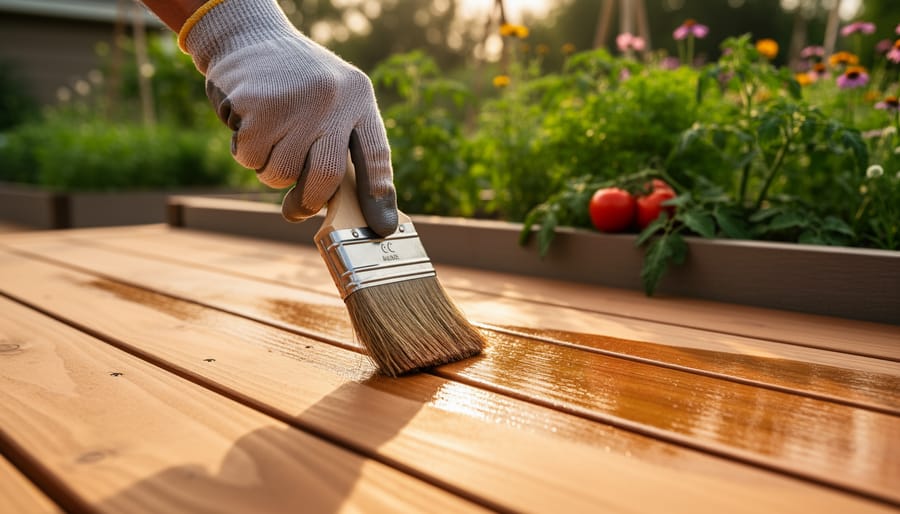
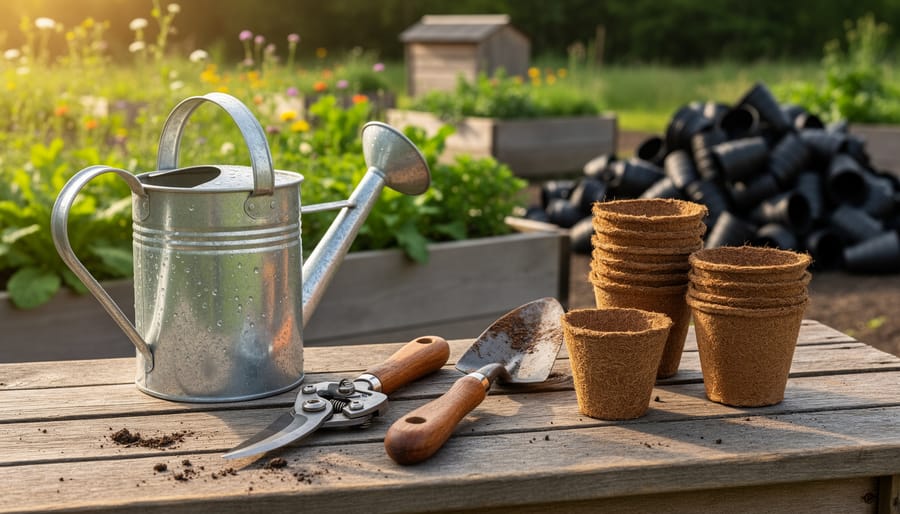
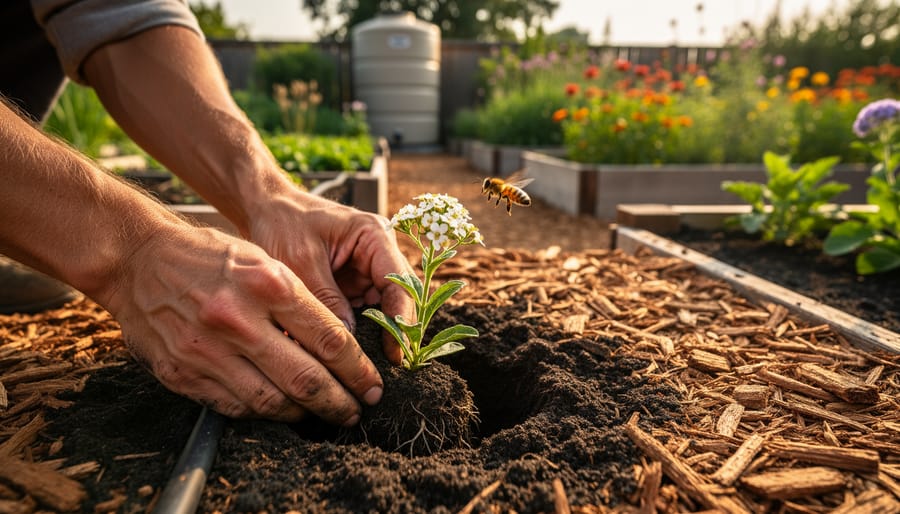
Transform your garden into an eco-conscious haven by choosing tools and supplies that honor both the Earth and your green thumb. Bamboo plant markers, biodegradable seedling pots, and organic jute twine replace their plastic counterparts, while high-quality stainless steel tools outlast cheaper alternatives that end up in landfills. Embracing sustainable gardening practices starts with the supplies we choose – from natural pest deterrents like neem oil to compost bins crafted from reclaimed wood.
Today’s conscious gardeners recognize that every trowel, watering can, and garden stake makes an environmental impact. By selecting durable tools made from renewable materials, collecting rainwater in food-grade barrels, and choosing locally-sourced organic amendments, we create gardens that nurture both our plants and our planet. These thoughtful choices not only reduce waste and support sustainable manufacturing but also often perform better and last longer than conventional alternatives, proving that environmental responsibility and gardening excellence naturally grow together.
Eco-Friendly Materials in Modern Garden Tools
Bamboo and FSC-Certified Wood Tools
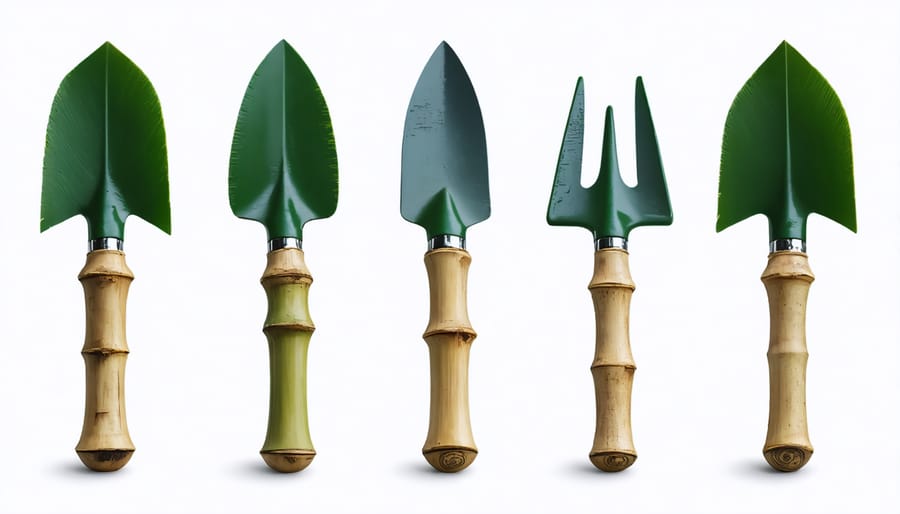
When it comes to innovative sustainable gardening tools, bamboo and FSC-certified wood options are leading the way in eco-friendly gardening. These materials offer the perfect balance of durability and environmental responsibility, making them excellent choices for conscious gardeners.
Bamboo tools are naturally resistant to water and wear, thanks to their dense fiber structure. They’re also incredibly lightweight, making them comfortable to use during long gardening sessions. Since bamboo grows rapidly and requires minimal resources to cultivate, it’s one of the most sustainable materials available for garden tools.
FSC-certified wood tools come from responsibly managed forests, ensuring that for every tree harvested, new ones are planted. These tools often feature hardwoods like ash or oak, known for their strength and longevity. With proper care, wooden handles can last for decades, developing a smooth patina that actually improves grip over time.
Both materials offer excellent alternatives to plastic and metal tools. They’re biodegradable at the end of their life cycle and often come with replaceable parts, extending their usefulness. When shopping, look for tools with comfortable grips, secure fittings, and warranties that back their durability. Remember to store these tools in dry conditions and apply natural oil occasionally to maintain their strength and beauty.
Recycled Metal and Plastic Components
Tools made from recycled materials are revolutionizing sustainable gardening practices. Many manufacturers now transform plastic bottles, old metal tools, and industrial waste into durable, eco-friendly gardening equipment. Plant pots crafted from recycled plastics offer the same functionality as traditional versions while keeping plastics out of landfills. These pots are often UV-resistant and can last for many growing seasons.
Garden tools featuring handles made from recycled plastic and metal components from repurposed materials are becoming increasingly popular. Look for items labeled with recycled content percentages – the higher, the better. Many tools now contain up to 80% recycled materials while maintaining professional-grade quality.
When shopping, keep an eye out for garden edging made from recycled rubber, plant markers created from repurposed plastics, and watering cans manufactured from reclaimed materials. These items often come with the added benefit of being weather-resistant and surprisingly durable.
Local community gardens and seasoned gardeners often praise these recycled tools for their durability and environmental benefits. As a bonus, many recycled items are competitively priced compared to their traditional counterparts, making sustainable gardening accessible to everyone.
Remember, choosing recycled materials helps close the loop in the waste cycle while providing reliable tools for your garden.
Long-Lasting Tools Worth Your Investment
Hand Tools Built to Last Generations
Well-crafted hand tools are the cornerstone of sustainable gardening, offering durability that synthetic alternatives simply can’t match. Look for tools with hardwood handles made from ash or oak, which provide the perfect balance of strength and shock absorption. The best tools feature full-tang construction, meaning the metal extends fully through the handle, ensuring decades of reliable use.
When shopping for hand tools, pay attention to the quality of steel used in the working ends. High-carbon steel, while slightly more expensive initially, maintains its edge longer and can be easily resharpened. Stainless steel options are also excellent, particularly in humid climates, as they resist rust and require less maintenance.
To keep your tools in prime condition, develop a simple maintenance routine. After each use, clean off soil and debris, and store tools in a dry location. Twice yearly, sand wooden handles with fine-grit sandpaper and treat them with linseed oil to prevent splitting. For metal parts, remove any rust with steel wool and apply a light coating of mineral oil.
Traditional tools like hand trowels, pruning shears, and garden forks often come with lifetime warranties when purchased from reputable manufacturers. While they may cost more upfront, these tools can be passed down through generations, making them a truly sustainable choice that reduces waste and supports traditional craftsmanship.
Sustainable Power Tools and Alternatives
When it comes to power tools for your garden, there are many eco-friendly options that can help reduce your environmental impact while getting the job done effectively. Manual tools, which require no electricity or fuel, are often the most sustainable choice. Hand-powered tools like push reel mowers, manual hedge clippers, and hand trowels not only eliminate emissions but also provide a wonderful workout while gardening.
For tasks that require more power, consider battery-operated electric tools instead of gas-powered alternatives. Modern cordless electric mowers, trimmers, and leaf blowers have come a long way in terms of power and battery life. Many manufacturers now offer tools that use interchangeable batteries, reducing waste and making it more cost-effective to expand your collection.
Solar-powered garden tools are another excellent option. Solar-powered water pumps, garden lights, and even small tillers can harness the sun’s energy to help maintain your garden sustainably. Look for tools made from recycled materials or sustainable materials like bamboo handles and recycled steel heads.
Don’t overlook restored or refurbished tools either. Many vintage garden tools were built to last and can be brought back to life with proper maintenance. Local tool libraries and community sharing programs are also fantastic resources for accessing power tools you might only need occasionally, reducing the need for individual ownership and minimizing resource consumption.
Remember to properly maintain whatever tools you choose – regular cleaning, sharpening, and proper storage will extend their lifespan and reduce the need for replacements.
Water-Wise Irrigation Supplies
Smart Watering Systems
Smart watering systems have revolutionized water-efficient gardening methods, making it easier than ever to maintain a thriving garden while conserving our precious water resources. These innovative solutions combine technology with sustainable practices to deliver just the right amount of water when and where your plants need it most.
Drip irrigation systems are a fantastic starting point, delivering water directly to plant roots through small tubes and emitters. They reduce water waste by up to 70% compared to traditional sprinklers and can be easily installed in any garden size. For tech-savvy gardeners, smart controllers with moisture sensors and weather monitoring capabilities automatically adjust watering schedules based on real-time conditions.
Rain barrels and catchment systems are another essential component of smart watering. These simple yet effective tools collect rainwater from your roof, providing a free, chemical-free water source for your garden. Many modern systems now include filters and pumps that make accessing and distributing collected water a breeze.
Consider adding a layer of mulch around your plants to enhance these systems’ effectiveness. This natural addition helps retain moisture, reducing the frequency of watering needed while improving soil health. Together, these smart watering solutions create an efficient, sustainable approach to garden irrigation that saves both water and time.
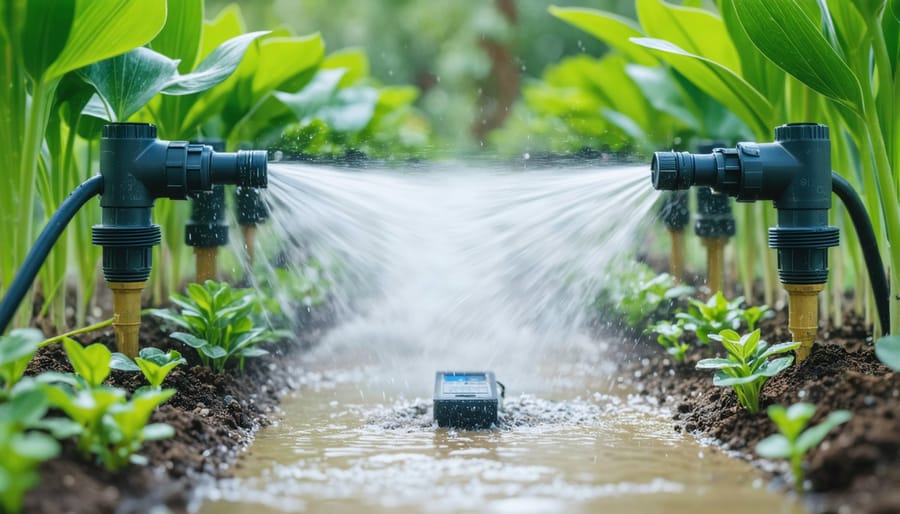
Rain Collection and Distribution
Harvesting rainwater is one of the most effective ways to maintain a sustainable garden while reducing your water bill and environmental impact. A basic rain collection system starts with a high-quality rain barrel, positioned strategically under your downspouts to catch roof runoff. Look for barrels made from recycled food-grade plastic or cedar wood, which are both durable and eco-friendly.
Essential components for an effective setup include a debris filter to keep leaves and twigs out, a secure lid to prevent mosquito breeding, and an overflow valve for heavy rainfall. Consider installing a first-flush diverter, which helps ensure cleaner water by directing the initial runoff away from your collection system.
For larger gardens, linking multiple barrels together with food-grade connecting hoses creates an expanded collection network. Distribution tools like gravity-fed drip irrigation systems and soaker hoses help make the most of your harvested water. Many gardeners find that a simple watering can with a rain barrel spigot attachment is perfect for smaller spaces.
Remember to elevate your rain barrel on a sturdy platform made from recycled materials or concrete blocks. This creates better water pressure and makes accessing the spigot easier when filling watering cans or connecting hoses.
Natural and Reusable Garden Supplies
Biodegradable Growing Containers
Starting your garden sustainably begins with choosing the right containers, and biodegradable options offer an excellent way to incorporate natural gardening materials into your growing routine. These eco-friendly alternatives not only reduce plastic waste but also provide additional benefits for your plants.
Paper pots are among the most accessible options, and you can easily make them at home using newspaper or brown kraft paper. These containers work wonderfully for starting seeds and decompose naturally when planted directly in the ground. For those who prefer ready-made solutions, compressed peat or coir pots offer excellent stability while remaining completely biodegradable.
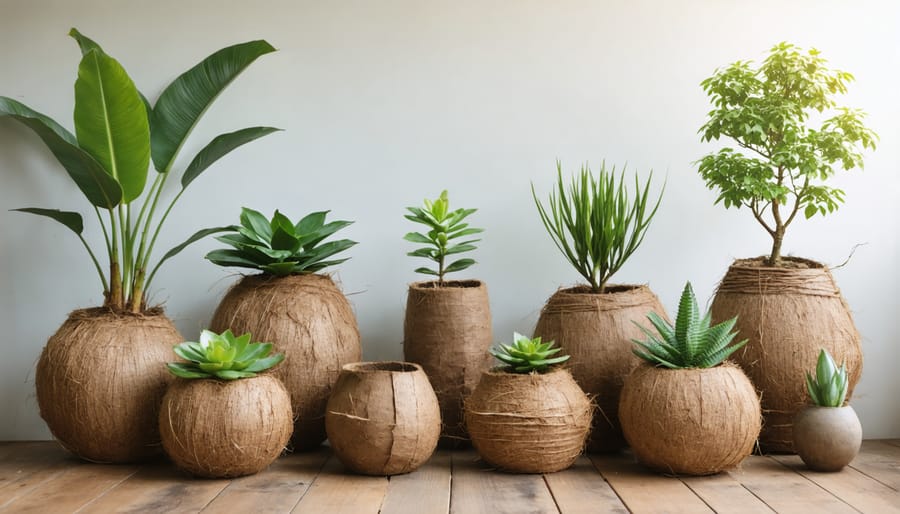
Coconut husks repurposed into growing containers have become increasingly popular, providing excellent drainage and natural nutrients as they break down. Similarly, bamboo pots offer durability for seasonal use while eventually returning to the earth. Many gardeners also swear by egg cartons and toilet paper rolls for starting seeds – items you likely already have at home.
For larger plants, consider containers made from rice hulls or wheat straw. These sturdy pots can last through an entire growing season yet decompose within a year when composted. Some innovative companies now produce pots from mushroom mycelium, which not only break down quickly but also enhance soil quality as they decompose.
Remember that timing matters when using biodegradable containers. Plant them before they start breaking down, typically within 4-6 weeks of first use. This ensures your seedlings establish strong root systems while the container maintains its structural integrity. When planting, make sure to break up the bottom of the container slightly to encourage root growth into the surrounding soil.
Natural Plant Supports and Ties
When it comes to supporting your growing plants, nature offers plenty of sustainable alternatives to plastic ties and metal stakes. Bamboo poles are an excellent choice, providing sturdy support while being completely biodegradable. Their natural strength and durability make them perfect for everything from tomato cages to bean poles.
Another fantastic option is using pruned branches from your own garden. Hazel, willow, and other flexible woods can be woven into beautiful plant supports that add character to your garden while serving a practical purpose. These branches can be shaped into attractive tepees, trellises, or circular supports for climbing plants.
For plant ties, strip old cotton shirts into ribbons or use natural twine made from jute or hemp. These materials are gentle on plant stems and decompose naturally at the end of the growing season. Another clever solution is using dried grass or soft bark strips, which many experienced gardeners swear by for their flexibility and plant-friendly properties.
Reed screens and woven willow panels make excellent wind breaks and support structures for climbing vegetables. You can even create your own by weaving together collected materials from your garden. For smaller plants, dried sunflower stalks from last season’s growth make perfect natural stakes.
Remember to collect and store these natural materials when they’re available. Bamboo poles can be reused for several seasons if stored properly, and winter is the perfect time to gather flexible branches for next year’s supports. By choosing these natural alternatives, you’re not only supporting your plants but also contributing to a more sustainable garden ecosystem.
As we’ve explored throughout this article, sustainable gardening supplies offer countless benefits for both our environment and our gardening success. By choosing eco-friendly tools and materials, we’re not just nurturing our plants – we’re helping to create a healthier planet for future generations of gardeners.
Making the switch to sustainable gardening supplies doesn’t mean sacrificing quality or effectiveness. In fact, many eco-friendly alternatives, like bamboo tools and natural pest control solutions, often outlast their conventional counterparts while reducing our environmental impact. These mindful choices help minimize plastic waste, reduce chemical usage, and support sustainable manufacturing practices.
Remember, every small change makes a difference. Whether you’re starting with composting, switching to biodegradable seed pots, or investing in durable tools made from renewable materials, each sustainable choice contributes to a greener future. Consider beginning with one or two sustainable swaps and gradually building your collection of eco-friendly supplies as you replace worn-out items.
The growing availability of sustainable gardening supplies makes it easier than ever to make environmentally conscious choices. By supporting companies that prioritize sustainability, we encourage more innovation in eco-friendly gardening solutions. Let’s embrace these earth-friendly alternatives and cultivate not just our gardens, but a more sustainable future for all.
Start your sustainable gardening journey today – your garden, and our planet, will thank you for it.