Transform your garden into a thriving ecosystem by mastering the art of flower companion planting. This time-tested gardening technique pairs complementary flowers and plants to enhance growth, deter pests, and create stunning visual displays naturally. Whether you’re planting marigolds to protect your tomatoes from nematodes or combining purple coneflowers with black-eyed susans for a pollinator paradise, strategic plant partnerships can dramatically improve your garden’s health and productivity.
Companion planting isn’t just about beauty – it’s about creating smart, sustainable gardens that work in harmony with nature. Your flower beds become living charts of mutually beneficial relationships: tall sunflowers providing shade for heat-sensitive cosmos, while nasturtiums act as natural pest deterrents for your prized roses. By understanding these natural partnerships, you’ll reduce the need for chemical interventions while maximizing your garden’s potential.
In this comprehensive guide, we’ll explore proven flower combinations that enhance growth, attract beneficial insects, and create stunning garden displays. Whether you’re a seasoned gardener or just starting, our easy-to-follow companion planting chart will help you make informed decisions about which flowers grow best together for a vibrant, productive garden.
Why Flower Companions Matter in Your Garden
Natural Pest Control
Companion flowers do more than just add beauty to your garden – they act as powerful natural garden defenders by creating a balanced ecosystem. Marigolds are fantastic pest-deterrent champions, releasing a scent that repels harmful nematodes and keeps aphids at bay. Meanwhile, nasturtiums act as a sacrificial plant, attracting aphids away from your precious vegetables while adding a peppery kick to your salads.
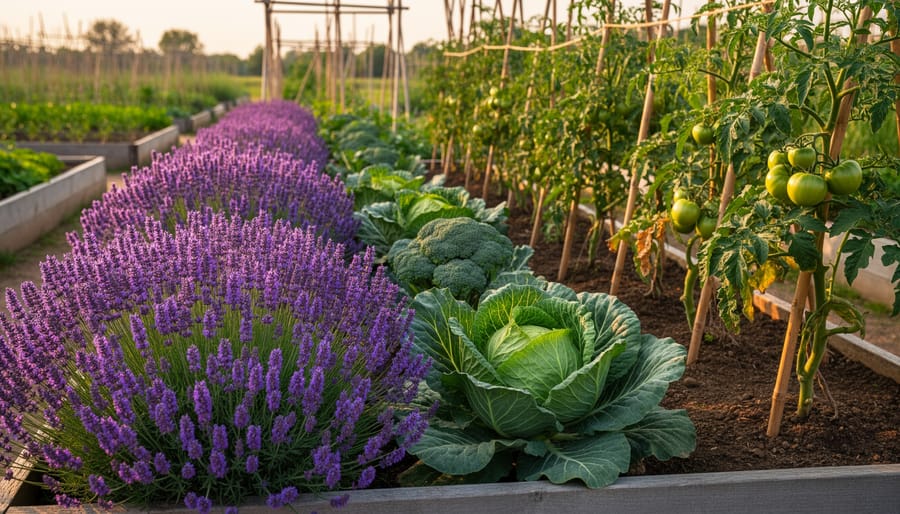
Want to invite helpful insects to your garden? Plant cosmos and zinnias to attract ladybugs and lacewings, which feast on destructive pests. Lavender and borage are bee magnets, ensuring proper pollination while also deterring cabbage moths and tomato hornworms. Sweet alyssum creates a lovely ground cover that provides shelter for beneficial insects like ground beetles and parasitic wasps.
By strategically placing these flowering companions throughout your garden, you’ll create a natural defense system that reduces the need for chemical pesticides while promoting a healthier, more sustainable growing environment.

Improved Pollination
Companion flowers play a vital role in creating a thriving garden ecosystem by helping to attract beneficial pollinators like bees, butterflies, and hummingbirds. By strategically planting flowers that bloom at different times throughout the growing season, you can ensure a constant stream of pollinator activity in your garden.
Flowers like lavender, zinnias, and marigolds are excellent choices for attracting pollinators to your vegetable garden. These colorful blooms not only add beauty but also increase the yield of nearby fruiting plants through improved pollination. Consider adding borage near tomatoes and squash, or plant nasturtiums alongside cucumber beds – these combinations create perfect pollination stations that benefit your entire garden.
To maximize pollination success, try clustering companion flowers in groups rather than spacing them individually. This creates visible “landing zones” that make it easier for pollinators to spot and visit multiple flowers in succession. Remember to include both early and late-blooming varieties to support pollinators throughout the entire growing season.
Best Flowering Companions for Common Garden Plants

Vegetables and Their Flower Friends
Vegetables thrive when paired with the right floral companions, creating a vibrant and productive garden ecosystem. Let’s explore some tried-and-true vegetable and flower partnerships that will help your garden flourish.
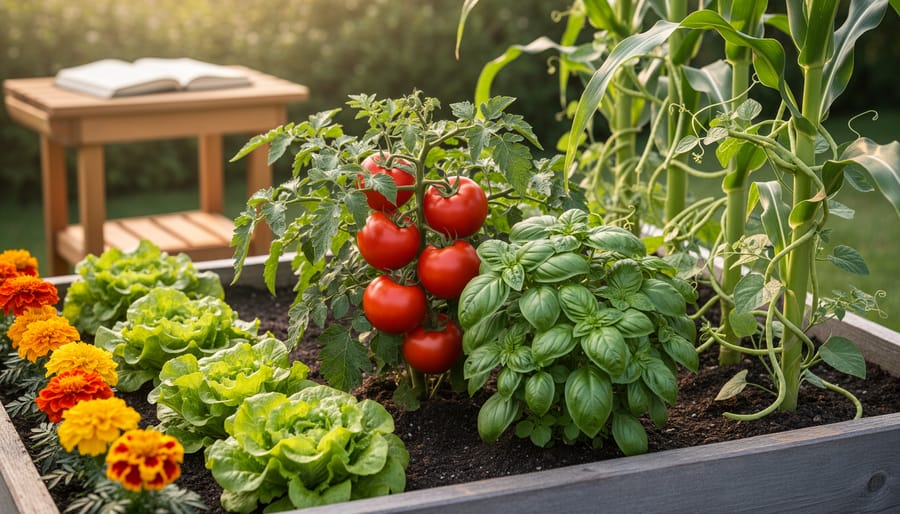
Tomatoes are particularly fond of marigolds, whose strong scent deters harmful nematodes and other pests. Nasturtiums also make excellent companions for tomatoes, attracting pollinators while their peppery scent confuses insects that might damage your crop.
For your leafy greens like lettuce, spinach, and kale, consider planting calendula nearby. These cheerful orange and yellow blooms not only brighten up your garden but also attract beneficial insects that keep aphids at bay. Borage is another excellent companion, drawing pollinators while improving the flavor of nearby greens.
Root vegetables such as carrots and beets benefit greatly from having cosmos as neighbors. These tall, delicate flowers provide light shade during intense summer heat while attracting hover flies that help control pest populations. Chives and other flowering alliums work wonderfully with root crops, improving their growth and flavor.
Brassicas (including cabbage, broccoli, and cauliflower) pair beautifully with sweet alyssum. This low-growing flower creates a living mulch that helps retain soil moisture while attracting predatory wasps that control cabbage worms naturally.
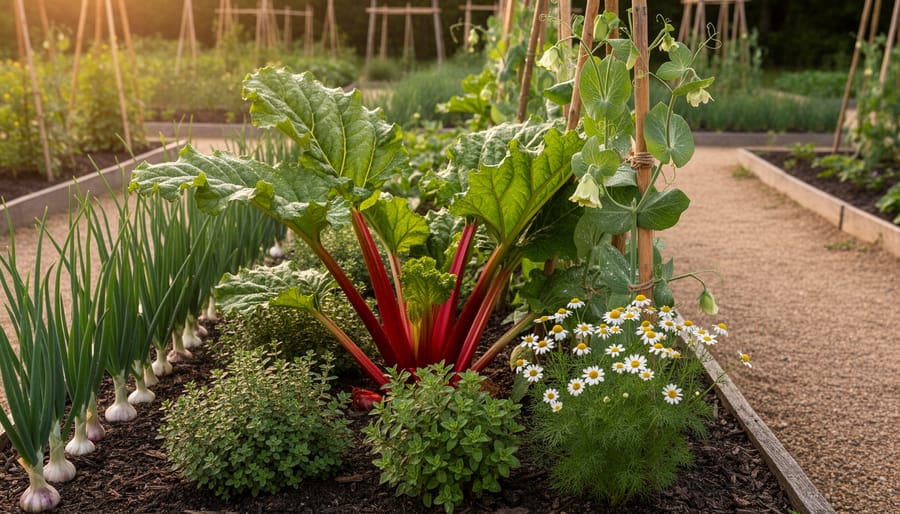
For climbing beans and peas, try planting morning glories nearby. While the vegetables climb their supports, these flowering vines add vertical interest and attract numerous pollinators. Zinnias also make excellent companions, providing splash of color while drawing beneficial insects to your garden.
Remember to intersperse these flowers throughout your vegetable beds rather than creating separate areas. This integrated approach helps create a more balanced garden ecosystem where plants support each other naturally.
Herbs and Flower Partnerships
Creating beautiful and beneficial herb and flower combinations can enhance both the beauty and productivity of your garden. Herbs, with their aromatic qualities and natural pest-deterrent properties, make excellent companions for many flowering plants.
Lavender flourishes when planted alongside roses, creating a stunning visual display while helping to deter aphids. The combination also attracts beneficial pollinators, making your garden buzz with life. Marigolds are wonderful companions for most herbs, particularly basil and parsley. Their bright blooms not only add cheerful splashes of color but also help protect herbs from harmful nematodes in the soil.
Chamomile proves to be a faithful friend to mint and basil, improving their essential oil production and overall flavor. Plant these together in a sunny spot, and you’ll notice stronger, more vibrant growth in both plants. Borage, with its lovely blue flowers, makes an excellent companion for oregano and sage, attracting pollinators while improving the growing conditions for these Mediterranean herbs.
For those growing thyme, consider pairing it with echinacea or black-eyed susans. These native flowers complement thyme’s low-growing habit while creating a drought-resistant garden bed that pollinators adore. Rosemary thrives when planted near flowering salvias, as both plants enjoy similar growing conditions and create a beautiful, drought-tolerant display.
Remember to consider the height and spread of both herbs and flowers when planning your combinations. Tall flowers like cosmos can provide afternoon shade for shade-loving herbs, while low-growing herbs like creeping thyme can act as living mulch for taller flowering plants. This thoughtful arrangement creates a harmonious garden that’s both beautiful and functional.
Planning Your Companion Flower Garden
Seasonal Planning Guide
Successful companion planting starts with timing your plantings just right throughout the year. In early spring (March-April), begin by sowing hardy annual companions like sweet alyssum, calendula, and nasturtiums. These flowers can withstand light frosts and will attract early pollinators to your garden. As the soil warms up in mid-spring, introduce marigolds and zinnias, which pair beautifully with emerging vegetable seedlings.
Summer (June-August) is prime time for planting heat-loving companions. Cosmos, sunflowers, and borage thrive in the warmth and provide excellent support for summer crops. Plant these flowers every few weeks for continuous blooming and sustained benefits to your garden ecosystem.
Fall gardening (September-October) calls for cool-season companions like pansies and violas. These hardy flowers complement autumn vegetables while adding splashes of color to your garden. Consider planting chrysanthemums alongside fall crops – they not only look stunning but also help deter certain pest insects.
For year-round planning, start some companions indoors 6-8 weeks before your last frost date. This gives you a head start and ensures your beneficial flowers are ready when your vegetables need them most. Remember that many flowering companions will self-seed if allowed, creating natural succession planting for the following season.
Keep a garden journal to track which combinations work best in your climate and adjust your timing accordingly. Some flowers, like calendula and nasturtiums, can be planted multiple times throughout the growing season for continuous benefits and beautiful blooms.
Space and Layout Tips
When planning your companion flower garden, smart spacing and thoughtful layout are crucial for success. To maximize your garden space while ensuring each plant thrives, consider creating distinct zones based on plant height and growth patterns.
Start by placing taller flowers like sunflowers and hollyhocks at the back or north side of your garden to prevent them from shading shorter companions. Medium-height plants like zinnias and cosmos work well in the middle sections, while low-growing flowers such as marigolds and alyssum make perfect border plants.
Leave enough space between plants for proper air circulation, which helps prevent fungal diseases. A good rule of thumb is to space plants according to their mature width, not their size at planting time. For example, if a plant spreads to 12 inches wide at maturity, space them 12 inches apart.
Consider creating clusters or groups of companion flowers rather than planting in straight lines. This natural arrangement not only looks more appealing but also creates beneficial microclimates and supports beneficial insects more effectively. Try planting in triangular patterns or circles, with three to five plants of the same variety grouped together.
Remember to include pathways between planting areas for easy maintenance access. These paths should be wide enough to accommodate your gardening tools and allow you to tend to your plants without stepping on or disturbing the soil around them. A width of 18-24 inches is usually sufficient for most home gardens.

Common Companion Planting Mistakes to Avoid
While companion planting can enhance your garden’s beauty and productivity, even experienced gardeners sometimes make mistakes. Let’s explore common pitfalls to ensure your flower combinations thrive.
One frequent error is overcrowding plants. Even though companions work well together, each plant still needs adequate space to grow. Remember that tiny seedlings will mature into full-sized plants, so follow spacing guidelines on seed packets or plant labels.
Many gardeners get excited about combining plants but forget to consider their different water needs. For instance, pairing drought-tolerant marigolds with moisture-loving impatiens can lead to one plant suffering while the other thrives. Always group plants with similar water requirements together.
Timing mistakes can also impact success. Some gardeners plant companions at the wrong time of year or don’t account for different growth rates. For example, planting fast-growing sunflowers alongside slow-developing perennials might mean the smaller plants get overshadowed before they establish themselves.
Another oversight is ignoring soil preferences. While nasturtiums thrive in poor soil, roses need rich, well-amended earth. Make sure your companion plants have compatible soil requirements before pairing them.
Don’t forget to consider height differences. Tall plants can block sunlight from shorter companions if not properly positioned. Always plant taller species on the north side of your garden to prevent unwanted shade.
Some gardeners also make the mistake of focusing solely on flowers while overlooking beneficial herbs and vegetables. Many edible plants make excellent companions and can enhance your garden’s diversity.
Lastly, avoid the temptation to pack too many different species into one area. While diversity is good, too many varieties competing for resources can lead to stressed plants and reduced blooming. Start with simple, proven combinations and expand gradually as you gain experience.
Companion planting is more than just a gardening technique – it’s a way to create a thriving, harmonious garden ecosystem that benefits all your plants. By following the flower companion planting guidelines we’ve discussed, you can enhance your garden’s beauty while naturally deterring pests and improving plant health. Remember that successful companion planting starts with observation and experimentation. Don’t be afraid to try different combinations and keep notes on what works best in your garden. Whether you’re growing a small flower bed or maintaining a large garden, implementing these companion planting principles will help you create a more sustainable and productive growing space. Start small, perhaps with a few proven combinations, and gradually expand as you gain confidence. Your garden will thank you with healthier plants, more abundant blooms, and a balanced ecosystem that continues to flourish season after season.