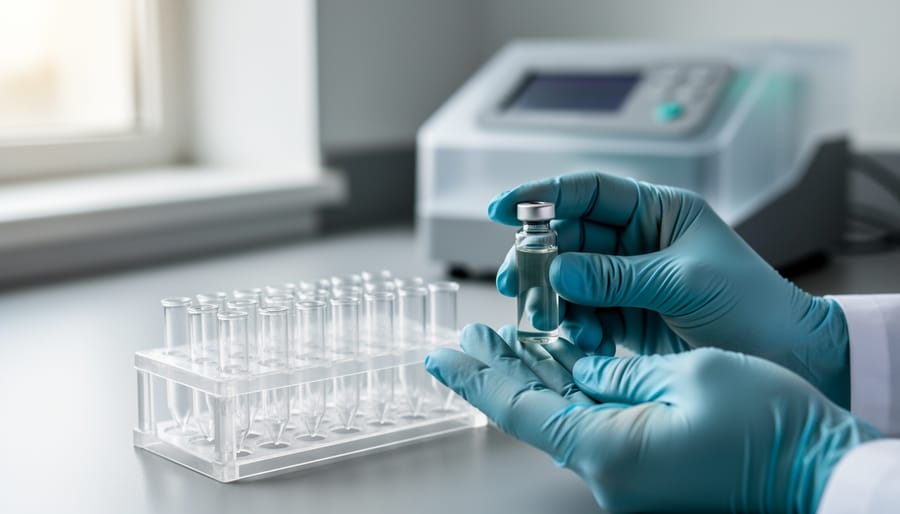
A peptide purity report is a lab document that shows what’s actually inside a vial and how much of it is the compound on the label. Third-party testing means an independent lab, one with no stake in the sale, ran those checks instead of the seller grading its own work. Think of it like a seed germination test: you don’t take the packet’s word for it, you check what really sprouts.
Why does this matter? A purity number tells you how much of the sample is the target peptide and how much is leftover material from manufacturing. If you’re comparing peptides for sale the report is the quickest way to tell a carefully made product from a vague promise.
Don’t worry if lab paperwork looks intimidating at first. It’s just a handful of readings, and each one answers a simple question. Below, we’ll walk through how the testing works, what each part of a report means, how to spot a credible one, and how people put these reports to use.
What a Peptide Purity Report Means in Plain Language
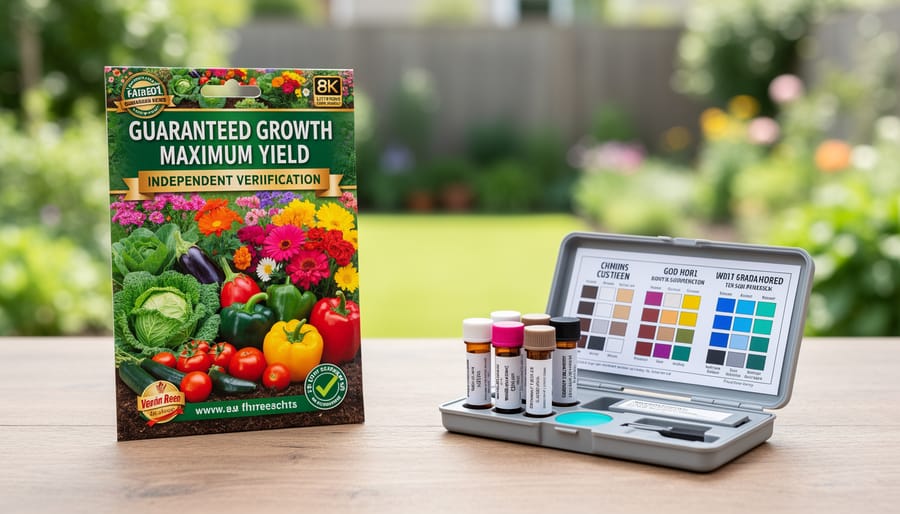
Let’s strip the jargon out of this topic. A peptide purity report sounds technical, but the ideas behind it are pretty down to earth. Here are the key terms you’ll run into:
- Peptide
- A short chain of amino acids, the same building blocks that make up proteins, just in a much smaller package.
- Purity
- The share of a tested sample that is the intended compound, as opposed to leftover material from making it.
- Impurity
- Anything in the sample that isn’t the intended compound, such as fragments, leftovers from manufacturing, or other stray bits.
- Third-party lab
- An independent laboratory with no financial stake in whether the product sells.
- Certificate of analysis (COA)
- The document a lab produces to summarize what it tested and what it found.
- Batch or lot number
- The code that ties a report to one specific production run, so you know the results apply to the product in your hands.
Think of purity like a scoop from your compost pile. If 98 percent of the scoop is rich, finished compost and 2 percent is stray sticks and pebbles, you’d call that pretty pure. A purity percentage works the same way, just measured with lab instruments instead of your eyeballs.
Now, who does the measuring matters a lot. A seller can test its own product, but it also profits when the numbers look good. An independent lab has nothing riding on the sale, so it has no reason to flatter the results.
It’s the same reason gardeners trust a soil test from an outside lab more than the glowing promises printed on a fertilizer bag. The bag is marketing. The soil lab is just reporting what it found. Once you see that difference, a purity report starts to feel a lot less intimidating.
How Third-Party Testing Works, From Sample to Certificate

The Two Tests You’ll See Most Often
When you flip through a purity report, two kinds of results do most of the talking.
The first is purity testing. This answers a simple question: of everything in the sample, how much is the compound the label promises? The result usually appears as a percentage. Think of sifting a scoop of potting mix and measuring how much of it is actual soil versus bark chunks and filler. A higher percentage means less leftover material.
The second is identity testing. This asks something more basic: is it even the right compound? A sample can look wonderfully pure and still be the wrong thing, like a seed packet that’s 99 percent viable but holds marigolds when the label says zinnias.
That’s why a good report shows both. Purity without identity tells you the sample is clean but not what it is. Identity without purity tells you what it is but not how much else came along with it. Together, they give you the full picture of what’s in the vial.
What’s Inside a Purity Report: Parts and Terms to Know
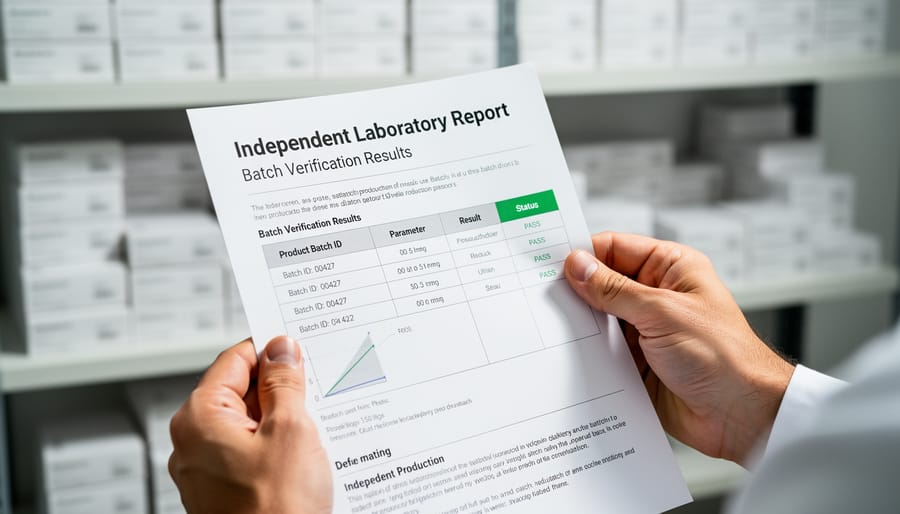
Picking up a purity report for the first time can feel a bit like reading a seed packet in another language. Good news: once you know where to look, the basics are very approachable, and you don’t need a chemistry degree to follow along. Think of it as a short label with a handful of key facts.
Here’s what a complete report should include, and what each part tells you:
- Product name: confirms which compound the lab says it tested.
- Batch or lot number: ties the report to one specific production run, so you can match it to the product in your hands.
- Test date: shows when the analysis happened, which helps you judge how current the results are.
- Testing lab name and contact details: lets you see who did the work and reach out to verify it.
- Purity percentage: tells you how much of the sample is the intended compound versus leftover material.
- Identity confirmation: verifies the sample is actually the right compound, not just a pure version of something else.
- Notes on contaminants: flags anything unexpected the lab detected alongside the main compound.
Take the batch number and lab details first. They’re your anchor points, a bit like checking the variety name and packing date on a seed envelope before you trust the rest.
Then look at purity and identity together. A high percentage only means something if the report also confirms the sample is the right substance.
Don’t worry if some wording looks technical. Most reports repeat the same handful of terms, and you’ll recognize them quickly. Read slowly, check each item off, and you’ll be reading these with confidence in no time.
How to Spot a Trustworthy Report (and Red Flags to Watch For)
A good purity report is easy to recognize once you know what to look for, much like a well-labeled seed packet. Start with the lab. A credible report names an independent laboratory and gives real contact details, such as a website, address, or phone number. If the lab has no stake in the sale, you can trust its numbers more.
Next, check that the batch number on the report matches the one printed on your product. Think of it like matching a plant tag to the pot it came in. If the numbers differ, or one is missing, the report may describe something other than what you’re holding.
Then look at the date. A recent test date tells you the results reflect the current batch, not an old one recycled for convenience.
Finally, see whether you can verify it. Trustworthy labs are usually happy to confirm that a report is theirs if you reach out with the report or batch number. That simple step tells you a lot.
Some warning signs are worth a closer look. A missing batch number or lab name makes a report hard to check. Documents with mismatched fonts, odd spacing, or blurry sections can suggest edits. A single generic report reused across several different products is another flag, since each batch deserves its own results.
None of these mean you should give up. They simply help you separate reports that earn your confidence from ones that ask you to take things on faith.
Why Purity Reports Matter in Everyday Use
Most of us make decisions from a label. A purity report is what lets you check that label against something other than the seller’s word, and that’s where it earns its keep.
Think about how gardeners use paperwork. A seed packet’s germination rate tells you how many seeds will likely sprout. A fertilizer analysis shows the real nitrogen, phosphorus, and potassium numbers. A soil report reveals what’s actually in your beds, not what you assumed. None of these guarantee a perfect harvest, but each one lets you decide with confidence instead of guesswork. Purity reports do the same job for peptide products.
Here are the everyday ways people put them to work:
– Verifying a label’s claims. Does the stated purity and compound match what an independent lab found?
– Comparing suppliers. Two products can look identical on a shelf. Batch-specific reports let you compare them on evidence rather than packaging.
– Spotting batch-to-batch differences. Quality can shift from one lot to the next, just like one load of compost can differ from another. A report tied to a lot number shows which batch you’re actually holding.
– Keeping good records. Researchers and hobbyists can file reports alongside their notes, so there’s a clear paper trail.
> Suggested sidebar: invite a lab professional to explain, in a sentence or two, why independent testing matters and what they wish more people checked on a report.
One honest caveat. A report verifies composition, meaning what’s in the sample and how pure it is. It doesn’t say whether a product is safe or suitable for any particular use. Treat it as one useful piece of information, not the whole picture.
Common Questions About Peptide Purity Reports
Questions come up quickly when you first read a purity report, so here are straight answers to the ones beginners ask most. Think of it like learning a soil test explained in plain terms: once you know what each line means, the whole page gets friendlier.
What purity percentage is considered good?
Many reports for research-grade peptides show purity at 98% or higher, and numbers in the high 90s are commonly treated as a solid result. What matters just as much is that the report names the method used and matches the batch you actually have.
Is a seller’s own report enough?
It’s a starting point, but it isn’t independent. A report from a lab with no stake in the sale is like a soil lab’s results versus the claims printed on the fertilizer bag, so it carries more weight.
How often should batches be tested?
Ideally every batch, since each production run can differ. Testing one batch and reusing that report for later ones is a bit like testing one load of compost and assuming every load will be the same.
Can a report be faked?
Yes, documents can be edited or reused, which is why checking the lab name, batch number and date matters. If you can, contact the lab directly to confirm the report is genuine.
What’s the difference between a COA and a lab report?
A COA, or certificate of analysis, is a summary document that lists results and often comes from the seller. A full lab report usually includes the raw data, such as the chromatogram, so you can see how the results were reached.
If a report answers most of these questions clearly, that’s a good sign. If it leaves gaps, such as no lab name, no batch number or no date, it’s fine to ask for more detail before you rely on it. Taking a few minutes with the document now saves guesswork later, much like checking the seed packet before you plant.
A label tells you what a seller wants you to believe. An independent purity report shows you what a lab actually found. That’s the whole idea in a nutshell, and it’s why third-party testing is worth understanding even if you never touch a chemistry textbook.
You now know what a report contains, how the testing flows from sample to certificate, and which details signal a trustworthy document. Batch numbers, a named lab, a recent date, and both purity and identity results are the things to look for.
So next time, ask for a batch-specific report and give it a slow, careful read. Check that the lot number matches what’s in front of you. Think of it like testing your soil before you plant: a little patience up front saves a lot of guesswork later. If you’re building a habit of asking good questions, what to ask first is a handy place to start.
Keep that curious, verify-before-you-trust mindset, and keep exploring. There’s plenty more to learn here, and we’re glad you’re along for the ride.