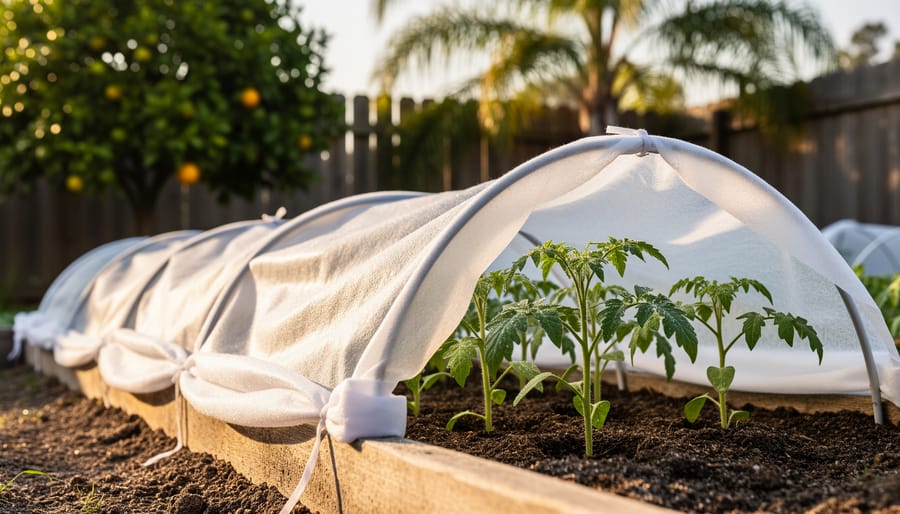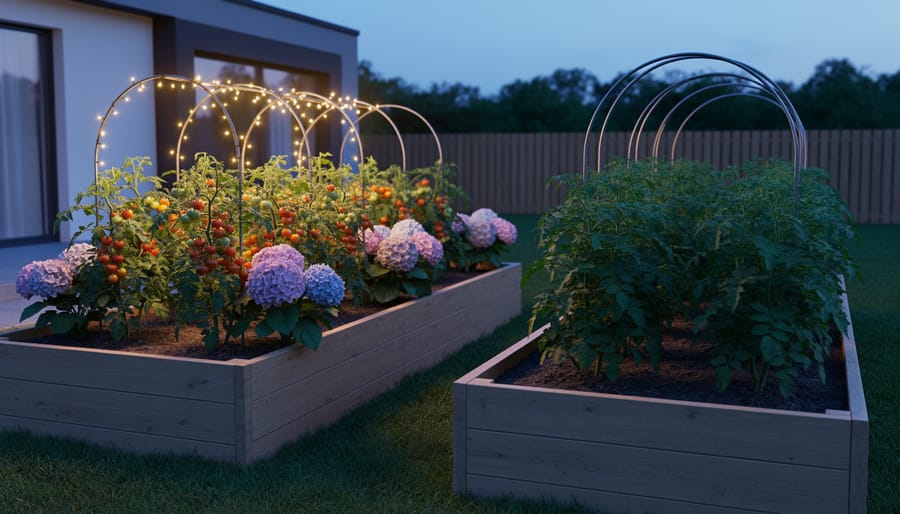
You’ve checked your USDA hardiness zone, selected plants rated for your area, and watched them struggle or fail completely while the same varieties thrive hundreds of miles away in an identical zone. The missing piece isn’t temperature—it’s daylength.
USDA planting zones tell only half the story. A Zone 7 garden in Virginia experiences dramatically different day lengths than Zone 7 in New Mexico, and your tomatoes, lettuce, and flowering perennials notice every minute of that difference. Plants don’t just respond to cold; they’re hardwired to react to photoperiod, the seasonal change in daylight hours that triggers blooming, fruiting, and dormancy.
This explains why your carefully chosen hydrangeas refuse to flower, why spinach bolts frustratingly early, or why that award-winning rose performs beautifully in catalogs but sulks in your garden. Southern gardeners working with 14-hour summer days face entirely different growing conditions than northern gardeners enjoying 16-hour stretches, even when winter lows match perfectly.
Understanding how photoperiod interacts with your hardiness zone transforms frustrating guesswork into confident planning. You’ll discover why some “zone-appropriate” plants disappoint, learn to identify photoperiod-sensitive varieties before purchasing, and master techniques to manipulate daylength for better results. Whether you’re struggling with specific plants or ready to expand your gardening sophistication, recognizing that successful gardening requires matching both temperature and light patterns to your location changes everything.
What USDA Planting Zones Actually Tell You (And What They Don’t)
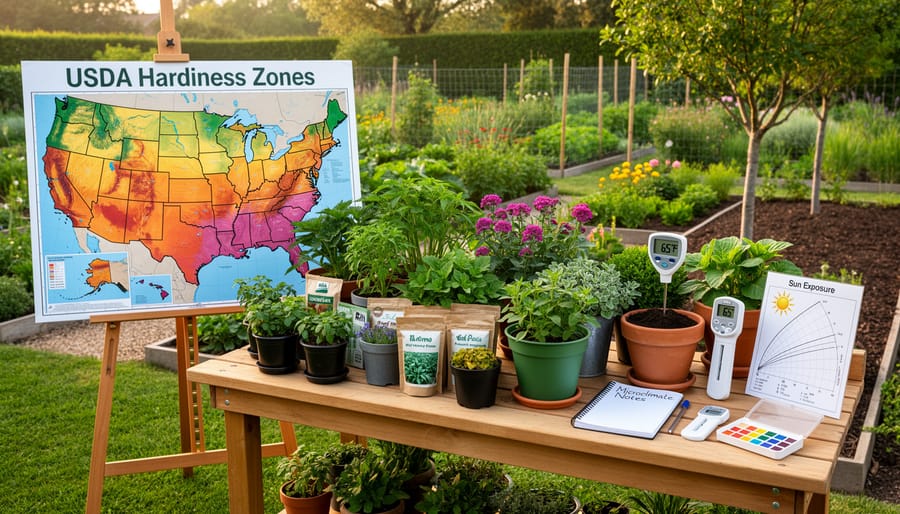
If you’ve ever wondered why your neighbor’s tomatoes thrive while yours struggle, even though you’re both in Zone 6, you’re onto something important. The USDA Plant Hardiness Zone Map is an incredibly useful tool, but it tells only part of your garden’s story.
Here’s what the zones actually measure: average annual minimum winter temperatures. That’s it. Each zone represents a 10-degree Fahrenheit range, with subzones dividing that further into 5-degree segments. So if you’re in Zone 7a, you can expect your coldest winter nights to drop between 0 and 5 degrees Fahrenheit. This information is perfect for determining whether a perennial will survive your winters, which is why the zone number appears on nearly every plant tag you’ll find at the nursery.
But here’s where the zone limitations become clear. The USDA zones don’t account for summer heat, humidity levels, rainfall patterns, or soil types. More surprisingly to many gardeners, they completely ignore daylength and sun intensity, which vary dramatically based on your latitude even within the same zone.
Consider this: Olympia, Washington and Oklahoma City, Oklahoma both fall within Zone 8b. They share similar winter lows, but their growing conditions couldn’t be more different. Olympia enjoys long summer days with gentle sun and frequent clouds, while Oklahoma City bakes under intense sunshine with shorter photoperiods. A plant that flourishes in one location might languish in the other, despite the identical zone designation.
This is why experienced gardeners use hardiness zones as a starting point, not the final word. Think of your zone number as answering the question “Will it survive winter?” while other factors determine “Will it actually grow well here?” Understanding this distinction transforms how you select plants and troubleshoot garden challenges.
The Photoperiod Factor: Why Daylength Matters More Than You Think
How Plants Actually “Read” Daylight
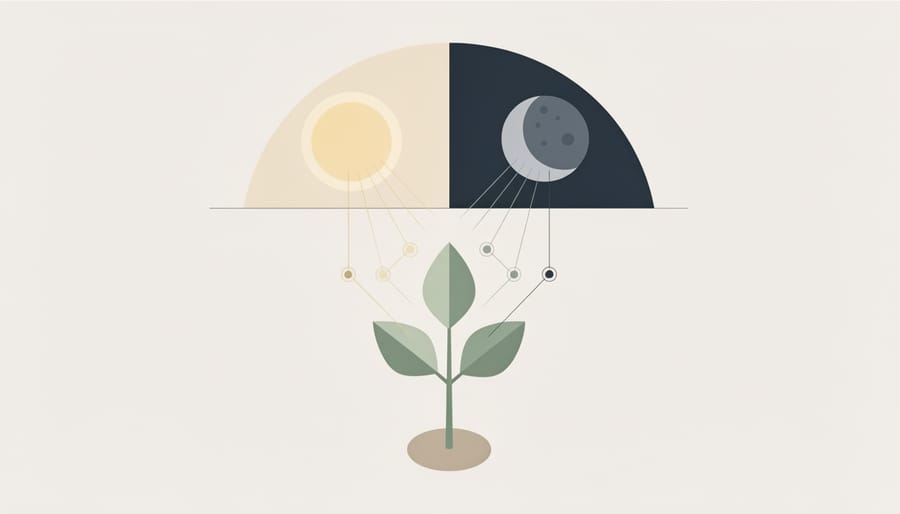
Here’s something that’ll blow your mind: plants can actually tell time! They do this through special proteins called phytochromes that work like tiny light sensors built right into their leaves. Think of them as the plant’s personal daylight detectors.
During the day, these phytochromes absorb sunlight and switch to an active form. As darkness falls, they gradually switch back. When night stretches long enough, the protein fully converts back to its inactive state, essentially telling the plant, “Hey, the days are getting shorter!” This is how your tomatoes know it’s time to stop making fruit and how your chrysanthemums know when to bloom.
It’s remarkably precise, too. Most plants can detect changes as small as 15 to 30 minutes of daylight difference. I like to think of it as the plant’s internal calendar, helping them prepare for seasonal changes long before we humans notice them.
This system works independently of temperature, which is why you can have two gardens in the same USDA zone experiencing completely different growing patterns based on their latitude alone.
The Three Types of Photoperiod Plants
Understanding how plants respond to daylight hours can transform your gardening success, especially when you’re working with varieties from different regions. Let me break down the three main categories in a way that makes sense for your garden planning.
Short-day plants are the autumn lovers of the plant world. They need longer nights (typically 12 hours or more of darkness) to trigger flowering. This is why chrysanthemums burst into bloom as fall approaches, and poinsettias develop their colorful bracts during winter months. Other common examples include strawberries, soybeans, and certain varieties of onions. If you’ve ever wondered why your mums won’t bloom in summer no matter how well you care for them, this is your answer.
Long-day plants work the opposite way, thriving when nights are short and days stretch long. These summer champions include many of our favorite cool-season vegetables like lettuce, spinach, and radishes. You’ll also find peas, most grains, and many flowering perennials like coneflowers and black-eyed Susans in this category. This explains why lettuce tends to bolt during the longest days of summer, it’s responding to nature’s signal to reproduce.
Day-neutral plants are the easygoing members of your garden. They flower based on maturity and temperature rather than day length. Tomatoes, cucumbers, peppers, and many modern rose varieties fall into this category, making them reliable performers across different latitudes and growing seasons.
Regional Daylength Variations Across U.S. Planting Zones
Northern Zones: Long Summer Days, Short Winter Days
If you’re gardening in zones 3-5, you’ve probably noticed something magical about your summer evenings—they seem to last forever! These northern zones experience dramatic seasonal shifts in daylight that significantly impact how plants grow and flower.
During summer, gardeners in Minnesota or Maine might enjoy 16 hours of daylight or more, giving plants an extended period for photosynthesis. This extended light exposure can supercharge vegetable growth and make cool-season crops exceptionally productive. However, winter brings the opposite extreme, with short, dark days that challenge even cold-hardy plants.
These daylength swings directly affect plant behavior. Many flowering plants are photoperiod-sensitive, meaning they trigger blooming based on day length rather than temperature alone. Short-day plants like chrysanthemums may bloom earlier in northern zones compared to their southern counterparts. Long-day varieties, such as certain lettuce types, thrive during those extended summer hours.
When selecting varieties for northern zones, look for cultivars specifically bred for northern climates. Tomatoes labeled as “short-season” or “early-maturing” are developed to make the most of your compressed growing window. I’ve found that talking with local gardeners reveals which varieties truly perform well in your specific conditions—their experience is invaluable for navigating these unique photoperiod challenges.
Southern Zones: More Consistent Year-Round
If you’re gardening in zones 8-10, you’ve hit the horticultural jackpot in many ways. These southern regions enjoy relatively mild winters and significantly more consistent daylength throughout the year compared to their northern counterparts. While northern gardeners experience dramatic swings from 16-hour summer days to 8-hour winter days, southern gardeners see more moderate variations, typically ranging from about 14 hours in summer to 10 hours in winter.
This stability profoundly affects your southern zone gardening strategies. Many plants that depend on specific daylength triggers may bloom earlier or behave unpredictably. For instance, short-day plants like poinsettias and chrysanthemums often perform more reliably here because they reach their light threshold more gradually. You’ll also find that cool-season crops can be grown nearly year-round, though summer heat becomes your main challenge rather than frost.
The key to success? Embrace varieties bred specifically for southern conditions and focus on heat tolerance rather than cold hardiness alone. Season extension works in reverse here—you’re often providing shade and cooling strategies during scorching summers while taking full advantage of those beautifully mild winters for continuous vegetable production.
The Middle Ground: Zones 6-7
If you garden in Zones 6-7, you’ve hit the sweet spot! These regions enjoy moderate daylength variations that give you incredible flexibility. Summer days stretch comfortably long—around 15 hours at peak—but not so extreme that cool-season crops bolt immediately. Winter daylength drops to about 9 hours, enough to trigger dormancy without the months of near-darkness northern gardeners face.
This balance means you can successfully grow both heat-lovers like tomatoes and peppers, plus cool-season favorites such as broccoli and lettuce. You’ll have time to start seeds indoors and harden them off before planting, and your fall garden can really shine without abrupt temperature drops. The extended growing season, typically 180-200 days, pairs beautifully with these moderate light patterns.
One bonus? Many perennials thrive here because they receive adequate winter chilling hours while avoiding harsh extremes. Just remember that zone 7 considerations still matter—daylength alone doesn’t tell the whole story about microclimates and local conditions.
Common Plants That Surprise Gardeners With Photoperiod Needs
Vegetables That Won’t Produce Without the Right Daylight
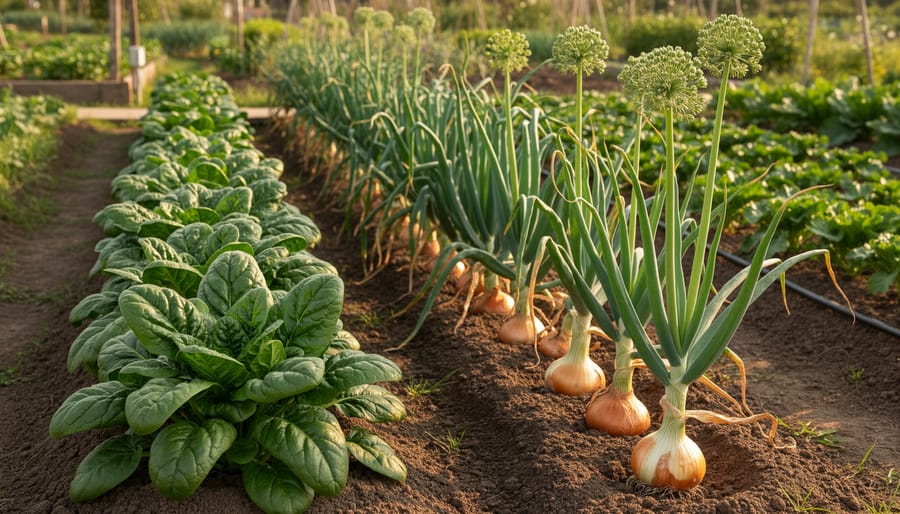
Some vegetables are surprisingly fussy about daylight hours, and if you’ve ever wondered why your spinach bolted in June or your onions refused to form bulbs, photoperiod sensitivity is likely the culprit. These crops use day length as their primary signal for when to grow, reproduce, or form the parts we want to eat.
Spinach is perhaps the most dramatic example. This leafy green thrives in cool weather but will bolt—sending up flower stalks and turning bitter—when days stretch beyond 14 hours. That’s why spring plantings in northern zones often fail just as summer arrives, while southern gardeners can grow it successfully through winter when days stay shorter.
Onions require particular attention to day length for proper bulbing. They’re categorized as short-day (10-12 hours), intermediate-day (12-14 hours), or long-day (14-16 hours) varieties. Plant a long-day onion in Georgia, and you’ll harvest green onions instead of storage bulbs because it never receives enough daylight to trigger bulbing. Conversely, short-day varieties won’t size up properly in Minnesota.
Lettuce behaves similarly to spinach, becoming bitter and bolting when exposed to long summer days combined with heat. This explains why your perfect spring lettuce patch transforms into a flowering mess by July, regardless of how well you water it.
The solution isn’t complicated—choose varieties bred for your region’s photoperiod. Seed catalogs typically indicate day-length requirements, and local garden centers stock appropriate varieties. I’ve learned this lesson through trial and plenty of error, and now I always check photoperiod needs before purchasing seeds, especially for these sensitive crops.
Flowers That Need Long Days to Bloom
Many popular perennials need long summer days to trigger their blooming cycle, which is fantastic news if you’re gardening in northern zones. Black-eyed Susans and coneflowers are classic examples of long-day bloomers, requiring 14 hours or more of daylight to produce their cheerful flowers. I’ve watched these workhorses perform beautifully in Zone 4 gardens throughout Minnesota, where summer days stretch gloriously long.
What’s interesting is that these same plants may bloom later or less abundantly in southern zones, even when the hardiness rating matches perfectly. A gardener in Georgia told me her coneflowers always seemed a bit lackluster compared to photos from Wisconsin gardens, and daylength was the missing piece of that puzzle.
Other reliable long-day perennials include delphiniums, bee balm, and many salvia varieties. These plants essentially count the hours of light, waiting for that magic threshold before setting buds. If you’re gardening in shorter-day regions but love these bloomers, don’t worry. They’ll still flower, just on a slightly different schedule. Understanding this pattern helps you set realistic expectations and choose companion plants that complement their unique timing.
Short-Day Bloomers for Fall Color
As days shorten in late summer and fall, short-day bloomers take center stage in your garden. These clever plants respond to darkness duration rather than temperature alone, which explains why your chrysanthemums might bloom at different times depending on your latitude within the same USDA zone.
Chrysanthemums are the quintessential fall stars, requiring 10-12 hours of uninterrupted darkness to set buds. Gardeners in northern zones often see earlier blooming than those in southern regions, even when frost dates align. I learned this firsthand when my relocated mums bloomed three weeks earlier than expected after moving from Georgia to Vermont.
Poinsettias follow similar patterns, needing 14 hours of darkness nightly for several weeks to develop their colorful bracts. If you’re growing these holiday favorites outdoors in frost-free zones, remember that streetlights or porch lights can disrupt their color transformation.
The takeaway? Understanding photoperiod alongside your planting zone helps you choose varieties bred for your latitude and time outdoor lighting accordingly. Select early-blooming cultivars in northern areas and later varieties down south for synchronized autumn displays.
Practical Strategies for Matching Plants to Your Zone AND Daylength
Reading Seed Catalogs for Photoperiod Clues
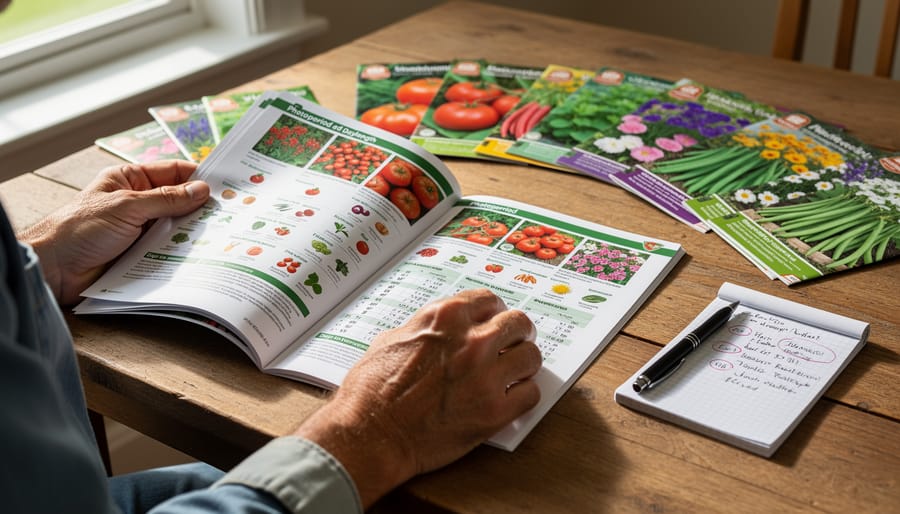
When you’re flipping through seed catalogs, photoperiod clues are hiding in plain sight once you know what to look for. Variety descriptions often use specific terms that reveal how plants respond to day length, and decoding these can save you from disappointing harvests.
Watch for phrases like “day-neutral,” which means the plant doesn’t care about day length and will produce regardless of season. “Short-day” varieties thrive when nights are long, typically flowering in fall or early spring. “Long-day” types need extended daylight hours, making them perfect for summer production in northern regions.
You’ll also spot geographic hints. When a catalog mentions a variety is “ideal for southern growers” or “bred for northern climates,” they’re often referring to photoperiod adaptation, not just temperature tolerance. Terms like “bolts easily in summer” signal a plant sensitive to long days, while “heat-tolerant and productive” might indicate day-neutral breeding.
Some catalogs explicitly state “photoperiod-sensitive” or “insensitive,” which takes the guesswork out completely. Regional variety names are telling too. A spinach called “Winter Bloomsdale” likely performs best under short days, while “Summer Perfection” suggests long-day tolerance. Learning this catalog language transforms your seed shopping into strategic planning, helping you choose varieties that will actually thrive in your specific location’s day length patterns throughout the growing season.
Timing Your Planting for Optimal Daylength
Understanding when to plant isn’t just about soil temperature—it’s also about giving your plants the right amount of daylight at critical growth stages. This is where perfect planting timing really comes into play, especially when you’re growing photoperiod-sensitive crops.
For short-day plants like chrysanthemums, poinsettias, and many flowering perennials, you’ll want to time your planting so they receive those shorter autumn days when they’re ready to bloom. In northern zones, this transition happens earlier in the season, so adjust your spring planting dates accordingly. A chrysanthemum planted in May in Zone 5 will receive very different daylength signals than the same variety planted in Zone 9.
Long-day plants such as spinach, lettuce, and many herbs prefer the extended daylight of late spring and early summer. In southern zones where days lengthen earlier, you can start these crops sooner. However, gardeners in northern zones actually have an advantage with summer crops—those gloriously long June days can produce spectacular growth in vegetables like peas and radishes.
Day-neutral plants offer the most flexibility, but even they perform differently under various daylength conditions. Tomatoes and peppers, for instance, set fruit more reliably when they experience consistent day lengths during their flowering period.
I always recommend keeping a simple garden journal noting your planting dates and the approximate sunrise/sunset times. After a season or two, you’ll start recognizing patterns specific to your location that no chart can tell you.
Manipulating Daylength for Better Results
Good news! You don’t need fancy equipment to manipulate daylength and coax your plants into performing better. Let’s explore some surprisingly simple techniques that work wonders.
For long-day plants struggling in southern regions with shorter summer days, supplemental lighting can bridge the gap. Position inexpensive LED grow lights near your plants during early morning or evening hours to extend their perceived daylight. Even an hour or two of additional light can trigger flowering in stubborn vegetables like spinach or lettuce that need those extra light hours.
Conversely, if you’re growing short-day plants like chrysanthemums or poinsettias in northern zones where summer days stretch endlessly, you’ll need to artificially shorten daylight exposure. This is easier than you might think! Simply cover plants with a breathable dark cloth, cardboard box, or black plastic bucket at the same time each evening, ensuring they receive at least 12-14 hours of complete darkness. Remove the covering each morning, and you’ll fool those plants into thinking autumn has arrived.
Shade cloth serves double duty during intense summer heat while also reducing light exposure for day-neutral plants that prefer moderate conditions. I’ve successfully used 30-50% shade cloth to protect sensitive seedlings while managing their light intake simultaneously, creating perfect growing conditions regardless of my zone’s natural photoperiod.
Real Gardener Experiences: When Zones Meet Daylength
Nothing quite brings these concepts to life like hearing from fellow gardeners who’ve learned these lessons firsthand. I reached out to gardeners across different zones to hear about their photoperiod discoveries.
Maria, gardening in Zone 8b in Georgia, shared a lightbulb moment: “I couldn’t figure out why my friend in California could grow certain onions so beautifully, but mine kept forming tiny bulbs. We’re both Zone 8! Then I learned about long-day versus short-day onions. Now I plant short-day varieties suited to our latitude, and my onion harvests have tripled.”
Up in Zone 5a Minnesota, Tom discovered the flip side of long summer days. “My spinach and lettuce would bolt way earlier than the seed packet suggested. I felt like a failure until an experienced gardener explained that our 16-hour June days trigger bolting faster than in southern Zone 5 areas. Now I plant bolt-resistant varieties and use shade cloth during peak summer. Problem solved!”
Jennifer in Zone 9b southern Texas had a chrysanthemum mystery. “I planted mums in spring, and they bloomed in July instead of fall. Turns out, our shorter day length kicks in earlier than up north. I learned to manipulate their light exposure or simply plant them later. Understanding photoperiods changed everything.”
Perhaps my favorite story comes from Seattle gardener Robert in Zone 9a. “I moved from North Carolina, also Zone 9, and wondered why my tomatoes took forever to ripen here. A neighbor explained our cooler, cloudier summers mean fewer heat units, even though we don’t freeze. Now I choose varieties bred for Pacific Northwest conditions, and I actually appreciate our long growing season for cool-season crops instead of fighting it.”
These stories remind us that successful gardening isn’t just about following rules but understanding the unique combination of factors in your specific location and adapting accordingly.
You’ve now discovered something that transforms your gardening experience completely. Understanding that your USDA planting zone tells only half the story—and that daylength plays an equally crucial role—gives you a powerful advantage. Those mysterious failures with plants that should have thrived in your zone? You can finally explain them. Those frustrating mismatches between catalog descriptions and your garden’s reality? They make sense now.
This knowledge frees you to experiment with confidence. When you select tomato varieties, you’ll know to check whether they’re day-neutral or need specific photoperiods. When your neighbor in the same zone raves about a plant that disappointed you, you’ll understand that latitude differences might be the culprit. You’re no longer guessing—you’re making informed decisions.
Start by simply observing. Notice when your garden receives its first and last light each day throughout the seasons. Watch which plants seem to respond to these shifts. Pay attention to when your perennials break dormancy in spring or when your summer bloomers suddenly set buds. These observations will deepen your connection to your specific growing space.
Remember, every garden is a unique combination of temperature, light, and timing. Your new understanding of how zones and daylength work together means fewer disappointments and more spectacular successes. Armed with this knowledge, you’re ready to create a garden that truly thrives in your particular corner of the world. Step outside and see your garden with fresh eyes.