Picture this: sensors monitoring your tomato plants’ exact water needs, LED lights extending your growing season year-round, and apps that identify plant diseases before they spread. Welcome to modern horticulture, where technology transforms how we grow everything from backyard vegetables to commercial crops.
Gone are the days when successful gardening relied solely on guesswork and traditional gardening myths. Today’s innovations make precision growing accessible to everyone, whether you’re tending a windowsill herb garden or managing acres of greenhouse space. Smart irrigation systems prevent overwatering, vertical farming maximizes limited spaces, and soil sensors reveal exactly what your plants need to thrive.
The best part? You don’t need a degree in engineering or a massive budget to get started. Technology in horticulture ranges from simple smartphone apps that track planting schedules to affordable moisture meters that take the mystery out of watering. These tools help you grow healthier plants, save water, reduce chemical use, and spend less time troubleshooting problems.
This revolution isn’t about replacing the joy of getting your hands dirty or the satisfaction of watching seedlings emerge. Instead, it’s about empowering you with knowledge and tools that our gardening ancestors could only dream of. Whether you’re curious about automated greenhouse systems or simply want to understand how a basic soil pH meter works, modern horticultural technology offers solutions tailored to your specific needs and experience level.
The New Face of Garden Planning: From Paper to Pixels
Apps That Do the Thinking for You
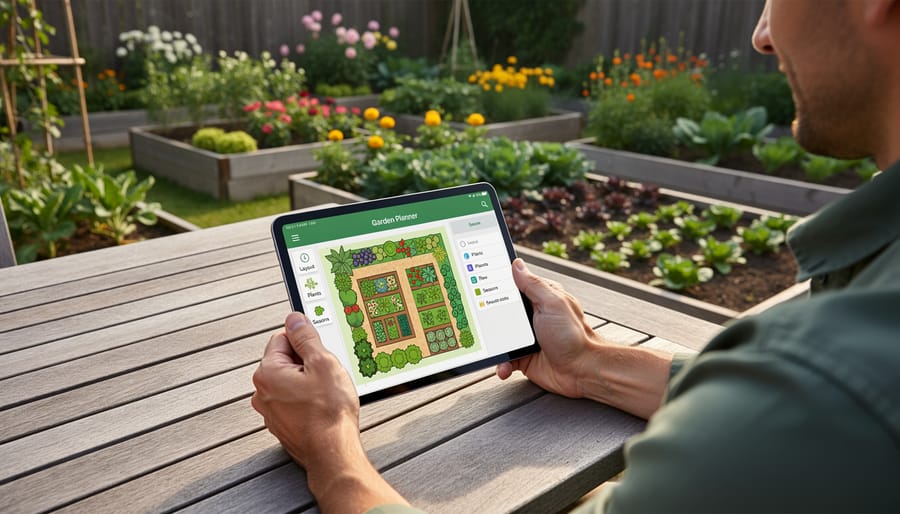
Gone are the days of sketching garden layouts on napkins and hoping for the best! Today’s garden planning apps take the guesswork out of designing your perfect plot, and you don’t need to be tech-savvy to use them.
Apps like Garden Planner and Smart Gardener start by asking simple questions: What’s your hardiness zone? How many hours of sunlight does your space get? From there, they generate customized plant lists that will actually thrive in your conditions. No more buying plants that aren’t suited to your climate or wondering why your tomatoes aren’t getting enough sun.
The spacing features are particularly helpful. These apps calculate exactly how far apart to place your vegetables, preventing the overcrowding mistakes that plague many new gardeners. Some even factor in companion plantings, suggesting which plants grow well together and which should be kept apart.
The sunlight tracking tools are genuinely clever. By using your phone’s camera and GPS, apps like Sun Seeker show you exactly how sunlight moves across your yard throughout the day and across seasons. This means you can confidently place shade-lovers in darker corners and sun-worshippers where they’ll flourish.
Most of these apps offer free basic versions, perfect for getting started. As your garden grows, you might upgrade for features like pest alerts or harvest reminders. Either way, having a digital gardening assistant in your pocket means more successful harvests and fewer “what was I thinking?” moments come planting time.
Virtual Garden Notebooks That Never Get Lost
Remember scribbling notes on seed packets or frantically searching for that garden journal you swear was on the potting bench? Those days are behind us. Digital garden journals are game-changers for keeping track of your horticultural adventures, and the best part is they’re always in your pocket.
Apps like Garden Plan Pro and Gardening Companion let you snap photos throughout the season, tag them with dates and locations, and add notes about what you planted, fertilized, or harvested. When September rolls around and you’re wondering which tomato variety produced those incredible yields, you’ve got photographic proof and detailed records right at your fingertips.
The photo-based tracking feature is particularly brilliant. Take a picture of your seedlings in spring, then watch the progression through summer blooms to autumn harvests. Next year, you’ll know exactly when those peonies peaked or which corner of your bed needs more compost. Many apps even send helpful reminders based on your entries, so you won’t forget to divide those overcrowded hostas.
Seasoned gardener Maria Chen told me, “I used to lose half my notes to rain-soaked pockets. Now everything’s backed up to the cloud, and I can compare this year’s garden to the last five years in seconds.”
Watering Smarter, Not Harder: Irrigation Innovation for Every Budget
The $30 Timer That Changed Everything
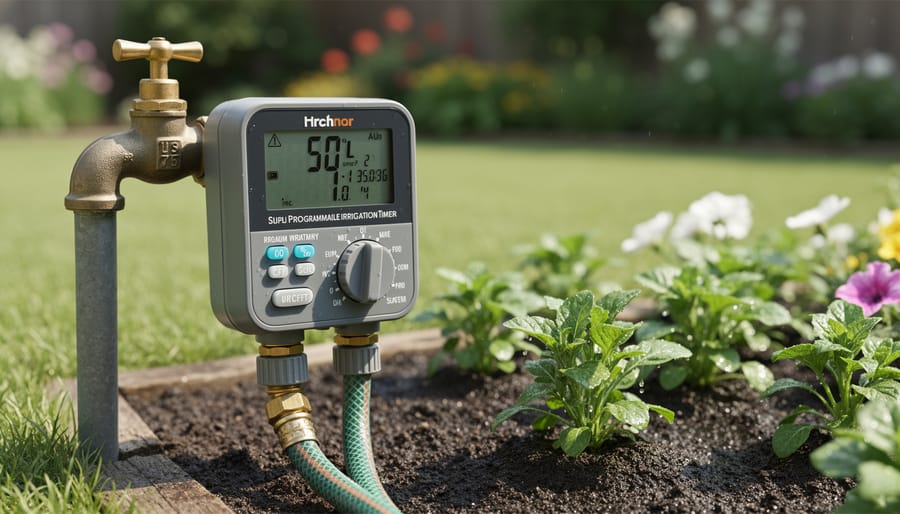
I still remember the day I installed my first programmable timer—a simple digital model from the hardware store that cost less than a nice dinner out. That modest investment completely transformed my morning routine and my plants’ health.
Before the timer, I’d drag myself outside at 6 AM to hand-water my vegetable beds, trying to catch the cool morning hours. If I slept in or got busy, my plants waited. Now, my drip irrigation system clicks on automatically every morning at 5:30, delivering precisely the right amount of water whether I’m home or on vacation.
The math is compelling: What used to take me 45 minutes daily now happens without any effort on my part. That’s over 5 hours saved weekly—time I now spend planning garden expansions instead of standing with a hose.
Water savings matter too. My neighbor Lisa tracked her usage before and after adding a timer to her soaker hoses. She reduced water consumption by nearly 40% because the timer delivered consistent amounts rather than the variable soaking she’d done manually. Her water bill dropped noticeably, and her tomatoes actually thrived better with regular, measured watering.
The beauty of starting with a basic timer is simplicity. You don’t need Wi-Fi, apps, or technical know-how—just set it and trust it.
Smart Controllers That Check the Weather for You
Gone are the days of forgetting to turn off your sprinklers during a rainstorm! WiFi-enabled irrigation controllers are game-changers for busy gardeners who want healthy plants without wasting water or money.
These smart devices connect to local weather forecasts and adjust your watering schedule automatically. If rain is predicted for tomorrow, your controller skips the morning watering session. Some models even monitor soil moisture levels in real-time, ensuring your plants get exactly what they need—nothing more, nothing less.
I spoke with longtime gardener Maria Chen, who installed a smart controller last spring. “My water bill dropped by 30% in the first three months,” she told me enthusiastically. “Plus, my tomatoes have never looked better because they’re getting consistent moisture.”
The upfront cost ranges from $100 to $300 for most home systems, but the water savings typically pay for themselves within one to two years. Installation is surprisingly straightforward—most gardeners can replace their existing controller in under an hour using basic tools.
For renters or those wanting to start small, consider smart hose timers that offer similar weather-based features for around $50. They’re perfect for container gardens or raised beds and require zero permanent installation.
Moisture Sensors: Your Garden’s Early Warning System
Think of moisture sensors as your garden’s personal hydration monitor—they’re inexpensive gadgets that take the guesswork out of watering. These simple probes measure the water content in your soil, helping you avoid the two most common watering mistakes that plague gardeners everywhere.
For best results, insert sensors about halfway between the plant stem and the edge of your container or bed, at root depth—usually 2-4 inches for most plants. Don’t just stick them in once and forget them! Check readings before watering, and you’ll quickly learn your garden’s patterns. Most sensors use a simple scale: if the reading shows wet, skip watering; dry means it’s time to water; moist is just right.
I’ve found these particularly helpful for containers and houseplants, where moisture levels can fluctuate dramatically. They’re also perfect for beginners still developing their watering intuition. The beauty is their affordability—you can start monitoring your garden’s moisture for less than the cost of a fancy coffee, potentially saving plants and water in the process.
Growing Under Lights: LED Technology That Actually Works
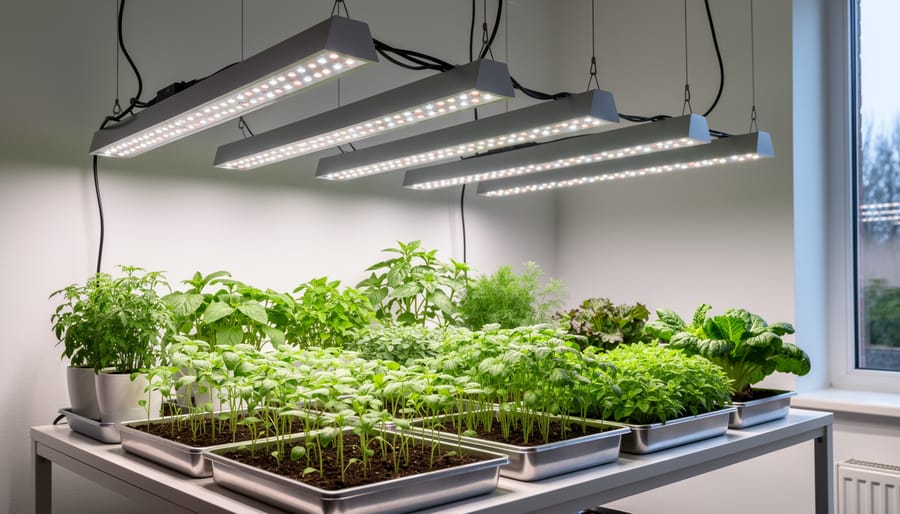
Why Modern LEDs Beat Your Grandmother’s Grow Lights
Remember those purple-tinged fluorescent tubes your grandmother might have used for her African violets? They worked, sure, but modern LED grow lights are honestly in a different league altogether.
Here’s the real difference: old-school fluorescent lights produce a lot of heat (which means you’re paying to cool your space while trying to light it), burn out relatively quickly, and frankly, they’re energy hogs. LEDs, on the other hand, stay cool to the touch, last for years instead of months, and use about half the electricity for the same light output. I switched my basement seedling setup two years ago, and my electricity bill dropped noticeably during spring starting season.
But the best part? Your plants actually grow better. LEDs can be tuned to emit specific light wavelengths that plants crave most, particularly in the red and blue spectrum. This means stronger stems, healthier foliage, and more vigorous growth without that harsh, wasteful light that older bulbs produced.
The upfront cost is higher, I’ll be honest. But when you factor in the energy savings and the fact that quality LED panels can last 50,000 hours or more, they pay for themselves. Plus, you can position them closer to your seedlings without worrying about heat damage, giving you more flexibility in tight spaces.
Setting Up Your First Indoor Growing Station
Creating your first indoor growing station is easier and more affordable than you might think! Start by choosing a dedicated space—a spare corner, shelf, or even an unused closet works beautifully. Your foundation will be LED grow lights, which have revolutionized home growing by providing full-spectrum light while staying cool and energy-efficient.
For beginners, I recommend starting with a simple two-tier setup. Mount your LED panel about 6-12 inches above your growing surface, adjusting as plants grow. You’ll want to set a timer for 12-16 hours of daily light, mimicking natural growing conditions. Most basic LED systems cost between $30-$80 and will serve you for years.
Begin with easy wins like herbs—basil, parsley, and cilantro thrive under indoor lighting and provide continuous harvests. Use quality potting mix in containers with drainage holes, and remember that indoor plants typically need less water than you’d expect since there’s no sun or wind to dry them out.
The beauty of this setup? Once you’ve mastered herbs, you can graduate to greens, peppers, or starting seeds for your outdoor garden. Many gardeners find their indoor station becomes a year-round joy, especially when fresh basil brightens a winter meal!
Monitoring Your Garden’s Health: Sensors and Testing Made Simple
The Bluetooth Probe in My Tomato Bed
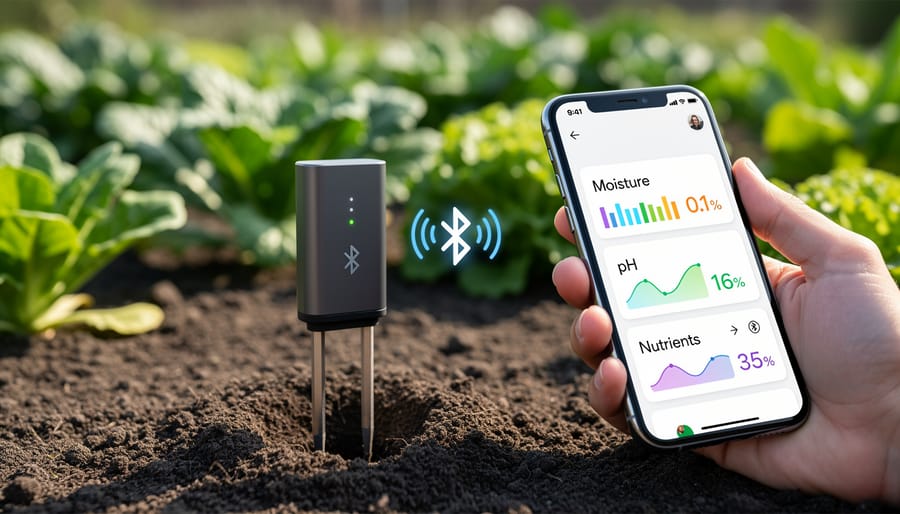
I’ll admit, I was skeptical when I first stuck a Bluetooth soil probe into my tomato bed. The idea of monitoring soil conditions from my phone felt a bit excessive for someone who’d been gardening just fine by the old-fashioned finger test. But after one season with this little device, I’m genuinely impressed.
The probe I tested measures moisture, light levels, temperature, and fertility—all transmitted to a smartphone app that translates the data into simple recommendations. No chemistry degree required. Within minutes of installation, I discovered my tomatoes were getting less light than I thought due to afternoon shade from a neighboring tree. The fertility readings also explained why my plants looked pale despite regular feeding—the soil pH was off, preventing nutrient absorption.
What I appreciate most is how approachable these devices have become. The app doesn’t overwhelm you with scientific jargon. Instead, it tells you things like “water in two days” or “consider adding compost.” For beginners, this takes the guesswork out of soil management. For experienced gardeners like myself, it confirms intuition and catches problems before they become visible.
Most models cost between fifty and one hundred dollars—a worthwhile investment if you’re serious about improving your results without the intimidation factor of traditional soil testing.
When Old-School Meets High-Tech
The smartest gardeners I know keep one hand on their moisture meter and the other in the soil. There’s real magic in learning to blend traditional observation skills with modern tech tools. Start your morning with a walk through your garden, touching leaves, checking soil texture, and really looking at your plants. Then confirm what your senses tell you with your monitoring devices. Notice wilting? Your sensor might reveal surprising moisture levels underground. See yellowing leaves? A pH meter can verify if it matches the nutrient deficiency you suspect. This partnership between experience and data creates a fuller picture than either approach alone. As veteran gardener Maria Torres told me, “My grandmother taught me to read plants, but my soil sensor helps me understand the why behind what I’m seeing.” The goal isn’t replacing your instincts but sharpening them with precise information that helps you become a better plant detective.
Voices from the Field: Gardeners Who Made the Tech Leap
I wanted to hear from gardeners like you who’ve actually taken the plunge into garden tech, so I reached out to three folks at different stages of their gardening journeys. Their honest experiences might just help you decide which innovations are worth trying.
Meet Sarah, a beginner gardener who started with a tiny balcony setup just two years ago. “I killed so many herbs before getting a soil moisture sensor,” she laughs. “I thought I was helping by watering every day, but I was drowning them!” Her fifteen-dollar sensor taught her what proper moisture actually feels like. Her one flop? An expensive grow light app that promised custom schedules. “It was confusing and kept crashing. I switched to a simple timer instead, and my seedlings are thriving.” Sarah’s advice for newcomers: “Start with one affordable gadget that solves your biggest problem. Mine was overwatering, and that little sensor changed everything.”
Tom has been gardening for twenty years and recently added a smart irrigation system to his vegetable garden. “Best investment I’ve made in a decade,” he tells me. “It connects to local weather data and adjusts watering automatically. I’ve cut my water bill by about thirty percent while actually improving my yields.” He admits his first attempt at using a garden planning app flopped spectacularly. “Too many features I didn’t need. I went back to sketching on graph paper, which works perfectly for me.” His takeaway? “Technology should simplify your life, not complicate it. If something feels like homework, it’s not the right tool for you.”
Finally, there’s Maria, a community garden coordinator who introduced automated composting monitors to track temperature and moisture in their bins. “Game-changer for teaching new members about composting,” she says. “Seeing real-time data helps people understand the process instead of just following rules.” The lesson from all three? Start small, embrace failures as learning experiences, and remember that the best technology is whatever helps you spend more time enjoying your garden and less time worrying about it.
Starting Small: Your First Tech-Forward Gardening Project
Ready to dip your toes into tech-enhanced gardening? I completely understand if you’re feeling a bit overwhelmed—when I first explored garden technology, the options seemed endless! The good news is that starting small often leads to the best results.
Let me share a simple framework I’ve developed after talking with dozens of gardeners who’ve successfully integrated technology into their routines. First, identify your biggest gardening challenge. Are you constantly forgetting to water? Struggling to understand why certain plants aren’t thriving? Dealing with unexpected pest problems? Your pain point becomes your starting line.
For gardeners who travel frequently or simply have busy schedules, a basic soil moisture sensor is an excellent first step. These affordable devices (often under $30) take the guesswork out of watering by telling you exactly when your plants need a drink. I spoke with Margaret, a weekend gardener from Portland, who told me this single tool saved her tomato crop last summer.
If plant health mysteries keep you up at night, consider starting with a simple pH testing kit or a basic digital thermometer for monitoring soil temperature. These tools provide concrete data that helps explain why some plants struggle while others flourish.
Budget matters too, and thankfully technology doesn’t have to break the bank. Set a realistic starting budget—anywhere from $20 to $100 can get you meaningful tools. Remember, the fanciest gadget won’t help if it sits unused in your shed. Choose something that addresses a real problem you’re experiencing right now, not something you might need someday. Start with one tool, master it completely, then expand from there.
Here’s the thing about horticultural technology: it’s not here to replace the simple pleasure of getting your hands dirty. These innovations aren’t meant to take you away from the therapeutic ritual of hands-in-soil gardening, but rather to enhance those moments and make them more successful. Think of technology as your gardening partner, handling the monitoring and alerting while you focus on the creative, nurturing aspects you love most.
The beauty of today’s horticultural innovations is that you don’t need to adopt everything at once. Start small. Maybe it’s a simple soil moisture sensor or a basic drip irrigation timer. See how it feels, learn from it, and build your confidence. Each small step opens doors to understanding your garden in new ways.
We’d love to hear about your journey with garden technology. What tools have transformed your growing experience? What surprised you? Share your stories, successes, and even your learning moments with the Bluestem community. Your experience might be exactly what inspires another gardener to take their first step forward.