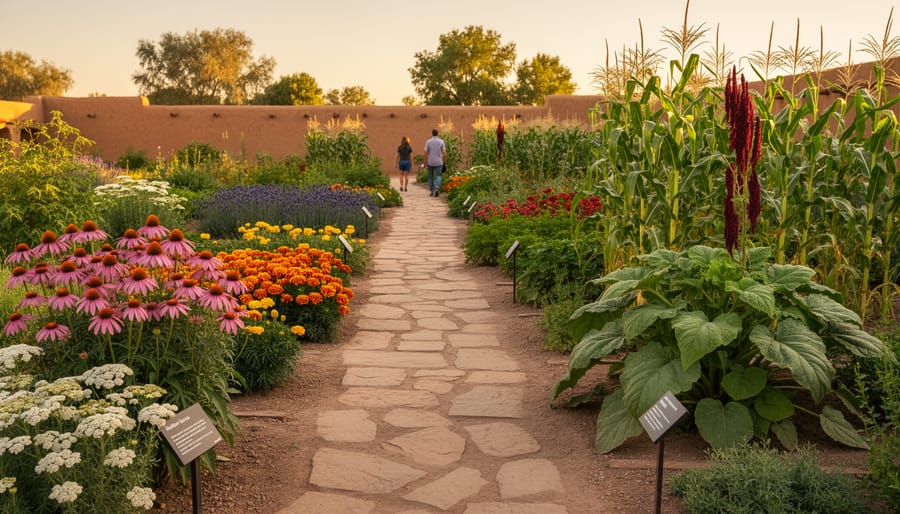
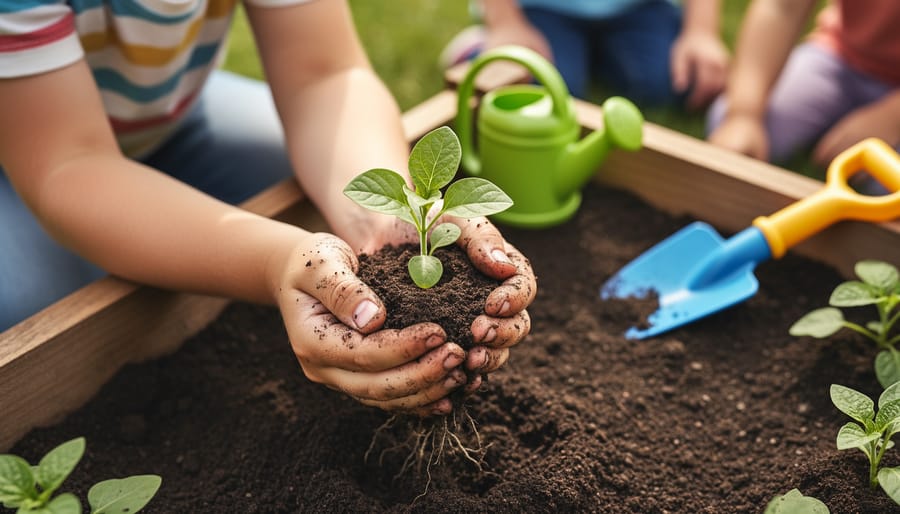
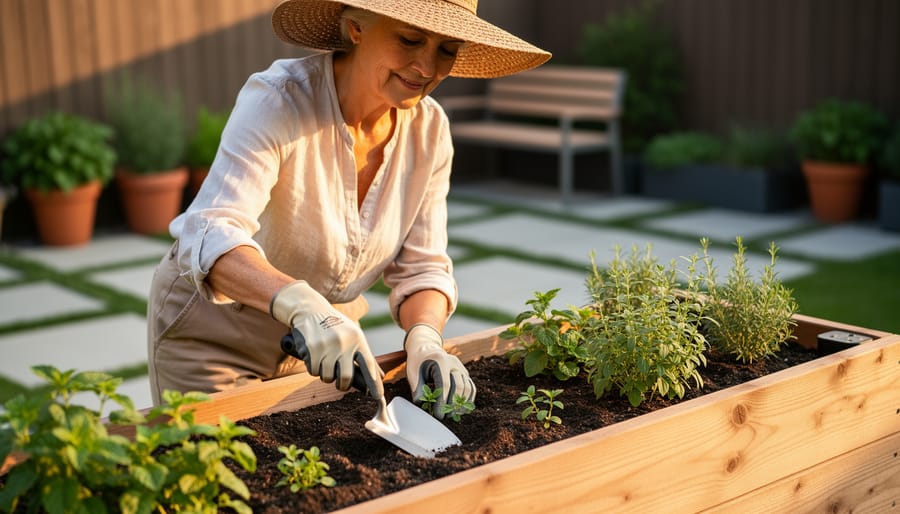
Tending a garden offers seniors far more than fresh vegetables and beautiful blooms—it delivers a powerful prescription for healthy aging that addresses both body and mind. Research shows that gardening can reduce the risk of dementia by 36%, lower blood pressure, strengthen bones, and provide the moderate physical activity that many older adults struggle to maintain through traditional exercise. Beyond the physical rewards, digging in the soil triggers the release of mood-boosting serotonin while offering a sense of purpose and accomplishment that becomes increasingly vital in retirement years.
The beauty of gardening for seniors lies in its remarkable adaptability. Whether you’re managing arthritis, limited mobility, or reduced stamina, simple modifications like raised beds, ergonomic tools, and container gardens can keep you actively growing. Even fifteen minutes of light weeding or watering delivers measurable health benefits while connecting you to nature’s rhythms and the satisfaction of nurturing life.
This gentle, rewarding activity naturally combats the isolation that many older adults face, creating opportunities for social connection through community gardens and shared harvests with neighbors. The combination of sunshine exposure for vitamin D production, the cognitive stimulation of planning and problem-solving, and the stress-reducing effects of being outdoors creates a holistic wellness activity that pharmaceutical companies simply cannot replicate. For seniors seeking an enjoyable path to better health, the garden awaits with open arms and endless possibilities.
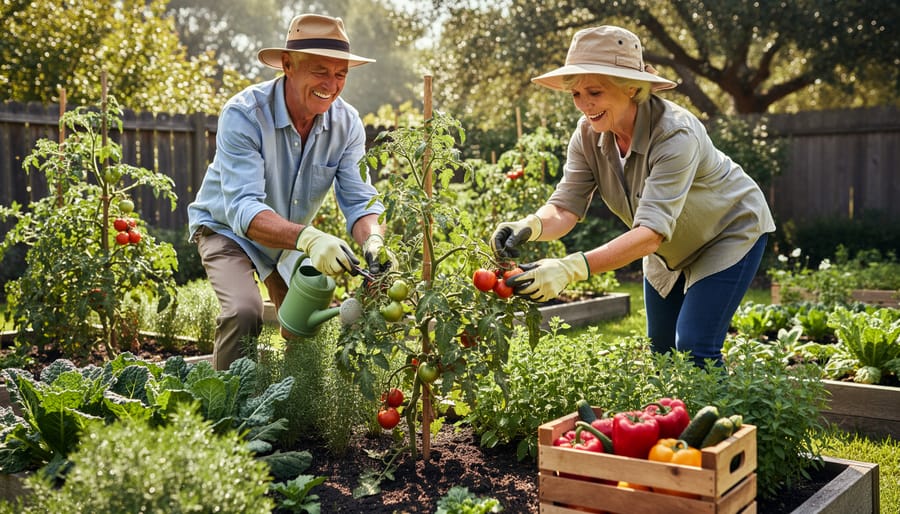
The Physical Health Benefits That Matter Most
Gentle Exercise That Builds Strength and Flexibility
Gardening offers something truly wonderful for seniors: a complete workout disguised as a pleasurable hobby. Unlike high-impact exercises that can strain aging joints, gardening activities provide gentle, natural movement that builds strength gradually and safely.
Think about the range of motions involved in a typical gardening session. When you’re digging holes for new plants, you’re engaging your arms, shoulders, and core muscles. Bending to pull weeds gives your legs and lower back a good stretch, while raking leaves works your upper body. These varied movements create a full-body workout that happens organically as you focus on nurturing your plants rather than counting repetitions.
The beauty of gardening is its low-impact nature. You’re constantly moving, shifting positions, and using different muscle groups, but without the jarring stress of activities like running or jumping. This makes it ideal for maintaining cardiovascular health while protecting vulnerable joints. Studies show that just thirty minutes of moderate gardening can burn around 150 calories while improving heart health and circulation.
Best of all, you control the intensity. On days when you have more energy, tackle heavier tasks like turning compost or moving pots. When you need something gentler, focus on pruning or planting seeds. This flexibility means you’re building strength and stamina at your own pace, listening to your body’s needs while still reaping tremendous physical benefits. The repetitive motions also improve hand-eye coordination and fine motor skills, keeping you nimble and capable.
Better Balance and Reduced Fall Risk
Here’s something that might surprise you: the simple act of reaching for that tomato plant or bending to pull a weed could be one of your best defenses against falls. When we garden, we’re constantly shifting our weight, stretching, bending, and moving in different directions—all movements that challenge and strengthen our balance systems.
These everyday gardening motions work multiple muscle groups simultaneously, particularly those stabilizing muscles in your core, legs, and ankles that are essential for maintaining steady footing. When you squat to plant seeds or reach overhead to prune branches, you’re practicing the same movements that help you navigate stairs, get out of chairs, and move safely around your home.
The uneven terrain of garden beds and paths also provides a natural training ground. Walking on slightly irregular surfaces helps your body learn to adapt and recover quickly, improving your proprioception—that’s your body’s awareness of where it is in space. This heightened awareness becomes increasingly valuable as we age.
Research shows that regular gardeners experience better coordination and lower fall rates compared to their non-gardening peers. Even just 30 minutes of garden activity several times per week can make a noticeable difference in your stability and confidence when moving about. The best part? You’re building these crucial skills while nurturing something beautiful.
Bone Health and Vitamin D Exposure
Getting outside to garden offers wonderful benefits for your bones, especially as we age. When you’re tending to your tomatoes or weeding flower beds, you’re doing more than just beautifying your space—you’re actually supporting your skeletal health in two important ways.
First, the gentle weight-bearing movements involved in gardening help maintain bone density. Activities like digging, raking, and carrying watering cans create mild resistance that encourages your bones to stay strong. Even light gardening tasks provide enough stimulus to help slow the natural bone loss that happens with aging.
Second, spending time outdoors means you’re soaking up natural sunlight, which is your body’s best source of vitamin D. This essential nutrient helps your body absorb calcium, the building block of strong bones. Just 15-20 minutes of sun exposure while gardening can give you a significant vitamin D boost—though remember to protect your skin with sunscreen during longer sessions.
I spoke with garden educator Margaret Thompson, who’s been gardening for forty years, and she shared this insight: “Many of my senior gardening students tell me their doctors have commented on their improved bone density. It’s rewarding to know that something we love doing is also keeping us healthy and independent.”
Improved Hand Dexterity and Motor Skills
Your hands deserve celebration—and gardening provides the perfect workout! Activities like pinching seeds, grasping hand tools, and carefully pruning branches engage those small muscles and joints that can stiffen with age or arthritis. Each time you transplant seedlings or deadhead flowers, you’re building hand strength and improving finger coordination without even realizing it.
These gentle, repetitive motions help maintain flexibility and range of motion in your fingers and wrists. Many seniors find that regular gardening sessions reduce joint stiffness and increase their ability to perform daily tasks like opening jars or buttoning shirts. The varied movements—from gentle pinching to firmer gripping—provide natural resistance training for your hands.
If arthritis affects your joints, don’t worry! Using adaptive tools for arthritis makes gardening comfortable while still delivering those beneficial exercises. Ergonomic tools with cushioned grips reduce strain while keeping your hands active and engaged in meaningful work.
Mental and Emotional Well-Being in the Garden
Natural Stress Relief and Mood Enhancement
There’s something wonderfully calming about digging your hands into warm soil and tending to living plants. Research shows that gardening naturally lowers cortisol, the stress hormone that tends to spike during challenging times. For seniors facing life transitions like retirement or health changes, this gentle stress reduction becomes especially valuable.
Spending time outdoors among growing things offers therapeutic benefits that go far beyond what we might expect. The combination of fresh air, sunlight, and the rhythmic nature of garden tasks creates a meditative experience that quiets anxious thoughts. Many seniors find that twenty minutes of weeding or watering provides the same peaceful feeling as meditation, but feels less intimidating to start.
Garden therapist Margaret Chen, whom we interviewed for her insights on the mental health benefits of gardening, notes that watching plants grow from seed to harvest gives seniors a sense of purpose and accomplishment. This connection to nature’s cycles helps combat depression by providing daily reasons to get outside and engage with something meaningful. The garden becomes a living companion that needs your attention, giving structure to your days while rewarding you with beauty and growth.
Cognitive Stimulation and Memory Support
Gardening is like a wonderful workout for your brain! When you plan your garden layout, decide which vegetables to plant next to each other, or figure out why your tomatoes aren’t thriving, you’re engaging in problem-solving that keeps your mind sharp and active.
Research shows that learning new things—like memorizing plant names, understanding growing zones, or mastering composting techniques—creates new neural pathways that may help reduce cognitive decline. One study found that seniors who regularly garden have a significantly lower risk of developing dementia compared to those who don’t.
The seasonal nature of gardening also exercises your memory and planning skills. You’ll remember when to plant peas, which roses need pruning in spring, and how you solved that aphid problem last summer. These mental exercises accumulate throughout the growing season.
I’ve spoken with several senior gardeners who credit their hobby with keeping them mentally agile. Margaret, 78, told me she learns at least three new plant varieties each year. “It gives me something to research and master,” she explained. “My mind stays curious.”
The beauty of gardening for cognitive health is that it happens naturally while you’re enjoying yourself outdoors, making it far more appealing than traditional brain training exercises.
Purpose, Achievement, and Self-Esteem
There’s something deeply fulfilling about watching a seed you planted transform into a thriving plant. For seniors, this simple act of nurturing becomes so much more than just a hobby—it provides a profound sense of purpose that many retirees find they’re missing after leaving the workforce.
When you tend to a garden, you’re needed. Your plants depend on you for water, care, and attention. This daily responsibility creates structure and meaning in your routine, giving you a reason to get up in the morning and step outside. It’s especially valuable during retirement when days can sometimes feel unstructured or aimless.
The accomplishment you feel when harvesting your first tomatoes or seeing your flowers bloom is genuine and measurable. Unlike many aspects of aging that can feel like decline, gardening offers visible proof of growth and success. You created that beauty. You made those vegetables appear. These tangible achievements do wonders for self-esteem.
I spoke with Margaret, an 78-year-old gardener from Oregon, who told me: “After my husband passed, I felt lost. Starting a small herb garden gave me something to care for again. Now I share my basil and rosemary with neighbors, and it reminds me I still have so much to offer.”
This combination of purpose, responsibility, and visible success creates a powerful boost to mental health. You’re not just growing plants—you’re cultivating confidence, meaning, and a renewed sense of your own capabilities.
Social Connection Through Gardening
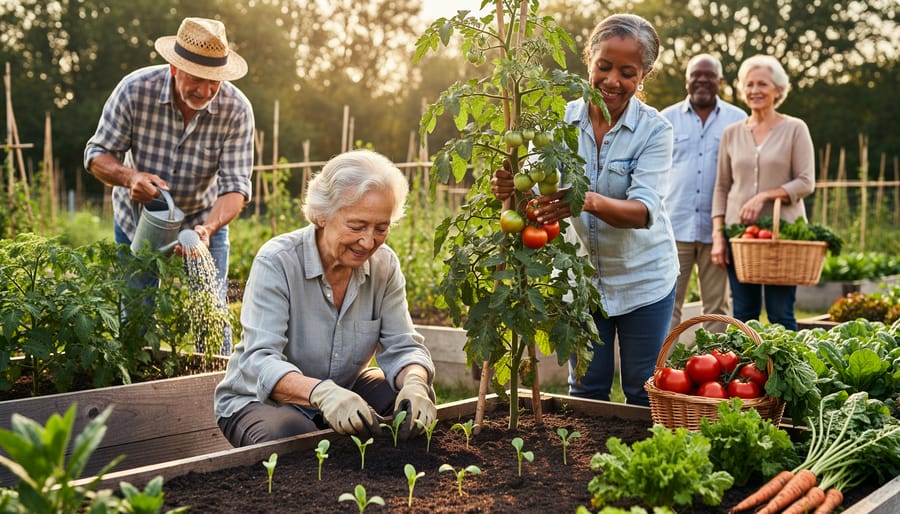
One of gardening’s most underappreciated benefits is its remarkable ability to bring people together. For seniors who may experience isolation or loneliness, especially after retirement or the loss of a spouse, gardening opens doors to meaningful social connections that enrich daily life.
Community gardens have become vibrant hubs where seniors gather to share their knowledge, swap gardening tips, and simply enjoy companionship while tending their plots. These shared spaces create natural opportunities for conversation and friendship without the pressure of formal social settings. I’ve spoken with many gardeners who say their community garden friends have become like family, offering support that extends far beyond the garden gates.
The simple act of sharing produce creates connections too. When you grow more tomatoes than you can eat, gifting them to neighbors sparks conversations and strengthens relationships. Many seniors find joy in distributing their harvest to local food banks, creating a sense of purpose and contribution to their community.
Even for those who garden at home, the hobby naturally leads to interactions. Fellow gardeners are always happy to discuss what’s blooming, trade seeds, or offer advice about pest problems. Garden clubs and horticultural societies provide structured opportunities to meet like-minded individuals and learn together.
These social connections do more than fill time; they combat the serious health risks associated with isolation. Research shows that regular social interaction supports cognitive health, reduces depression, and may even extend longevity. When gardening becomes a social activity, you’re nurturing both your plants and your wellbeing simultaneously.
Making Gardening Easier and Safer for Older Adults
Raised Beds and Container Gardens
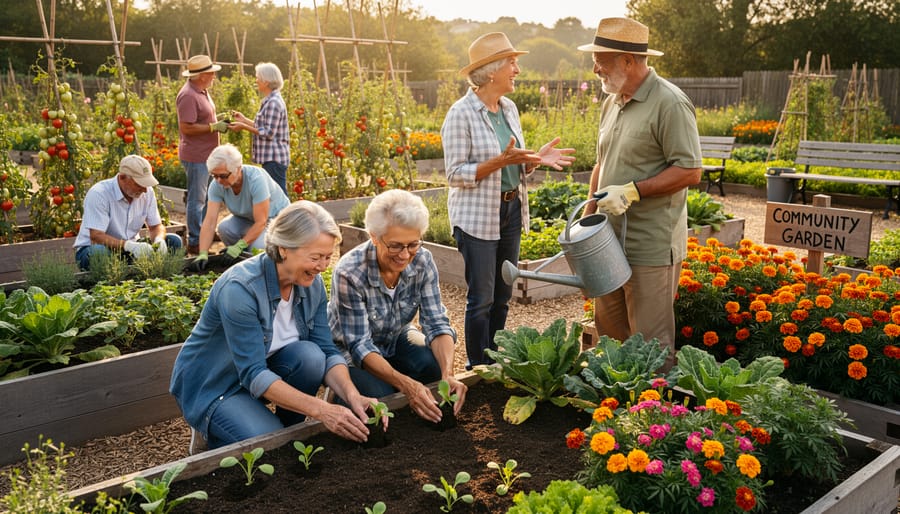
Raised beds and container gardens are game-changers for seniors who want to keep gardening without the physical strain of traditional ground-level plots. By bringing plants up to a more comfortable working height, these options virtually eliminate the need for bending, stooping, and kneeling—movements that can be challenging or painful for many older adults dealing with arthritis, back problems, or balance concerns.
Raised beds can be built at table height, allowing you to garden while standing or sitting on a regular chair. This means you can tend your tomatoes and herbs without getting down on the ground. Container gardens offer similar benefits with added flexibility—you can arrange pots at various heights on patios, decks, or even balconies to create a personalized growing space that works for your body.
These age-friendly garden modifications also make it easier to control soil quality and drainage while reducing weeds. Start small with just a few containers or one raised bed to test what height feels most comfortable for you. You’ll quickly discover that gardening doesn’t have to mean sacrificing your knees or back—it’s about finding creative solutions that let you keep doing what you love.
Ergonomic Tools and Equipment
Making gardening more comfortable doesn’t mean you’re giving up—it means you’re gardening smarter! The right ergonomic gardening tools can transform your experience from painful to pleasurable, allowing you to spend more time doing what you love.
Look for tools with long handles that eliminate excessive bending and stooping. These extended-reach designs let you tend to your plants while maintaining better posture. Lightweight materials like aluminum or fiberglass reduce the overall weight you’re managing, making tasks less tiring on your arms and shoulders.
Padded or cushioned grips are absolute game-changers for those dealing with arthritis or joint sensitivity. These soft handles distribute pressure more evenly across your hand, reducing discomfort during extended use. Some tools even feature ergonomic angles that keep your wrists in a more natural position.
Garden kneelers with handles provide support when getting up and down, while rolling garden seats let you move comfortably between tasks. Don’t hesitate to invest in quality tools—they’re an investment in your continued gardening enjoyment and overall well-being for years to come.
Safety Tips and Smart Planning
Making your garden a safe and enjoyable space doesn’t require complicated changes. Start with the basics: keep a water bottle within reach and set a timer to remind yourself to hydrate, especially during warmer months. Sun protection is essential, so wear a wide-brimmed hat, apply sunscreen to exposed skin, and consider gardening during cooler morning or evening hours.
Listen to your body and take regular breaks. There’s no rush, and working in 20-30 minute intervals helps prevent overexertion. If bending is challenging, raised beds or container gardens at waist height make tending plants much easier on your back and knees.
Choose low-maintenance plants that thrive with minimal fuss. Hardy perennials, herbs like rosemary and thyme, and cheerful marigolds are forgiving options that reward you without demanding constant attention. Creating accessible pathways with non-slip surfaces ensures you can navigate your garden safely, even after watering. Consider adding handrails along slopes or installing a sturdy garden bench for resting spots.
Keep your most-used tools within easy reach, and invest in ergonomic options with cushioned grips. A rolling garden seat or kneeling pad can transform your comfort level. Remember, gardening should bring joy, not strain, so adapt your space to work with you.
Gardening truly offers a remarkable path to holistic wellness for seniors, nurturing body, mind, and spirit in equal measure. Whether you’re rediscovering a lifelong passion or picking up a trowel for the first time, remember that every gardening journey begins with a single seed. There’s no need to transform your entire yard overnight. Start with one container on your patio, a small raised bed, or even a few herbs on a sunny windowsill. The beauty of gardening lies not in perfection, but in the simple act of connecting with nature and watching life flourish under your care. As you dig, plant, and tend your garden, you’re simultaneously cultivating strength, peace, and purpose. So why wait? Step outside today, feel the soil between your fingers, and embrace the lifelong joy that gardening brings. Your healthier, happier future is waiting to bloom.