Layer heat-tolerant hostas like ‘Sum and Substance’ beneath high-branched trees where dappled sunlight filters through during cooler morning hours, ensuring they receive adequate moisture during Zone 9’s intense summer months. Position caladiums and coleus in areas receiving 2-4 hours of morning sun followed by afternoon shade, as these tropical performers actually need Zone 9’s warmth to display their vibrant foliage at peak intensity. Amend your soil with 3-4 inches of compost before planting since Zone 9 shade gardens face a unique challenge: tree roots compete aggressively for water in the heat, and organic matter helps retain moisture while keeping roots cool.
The secret to thriving shade gardens in Zone 9 isn’t simply choosing shade plants, it’s selecting varieties that embrace heat and humidity as advantages rather than obstacles. While northern gardeners struggle to keep impatiens alive through cool springs, you’ll watch them flourish into autumn. Your shaded spaces can become lush retreats filled with bold textures and colors that many cooler-climate gardeners never achieve. This guide reveals which plants genuinely prosper in your specific conditions and how to create a shade garden that celebrates Zone 9’s extended growing season.
Why Zone 9 Shade Gardens Need a Different Approach
If you’ve ever tried following traditional shade garden advice in Zone 9, you’ve probably experienced some disappointing results. The truth is, gardening in the shade here requires a completely different playbook than what works in cooler climates.
Zone 9’s unique combination of mild winters and scorching summers creates a challenging environment that most shade garden plants aren’t naturally equipped to handle. While many regions enjoy frost as a natural reset button, Zone 9 gardeners face year-round growing conditions with temperatures that can soar well above 90°F even in shaded areas. That shade you’re counting on? It’s often more like filtered sunlight through a magnifying glass.
Here’s what catches many gardeners off guard: shade in a hot climate doesn’t mean cool, comfortable conditions for plants. Even with protection from direct sun, your shaded garden beds can still experience significant heat stress. The soil stays warm, the air remains humid, and plants face constant pressure to manage water loss while trying to photosynthesize in lower light conditions.
The humidity factor is another game-changer. While northern gardeners worry about keeping shade-loving plants moist enough, Zone 9 gardeners often battle fungal issues and rot from excessive moisture combined with heat. This means plants that thrive in the damp shade of Pacific Northwest forests might struggle or even fail in your muggy Zone 9 garden.
Water needs shift dramatically too. Your plants require consistent moisture to cope with heat stress, but overwatering in warm, humid conditions invites disease. It’s a delicate balance that requires selecting plants specifically adapted to these conditions, not just any plant labeled as shade-tolerant.
Best Perennials for Zone 9 Shade
Groundcovers That Actually Stay Green
Finding groundcovers that stay lush and green in shaded Zone 9 gardens can feel like striking gold, but these three champions deliver exactly that without constant fussing.
Asiatic jasmine is my go-to recommendation for anyone wanting a carpet of deep green foliage that laughs at heat and humidity. This evergreen spreader handles drought once established and actually prefers partial to full shade in our Zone 9 summers. Plant plugs 12-18 inches apart, and you’ll have complete coverage within a year. Water regularly during the first growing season, then step back and let it do its thing.
Mondo grass offers a completely different texture with its grass-like blades that stay beautifully green year-round. The standard variety grows 6-8 inches tall, while dwarf mondo maxes out around 4 inches, perfect for edging or filling tight spaces. Space plants 6-8 inches apart for traditional mondo grass, or 4-6 inches for the dwarf version. These tough little plants tolerate deep shade and need minimal water once their roots settle in.
Liriope, often called lilyturf, gives you the best of both worlds with attractive foliage and bonus purple flower spikes in late summer. Space plants 10-12 inches apart for a dense groundcover effect. It handles everything Zone 9 throws at it, from scorching reflected heat to root competition from trees.
All three thrive in amended soil with good drainage and benefit from a light spring fertilizer application.
Stunning Flowering Perennials
Just because you’re gardening in shade doesn’t mean you have to sacrifice color! Zone 9 offers incredible opportunities for vibrant flowering perennials that actually prefer being tucked away from intense afternoon sun.
Impatiens are your go-to workhorses for continuous color from spring through fall. While many gardeners know standard impatiens, I’m particularly excited about New Guinea impatiens, which handle Zone 9’s heat better and come in stunning coral, magenta, and bicolor varieties. They’ll bloom reliably in dappled shade, asking only for consistent moisture in return.
Caladiums bring a tropical punch with their dramatic heart-shaped leaves splashed in pink, white, red, and green combinations. Though technically grown for foliage, their color impact rivals any flower. Plant tubers in spring after soil warms, and they’ll perform beautifully through summer into fall. The variety ‘Moonlight’ practically glows in deep shade!
Begonias deserve more attention than they get. Wax begonias provide nonstop blooms in white, pink, or red, while angel wing begonias add architectural interest with spotted leaves and pendulous flower clusters. Both laugh at Zone 9 humidity that makes other plants sulk.
For something truly special, try ornamental gingers like hidden lily ginger or shell ginger. These tropical beauties produce exotic blooms in summer and early fall, creating that lush, resort-garden feeling. Their fragrant flowers and dramatic foliage make them conversation starters, and they’re surprisingly low-maintenance once established in rich, moisture-retentive soil.
Dramatic Foliage Plants
When flowers take a summer break in the heat, dramatic foliage plants become the stars of your Zone 9 shade garden. These texture-rich beauties provide consistent visual interest from spring through fall, transforming shaded areas into lush, layered landscapes.
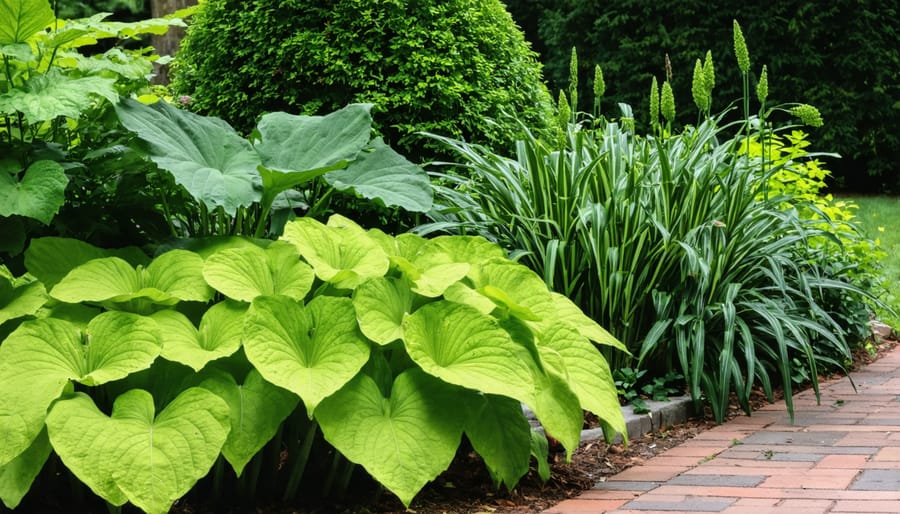
While many hostas struggle with Zone 9 heat, heat-tolerant hostas like ‘Sum and Substance’ and ‘Guacamole’ actually thrive here. These varieties handle humidity better and their large, ribbed leaves create stunning focal points. Give them morning shade and consistent moisture, and they’ll reward you with impressive foliage all season.
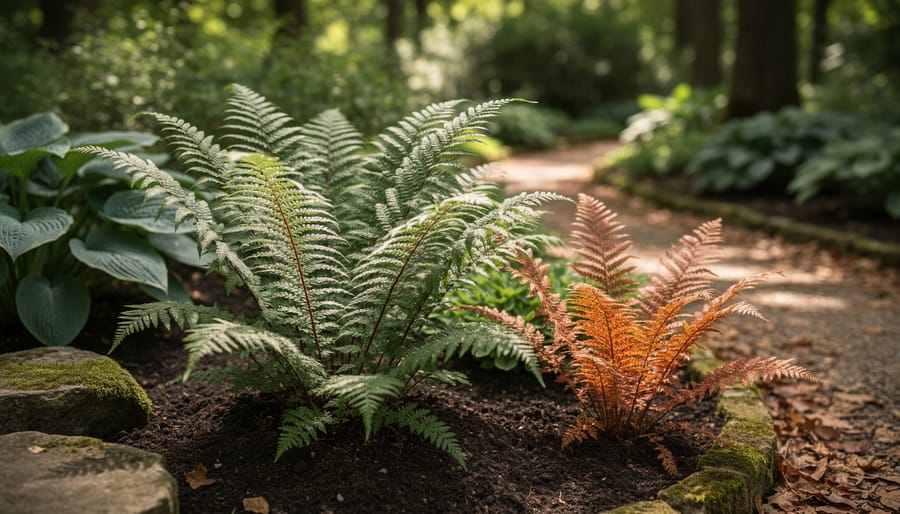
Ferns are absolute champions for Zone 9 shade gardens. Southern Wood Fern and Autumn Fern handle our heat beautifully, offering delicate, feathery texture that contrasts wonderfully with broader-leafed plants. I’ve found they’re practically carefree once established, requiring only occasional watering during dry spells.
For bold tropical drama, elephant ears are hard to beat. Colocasia varieties love our warm, humid conditions and produce enormous leaves that make a serious statement. They grow quickly, filling spaces with architectural presence that transforms ordinary shade into an exotic retreat.
Don’t overlook coleus for adding vibrant color through foliage. Modern varieties tolerate more sun than older types, but they truly excel in dappled shade where their burgundy, lime, and multicolored leaves practically glow. They’re perfect for filling gaps and adding seasonal pizzazz without worrying about blooms.
Shrubs and Small Trees for Shade Garden Structure
Creating vertical interest in your shade garden transforms it from a flat carpet of groundcovers into a living, layered sanctuary. Let me share some fantastic shrubs and small trees that absolutely love Zone 9’s shaded spots while giving your garden that essential structure.
Azaleas are my go-to recommendation for Zone 9 shade gardens. These beauties bloom prolifically in spring, offering stunning color just when you need it most. Encore azaleas are particularly exciting because they rebloom in fall, giving you two seasons of flowers. Most varieties stay compact at 3-5 feet tall, though you’ll want to give them 3-4 years to reach their full potential. They appreciate afternoon shade and consistent moisture during our Zone 9 summers.
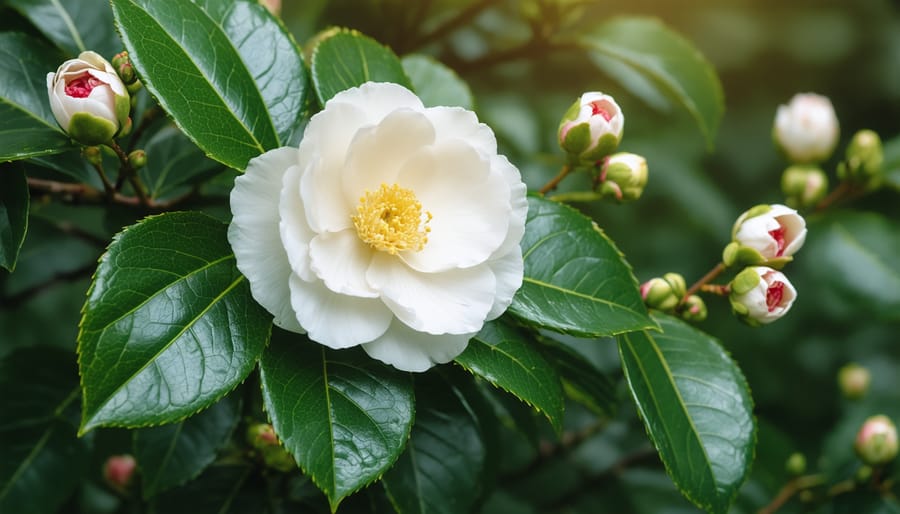
Camellias deserve a spotlight in every shade garden. These evergreen shrubs provide glossy foliage year-round and produce spectacular blooms from fall through spring, depending on the variety. Sasanqua camellias bloom earlier and tolerate more sun, while japonicas prefer deeper shade and flower later. Expect them to grow 6-10 feet over 5-7 years, though you can keep them smaller with pruning.
Hydrangeas thrive in that sweet spot of morning sun and afternoon shade. In Zone 9, this protection from intense afternoon heat is essential for success. Oakleaf hydrangeas are particularly well-suited here, offering white blooms in summer and gorgeous fall color. They reach 6-8 feet in about 4-5 years and handle our heat beautifully.
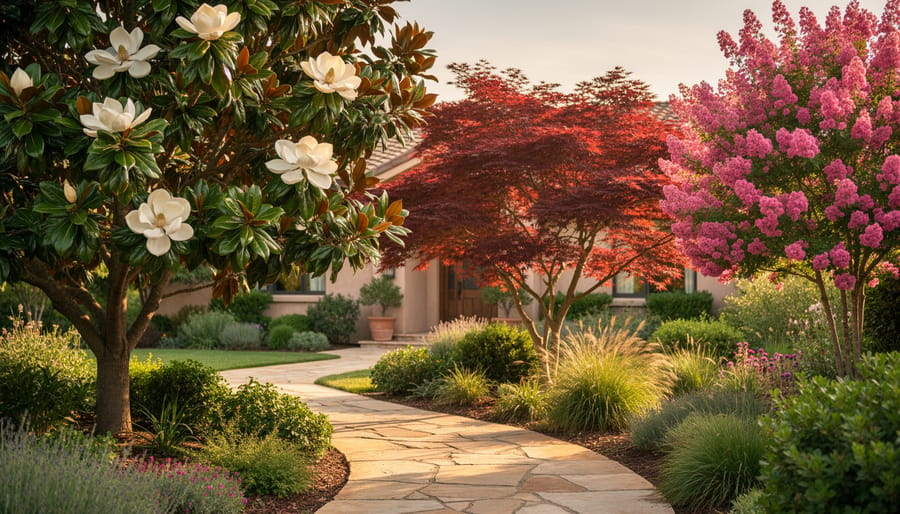
Japanese maples add elegance with their delicate foliage and graceful form. While they’re included in many Zone 9 trees lists, smaller varieties like Crimson Queen or Waterfall work wonderfully as large shrubs. These slow growers typically add 6-12 inches annually, eventually reaching 8-10 feet. Provide afternoon shade and regular water, especially during establishment, and they’ll reward you with stunning year-round interest.
Creating the Right Growing Conditions
Success in your Zone 9 shade garden starts with understanding that while your plants are sheltered from direct sun, they still need the right foundation to handle heat and humidity. Let me walk you through creating conditions where your shade-loving plants will truly flourish.
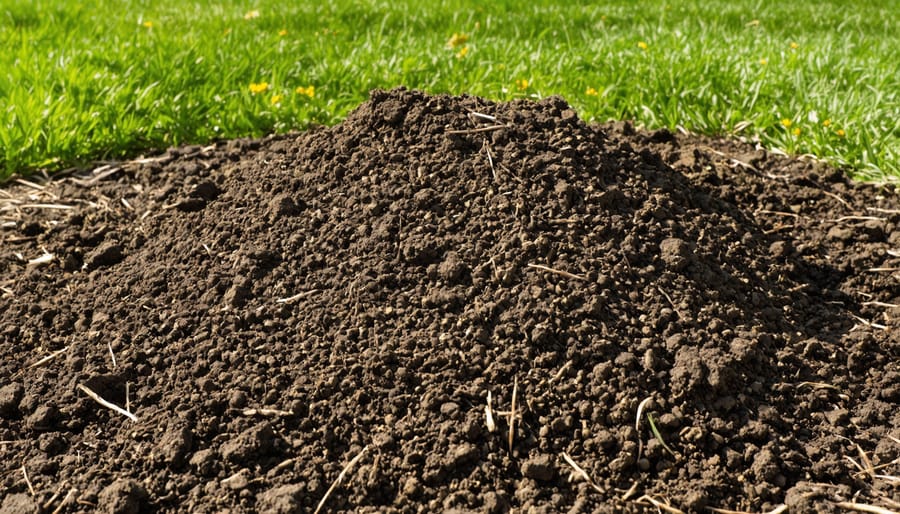
Start with soil preparation, because this makes all the difference. Zone 9 shade gardens often deal with compacted, nutrient-poor soil under established trees. Work in 3-4 inches of quality compost or aged leaf mold to improve drainage and add organic matter. I always tell fellow gardeners that healthy soil is like a good insurance policy – it helps plants weather stress. If you’re dealing with heavy clay common in many Zone 9 areas, consider raised beds that provide better drainage and easier root penetration.
Mulching becomes your best friend in these conditions. Apply 2-3 inches of organic mulch like pine bark or shredded leaves around your plants, keeping it a few inches from stems to prevent rot. Mulch moderates soil temperature during hot spells, retains moisture, and gradually improves soil quality as it breaks down. Just remember to replenish it twice yearly, as it decomposes faster in warm, humid climates.
Watering schedules need special attention in Zone 9. While shade reduces water loss, tree roots are fierce competitors for moisture. Water deeply but less frequently to encourage deep root growth. During typical growing seasons, aim for 1-1.5 inches weekly, but adjust during those intense rainy periods we experience. Poor drainage becomes a real concern then – if water pools for more than 6 hours after rain, you’ll need to address drainage issues before planting.
Root competition from mature trees presents unique challenges. Consider these advanced shade garden techniques: plant in pockets between major roots rather than directly over them, or use containers for particularly finicky plants. Understanding these Zone 9-specific challenges helps you work with nature rather than against it.
Year-Round Care and Maintenance Tips
Maintaining your Zone 9 shade garden doesn’t require complicated routines, but timing your tasks to match our unique climate makes all the difference. Let me walk you through what your garden needs throughout the year.
Spring arrives early here, often by February. This is your prime planting season for most shade perennials and shrubs. The soil is warming up, but summer heat hasn’t hit yet, giving new plants time to establish roots. Divide overgrown hostas, ferns, and other perennials now before temperatures soar. I always tell fellow gardeners that spring division gives plants the best chance to recover and thrive. Apply a balanced, slow-release fertilizer to established beds as new growth emerges.
Summer in Zone 9 means heat management becomes your priority. Even shade gardens need consistent moisture when temperatures climb into the 90s. Water deeply twice weekly rather than daily shallow watering, which encourages stronger root systems. Add extra mulch if needed to keep soil cool and retain moisture. Watch for signs of stress like wilting or leaf scorch, and consider temporary shade cloth for plants in dappled light areas during extreme heat waves.
Fall brings relief and another opportunity for planting. September through November offers ideal conditions for adding new plants or moving established ones. This season-by-season care approach ensures your garden stays healthy year-round. Cut back dead foliage, but leave some standing for wildlife habitat. Apply compost to replenish nutrients after the growing season.
Winter stays relatively mild, though occasional freezes happen. Keep frost cloth handy for tender tropicals when temperatures dip below 35 degrees. This is perfect timing for planning next year’s additions and tackling hardscape projects without battling heat. Most established shade plants need minimal attention now, just occasional watering during dry spells. Winter also offers a great opportunity to observe how light patterns shift through your garden before spring arrives.
Common Mistakes to Avoid in Zone 9 Shade Gardens
Creating a successful shade garden in Zone 9 requires avoiding some common pitfalls that can leave you frustrated. Let’s talk about the mistakes I’ve seen time and again, so you can skip right past them.
The biggest error? Choosing plants labeled “shade-loving” without checking their heat tolerance. A hosta that thrives in shady Michigan will often struggle or die in Zone 9’s intense summer heat, even when planted in shade. Always verify that your selections can handle both shade and your climate’s high temperatures and humidity.
Overplanting is another frequent mistake that’s easy to make when everything looks small at the nursery. Remember, plants need air circulation in humid climates to prevent fungal diseases. Give them proper spacing from the start, even if your garden looks sparse initially. Trust me, you’ll thank yourself later when you’re not dealing with powdery mildew or root rot.
Many gardeners also underestimate watering needs in shaded areas. While shade reduces evaporation, Zone 9’s heat still stresses plants significantly. Installing a drip irrigation system or soaker hoses ensures consistent moisture without overwatering, which is crucial for preventing both drought stress and fungal issues.
Finally, don’t ignore your soil’s drainage. Heavy clay soil combined with shade and humidity creates the perfect storm for root diseases. Amending your soil with compost and ensuring good drainage before planting saves countless headaches down the road. If drainage is poor, consider raised beds as a smart alternative.
Ready to transform your shady Zone 9 space? Start small and set yourself up for success. Choose three or four reliable performers like hostas, caladiums, or ferns for your first venture. As these beauties settle in and flourish, you’ll gain confidence and a better feel for your garden’s unique microclimate.
Remember, your Zone 9 shade garden has incredible potential. With the right plant choices, you can create a lush, vibrant retreat that stays colorful throughout most of the year. Those hot summers that challenge sun gardens actually work in your favor here, as shade becomes a precious commodity that both you and your plants will appreciate.
Don’t be afraid to experiment. Each garden tells its own story, and yours is waiting to unfold. Before you know it, you’ll have created a cool, peaceful sanctuary right in your own backyard where you can escape the heat and enjoy the fruits of your efforts.