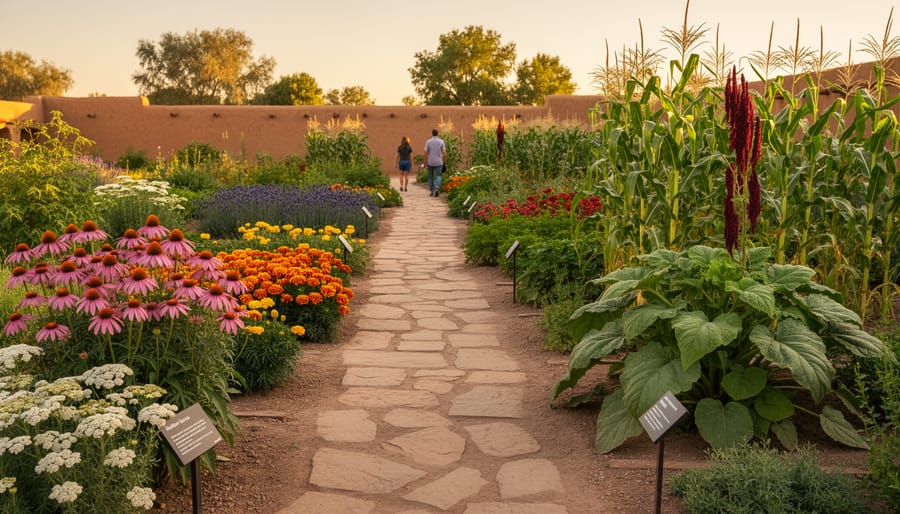
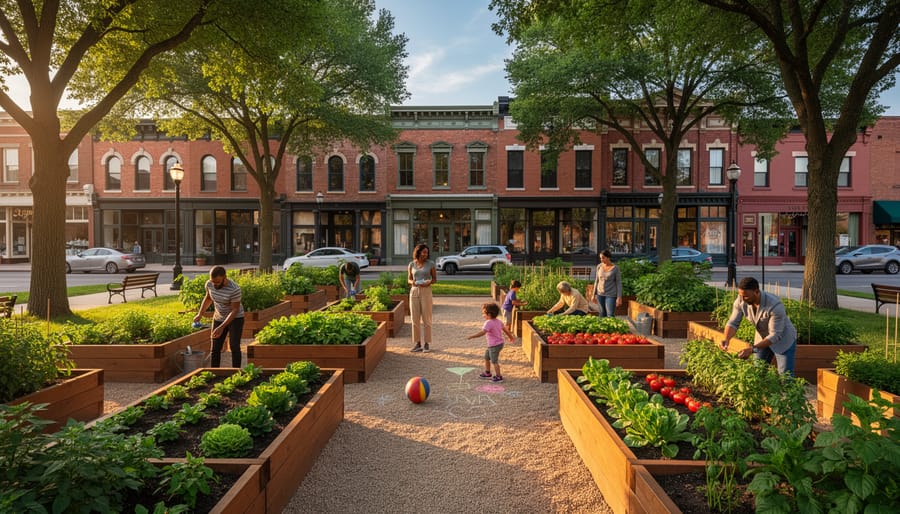
Step into the meticulously recreated gardens of Colonial Williamsburg, where 18th-century horticultural wisdom meets modern gardening inspiration. These historic landscapes reveal how colonial gardeners transformed practical necessity into beauty, using techniques that remain surprisingly relevant for today’s sustainable gardeners.
Between 1699 and 1780, Williamsburg’s gardens served as living laboratories where settlers experimented with Old World traditions and New World plants. Walking these grounds today, you’ll discover 90 acres of authentically restored gardens that demonstrate how our gardening ancestors maximized small spaces, grew food year-round, and created order through geometric designs—all without modern conveniences.
The gardens showcase three distinct styles: formal pleasure gardens with clipped boxwoods and brick pathways, productive kitchen gardens bursting with heirloom vegetables, and practical yards combining livestock, orchards, and herbs. Each tells a story of cultural exchange, as European design principles merged with indigenous plant knowledge and specimens from global trade routes.
What makes these gardens particularly valuable is their documentation. Colonial Williamsburg’s historians and horticulturists have spent decades researching original garden sites, studying period documents, and consulting archaeological evidence to recreate authentic 18th-century landscapes. This dedication to accuracy means every plant variety, every fence design, and every pathway offers genuine insights into colonial gardening practices.
Whether you’re interested in heirloom vegetables, historical garden design, or time-tested organic methods, Williamsburg’s gardens provide a masterclass in heritage horticulture that you can adapt to your own backyard.
The Living Laboratory: What Makes Colonial Williamsburg’s Gardens Special
Recreating History from Original Sources
The gardens you see in Colonial Williamsburg today didn’t simply appear through guesswork—they’re the result of fascinating detective work that began in the 1920s. When restoration efforts started, historians and horticulturists became horticultural archaeologists, piecing together clues from multiple sources to recreate these authentic spaces.
Archaeological digs revealed surprising details buried beneath centuries of soil. Excavators discovered original fence post holes, brick pathways, and planting beds that showed exactly where gardens once flourished. These physical remnants provided the skeleton of garden layouts that had been lost to time.
Period documents proved equally valuable. The team pored over colonial-era letters, diaries, and estate inventories that mentioned specific plants. One exciting discovery was Thomas Jefferson’s detailed garden notes, which referenced plants grown throughout Virginia. Newspaper advertisements from the 1700s revealed which seeds and plants local merchants were selling, giving insight into what colonists actually grew.
Plant lists from original nurseries and estate records were goldmines of information. These documents named varieties of vegetables, herbs, and ornamentals that thrived in 18th-century Virginia gardens. The restoration team cross-referenced these lists with botanical knowledge to ensure authenticity—only including plants that were actually available before 1800.
This meticulous approach means when you visit these gardens today, you’re experiencing something remarkably close to what colonial gardeners tended. It’s history you can see, smell, and truly understand through the lens of horticulture.
Four Garden Types You’ll Encounter
Walking through Colonial Williamsburg today, you’ll discover four distinct garden types that tell the story of 18th-century life. Each serves a unique purpose, and understanding these categories will deepen your appreciation for how our colonial ancestors approached outdoor spaces.
**Kitchen gardens** were the backbone of household self-sufficiency. These practical plots brimmed with vegetables, herbs, and medicinal plants essential for daily survival. Picture neat rows of cabbages, beans climbing simple trellises, and fragrant herb borders—everything within easy reach of the kitchen door.
**Pleasure gardens** represented a different priority altogether. These spaces were designed purely for enjoyment and relaxation, featuring flowering plants, shaded walkways, and comfortable seating areas. Wealthier colonists created these retreats to entertain guests and demonstrate their refined taste.
**Ornamental parterres** showcased formal European design influences. These elaborate geometric beds featured carefully clipped boxwood hedges forming intricate patterns, often filled with colorful flowers or crushed shells. They required significant maintenance and clearly signaled the owner’s social status.
**Working landscapes** encompassed orchards, cutting gardens, and areas for raising livestock. These productive spaces might include fruit trees, berry patches, and flowers grown specifically for arranging indoors. They bridged the gap between purely utilitarian kitchen gardens and decorative spaces.
As you explore, notice how many colonial households combined these elements, creating multifunctional gardens that were both beautiful and productive—a lesson that remains relevant for today’s gardeners.
Seeds of Empire: The Global Plant Exchange That Built These Gardens
From Europe’s Estates to Virginia Soil
Imagine colonial settlers arriving in Virginia with precious cargo tucked carefully among their belongings—not just household goods, but living connections to the gardens they’d left behind. Boxwood cuttings wrapped in damp cloth, rose slips nestled in wooden boxes, and seeds sewn into fabric pouches made the treacherous Atlantic crossing, carrying centuries of European gardening tradition to American soil.
These weren’t random plants, but carefully chosen specimens that reflected the formal garden designs popular among England’s gentry. Wealthy colonists wanted to recreate the manicured estates they’d admired back home, complete with geometric parterres, neatly clipped hedges, and symmetrical beds that demonstrated both taste and social standing. The boxwood, in particular, became a colonial favorite—its evergreen leaves and tolerance for shearing made it perfect for creating the structured edges that defined formal garden rooms.
Roses traveled well and adapted beautifully to Virginia’s climate, bringing not just beauty but also practical uses. Colonists valued them for rosewater, medicinal preparations, and the simple pleasure of their fragrance after a hard day’s work.
What’s fascinating is how these European traditions evolved once they took root in colonial soil. Gardeners quickly learned that Virginia’s hot summers and clay soil demanded adjustments. They discovered which plants thrived and which struggled, creating a unique blend of Old World ambition and New World reality that we can still observe in Williamsburg’s restored gardens today.
The Forgotten African and Caribbean Connections
When we walk through Colonial Williamsburg’s gardens today, we’re witnessing a landscape shaped by knowledge and plants that crossed the Atlantic through one of history’s darkest chapters. Enslaved Africans didn’t just provide labor—they brought invaluable agricultural expertise and crops that would transform American gardens forever.
The kitchen gardens you’ll see growing okra, sesame, black-eyed peas, and watermelon owe their presence to African origins. These weren’t European imports; they were survival crops that enslaved people insisted on cultivating, maintaining a connection to home while ensuring nutritional diversity. Okra, for instance, became such a staple that many colonists assumed it had always been there.
What’s particularly fascinating is the cultivation techniques that traveled with these plants. African gardeners introduced sophisticated methods like intercropping—planting complementary crops together—and raised bed systems that improved drainage and soil health. These weren’t random practices but generations of refined agricultural knowledge. The “three sisters” approach of companion planting that we celebrate today? African gardeners had their own versions, growing beans alongside vegetables to naturally enrich the soil.
During a conversation with Dr. James Walker, a historical horticulturist at Williamsburg, he emphasized how this cultural plant heritage represents resilience and ingenuity. “These enslaved gardeners adapted their knowledge to new climates and conditions,” he explained, “creating hybrid techniques that colonists would eventually adopt as their own.”
Today’s restoration efforts increasingly acknowledge these contributions, recognizing that Colonial Williamsburg’s gardens tell a more complete story—one where African botanical knowledge shaped American horticulture in ways we’re only beginning to fully appreciate and credit.
Indigenous Plants in Colonial Gardens
Long before European settlers arrived, indigenous peoples had developed sophisticated agricultural knowledge over thousands of years. The colonists of Williamsburg quickly recognized the value of this expertise, incorporating Native American food plants into their gardens and learning cultivation techniques that would prove essential to their survival.
Corn, beans, and squash—known as the “Three Sisters”—became staples in colonial gardens, planted using the indigenous companion planting method where each plant supports the others. Corn provides a natural trellis for climbing beans, which in turn fix nitrogen in the soil, while squash leaves shade the ground to retain moisture and suppress weeds. This brilliant technique still works wonders in modern gardens!
Colonists also embraced indigenous ornamentals and medicinal plants. Sunflowers, originally cultivated by Native Americans for their nutritious seeds and oil, added cheerful height to colonial borders. Wild bergamot, passionflower, and black-eyed Susans brought native beauty to formal garden designs, bridging two horticultural traditions.
The indigenous practice of mulching with leaves and creating raised mounds for planting transformed colonial gardening methods. These techniques improved drainage and soil warmth—lessons learned directly from Native American gardeners who had perfected them through generations of observation and experimentation.
Today, when we incorporate native plants or use companion planting in our gardens, we’re honoring this knowledge exchange. It’s a reminder that successful gardening has always involved learning from the land and those who understood it best. Why not try growing the Three Sisters this season? You’ll be connecting with centuries of gardening wisdom.
Walking Through the Gardens: Signature Spaces and Their Stories
The Governor’s Palace Gardens: Power and Prestige in Plants
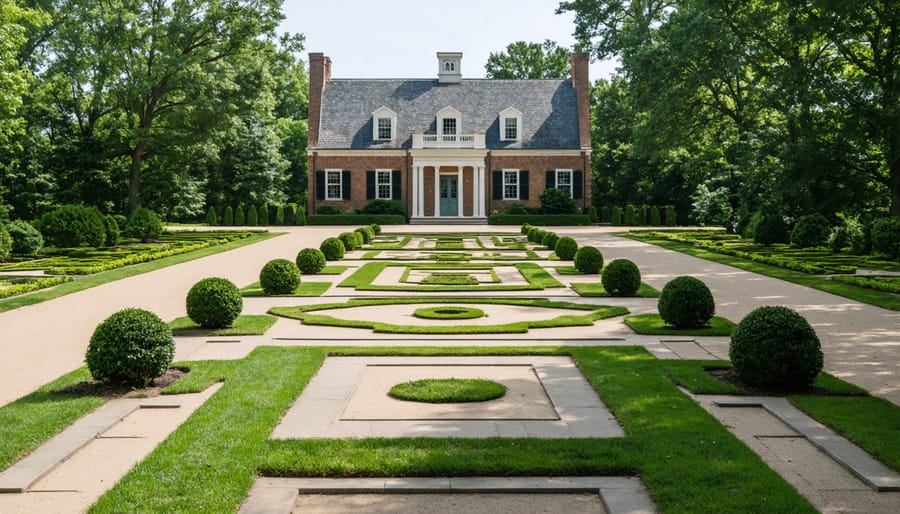
The Governor’s Palace Gardens stand as Colonial Williamsburg’s crown jewel—a masterclass in using plants to broadcast status and sophistication. Walking through these restored grounds today, you’ll encounter the same design principles that made 18th-century visitors gasp in admiration.
The formal parterres immediately catch your eye with their geometric precision. These low, neatly clipped hedges of boxwood create intricate patterns best viewed from the palace’s upper windows—a clever design choice that emphasized the governor’s elevated position. It’s fascinating how these layouts mirror the grand estates of England and France, proving that ambitious colonists could match European elegance an ocean away.
What really brings these gardens to life are the meticulously shaped topiaries. Evergreens sculpted into cones, spheres, and spirals demonstrated that the governor commanded not just political power, but also the labor and expertise needed to maintain such living sculptures. Master gardener John Barrow, whom I spoke with during a recent visit, explained: “These weren’t just decorative choices—they were statements. Every perfectly trimmed hedge announced, ‘We have the resources to maintain this.'”
The garden’s symmetrical design also reflects the period’s belief in order and control—both over nature and colonial territories. While we might appreciate these spaces differently today, understanding their original purpose as symbols of imperial authority adds depth to our appreciation.
You can borrow elements of this garden sanctuary design for your own space, creating formal structure with boxwood hedging or simple geometric beds that bring timeless elegance home.
Kitchen Gardens: Where Beauty Met Function
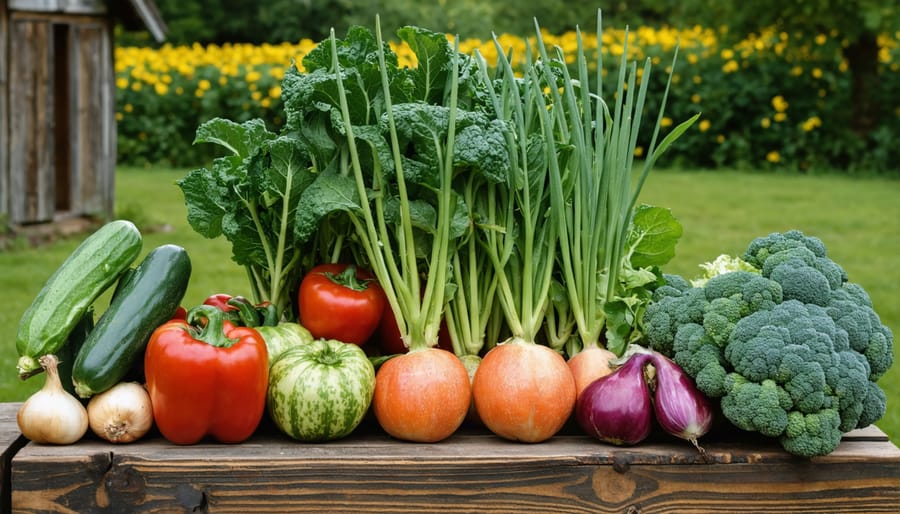
In colonial Williamsburg, the kitchen garden wasn’t just a patch of vegetables tucked behind the house—it was a carefully orchestrated space where practicality danced beautifully with aesthetics. These hardworking gardens fed families while creating scenes that would make any modern gardener swoon.
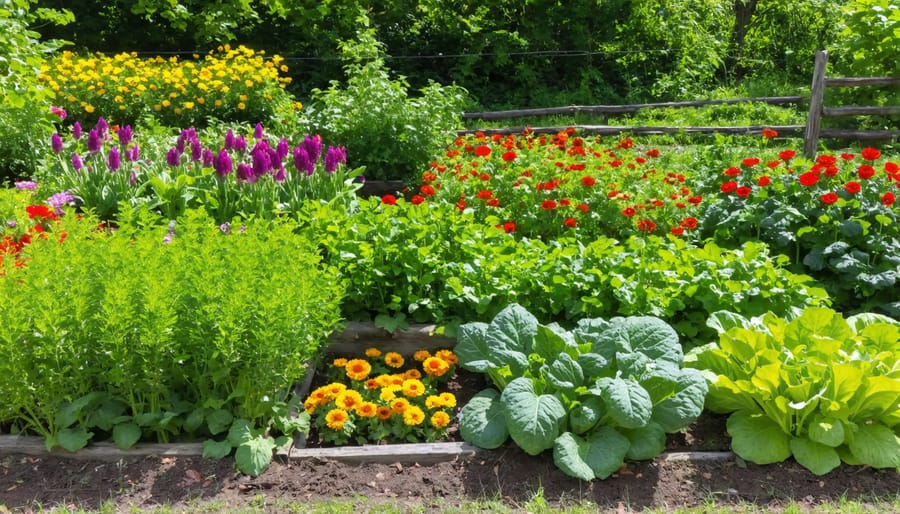
The colonial approach was refreshingly simple: if you’re going to grow food, why not make it lovely? Carrots shared beds with calendulas, cabbages stood beside hollyhocks, and thyme crept along pathways releasing fragrance with every footstep. This wasn’t accidental—colonists understood that flowers attracted beneficial insects while herbs deterred pests, creating natural partnerships that modern permaculture enthusiasts are rediscovering today.
What strikes me most about these gardens is their efficiency. Every square foot earned its keep. Tall sunflowers provided shade for lettuce, while sprawling squash vines suppressed weeds beneath fruit trees. Medicinal herbs like feverfew and chamomile grew alongside culinary favorites such as parsley and sage, blurring the lines between pharmacy and pantry.
The layout typically followed geometric patterns—rectangular beds divided by intersecting paths—making harvesting easy while creating visual order. Boxwood edging defined spaces, adding evergreen structure even in winter months.
You can embrace this productive beauty in your own garden by intermixing edibles with ornamentals. Try tucking nasturtiums among your tomatoes or planting lavender beside your beans. The colonists knew something we’re remembering: gardens that feed both body and soul are the most rewarding of all.
Colonial Techniques Modern Gardeners Can Use Today
Companion Planting Wisdom from the 1700s
Colonial gardeners were masters of making every inch count, and their companion planting strategies weren’t just folklore—they were practical solutions born from necessity and keen observation. Without modern fertilizers or pest controls, these 18th-century gardeners relied on plant partnerships that naturally supported each other’s growth and health.
The “Three Sisters” method, borrowed from Indigenous peoples and widely adopted in colonial gardens, perfectly illustrates this wisdom. Corn provided a natural trellis for climbing beans, while beans enriched the soil with nitrogen that corn craved. Squash sprawled below, its broad leaves shading out weeds and keeping soil moisture locked in. Williamsburg’s kitchen gardens showcase this timeless trio, demonstrating how different plant heights and root systems work together rather than compete.
Colonial gardeners also discovered that certain herbs acted as natural pest deterrents. They tucked aromatic plants like tansy and wormwood around vegetable beds to confuse insects seeking their favorite crops. Marigolds, beloved in colonial flower gardens, earned their place partly because gardeners noticed fewer pests near these cheerful blooms.
You can try these time-tested combinations in your own garden: plant basil alongside tomatoes (it genuinely helps repel aphids and may enhance flavor), tuck nasturtiums near cucumbers to deter beetles, or create borders of lavender around roses to discourage pests while attracting beneficial pollinators.
The beauty of companion planting is its forgiving nature—experiment, observe, and let your plants teach you what works best in your unique garden space!
Season Extension Without Modern Technology
Colonial gardeners were remarkably clever at coaxing vegetables and herbs through the shoulder seasons. Without greenhouses or row covers from the garden center, they relied on ingenious low-tech solutions that still work beautifully today.
Cold frames were the workhorses of season extension—simple boxes with slanted glass tops that captured solar heat while protecting tender seedlings from harsh winds. Williamsburg’s gardeners positioned these structures along south-facing walls, where reflected warmth could add precious weeks to both spring and fall harvests. You can recreate this using salvaged windows over a wooden frame, just as they did.
For individual plant protection, colonists employed bell-shaped glass cloches, essentially miniature greenhouses for single plants. While antique cloches are pricey collector’s items now, large glass jars or plastic milk jugs with the bottoms cut off provide the same protection for early transplants.
Strategic garden placement mattered immensely. Vegetables were nestled against brick walls and kitchen buildings that radiated stored heat throughout cool nights. Hardy greens like kale and collards were planted in late summer for winter harvesting—a practice that demonstrates how understanding your plants’ cold tolerance extends abundance far beyond summer’s peak.
These methods require no electricity or expense, just thoughtful planning and observation of your garden’s microclimates.
Seed Saving and Heritage Varieties
In colonial Williamsburg, gardeners didn’t run to the store each spring for new seeds—they carefully saved their own, ensuring next year’s harvest while preserving varieties that had proven successful in their climate. This practical tradition connects us directly to gardening’s past and offers surprising benefits for today’s gardens.
When you save seeds from heirloom varieties, you’re growing the same plants our ancestors tended, maintaining genetic diversity that’s increasingly rare in modern commercial agriculture. These heritage varieties, carefully passed down through generations, often show remarkable adaptability and flavor that hybrid plants can’t match. Many colonial gardeners also cultivated heritage medicinal plants, another tradition worth reviving.
Starting your own seed-saving practice is surprisingly simple. Begin with open-pollinated vegetables like tomatoes, beans, or lettuce. Let a few healthy plants fully mature, collect their dried seeds, and store them in a cool, dry place. Label everything clearly—trust me, you’ll forget which variety is which!
By preserving these time-tested varieties, you’re not just growing food—you’re becoming a living link in an unbroken chain of gardeners stretching back centuries.
The Shadow Side: Whose Labor Built These Gardens?
Behind the meticulously trimmed boxwoods and thriving kitchen gardens of Colonial Williamsburg lies a truth we must acknowledge: enslaved people created and maintained these landscapes. While we admire the design principles and planting techniques, it’s essential to recognize that the beauty we study today was built on the forced labor of African and African American people who received no recognition, compensation, or freedom for their expertise.
The gardens didn’t maintain themselves. Enslaved gardeners worked from dawn to dusk, digging beds, carrying water, pruning fruit trees, and harvesting vegetables in all weather conditions. They brought agricultural knowledge from their homelands—techniques for crop rotation, pest management, and seed saving that were often credited to their enslavers. Many became highly skilled horticulturists, yet their names and contributions were rarely documented.
Consider the Palace gardens, which required year-round attention from a team of enslaved workers. They propagated plants, maintained the elaborate parterres, and ensured the kitchen gardens produced abundant food—much of which they themselves would never taste. Their expertise made colonial estates self-sufficient and profitable.
Today, Colonial Williamsburg has begun sharing these stories more openly, including interpretive programs that honor the enslaved community’s contributions. Descendant researchers and historians continue uncovering names, family connections, and personal stories that were long erased from the historical record.
As we draw inspiration from these gardens, let’s also draw lessons about whose labor we celebrate and whose stories we tell. When we recreate colonial garden designs or techniques in our own yards, we can acknowledge this history—perhaps dedicating a corner of our garden to growing heritage varieties that enslaved gardeners once cultivated, or simply pausing to remember the hands that shaped these enduring landscapes without choice or credit.
Bringing Colonial Williamsburg’s Garden Legacy Home
Heirloom Plants You Can Grow from the Colonial Palette
Ready to bring a piece of colonial history into your own garden? These heritage varieties have stood the test of time, and you can still grow them today! I’ve tracked down some wonderful heirloom options that would’ve felt right at home in 18th-century Williamsburg.
**Vegetables Worth Rediscovering**
Start with ‘Scarlet Runner’ beans—those beautiful red-flowering climbers that colonial gardeners grew along fences. They’re surprisingly easy for beginners and produce tender pods all summer. ‘Tennis Ball’ lettuce, a compact butterhead variety from the 1700s, thrives in spring and fall gardens. For something truly authentic, try ‘Early Blood Turnip’ beet, prized since colonial times for its sweet flavor and deep crimson color.
**Historic Herbs and Flowers**
‘Bloody Butcher’ corn, dating to the 1840s, makes a stunning addition with its dark red kernels. Plant ‘Calico’ lima beans nearby—colonists valued their marbled seeds for winter storage. Don’t overlook herbs like ‘True Lavender’ and ‘Roman Chamomile,’ which colonial housewives used for everything from medicine to moth repellent.
**Where to Find Seeds**
Several seed companies specialize in heritage varieties. Baker Creek Heirloom Seeds, Seed Savers Exchange, and Southern Exposure Seed Exchange all offer excellent colonial-era selections with detailed growing instructions. Many include fascinating historical tidbits on their packets—it’s like getting a mini history lesson with your purchase! Colonial Williamsburg’s own gift shops also carry specially curated seed collections featuring garden-tested varieties.
Walking through the restored gardens of Colonial Williamsburg today, you’re witnessing far more than beautiful beds of heirloom vegetables and flowering herbs. You’re standing at a crossroads of history where seeds and cuttings from across the globe converged, creating gardens as cultural symbols that continue to teach us about our interconnected world.
The story of these gardens reminds us that every plant in our own backyards carries a history—a journey across oceans, through the hands of countless gardeners who experimented, adapted, and shared their knowledge. When you plant a seed today, whether it’s an heirloom tomato variety or a cutting passed along from a neighbor, you’re participating in the same tradition of botanical exchange that shaped colonial gardens centuries ago.
This isn’t just about looking backward with nostalgia. The practical wisdom embedded in Colonial Williamsburg’s gardens—companion planting, seed saving, organic pest control, and working with seasonal rhythms—offers sustainable solutions for modern challenges. These time-tested techniques prove that gardens can be both productive and beautiful without relying on modern chemicals.
Your garden, no matter its size, connects you to this continuing story. Each time you share seeds, try a heritage variety, or adapt a traditional technique to your climate, you’re carrying forward a legacy of curiosity, resilience, and connection that spans continents and generations.