Collecting rainwater isn’t just a smart gardening practice – it’s becoming increasingly regulated across the United States. While most states actively encourage rainwater harvesting to conserve water resources, specific regulations vary significantly from region to region. In Colorado, for example, residential properties can legally collect up to 110 gallons, while Texas actively incentivizes rainwater collection through tax exemptions and rebate programs.
The good news? Rainwater harvesting remains legal in all 50 states, though some require permits or impose collection limits. Understanding your local regulations before setting up a collection system ensures you can sustainably harvest rain while staying compliant with state laws. Whether you’re planning to water your garden, reduce your utility bills, or prepare for drought conditions, smart rainwater collection offers an eco-friendly solution that, when done correctly, aligns with both environmental stewardship and legal requirements.
Ready to start harvesting? Let’s explore how to set up a legal and efficient rainwater collection system that works for your specific location and needs.
The Truth About Rainwater Collection Laws

State-by-State Regulations
Rainwater collection regulations vary significantly across the United States, with each state taking its own approach to water rights and harvesting. Most states actively encourage rainwater harvesting, while others have specific restrictions in place.
Western states traditionally had stricter regulations due to complex water rights laws. Colorado, for example, only recently legalized rainwater collection in 2016, now allowing residents to use up to two rain barrels with a combined capacity of 110 gallons. Utah requires registration for rainwater collection but permits storing up to 2,500 gallons.
States like Texas and Oklahoma take a more progressive stance, offering tax incentives and rebates for installing rainwater collection systems. Arizona actively promotes rainwater harvesting through various programs and educational initiatives, particularly in drought-prone areas.
On the East Coast, regulations are generally more permissive. Virginia, Rhode Island, and North Carolina have laws that explicitly protect the right to harvest rainwater. Some states even require certain new constructions to include rainwater collection systems in their design.
Before setting up your system, it’s essential to check your local regulations, as restrictions can vary not just by state but also by county and municipality. Many areas require permits for larger systems or have specific guidelines about collection methods and storage container requirements. Remember that these regulations can change, so it’s worth staying informed about your local water laws.
Recent Legal Changes
Recent years have shown a significant shift toward more permissive rainwater harvesting laws across the United States. Colorado, which previously banned the practice, legalized residential rainwater collection in 2016, allowing up to two rain barrels per household. Utah followed suit in 2010 by removing restrictions, while Washington state now actively encourages rainwater harvesting through various incentive programs.
Many states have introduced tax incentives and rebates for installing rainwater collection systems, reflecting growing support for sustainable water practices. Even in areas with traditional water rights concerns, lawmakers are adapting regulations to balance conservation needs with existing water laws. This trend shows a broader recognition of rainwater harvesting as an environmentally responsible practice, with more states expected to ease restrictions in coming years.
Legal Ways to Harvest Rainwater
Permitted Collection Systems
When collecting rainwater legally, several approved systems and methods can help you make the most of nature’s gift. The most common and widely accepted collection method is using rain barrels, which typically connect to your home’s downspouts. These simple yet effective containers can store anywhere from 50 to 100 gallons of water and often include overflow valves and mosquito screens for safety.
For those looking to expand their collection capacity, above-ground cisterns offer a larger-scale solution. These systems can range from 200 to several thousand gallons and are perfect for serious gardeners who want to build your own collection system that meets their specific needs.
Dry systems, which collect water directly from downspouts, and wet systems, which gather water through underground pipes, are both permitted in most areas. However, it’s essential to ensure your system includes proper filtration and covers to prevent debris accumulation and mosquito breeding.
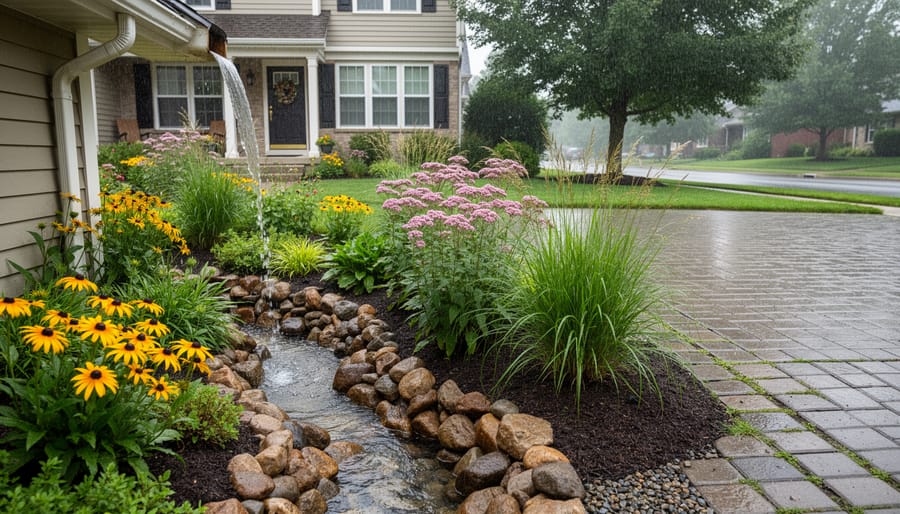
Many regions also allow the use of rain gardens and bioswales, which naturally collect and filter rainwater while adding beauty to your landscape. These systems work particularly well in areas with good soil drainage and can help reduce runoff while supporting local wildlife.
Remember to include appropriate overflow mechanisms and maintain regular cleaning schedules, regardless of which collection method you choose. This ensures your system remains both legal and effective throughout the seasons.

Safety and Compliance Guidelines
To ensure your rainwater collection system stays on the right side of the law, start by contacting your local water authority or municipal office. They can provide specific guidelines and any necessary permit requirements for your area. Most regions require proper mosquito prevention measures, such as securing tight-fitting lids or screens on collection barrels.
Keep your collection system well-maintained and regularly inspect for leaks or contamination. Many jurisdictions require overflow mechanisms to prevent flooding and proper filtration systems to maintain water quality. Consider installing a first-flush diverter to remove initial roof runoff, which often contains debris and pollutants.
Document your system’s specifications and keep records of any required permits or inspections. If you’re part of a homeowners association, review their guidelines as well – some may have additional requirements or restrictions.
Remember to label non-potable water sources clearly and ensure your system doesn’t interfere with neighboring properties or public water systems. When in doubt, consult a local rainwater harvesting professional who’s familiar with regional regulations.
Smart Storage Solutions for Your Garden

Storage Options and Considerations
When it comes to storing your collected rainwater, you’ve got several practical options to choose from. The most common and budget-friendly choice is above-ground rain barrels, which typically hold 50-100 gallons and fit neatly under your downspouts. For those with bigger gardens, larger polyethylene tanks can store several hundred gallons and are both durable and UV-resistant.
If space is limited in your yard, consider underground storage options, which keep your collection system out of sight while protecting water quality by maintaining cooler temperatures. These systems can range from compact 500-gallon tanks to impressive 10,000-gallon cisterns.
For a more rustic look, wooden rain barrels add charm to your garden while being environmentally friendly. Just remember that any container you choose should be food-grade or specifically designed for water storage, with proper covers to prevent mosquito breeding and debris accumulation. Whatever your choice, make sure to position your storage system on level ground and include an overflow mechanism for those extra rainy days.
Maintenance Requirements
Regular maintenance is crucial for keeping your rainwater collection system both legal and efficient. Start by inspecting your gutters and downspouts monthly, removing leaves and debris that could contaminate your stored water. Clean your storage tanks annually using environmentally friendly cleaning solutions and check for any cracks or damage that might compromise water quality. Install mesh screens over collection points to prevent mosquito breeding and maintain proper filtration systems to maximize rainwater efficiency. Remember to test your water quality periodically, especially if you’re using it for sensitive plants or edible gardens. Keep detailed maintenance records to demonstrate compliance with local regulations, and always ensure overflow systems are functioning correctly to prevent flooding during heavy rainfall.
Rainwater harvesting can be a rewarding and environmentally friendly practice when done correctly and legally. While regulations vary by location, most areas allow some form of rainwater collection, making it an accessible option for gardeners and homeowners. By staying informed about local laws, obtaining necessary permits, and following proper collection methods, you can confidently harvest rainwater for your garden and household needs. Remember to regularly maintain your collection system, monitor water quality, and use collected rainwater responsibly. With thoughtful planning and implementation, rainwater harvesting can help reduce your water bills, support your garden during dry spells, and contribute to water conservation efforts in your community. Start small, learn as you go, and enjoy the benefits of this sustainable practice while being a responsible steward of our precious water resources.