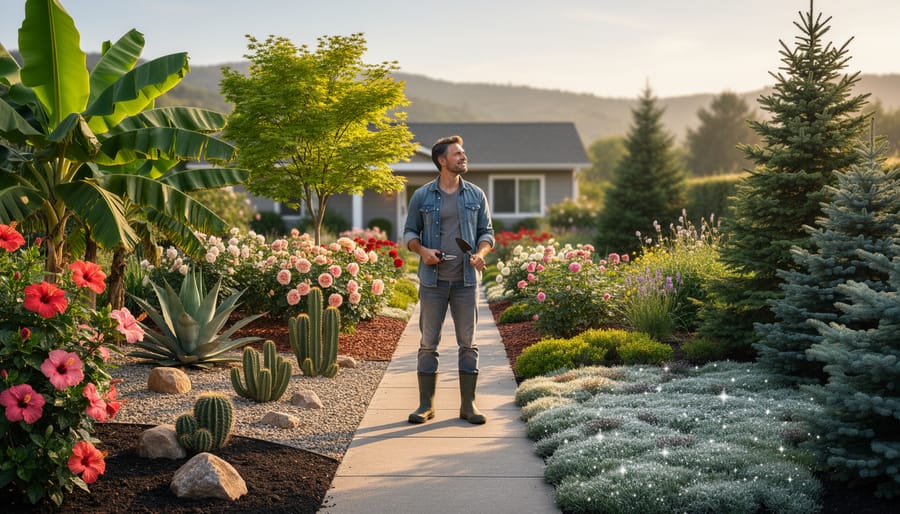
Transform your garden into a climate-ready powerhouse by planting climate-resilient crops like drought-tolerant amaranth, heat-loving sweet potatoes, and hardy bush beans. Design adaptive growing spaces using raised beds with deep, rich soil that retains moisture while allowing excess water to drain during extreme weather events. Install water-smart irrigation systems, combining drip lines with moisture sensors to maintain consistent soil hydration without waste. Build protective structures such as high tunnels or shade cloth systems that shield plants from unpredictable temperature swings and intense weather patterns.
As our climate continues to shift, successful food production depends on embracing resilient farming methods that work with nature rather than against it. These adaptations not only protect your garden from weather extremes but also create sustainable growing systems that thrive in challenging conditions. By implementing these climate-smart strategies, home gardeners can maintain productive food gardens while contributing to a more sustainable future.
Why Traditional Garden Varieties May Not Make It
The New Normal in Your Garden
Our gardens are experiencing unprecedented changes as extreme weather becomes more frequent. Heat waves that once seemed rare now occur regularly, stretching our plants’ resilience to their limits. Many gardeners are finding that their tried-and-true growing seasons have become unpredictable, with early spring warmth followed by late frosts, or summer droughts punctuated by intense rainfall.
These new patterns require us to adapt our growing practices. While traditional gardening wisdom still holds value, we need to complement it with drought-defying gardening techniques and innovative approaches. Extended dry spells mean we can’t rely solely on regular rainfall anymore, and sudden temperature swings can stress even the hardiest plants.
The good news? These challenges are manageable with the right preparation. By understanding these weather patterns, we can better protect our gardens and ensure successful harvests. Think of it as an opportunity to become more in tune with nature’s rhythms and create a more resilient growing space that can thrive in various conditions.
Signs Your Plants Are Struggling
Recognizing stress signals in your plants early can help you adapt your garden before serious problems develop. Yellowing or browning leaves, especially when it’s not seasonal, often indicate heat stress or irregular water patterns. Watch for wilting that doesn’t recover after watering, which suggests your plants are struggling to cope with temperature extremes.
Stunted growth and reduced yields are clear signs that your current varieties might not be thriving in changing conditions. If you notice flowers dropping before forming fruit, or fruits remaining smaller than usual, your plants may be experiencing climate-related stress. Unusual pest problems can also indicate weakened plants, as stressed vegetation is more susceptible to insect damage.
Look for scorched leaf edges, particularly during heat waves, and premature bolting in leafy greens. Early flowering in vegetables like lettuce and spinach often means they’re responding to temperature fluctuations. Plants that consistently fail to thrive despite proper care and feeding might need to be replaced with more resilient varieties better suited to your changing local climate.
Keep a garden journal to track these symptoms over time – this will help you identify patterns and make informed decisions about which plants need replacing.

Climate-Ready Plants That Beat the Heat
Heat-Tolerant Vegetables
As temperatures continue to rise, many traditional vegetables struggle to thrive. Fortunately, plant breeders have developed heat-tolerant varieties that can withstand hot conditions while maintaining excellent flavor and productivity. These resilient vegetables are perfect for gardeners facing challenging climate conditions.
Tomatoes lead the pack with varieties like ‘Sun Master,’ ‘Phoenix,’ and ‘Solar Fire,’ which continue producing fruit even when temperatures soar above 90°F. These heat-warriors have been bred to maintain pollen viability and fruit set during hot spells.
For leafy greens, look for ‘Georgia’ collards and ‘Malabar’ spinach, which refuse to bolt in high temperatures. ‘Florida Broadleaf’ mustard greens and ‘Jericho’ lettuce are excellent choices that stay sweet and tender even during warm weather.
Heat-tolerant pepper varieties include ‘Caribbean Red Hot’ and ‘California Wonder,’ which continue flowering and setting fruit in hot conditions. For beans, ‘Yardlong’ and ‘Alabama Black Eye’ varieties show remarkable heat resistance.
Eggplant varieties like ‘Florida Market’ and ‘Millionaire’ actually prefer warm conditions, while okra varieties such as ‘Clemson Spineless’ and ‘Gold Coast’ thrive in the heat. These heat-loving varieties often produce better yields than traditional types when temperatures climb.
Remember that even heat-tolerant varieties benefit from proper mulching and consistent watering to maintain optimal growing conditions.
Drought-Resistant Fruits
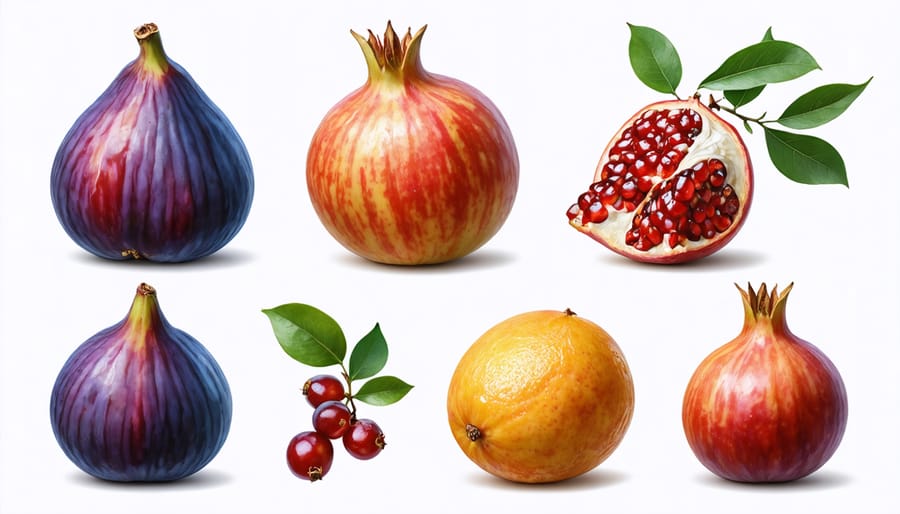
When it comes to growing fruits in water-scarce conditions, several resilient varieties can thrive with minimal irrigation. Figs are excellent drought-resistant choices, developing deep root systems that help them survive long dry spells. Their ability to produce sweet, nutritious fruits even in challenging conditions makes them perfect for climate-conscious gardeners.
Pomegranates are another fantastic option, known for their hardy nature and ability to withstand both heat and drought. These ancient fruits actually produce better-tasting crops when grown in drier conditions, developing more concentrated flavors and deeper colors.
Dragon fruit, or pitaya, has adapted to arid environments with its water-storing capabilities. Its thick, fleshy stems help it survive extended periods without rain while still producing exotic, nutrient-rich fruits. Similarly, prickly pear cactus offers edible fruits and pads while requiring virtually no supplemental watering once established.
For smaller spaces, consider drought-tolerant berries like goji and elderberry. These nutrient-packed fruits are surprisingly resilient and can flourish with limited water resources. Jujubes, also known as Chinese dates, are becoming increasingly popular among climate-conscious gardeners due to their excellent drought tolerance and reliable fruit production.
Remember that even drought-resistant fruits need regular watering during their establishment period, typically the first year after planting. After that, they’ll develop the root systems necessary to seek out water on their own.
Weather-Proof Herbs
When it comes to weather-resilient herbs, nature has gifted us with some incredibly tough plants that can thrive despite challenging conditions. Rosemary leads the pack as a drought-tolerant champion, with its woody stems and needle-like leaves perfectly adapted to withstand both heat waves and dry spells. This Mediterranean native actually produces more intense flavors when stressed, making it a delicious addition to any resilient garden.
Sage and thyme are equally sturdy companions, featuring silver-grey leaves that reflect sunlight and conserve moisture. These herbs can handle both scorching summers and surprisingly cold winters, making them reliable choices for year-round harvesting. Oregano and marjoram show similar resilience, forming dense, ground-hugging mats that protect soil moisture while resisting extreme temperatures.
For wet conditions, mint family herbs like peppermint and lemon balm prove their worth, though you’ll want to contain their enthusiastic spreading habits. These moisture-loving herbs actually help prevent soil erosion during heavy rains while providing abundant harvests.
Hardy perennial herbs like chives and garlic chives deserve special mention – they can survive freezing winters and bounce back each spring with impressive vigor. Their deep root systems help them access water during dry spells, while their slender leaves shed excess moisture during wet periods.
Remember, most weather-proof herbs prefer well-draining soil and benefit from minimal fertilization. These tough plants often develop better flavor and more concentrated essential oils when they have to work a bit harder for their nutrients.
Setting Up Your Climate-Smart Garden
Soil Preparation Secrets
Building healthy garden soil is your first line of defense in climate-resilient farming. Think of your soil as a living ecosystem that needs proper care to support your plants through challenging weather conditions.
Start by conducting a simple soil test to understand your starting point. You can use an at-home testing kit or send samples to your local extension office. This will help you identify any nutrient deficiencies that need addressing.
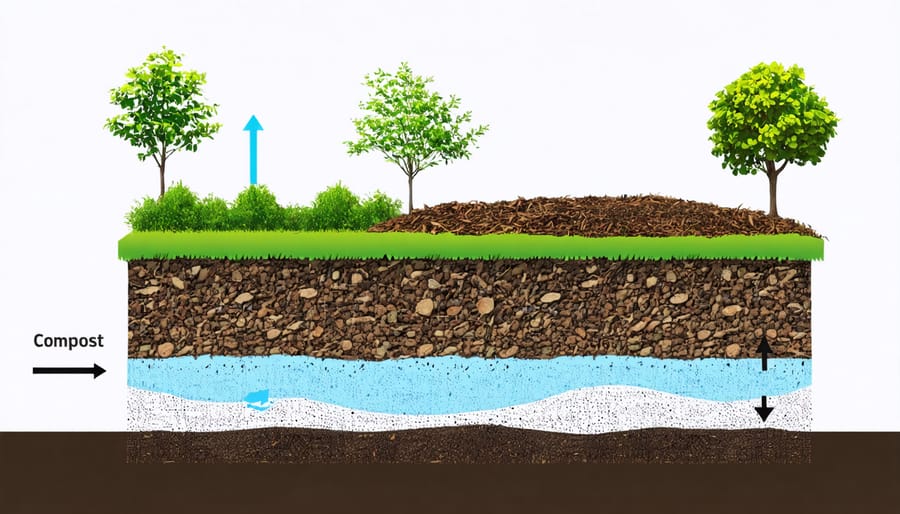
The key to climate resilience lies in organic matter. Add plenty of compost, aged manure, and leaf mold to improve soil structure and water retention. Aim for a minimum of 5% organic matter content – this helps your soil act like a sponge, holding moisture during dry spells and draining effectively during heavy rains.
Consider incorporating biochar, which not only helps retain water and nutrients but also sequesters carbon. A layer of mulch (about 2-3 inches thick) will further protect your soil from temperature extremes and reduce water evaporation.
Don’t forget about soil biology! Encourage beneficial microorganisms by avoiding chemical fertilizers and practicing minimal tillage. These tiny helpers improve nutrient availability and build soil structure that’s more resistant to erosion and compaction.
For clay soils, add coarse sand and organic matter to improve drainage. For sandy soils, focus on adding organic matter to increase water retention. Remember to work with your soil when it’s neither too wet nor too dry to avoid damaging its structure.
These preparations might take some time, but they’re essential investments in your garden’s future resilience. Your plants will thank you with stronger root systems and better stress tolerance.
Smart Planting Techniques
Smart planting techniques are essential for building resilience in your garden against climate challenges. Start by timing your plantings according to local weather patterns rather than traditional calendars. For example, if your region experiences earlier springs, adjust your planting schedule accordingly to take advantage of the extended growing season.
Consider implementing the “three sisters” companion planting method, where corn, beans, and squash work together to create a more resilient growing system. The corn provides support for the beans, while the beans fix nitrogen in the soil, and the squash leaves create natural mulch that retains moisture and suppresses weeds.
Spacing is crucial for climate-resilient planting. Instead of traditional row planting, try square-foot gardening or triangular spacing to maximize ground cover and reduce water evaporation. Plant your crops closer together than conventional spacing suggests, but not so close that they compete for resources.
Mulching is your best friend in resilient gardening. Apply a 2-3 inch layer of organic mulch around your plants to regulate soil temperature, retain moisture, and suppress weed growth. Consider using straw, leaf mold, or wood chips, depending on what’s locally available.
For better water management, create slight depressions around plants to capture rainfall and irrigation water. This technique, known as basin planting, helps direct water to the root zone where it’s needed most. In areas prone to flooding, raise your beds slightly and ensure good drainage through proper soil preparation.
Remember to plant in layers, mimicking natural ecosystems. Combine tall plants, medium-height crops, and ground covers to create a microclimate that protects more vulnerable plants and maximizes space usage.
Maintenance Tips That Matter
Regular maintenance is the key to nurturing climate-resilient plants through challenging weather conditions. Start by monitoring soil moisture levels daily, especially during extreme weather events. While these hardy varieties are generally drought-tolerant, they still need consistent care to thrive. A moisture meter can be your best friend here!
Proper soil management for your climate is crucial – maintain a thick layer of organic mulch (about 2-3 inches) around your plants to retain moisture and regulate soil temperature. Refresh this layer seasonally, using materials like straw, wood chips, or leaves.
Keep an eye out for signs of stress in your plants, such as wilting or yellowing leaves. Early detection allows you to adjust care routines before problems escalate. Prune dead or damaged growth promptly to prevent disease spread and encourage healthy development. During extreme heat waves, consider using shade cloth to protect sensitive plants.
Remember to check your irrigation systems regularly – blocked sprinklers or leaky hoses can lead to uneven watering. A simple weekly inspection can prevent many common issues. Finally, maintain detailed records of weather patterns and how your plants respond. This information becomes invaluable for adapting your care routine as climate patterns change year after year.
As we’ve explored throughout this article, climate-resilient farming isn’t just a trend – it’s becoming essential for sustainable food production in our changing world. By implementing the strategies we’ve discussed, from choosing drought-resistant varieties to building healthy soil systems, you can create a garden that thrives despite unpredictable weather patterns.
Remember, every small step counts. Start by selecting a few climate-hardy plants for your next growing season, and gradually incorporate more resilient practices as you become comfortable. Whether it’s installing a rainwater harvesting system, building raised beds with improved drainage, or experimenting with companion planting, each adaptation makes your garden more robust.
The beauty of climate-resilient gardening lies in its flexibility. You don’t need to transform your entire garden overnight. Begin with a small plot, observe what works in your specific microclimate, and adjust your approach based on your experiences. The rewards extend beyond just sustainable food production – you’ll discover a more connected relationship with nature and a deeper understanding of ecological systems.
As climate challenges continue to evolve, your resilient garden will become an invaluable source of fresh, healthy produce and a model for sustainable growing practices in your community. So grab your gardening tools, select your first climate-hardy plants, and join the movement toward more resilient food systems. Your future self – and the planet – will thank you.