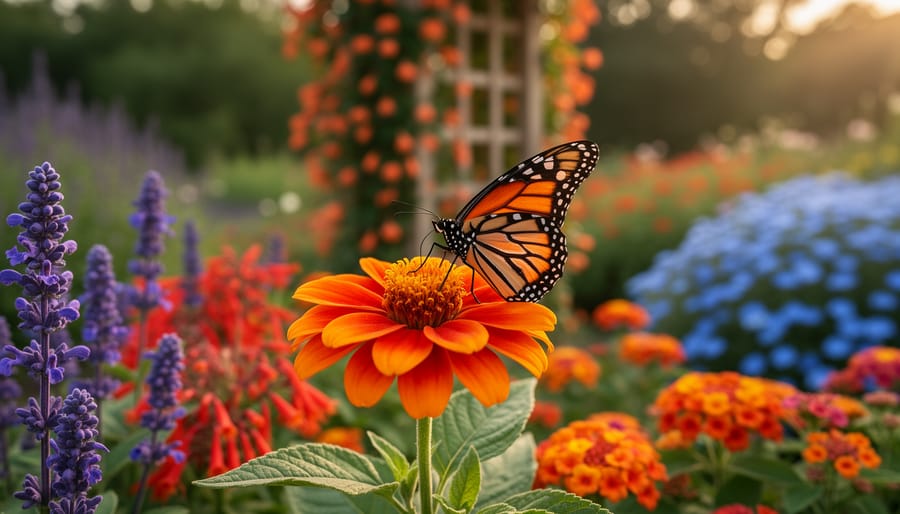
Transform your backyard into a buzzing oasis of life without spending hours on maintenance. Native perennials like purple coneflower, black-eyed susans, and butterfly weed naturally thrive in local conditions, requiring minimal watering once established. Group drought-resistant plants together in sunny spots, creating dense patches that naturally suppress weeds and provide consistent nectar sources throughout the growing season. Layer your garden with spring bulbs, summer bloomers, and fall asters to ensure continuous food for pollinators while eliminating the need for constant replanting. Strategic mulching with organic materials keeps moisture in, weeds out, and naturally enriches the soil as it breaks down, cutting maintenance time in half while creating the perfect environment for beneficial insects to thrive.
A thoughtfully planned pollinator garden works with nature, not against it, rewarding you with vibrant blooms, fascinating wildlife, and more time to simply enjoy your creation rather than maintaining it.
Smart Planning for Maximum Impact, Minimum Work
The Perfect Spot: Location Matters
Success with your pollinator garden starts with choosing the perfect location. Most flowering plants that attract pollinators thrive in full sun, so aim for a spot that receives at least 6 hours of direct sunlight daily. A sunny area not only helps your plants flourish but also creates an inviting environment for butterflies and bees, who are most active during bright daylight hours.
Consider water accessibility when selecting your garden spot. Choose a location near a water source or within reach of your garden hose – this will make maintenance much easier during dry spells. However, ensure the area has good drainage to prevent waterlogging, as most pollinator-friendly plants prefer well-draining soil.
Visibility is another key factor, both for you and the pollinators. Place your garden where you can easily observe and enjoy it from your home or favorite outdoor sitting area. This makes monitoring your garden’s health more convenient and provides endless entertainment as you watch pollinators at work. Additionally, positioning your garden near existing landscaping features can create natural windbreaks, protecting both plants and visiting pollinators.
Garden Layout That Works for You
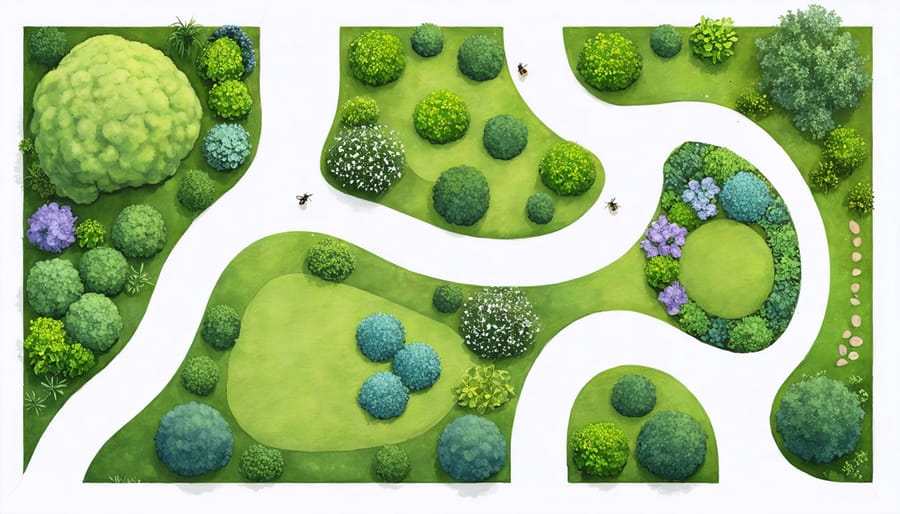
Creating an efficient garden layout is key to maintaining a low-maintenance pollinator paradise. Following native garden design principles, arrange plants in clusters or drifts rather than single specimens. This not only creates visual impact but also makes it easier for pollinators to spot their favorite flowers and helps simplify your maintenance routine.
Consider creating pathways that allow easy access for both gardening tasks and observation. Place taller plants toward the back or center of beds, with shorter species in front, creating natural layers that mimic wildlife habitats. Leave some open spaces between plant groupings to allow pollinators to navigate easily and give plants room to grow.
For minimal maintenance, group plants with similar water needs together. This smart hydrozoning approach means you won’t waste time adjusting irrigation for different areas. Include a few larger shrubs or small trees as anchor points – they’ll provide structure year-round and create sheltered microclimates for beneficial insects.
Remember to position your garden where you can enjoy watching the pollinators at work. A layout visible from your favorite outdoor sitting area adds entertainment value while keeping maintenance tasks accessible and enjoyable.
Set-It-and-Forget-It Plant Selection
Drought-Tolerant Beauties
Creating a water-wise pollinator garden doesn’t mean sacrificing beauty or effectiveness. These proven pollinator-friendly plants not only attract bees, butterflies, and other beneficial insects but also thrive with minimal watering once established.
Lavender stands out as a champion drought-tolerant plant, offering fragrant purple blooms that bees simply can’t resist. Russian sage, with its silvery foliage and long-lasting blue flowers, creates a stunning vertical accent while requiring little water. For ground coverage, try creeping thyme or sedum – both spread beautifully and survive dry spells with ease.
Butterfly weed (Asclepias tuberosa) serves as both a monarch butterfly host plant and a nectar source for various pollinators. Its vibrant orange blooms add a cheerful pop of color throughout summer. Black-eyed Susans and purple coneflowers are other excellent choices, developing deep root systems that help them withstand dry conditions while providing abundant nectar.
Don’t forget about native options like yarrow and blanket flower – these tough beauties have adapted to local conditions over thousands of years. For fall interest, consider adding asters and goldenrod, which offer late-season sustenance for pollinators while maintaining their good looks even during drought periods.
Self-Seeding Superstars
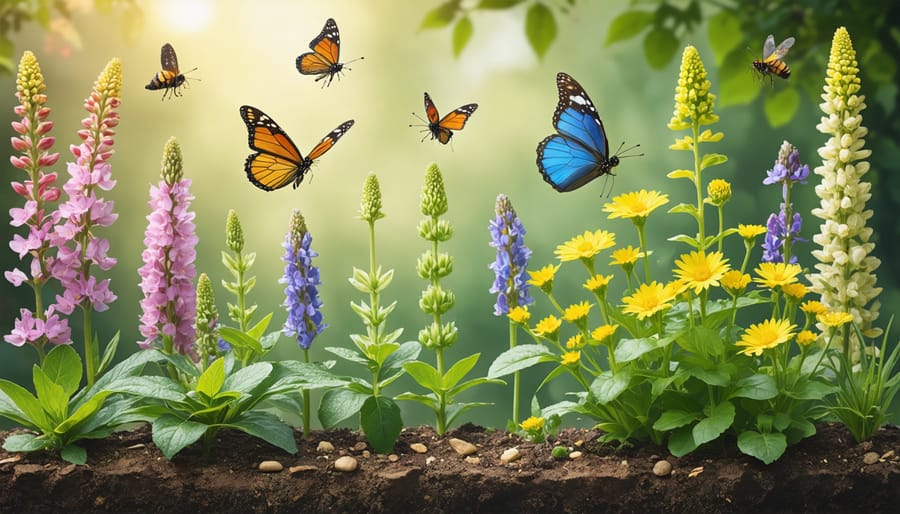
One of the easiest ways to maintain a thriving pollinator garden is to include plants that do the work for you by self-seeding. These garden champions naturally spread and multiply, creating new plants year after year without any extra effort on your part.
Black-eyed Susans and Purple Coneflowers are excellent self-seeders that attract butterflies with native species charm. They’ll gradually form beautiful drifts of color throughout your garden, providing abundant nectar for pollinators throughout the summer.
Cosmos and Calendula are other reliable self-seeders that bloom prolifically and scatter their seeds freely. These cheerful flowers not only bring waves of color to your garden but also provide essential food sources for bees and butterflies from spring through fall.
For groundcover options, consider Sweet Alyssum and Forget-me-nots. These low-growing beauties will naturally fill in gaps between larger plants, creating a living mulch that helps suppress weeds while offering tiny nectar-rich blooms that pollinators adore.
To encourage self-seeding, simply leave some spent flower heads in place at the end of the season. The seeds will naturally disperse, and new plants will emerge in spring. You can always thin out excess seedlings if they become too numerous, sharing extras with fellow gardening friends.
Simple Maintenance Secrets
Seasonal To-Do List
Spring:
• Remove winter mulch and dead plant material once soil warms
• Cut back any remaining dead stems from last season
• Add fresh layer of compost around plants
• Plant new native perennials early in the season
• Check for and remove any early-season weeds
Summer:
• Water deeply during dry spells, focusing on root zones
• Remove spent blooms from early-season flowers
• Monitor for pest issues, addressing naturally when possible
• Add new plants in early summer before heat peaks
• Maintain mulch layer to retain moisture
Fall:
• Leave seed heads and stalks for winter bird food
• Plant spring-blooming bulbs
• Add fall-blooming natives to extend pollinator season
• Apply fresh layer of mulch before winter
• Collect seeds from favorite plants for next year
Winter:
• Leave plant stems standing for beneficial insect habitat
• Check mulch levels after storms
• Plan next season’s additions
• Order seeds and plants for spring
• Monitor for winter damage during warm spells
Year-Round Tips:
• Avoid chemical pesticides
• Keep garden debris for natural habitat
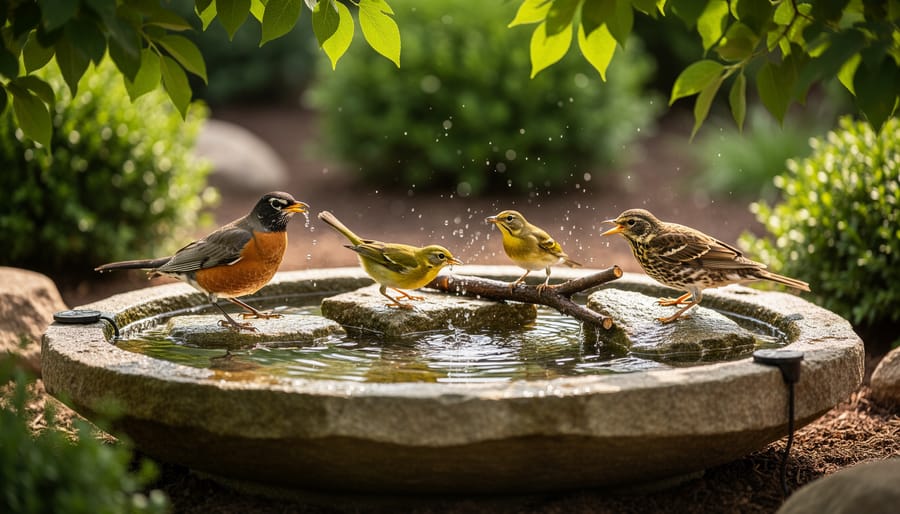
• Maintain water sources for pollinators
• Document blooming times and pollinator activity
• Share extra plants with neighbors to expand habitat
Remember: A low-maintenance garden doesn’t mean no maintenance – it means working smarter, not harder, with well-timed seasonal tasks that support both plants and pollinators.
Time-Saving Tools and Techniques
Making your pollinator garden low-maintenance starts with having the right tools and techniques at your disposal. A quality mulching system is essential – invest in a sturdy wheelbarrow and rake for spreading organic mulch, which helps retain moisture and suppress weeds. For efficient watering, consider installing a drip irrigation system with a timer, allowing you to maintain consistent soil moisture without daily attention.
A long-handled weeding tool will save your back while keeping unwanted plants at bay, and sharp pruning shears are crucial for quick deadheading and maintaining plant shape. Keep these tools clean and stored in a weather-resistant container near your garden for easy access.
Time-saving techniques include grouping plants with similar water needs together and using landscape fabric in pathways to prevent weed growth. Creating defined garden edges with permanent materials like stone or metal makes mowing around beds simpler. Consider installing rain barrels to collect water, reducing the need to drag out hoses during dry spells.
For seasonal cleanup, a lightweight leaf rake and tarp combination makes quick work of fallen leaves and spent plants.
Troubleshooting Made Simple
Even the most well-planned pollinator gardens can face challenges, but most issues have simple solutions. If you notice fewer pollinators visiting your garden, first check if your plants are getting enough sunlight. Most pollinator-friendly plants need at least 6 hours of direct sun daily. Simply trimming back nearby tree branches or relocating plants to sunnier spots can make a big difference.
Yellowing leaves often indicate overwatering, especially in native plants adapted to local conditions. The fix is easy: reduce watering frequency and ensure proper drainage. If plants are wilting despite moist soil, they might be too crowded. Gently divide and replant them with more space between each one.
Pest problems? Before reaching for chemicals, try introducing beneficial insects by planting herbs like dill and fennel. These natural predators will help control unwanted bugs while keeping your garden pollinator-friendly. For persistent issues, a quick spray of diluted neem oil works wonders without harming beneficial insects.
If your garden looks messy, resist the urge to clean up too thoroughly in fall. Those dead flower heads and hollow stems provide essential winter shelter for pollinators. Instead, wait until spring to tidy up, when insects have emerged.
Remember, a few imperfect leaves or scattered seedheads are signs of a healthy ecosystem. Focus on addressing major issues while letting nature handle the small stuff.
Creating a low-maintenance pollinator garden is an achievable and rewarding project that benefits both you and your local ecosystem. By choosing the right native plants, implementing smart design principles, and following simple maintenance routines, you can create a thriving habitat that attracts butterflies, bees, and other beneficial insects without overwhelming your schedule. Remember that even a small garden space can make a significant impact on pollinator populations. Start with a few key plants, gradually expand your garden as you become more comfortable, and enjoy watching your outdoor space transform into a buzzing sanctuary of life. The satisfaction of supporting local wildlife while maintaining a beautiful, low-effort garden makes this project well worth the initial planning and setup. Why not start your pollinator garden journey today?