Look beneath your garden beds and you’ll discover an entire universe thriving in darkness—a teaspoon of healthy soil contains more living organisms than there are people on Earth. These billions of bacteria, fungi, earthworms, and countless microscopic creatures form the foundation of every wildlife garden, yet they remain the most overlooked allies in creating a biodiversity haven.
While you’ve likely focused on planting native flowers for pollinators or installing bird feeders, the soil ecosystem beneath your feet determines whether those efforts truly succeed. Healthy soil biodiversity creates the nutrient-rich environment that produces vigorous plants, which in turn provide abundant nectar, seeds, and shelter for the wildlife you want to attract. Those earthworms aerating your garden beds? They’re processing organic matter and creating channels that help roots access water during dry spells. The mycorrhizal fungi threading through the soil? They’re extending your plants’ root systems by hundreds of feet, helping them resist disease and drought.
The remarkable news is that nurturing this underground ecosystem doesn’t require expensive products or complicated techniques. Simple practices like minimizing tillage, maintaining year-round soil cover, and adding organic matter can transform depleted earth into a thriving biological community within a single growing season. When you care for the soil, you’re not just growing better plants—you’re building the living infrastructure that supports every creature in your garden, from ground beetles to songbirds.
What Makes Soil Truly Alive
The Invisible Workforce
Think of your soil as a bustling underground city, populated by billions of microscopic workers you’ll never see but absolutely can’t garden without. Bacteria and fungi are the true heroes here, working around the clock to transform what looks like waste into garden gold.
These tiny organisms are nature’s recyclers. When autumn leaves fall or you add kitchen scraps to your compost, bacteria immediately get to work breaking down the soft tissues. They’re incredibly efficient, multiplying rapidly whenever there’s fresh organic matter to process. Fungi take on the tougher jobs, using special enzymes to decompose woody materials and even breaking down hard-to-crack substances that bacteria can’t handle.
But here’s where it gets really exciting for your garden: as these microorganisms feast, they release nutrients in forms your plants can actually absorb. That nitrogen locked up in grass clippings? Bacteria transform it into compounds plant roots can take up. Phosphorus, potassium, and trace minerals all get processed and made available through this invisible workforce.
The fungal network is particularly fascinating. Many fungi form partnerships with plant roots, extending their reach and helping them access water and nutrients from farther away. In return, plants share sugars they’ve made through photosynthesis. It’s an underground marketplace where everyone benefits, and your thriving garden is the result.
The Creatures You Can Actually See
You know that exciting moment when you turn over a stone or lift a clump of soil and discover a whole world bustling beneath? These are the soil creatures you can actually see with the naked eye, and they’re working harder than you might imagine to keep your garden healthy.
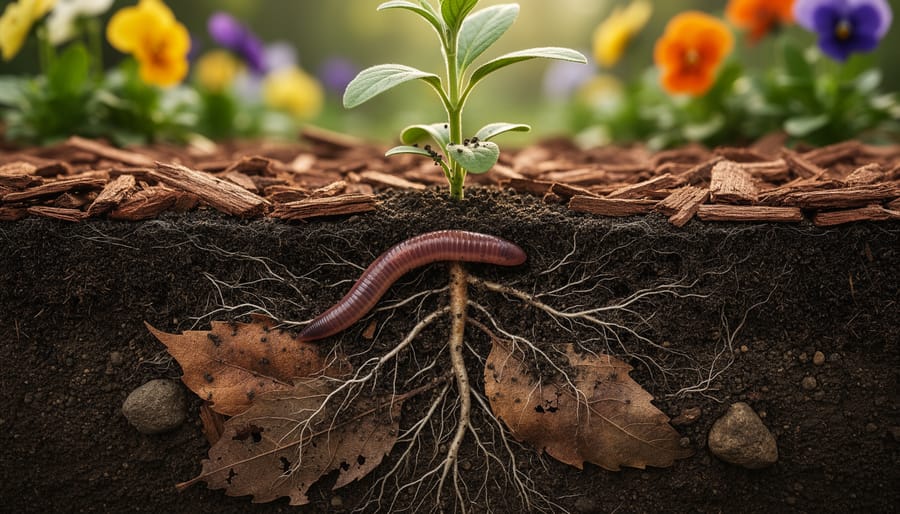
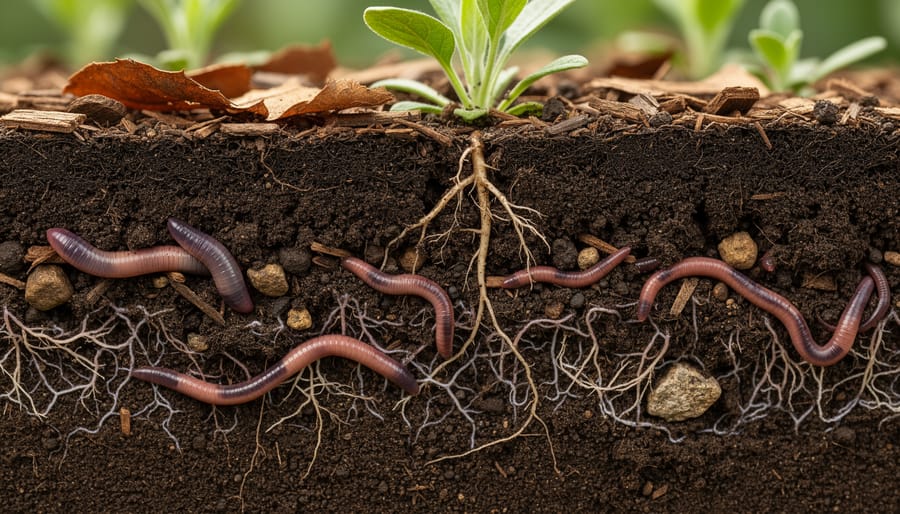
Earthworms are the superstars here, and for good reason. As they tunnel through soil, they’re creating channels that allow air and water to penetrate deeper, helping plant roots breathe and drink more efficiently. Their castings, those little piles of digested soil they leave behind, are incredibly rich in nutrients. I always tell new gardeners that if you’ve got earthworms, you’re doing something right.
Ground beetles, though sometimes mistaken for pests, are actually beneficial predators that feast on slugs, snails, and other creatures that might damage your plants. You’ll often spot them scurrying away when you disturb their hiding spots under logs or stones. They’re most active at night, patrolling your garden like tiny security guards.
Springtails are fascinating little creatures that look like miniature shrimp and can actually jump several inches when disturbed. They help break down dead plant material and control fungal growth, playing an essential role in composting.
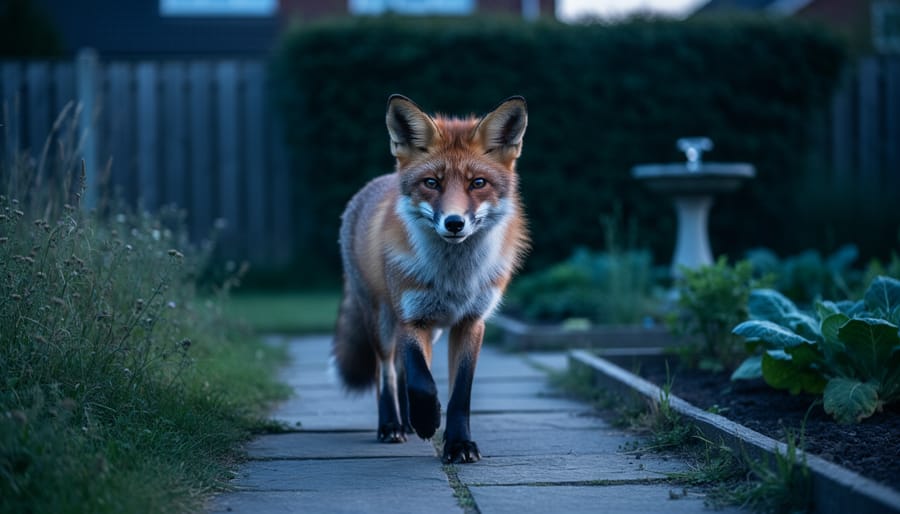
When you see these creatures thriving in your soil, celebrate it. They’re indicators that your garden ecosystem is balanced and healthy, supporting the birds, hedgehogs, and other wildlife that depend on them as food sources.
How Healthy Soil Creates a Wildlife Haven
The Food Chain Starts Below Ground
Your garden’s food chain doesn’t begin at the bird feeder or even with the flowers that attract pollinators. It starts beneath your feet, in the teeming underground world of soil organisms. When you nurture healthy soil life, you’re essentially setting up a buffet that extends upward through your entire garden ecosystem.
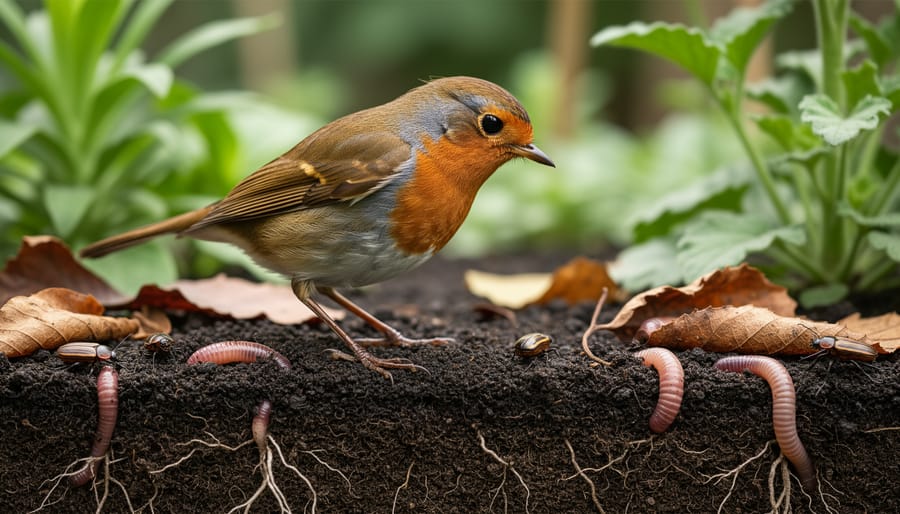
Here’s how it works: those millions of bacteria, fungi, and tiny invertebrates living in rich soil become food for slightly larger creatures like springtails, mites, and beetle larvae. These, in turn, attract beneficial insects and ground beetles to your garden. And this is where your feathered friends come in. Robins, thrushes, and blackbirds spend their days flipping through leaf litter and probing the soil, hunting for these protein-rich treats.
I’ve noticed in my own garden that areas with the richest, most undisturbed soil consistently attract more bird activity. It’s wonderful watching a robin systematically work through a composted bed, knowing that my efforts to build healthy soil are directly supporting these wildlife visitors throughout the seasons.
Stronger Plants Mean Better Habitat
Here’s the thing about soil biodiversity that really gets me excited: it creates a ripple effect that extends far beyond the ground. When your soil is teeming with life—from beneficial bacteria to earthworms—your plants become noticeably stronger and more resilient. These plants develop deeper root systems, thicker stems, and leaves packed with nutrients that wildlife desperately need.
I chatted with master gardener Elena Rodriguez about this connection, and she put it beautifully: “Healthy soil grows plants that can withstand drought, disease, and pests without chemicals. Those robust plants produce better berries, seeds, and nectar—exactly what birds, butterflies, and beneficial insects are looking for.”
Think about it this way: biodiverse soil acts like a natural pharmacy and buffet for your plants, supplying them with everything they need to flourish. The result? Dense foliage that provides superior shelter for nesting birds, flowers that bloom longer and produce more pollen, and seeds that sustain wildlife through winter. This is precisely how biodiversity makes gardens thrive at every level, creating habitats that genuinely support wildlife year-round rather than just looking pretty.
Garden Practices That Build Soil Life
Ditch the Chemicals (Your Soil Will Thank You)
Here’s a truth that might surprise you: those chemical quick-fixes we reach for can actually harm the very creatures we’re trying to help. Pesticides don’t discriminate between pests and beneficial organisms, often wiping out earthworms, beneficial nematodes, and soil-dwelling insects that are essential to your garden’s health. Synthetic fertilizers can be just as problematic, disrupting the delicate pH balance and killing off the microorganisms that naturally feed your plants.
I chatted with organic gardener Maria Chen, who made the switch five years ago. “I was shocked at how quickly my soil transformed,” she told me. “Within one season, I noticed more earthworms, and my plants actually seemed healthier without the chemicals.”
The good news? You don’t need to go cold turkey. Start by replacing one chemical product with an organic alternative. Try compost instead of synthetic fertilizer, or encourage natural predators like ladybugs rather than reaching for pesticides. Your soil organisms will bounce back remarkably fast once given the chance. Think of it as creating a self-sustaining system where healthy soil feeds healthy plants, which naturally resist pests and disease. It’s a win-win that requires a bit of patience but delivers lasting results.
Feed Your Soil, Not Just Your Plants
Think of your soil as a living community that needs regular meals to thrive. The best way to support all those hardworking microorganisms, earthworms, and other soil creatures is by feeding them organic matter consistently throughout the year.
Composting is your soil’s best friend. Even a simple compost bin or pile can transform kitchen scraps and garden waste into nutrient-rich food for your soil life. Start small if you’re new to this: collect vegetable peelings, coffee grounds, and fallen leaves in a designated spot. Turn the pile occasionally, and in a few months, you’ll have dark, crumbly compost teeming with beneficial organisms. When I first started composting, I was amazed at how quickly earthworms moved in and how my formerly tired soil came back to life.
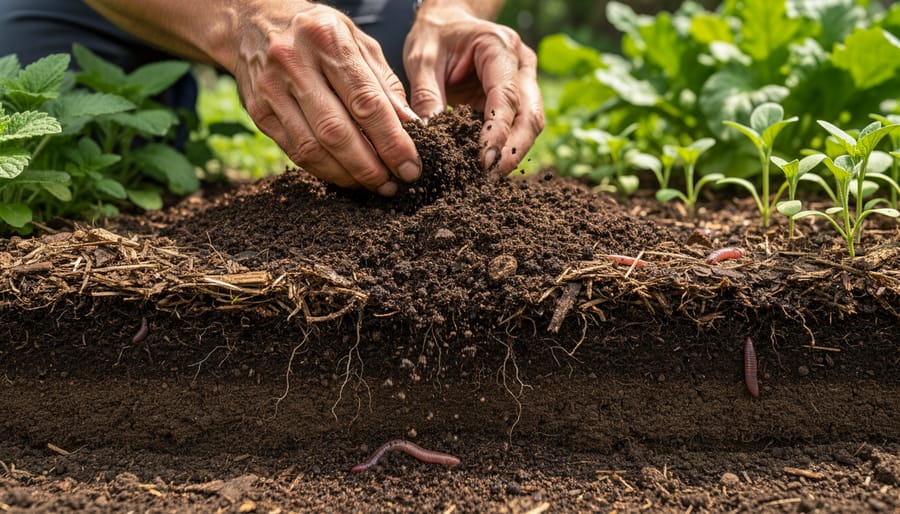
Mulching is another straightforward practice that works wonders. Spread a layer of organic mulch like wood chips, straw, or shredded leaves around your plants. As it breaks down, it feeds soil organisms while keeping moisture in and weeds down. Aim for about two to three inches of mulch, keeping it away from plant stems to prevent rot.
Don’t underestimate fallen leaves either. Instead of bagging them up, shred them with your mower and spread them over garden beds. They’re free fertilizer and a buffet for your soil community. The more diverse organic matter you add, the more diverse your underground ecosystem becomes.
Leave Some Mess Behind
I know it goes against every tidy gardening instinct, but one of the best things you can do for soil biodiversity is embrace a little messiness. Those fallen leaves you’re tempted to rake up? They’re actually a five-star hotel for soil creatures. As leaves break down, they feed earthworms, millipedes, and countless microorganisms while providing shelter for ground beetles and spiders that hunt garden pests.
Dead plant stems left standing through winter offer similar benefits. They create protective corridors for beneficial insects and provide overwintering spots for ladybirds and lacewings. I’ve learned to designate “wild corners” in my garden where I simply let nature do its thing, leaving leaf litter undisturbed and allowing stems to decompose naturally.
You don’t need to leave your entire garden looking wild. Even a small pile of leaves tucked behind a shed or a patch of undisturbed ground beneath shrubs makes a difference. Think of these messy spots as feeding stations for your underground workforce. The creatures living there will repay you by creating richer, healthier soil that supports more vibrant plants and attracts the birds, hedgehogs, and other wildlife you’re hoping to welcome.
Rethink Your Digging Habits
Here’s something that might surprise you: every time you turn your soil with a spade, you’re essentially causing an earthquake for the creatures living below. I learned this lesson years ago from a master gardener who showed me her thriving no-dig beds, teeming with life I’d been unknowingly disrupting in my own garden.
Traditional digging disrupts the intricate network of fungal threads, worm tunnels, and micro-habitats that take months or even years to establish. When we dig, we expose beneficial organisms to harsh sunlight and air, destroy their carefully constructed homes, and bring dormant weed seeds to the surface where they’ll gleefully germinate.
The no-dig approach offers a gentler alternative. Instead of turning soil, you simply add organic matter like compost, well-rotted manure, or leaf mould on top as a thick mulch layer. Worms and other soil creatures do the work of incorporating it naturally, maintaining the soil’s layered structure in the process. This structure is crucial because different organisms prefer different depths, creating a diverse underground ecosystem.
If you must dig for planting, minimize the disturbance. Use a trowel rather than a fork, and only work the immediate planting area. Think of yourself as a careful surgeon rather than a demolition crew. Your soil community will thank you with healthier plants, better water retention, and a garden that practically takes care of itself.
Wildlife-Friendly Plants That Love Living Soil
Native Plants: The Perfect Partnership
Here’s a gardening secret that never fails to amaze me: native plants and the tiny creatures in your soil have been working together for thousands of years. They’ve developed the perfect partnership, and when you choose plants native to your region, you’re tapping into an ancient relationship that requires remarkably little effort on your part.
Think of it this way: native plants and local ecosystems speak the same language. Local soil fungi recognize the chemical signals from native plant roots and form beneficial connections almost immediately. Native plants drop leaves that local decomposers have evolved to break down efficiently, creating the exact nutrients your soil needs without any fertilizer bottles required.
I experienced this firsthand when I planted a small patch of native wildflowers alongside some ornamental imports. Within months, the native section was thriving with minimal water, while the exotics demanded constant attention. The difference? The natives had millions of microscopic partners already waiting in the soil to help them succeed, supporting everything from earthworms to the butterflies visiting above ground.
Quick Wins for Any Garden Size
You don’t need acres of land to create a thriving underground ecosystem. Here are my favorite plants that punch above their weight when it comes to supporting soil life, regardless of your garden size:
For containers and small spaces, try chives and parsley. Their fine root systems create networks that soil organisms love, and you’ll get fresh herbs for the kitchen. I’ve grown both successfully in pots as small as 10 inches across, and they’ve still attracted beneficial soil life.
In medium-sized beds, clover works beautifully as a living mulch between larger plants. It fixes nitrogen, feeds soil microbes, and you can even let it flower for pollinators. Marigolds are another winner, releasing compounds through their roots that encourage beneficial fungi while deterring some pests.
For larger gardens, buckwheat is your friend. Plant it as a cover crop between growing seasons, and it’ll build organic matter quickly while its roots feed countless soil organisms. Within just 6-8 weeks, you’ll see the difference when you turn it into the soil.
The beauty of these plants is they’re low-maintenance and forgiving, perfect whether you’re just starting out or looking to fill established beds with soil-friendly options.
Signs Your Soil Ecosystem Is Thriving
What to Look For
When you’re checking if your soil is teeming with life, there are some wonderful signs to watch for. Start by gently turning over a shovelful of soil and counting the earthworms you see. Finding five or more in a typical garden spade’s worth indicates a thriving underground community. These wiggling engineers are excellent indicators of soil health.
Pay attention to your soil’s structure too. Healthy, biodiverse soil crumbles easily in your hand and has a pleasant, earthy smell rather than a sour or chemical odor. You’ll notice it holds together without being compacted, creating those lovely little clumps that gardeners call aggregates.
Look at your plants themselves. Are they vibrant and resilient? Strong plant growth often signals a bustling soil ecosystem beneath, where beneficial microorganisms are helping roots access nutrients.
Don’t forget the surface activity either. Ground beetles scurrying about, bees visiting bare patches, and ladybugs hunting among your plants all suggest a balanced ecosystem. These beneficial insects often indicate that the soil food web is working beautifully, supporting wildlife from the ground up.
A Simple Soil Test You Can Do Right Now
Want to check your soil’s health right now? Try this simple jar test that reveals what’s happening beneath your feet! Grab a clear glass jar and fill it one-third with soil from your garden. Add water until the jar is nearly full, screw on the lid, and give it a good shake for about a minute. Now comes the fascinating part—set it down and watch what happens over the next 24 hours.
The soil will separate into distinct layers: sand settles first at the bottom, then silt in the middle, and finally clay on top, with organic matter floating at the surface. Healthy, biodiverse soil typically shows a nice balance of these layers with visible organic matter. If you see mostly one layer or very little organic material, your soil community might need some extra love and attention to thrive.
You’ve reached the exciting realization that what happens beneath your feet matters just as much as what grows above it. Every time you add compost, leave leaf litter in place, or choose to skip the chemical fertilizers, you’re casting a vote for the billions of soil organisms working tirelessly in your garden. And here’s the wonderful truth: you don’t need to transform your entire garden overnight to make a real difference.
Start small. Perhaps you’ll designate one corner of your garden as a no-dig zone this season, or commit to leaving those fallen leaves under your shrubs instead of bagging them up. Maybe you’ll try making your first wormery or simply reduce how often you disturb the soil. Each of these seemingly modest actions creates ripples through your underground ecosystem, supporting everything from earthworms to mycorrhizal fungi, which in turn support the birds, hedgehogs, and beneficial insects you’re hoping to attract.
Remember, the most successful wildlife gardens aren’t necessarily the largest or most elaborate ones. They’re the gardens where someone like you decided to work with nature rather than against it. Your soil is already teeming with potential, waiting for you to give it the conditions it needs to thrive. So take that first step today, however small it might seem. Your garden’s hidden world is ready to reward your efforts with healthier plants, more diverse wildlife, and the deep satisfaction of knowing you’re nurturing life from the ground up.