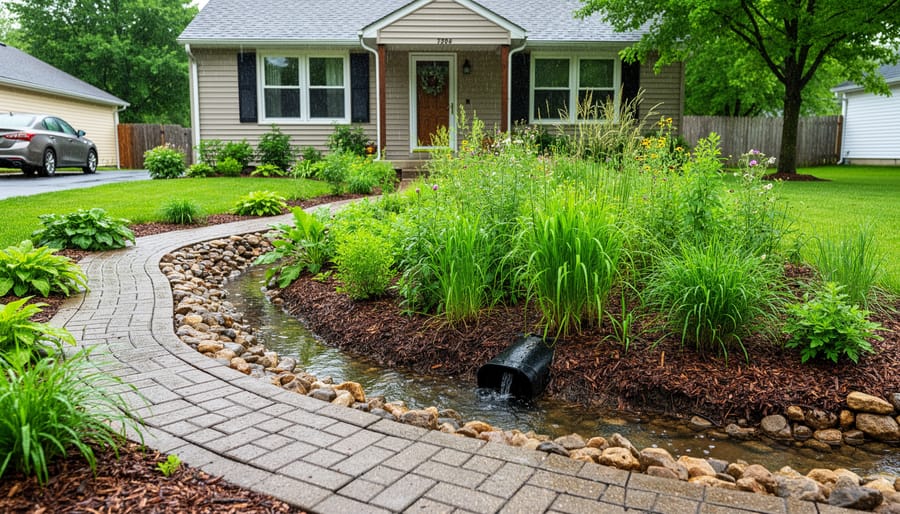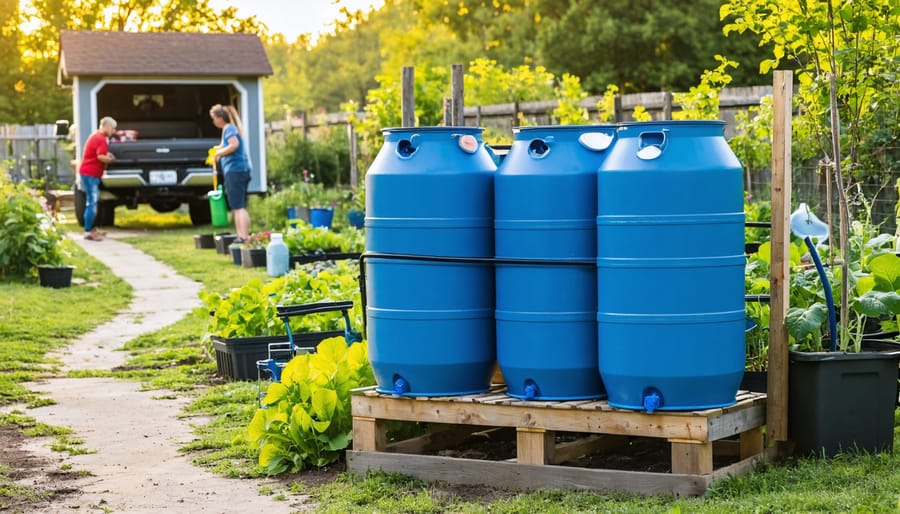
When disaster strikes—whether it’s a sudden drought, broken irrigation system, or contaminated water source—your community garden’s survival depends on the same emergency management framework that keeps entire cities functioning. The seven community lifelines aren’t just abstract government concepts; they’re your blueprint for building a resilient garden water system that withstands crisis.
Picture this: Last summer, the Riverside Community Garden lost their municipal water connection for three weeks during a heat wave. While neighboring plots withered, their beds thrived because they’d unknowingly applied these lifeline principles—rainwater catchment for backup supply, gravity-fed distribution to avoid power dependency, and a communication network that mobilized volunteers with water-carrying trucks within hours.
These seven lifelines—Safety and Security, Food/Water/Shelter, Health and Medical, Energy, Communications, Transportation, and Hazardous Materials—form the backbone of emergency preparedness. Each translates directly into garden water management strategies that protect your crops and community investment.
You’re not just learning theory here. This framework transforms how you approach every watering decision, from choosing drought-resistant varieties to positioning rain barrels for maximum collection. It means understanding that your garden’s water security isn’t about one perfect solution, but rather creating interconnected systems that support each other when one fails.
Whether you’re managing a quarter-acre community plot or a small neighborhood garden, these principles scale to your needs. They’ve helped gardens survive hurricanes in Florida, wildfires in California, and extended droughts across the Southwest. Now they’ll help you build a water system that doesn’t just survive challenges—it keeps your community fed and connected through them.
Ready to make your garden crisis-proof? Let’s explore each lifeline.
What Community Lifelines Mean for Your Garden
You might be wondering what emergency management has to do with your backyard vegetable patch or community garden plot. Here’s the connection: the 7 community lifelines framework originally comes from FEMA, where it helps communities prepare for and respond to disasters by identifying critical systems that keep everyone safe and functioning.
Think about what happens when a hurricane or wildfire disrupts a region. Emergency managers focus on seven key areas: safety and security, food, water, shelter, health and medical, energy, communications, and transportation. These aren’t just abstract categories. They’re the building blocks of resilient communities.
Smart gardeners and water conservation groups realized something powerful: this same framework works beautifully for managing water resources at the community level. After all, water scarcity can feel like its own kind of emergency, especially during drought years or when facing restrictions that threaten everything you’ve worked to grow.
The beauty of adapting these lifelines to your garden is that it shifts thinking from individual problem-solving to collective action. Instead of every gardener hoarding water or struggling alone with dry soil, communities can work together to build systems that benefit everyone. When you share rainwater catchment knowledge with neighbors, organize bulk purchases of water-efficient supplies, or coordinate irrigation schedules, you’re applying emergency management principles in everyday life.
This approach emphasizes resilience, which means your garden can bounce back from challenges rather than failing completely. It’s about having backup plans, diverse water sources, and a network of fellow gardeners who support each other.
The seven lifelines we’ll explore in this article take that emergency management wisdom and translate it into practical steps any gardener can follow. Whether you’re tending a single raised bed or managing a sprawling community garden, these principles will help you create a more water-secure, sustainable growing space while strengthening connections with your neighbors.
Lifeline 1: Safety and Security – Protecting Your Water Sources
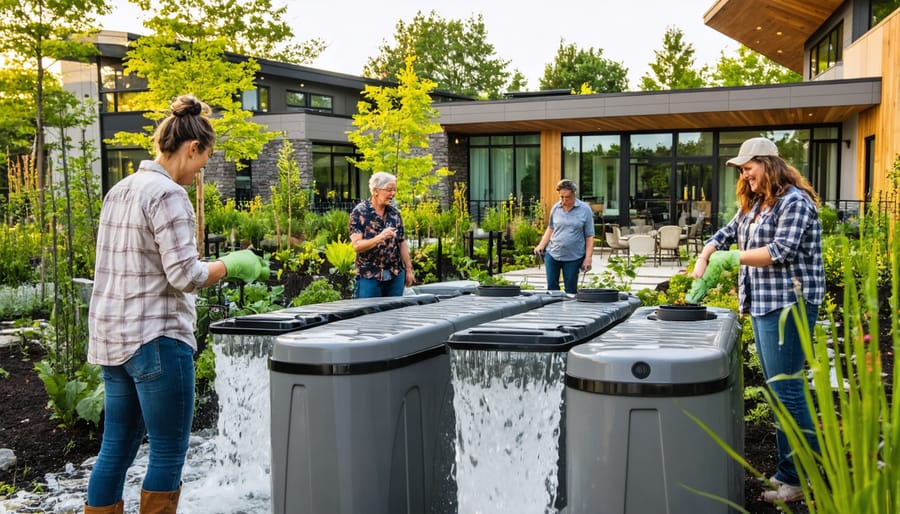
When we talk about community lifelines in water management, safety and security forms the foundation of everything else. Just as emergency services protect vital infrastructure during crises, gardeners need to safeguard their precious water sources from contamination, theft, and damage.
I learned this lesson the hard way three years ago when algae bloom contaminated our community garden’s shared rain barrel. We lost an entire week of collected water, and several tomato beds suffered during a dry spell. Now, I’m passionate about helping others avoid similar setbacks.
Start by protecting your rainwater harvesting system with proper screening. Install fine mesh covers on all collection barrels to keep out leaves, insects, and debris. Check these screens weekly during autumn when falling leaves are heaviest. I use simple hardware cloth with quarter-inch openings, secured with elastic cords for easy removal during cleaning.
Contamination prevention goes beyond physical barriers. Position water collection systems away from areas where chemicals, fertilizers, or pet waste might wash in. Master gardener Sarah Chen, whom I interviewed last spring, suggests creating a three-foot buffer zone around all water storage using gravel or mulch. This simple boundary prevents soil splash-back during heavy rains.
Security matters too, especially in shared spaces. Water theft might sound unlikely, but during drought conditions, it becomes a real concern. Simple lockable spigots cost under ten dollars and provide peace of mind. For community gardens, establish clear usage schedules and install signage explaining water-sharing protocols.
Create safe access pathways to shared water sources. Uneven ground around water stations leads to spills and injuries. I helped our garden lay down flat stones and wood chips, making water collection safer for members of all ages and abilities. Good lighting also helps evening gardeners access water safely.
Remember, protecting your water infrastructure isn’t about distrust. It’s about ensuring reliable access for everyone who depends on it, building resilience into your community’s most vital resource.
Lifeline 2: Food, Water, and Shelter – The Foundation of Garden Water Systems
Just as our bodies need nourishment and protection, your garden’s water system forms the backbone of a thriving, productive growing space. When we think about food security, water availability sits at the heart of every harvest, which is why building resilient water infrastructure deserves your immediate attention.
Let me share what I learned from interviewing Maria Chen, a community garden coordinator in southern California. “We used to panic every summer,” she told me, “until we realized our water system needed the same emergency planning as any other community resource.” Her garden now stores enough water to sustain vegetables through two-week droughts.
Start by mapping your water sources. Do you rely solely on municipal supply, or could you harvest rainwater? Installing rain barrels represents the simplest first step—a single 55-gallon barrel catches surprising amounts during storms. Position them under downspouts from sheds, greenhouses, or nearby buildings.
Next, consider building a rain shelter over sensitive crops. These simple structures protect plants from excessive rainfall while allowing you to collect water for later use. I built mine using recycled lumber and clear corrugated panels, spending less than a weekend on construction.
Storage facilities don’t need to be elaborate. Food-grade IBC totes hold 275 gallons and cost less than multiple small barrels. Connect several together for gravity-fed irrigation systems that work even during power outages. Always elevate tanks on stable platforms to create water pressure naturally.
Implementing water-wise gardening practices alongside your infrastructure doubles your resilience. Mulch heavily around plants to retain moisture, choose drought-tolerant varieties, and group plants by water needs.
Remember, establishing reliable water access isn’t about creating perfect systems—it’s about building redundancy. When one source fails, another keeps your garden growing and your community fed.
Lifeline 3: Health and Medical – Keeping Your Garden Water Clean
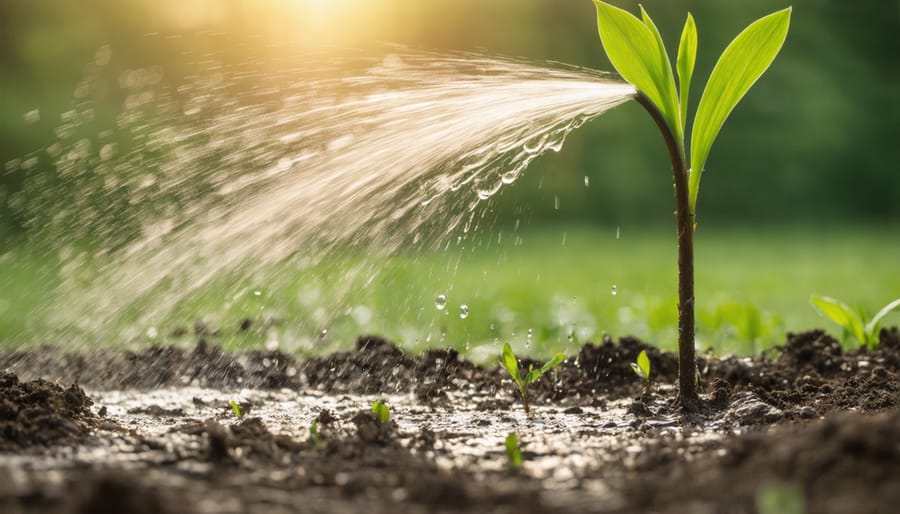
Just like we protect our families’ health, keeping our garden water clean is essential for growing safe, nutritious produce and maintaining a thriving community space. Contaminated water can introduce harmful bacteria, heavy metals, or chemicals that affect both plant health and anyone who enjoys the harvest.
Think of water quality as your garden’s immune system. When I spoke with master gardener Elena Rodriguez, who manages three community gardens in Portland, she shared a sobering lesson: “We lost an entire season of lettuce before discovering our irrigation water had elevated lead levels from old pipes. Now we test regularly, and it’s made all the difference.”
Testing your water doesn’t require a chemistry degree. Start with a simple home testing kit from your local garden center, which checks pH, hardness, and common contaminants. For more thorough analysis, contact your county extension office about professional testing, often available at minimal cost.
Here’s your step-by-step testing guide: First, collect water samples in clean containers early morning when irrigation systems first run. Label each sample with the date and location. Test pH levels first, aiming for 6.0 to 7.0 for most vegetables. Next, check for chlorine, nitrates, and bacteria using test strips. Document your results in a garden journal for tracking trends over time.
Watch for warning signs between tests. Sudden plant wilting despite adequate watering, unusual leaf discoloration, or slimy residue on soil surfaces can indicate contamination. White crusty deposits suggest high mineral content, while foul odors point to bacterial issues.
Healthy soil acts as a natural filter, so maintain organic matter through compost additions. This buffers against minor water quality fluctuations while supporting beneficial microorganisms that break down potential contaminants. Remember, prevention through regular testing beats treatment every time.
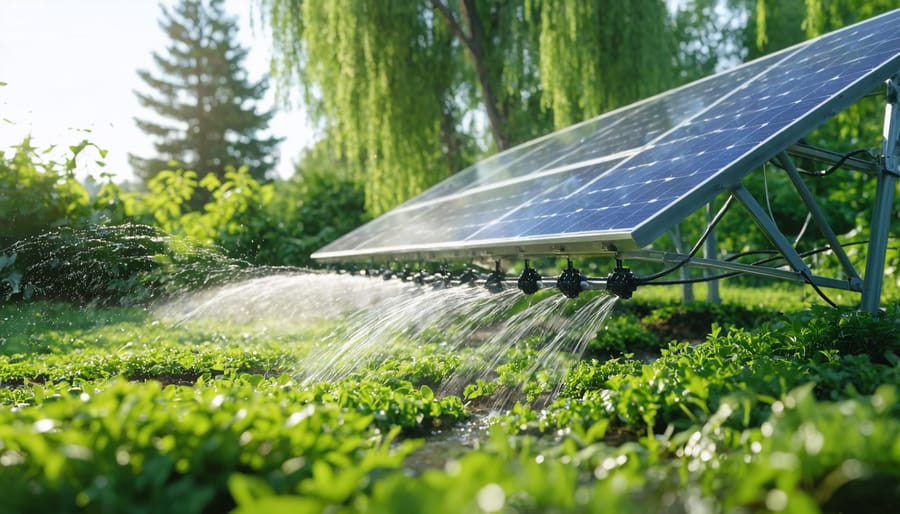
Lifeline 4: Energy – Powering Your Water Management
Water doesn’t just flow through your garden on its own, it needs energy to get there. Whether you’re pumping from a well, running a sprinkler system, or operating smart irrigation systems, energy powers your water management infrastructure. The good news? You have more sustainable options than you might think.
Solar-powered irrigation pumps have revolutionized how many community gardens operate. These systems harness the sun’s energy right when you need it most during bright, hot days when plants are thirstiest. Maria Chen, who manages a three-acre community garden in California, shares her experience: “We installed solar panels two years ago to power our drip irrigation system. Our electricity costs dropped to nearly zero, and we’re watering more efficiently than ever. The initial investment paid for itself in eighteen months.”
For those seeking zero-energy solutions, gravity-fed systems are brilliantly simple. By positioning water storage tanks on elevated platforms or hillsides, gravity does all the work. No pumps, no electricity, just physics working in your favor. These systems work wonderfully for smaller gardens or supplemental watering needs.
Don’t underestimate the efficiency of good old-fashioned manual watering either. While it requires your physical energy, hand watering allows you to observe each plant closely, catching problems early and delivering water exactly where needed.
Community gardens can also explore shared renewable energy investments. Pooling resources for solar installations or small wind turbines makes sustainable energy accessible to everyone. As experienced gardener Tom Rodriguez puts it: “When we share the cost of renewable energy infrastructure, we all benefit. It’s community building and environmental stewardship rolled into one.”
Lifeline 5: Communications – Sharing Water Knowledge and Alerts
Water management isn’t just about pipes and pumps – it’s about people talking to people. When neighbors share what they know about water conditions, everyone’s garden benefits. Think of it like a neighborhood watch, but for drought conditions and rainfall patterns.
Start by creating a simple water-sharing schedule in your community garden. A whiteboard at the garden entrance or a shared online calendar works perfectly. When someone spots their rain barrel overflowing, they can post it. When another gardener notices their well running low, the community rallies with backup plans. I’ve seen communities transform their water security simply by knowing who has what, when.
Building a drought alert network doesn’t require fancy technology. One community I spoke with uses a text chain – when soil moisture drops below a certain level, the designated “water monitor” sends a quick message. Everyone adjusts their watering schedules accordingly, preventing the panic of discovering parched plants too late.
Rainfall data sharing creates powerful collective knowledge. Keep a rain gauge at your plot and contribute measurements to a shared spreadsheet or community chat. Over time, you’ll notice patterns: which areas receive more rainfall, where drainage pools, and how microclimates affect different garden sections. Local weather apps are helpful, but nothing beats hyperlocal data from fellow gardeners who understand your specific growing conditions.
Don’t overlook offline communication for those without reliable internet access. A weatherproof bulletin board, monthly garden meetings, or even a simple phone tree ensures everyone stays informed. Mix digital tools like group messaging apps with traditional methods like posted notices and word-of-mouth updates.
Remember, communication channels work best when someone volunteers to coordinate them. Rotate this responsibility quarterly to prevent burnout and keep fresh perspectives flowing through your water management conversations.
Lifeline 6: Transportation – Moving Water Where It’s Needed
Getting water to where your plants need it most can feel like a puzzle, but with smart transportation systems, you’ll save time, energy, and precious resources. Think of water distribution as creating a network of pathways that work with gravity and community cooperation rather than against them.
Gravity-fed systems are your best friend in community gardens. By positioning collection tanks at the highest point of your garden, water flows naturally downhill through pipes or channels, eliminating the need for pumps or electricity. I learned this trick from Maria Santos, a community garden coordinator in Portland, who told me, “Once we elevated our rain barrels by just three feet, we could reach 80% of our garden beds without carrying a single bucket.”
For larger gardens, consider pooling resources to purchase shared equipment like wheeled water tanks, hose carts, or even small utility trailers. Many successful gardens create a simple checkout system where members reserve equipment through a shared calendar. This approach cuts individual costs while ensuring everyone has access to efficient hauling tools.
When designing irrigation pathways, map out main distribution lines that follow natural contours and connect to multiple secondary branches. This hub-and-spoke approach means less hose dragging and more consistent watering. You might even explore greywater systems as additional water sources.
Creating accessible water points every 30-50 feet ensures no gardener struggles with long carries. Install simple spigots, filling stations, or strategically placed rain barrels throughout your space. Remember, the easier you make water access, the more consistently plants get the care they need.
Lifeline 7: Hazardous Materials – Managing Garden Chemicals and Water
Think of your garden as part of a larger ecosystem, where every drop of water connects you to your neighbors and community. Just as emergency managers protect water quality during disasters, we gardeners play a vital role in safeguarding our shared water resources every single day.
I learned this lesson the hard way when a rainstorm washed fertilizer from my vegetable beds straight into the storm drain. That moment changed how I approach garden chemicals forever. Now, I store all fertilizers and pesticides in sealed containers inside my garage, well away from any water sources. It sounds simple, but keeping these materials covered and elevated prevents accidental spills during unexpected weather.
The beauty of modern gardening is that we have so many organic alternatives available. Compost tea, for example, nourishes plants without the chemical runoff risks. I spoke with Master Gardener Elena Rodriguez, who shared her favorite tip: “Replace synthetic fertilizers with slow-release organic options like bone meal or fish emulsion. They feed your plants gradually and stay put in the soil rather than washing away.”
When applying any garden chemicals, timing matters tremendously. Water them in gently to help absorption, and never apply products before heavy rain. Check your local forecast and plan accordingly.
For disposal, never pour unused chemicals down drains or onto the ground. Most communities offer hazardous waste collection days specifically for garden products. Contact your local waste management facility to find out when and where you can drop off unwanted fertilizers, pesticides, or herbicides safely.
By making these small adjustments, you’re not just protecting your garden—you’re protecting the water that flows through your entire community. That’s gardening with purpose.
Building Your Community Water Action Plan
Let’s gather your fellow gardeners and create a water action plan that strengthens your community’s resilience. Think of this as bringing together all those lifelines we’ve discussed into one practical roadmap.
Start by walking your garden together during your next group meeting. Bring along clipboards and observe each area with fresh eyes. Where does water pool after rain? Which beds dry out fastest? Are there spots where irrigation struggles to reach? Take photos and jot down notes. This assessment reveals where your lifelines need attention and helps everyone understand the challenges you’re facing collectively.
Next, identify your priorities. Maybe your rainwater collection system needs expansion, or perhaps your communication about watering schedules could use improvement. Poll your garden members about which lifelines feel weakest. You might discover that some folks are eager to tackle technical projects like installing drip irrigation, while others prefer focusing on hazmat safety protocols for fertilizers and pesticides.
Create your action plan during a dedicated planning session. I’ve found that breaking projects into seasonal goals works beautifully. For spring, you might focus on installing rain barrels. Summer could be about establishing backup water sources. Fall is perfect for reviewing what worked and making adjustments. Assign specific gardeners to champion each lifeline, giving everyone ownership and spreading responsibility across your community.
Establish regular check-ins to keep momentum going. Monthly water system walkthroughs ensure nothing falls through the cracks. Create a simple communication channel, whether it’s a shared group chat, bulletin board, or email list. Document your maintenance schedule clearly so everyone knows when filters need cleaning or rain barrels require winterizing.
Remember, effective community water management thrives on collaboration and consistent attention. Your garden will become more resilient with each improvement you make together, creating a sustainable water system that serves everyone beautifully season after season.
The beauty of these seven community lifelines is that you don’t need to tackle them all at once. Think of them as building blocks for your garden’s water future, each one strengthening the next. Start with the lifeline that speaks most urgently to your community’s needs. Maybe it’s establishing rainwater collection this season, or perhaps organizing your first community water-sharing meeting next month.
I recently spoke with Maria Chen, a community garden coordinator in Arizona, who reminded me that every robust water system started with a single conversation and one willing person. Her garden now serves as a regional model for water resilience, but five years ago, they were facing their first serious drought with nothing but hope and determination.
Your garden’s water story is still being written, and you’re holding the pen. Whether you’re managing a sprawling community plot or a modest neighborhood sharing space, these lifelines give you a framework to build lasting water security. The challenges ahead, from unpredictable weather to aging infrastructure, are real, but so is the power of gardeners working together.
Take that first step today. Download a rainfall tracking app, sketch out potential rain garden locations, or simply invite three neighbors for coffee to discuss water concerns. Small actions create ripples, and those ripples become waves of change. Together, we’re not just growing gardens; we’re cultivating resilient communities that can weather any storm and bloom through any drought.