Nestled in the heart of University Place, Washington, a thriving community garden transforms a simple plot of land into something extraordinary: a gathering space where neighbors become friends, novice gardeners discover their green thumbs, and the simple act of growing tomatoes becomes a catalyst for building social bonds.
The University Place Community Garden represents more than individual raised beds filled with vegetables and flowers. It’s a living laboratory where residents share pruning techniques over the fence, where children learn that carrots actually grow underground, and where retirees teach young families the secrets of companion planting passed down through generations. This garden proves that when you give people shared soil and a common purpose, you cultivate far more than produce.
Whether you’re a University Place resident curious about joining this vibrant green space or a gardener elsewhere looking to understand how community gardens strengthen neighborhoods, you’ll find inspiration in how this garden operates. The space welcomes everyone, from apartment dwellers craving their first garden plot to experienced growers eager to mentor others.
Community gardens like this one tackle modern challenges head-on. They combat social isolation in an increasingly digital world, provide fresh produce in neighborhoods that need it, and create environmental pockets where pollinators thrive amid suburban development. Most importantly, they remind us that growing food together is one of humanity’s oldest forms of connection.
The University Place Community Garden stands as a blueprint for what happens when a community invests in shared green space. It’s where practical gardening meets purposeful placemaking, where tending plants becomes tending relationships, and where small patches of earth yield harvests of belonging.
What Makes University Place Community Garden Special
The Garden’s Origins and Growth
The University Place Community Garden sprouted from a simple conversation between neighbors back in 2008. Local residents Sarah Chen and Mike Rodriguez noticed an abandoned lot on their daily walks and wondered aloud: what if we turned this into something beautiful and useful? Their casual chat quickly grew into a passionate mission.
After approaching the city council with their vision, Sarah and Mike spent nearly a year navigating permits, rallying community support, and organizing volunteers. They held kitchen table meetings that soon overflowed into living rooms, attracting gardeners, families, and anyone excited about transforming unused space into a green oasis.
In spring 2009, around forty volunteers showed up on opening day with shovels, wheelbarrows, and plenty of enthusiasm. Together, they cleared debris, amended the soil, and built the first twelve raised beds. What started as a modest plot has since expanded into a thriving space with over seventy-five garden plots, a children’s learning area, and pollinator-friendly flower borders.
The garden’s evolution reflects its community’s changing needs. Early on, members realized they needed a gathering space, so they built a charming pavilion using reclaimed wood. When new families moved into the neighborhood, they added kid-sized tools and sensory gardens. The space continues growing organically, shaped by the people who tend it and the friendships that blossom there alongside the vegetables and flowers.
Physical Layout and Design Features
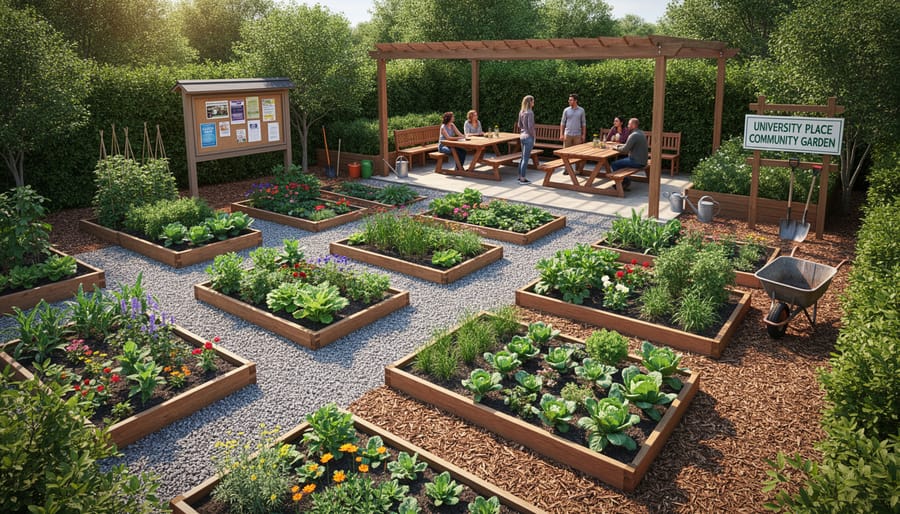
The garden’s thoughtful layout creates natural opportunities for neighbors to connect while maintaining individual growing spaces. Individual plots, typically measuring 10×10 feet, are arranged in clusters of four to six, with wide mulched pathways between them that make it easy to stop and chat with fellow gardeners as you work. This arrangement isn’t accidental – it’s designed to foster those spontaneous conversations that often blossom into lasting friendships.
At the heart of the garden sits a welcoming gathering area complete with picnic tables under a charming pergola draped in climbing vines. This shaded spot serves as the community’s living room, where gardeners take breaks, share harvests, and swap growing tips over morning coffee. Adjacent to this space, you’ll find raised demonstration beds where experienced gardeners lead workshops on companion planting, composting, and seasonal techniques.
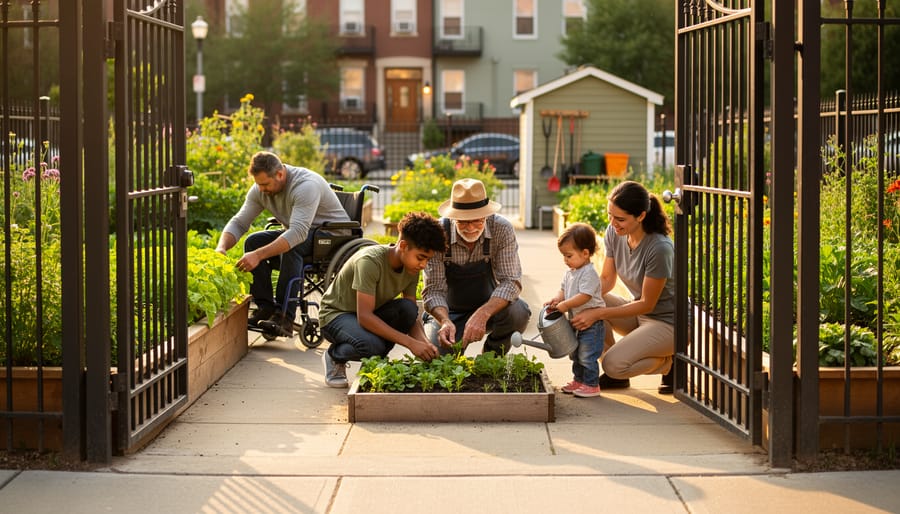
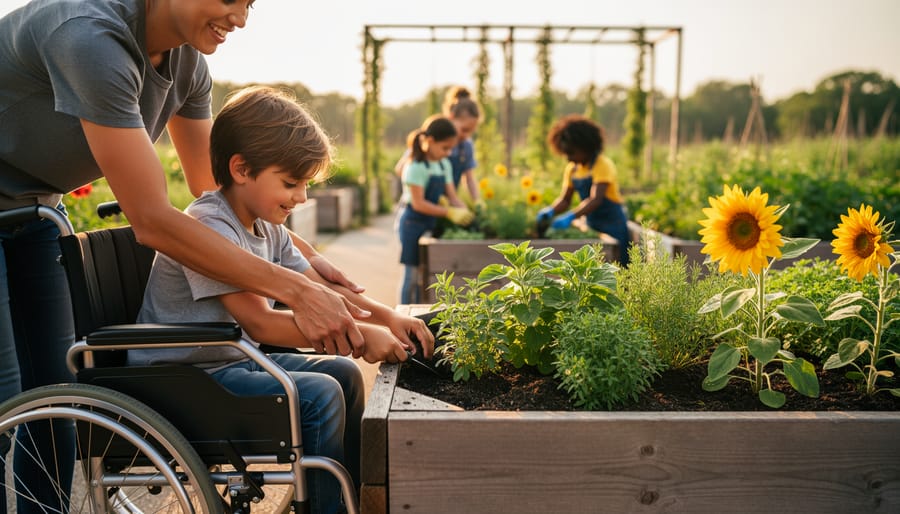
The entrance features a bulletin board where members post garden updates, recipes, and upcoming events, while nearby tool sheds stocked with shared equipment eliminate barriers for newcomers who haven’t yet invested in their own supplies. Wheelchair-accessible raised beds ensure everyone can participate, and a children’s discovery garden with sunflowers and sensory plants welcomes young gardeners. Water stations are strategically placed throughout, giving people another reason to pause and connect while tending their plots.
Placemaking Through Garden Design: Creating Spaces That Bring People Together
Shared Spaces Beyond Individual Plots
Beyond the individual garden plots, University Place Community Garden truly comes alive in its thoughtfully designed shared spaces. These communal areas serve as the heart of the garden, transforming what could be a collection of separate plots into a genuine gathering place for neighbors.
The covered pavilion near the main entrance has become a favorite meeting spot, especially during those warm summer evenings when gardeners linger after tending their beds. You’ll often find folks swapping seedlings, sharing harvest tips, or simply enjoying a cold drink while comparing notes about this year’s tomato varieties. One longtime member, Patricia, told me she’s made some of her closest friends during these spontaneous pavilion conversations, saying, “I came for the vegetables but stayed for the people.”
The centrally located tool shed does double duty as both a practical resource and an excuse for interaction. When several gardeners need the same wheelbarrow or rake, it naturally creates opportunities to chat, coordinate, and help each other out. Many beginners have learned invaluable techniques simply by asking questions while waiting their turn for equipment.
Strategically placed benches throughout the garden encourage rest and reflection, but they also invite connection. These quiet seating areas become impromptu classrooms where experienced gardeners share wisdom with newcomers, or spaces where parents watch children explore while chatting with fellow families. It’s in these unplanned moments, facilitated by comfortable shared spaces, that community truly flourishes.
Welcoming Elements for All Skill Levels
University Place Community Garden rolls out the welcome mat for gardeners at every experience level, and you’ll feel that warmth from the moment you arrive. If you’ve never planted a seed before, don’t worry—the demonstration garden beds showcase successful growing techniques in action. You can observe companion planting strategies, compare different trellising methods, and see how experienced gardeners tackle common challenges like pest management.
Throughout the garden, you’ll find helpful educational signage that explains everything from soil preparation to seasonal planting schedules. These aren’t intimidating instruction manuals but friendly guides written in plain language that anyone can understand. I spoke with longtime member Sarah Chen, who remembered her first visit: “I didn’t know a tomato from a tomatillo, but the signs and the people made learning feel natural, not overwhelming.”
The mentorship program pairs newcomers with seasoned gardeners who genuinely love sharing their knowledge. Your mentor can answer questions, suggest crops suited to your plot’s conditions, and celebrate your first harvest alongside you. This one-on-one guidance transforms what could feel daunting into an enjoyable learning journey where mistakes become valuable lessons rather than discouraging setbacks.
Accessibility and Inclusion in Garden Design
University Place Community Garden welcomes everyone through thoughtful design choices that remove barriers to participation. Raised beds eliminate the need for kneeling or bending, making gardening comfortable for people with mobility challenges or back issues. Wide, smooth pathways accommodate wheelchairs, walkers, and strollers, ensuring easy navigation throughout the space.
The garden’s commitment to accessibility and inclusion extends beyond physical design. Experienced gardeners mentor newcomers during weekend workshops, sharing tips without overwhelming beginners. Tool-sharing stations include gardening tools for seniors and adaptive equipment with ergonomic handles and lightweight designs.
Clear signage with large, readable text helps everyone feel confident navigating the space. The result? A vibrant community where a grandmother in her 70s gardens alongside college students, proving that when we design with everyone in mind, we all grow together.
Building Social Cohesion One Plot at a Time
Breaking Down Social Barriers
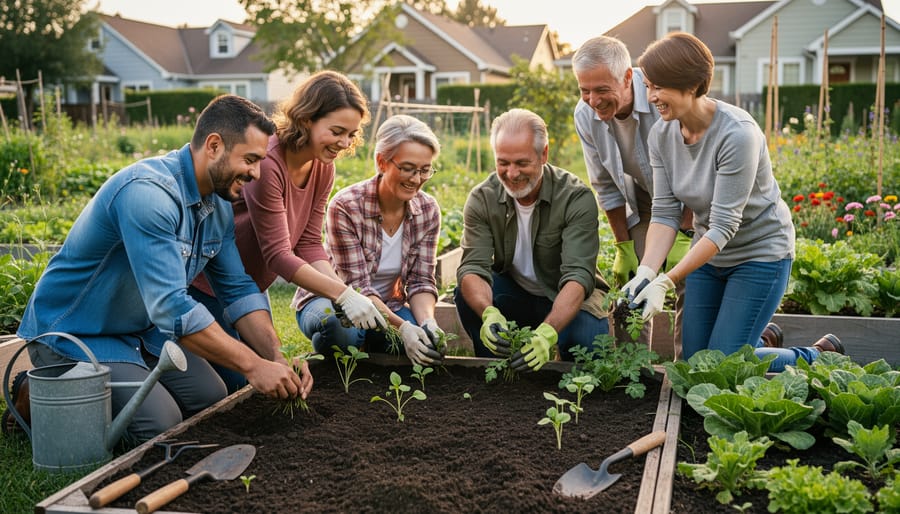
There’s something truly special about watching a retired teacher work alongside a college student, both learning from each other as they plant tomatoes. At University Place Community Garden, these connections happen naturally every day. The garden attracts everyone from young families to retirees, from apartment dwellers to homeowners, all united by a love of growing things.
I’ve spoken with several members who tell similar stories about finding unexpected friendships here. One gardener, Maria, shared how she connected with neighbors she’d lived near for years but never really knew until they started trading gardening tips over the fence between their plots. The shared work of preparing beds, managing weeds, and celebrating harvests creates natural conversation starters that transcend typical social boundaries.
The garden’s design encourages this mixing too. Communal workdays bring everyone together for bigger projects, while the shared tool shed and water stations create casual meeting spots. New gardeners often find experienced mentors willing to share knowledge and extra seedlings. It’s not about where you came from or what you do for a living—it’s about getting your hands dirty together and watching things grow.
Intergenerational Knowledge Sharing
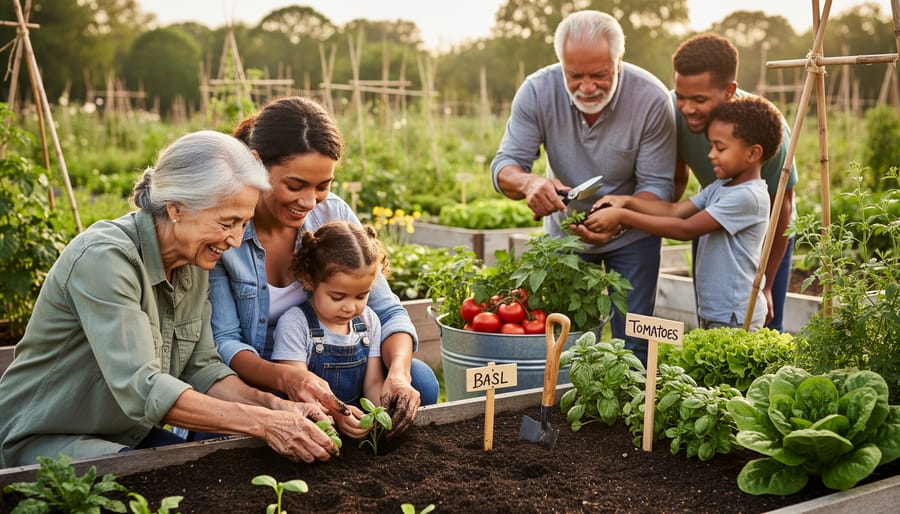
The garden thrives on the beautiful exchange of knowledge between generations. Veterans like Margaret, who’s been gardening for forty years, spend Saturday mornings teaching newcomers the art of companion planting and soil preparation. Her patient demonstrations transform nervous beginners into confident gardeners within weeks.
Young families particularly benefit from the wisdom of retired members who remember gardening techniques passed down from their own grandparents. These conversations often happen organically over the fence lines between plots, where elderly gardeners share tips about heirloom varieties while learning about modern composting methods from younger members.
The garden hosts monthly skill-sharing workshops where members trade expertise. A retired carpenter teaches raised bed construction, while a young chef demonstrates preserving techniques. Parents introduce educational gardening activities that engage both children and seniors in hands-on learning.
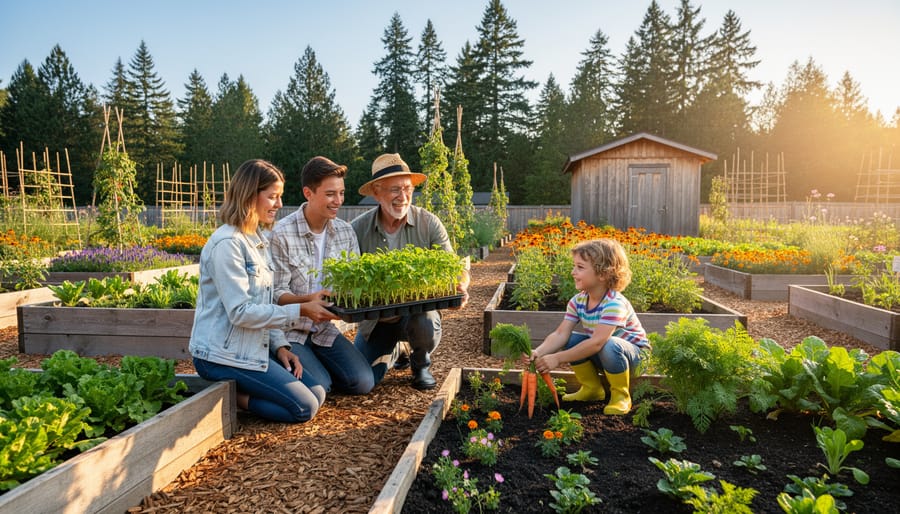
This reciprocal mentorship creates lasting friendships across age groups. Teenagers help with heavy lifting while learning about pest management, and children discover the joy of harvesting vegetables alongside grandparent-aged gardeners who delight in their enthusiasm. The result is a living classroom where everyone teaches and everyone learns.
Community Events and Traditions
The garden truly comes alive during its many community gatherings throughout the year. Every Saturday morning from spring through fall, you’ll find members arriving for workdays, sharing coffee and conversation while tending to both communal beds and individual plots. These casual meetups create perfect opportunities for experienced gardeners to mentor newcomers, swapping advice about everything from pest control to the best tomato varieties for our Pacific Northwest climate.
Seasonal celebrations mark the garden’s calendar with joyful traditions. The Spring Planting Party in April welcomes everyone to kickstart the growing season together, complete with seedling exchanges where members share their extra starts. It’s wonderful watching beginners leave with trays of established plants and the confidence to grow them successfully.
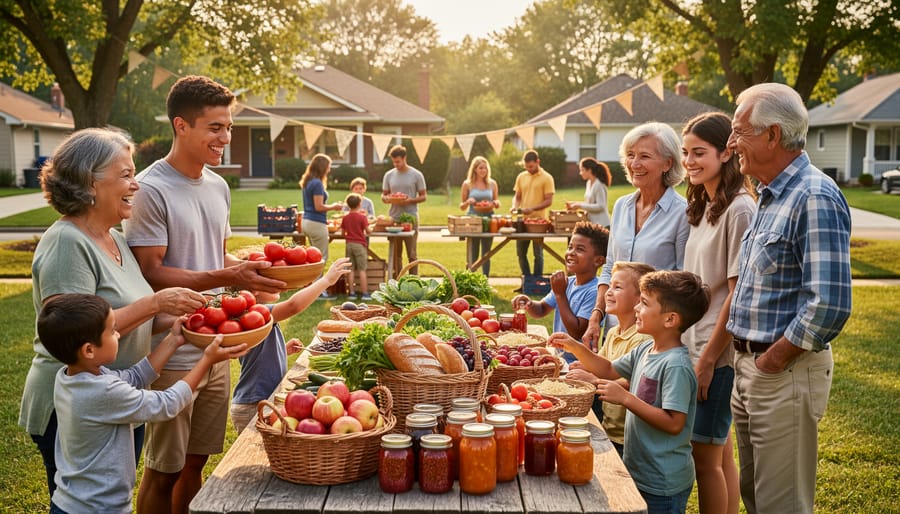
The Harvest Festival in September stands out as the year’s highlight. Members bring dishes made from their garden bounties for a potluck feast, creating a colorful spread that showcases months of collective effort. Last year, longtime member Patricia shared her grandmother’s pickle recipe using cucumbers she grew from seeds saved over three generations. These personal stories, shared over plates of garden-fresh food, transform acquaintances into friends.
Monthly educational workshops rotate between practical skills and creative projects. Recent sessions covered composting basics, building simple trellises, and natural dye-making from garden plants. The relaxed atmosphere encourages questions and experimentation, reminding everyone that gardening is about learning together, not achieving perfection.
These gatherings create the garden’s heartbeat, ensuring it remains more than just a place to grow vegetables but a true community hub where lasting connections take root.
The Ripple Effects: Benefits Beyond the Garden Fence
Strengthening Neighborhood Connections
When you spend time working alongside the same neighbors week after week, something wonderful happens. Garden members at University Place discover that the relationships they build while planting tomatoes or weeding flower beds naturally extend into everyday life. Sarah Mitchell, a three-year member, shares how this transformation unfolded for her: “I started noticing my garden neighbors when I was out walking my dog. We’d chat about more than just plants. When I had surgery last year, three people from the garden brought meals without me even asking.”
This sense of looking out for one another becomes second nature. Members exchange phone numbers, coordinate carpools to the garden, and check in when someone hasn’t been around for a while. The trust built through shared responsibilities like watering each other’s plots during vacations creates bonds that spill over into the broader neighborhood. It’s clear that gardening cultivates joy that extends far beyond individual plots.
Experienced gardener Tom Rodriguez explains it simply: “When you work the soil together, you become invested in each other’s success. That investment doesn’t stop at the garden gate.”
Food Security and Shared Abundance
The University Place Community Garden serves as much more than a beautiful green space—it’s a vital source of fresh, nutritious food for both gardeners and the wider community. Each growing season, plot holders cultivate an impressive variety of vegetables, herbs, and fruits, and the garden’s culture of generosity means that abundance is shared freely.
One of the garden’s most meaningful initiatives is its donation program to local food banks and community organizations. Gardeners regularly contribute their excess harvest, and several dedicated plots are specifically maintained for donation purposes. Last year alone, the garden donated over 800 pounds of fresh produce to families facing food insecurity in the area.
“There’s something incredibly rewarding about growing food you know will nourish your neighbors,” explains Maria Chen, who has coordinated the donation effort for three years. “We’re not just growing tomatoes—we’re growing community resilience.”
Beyond providing immediate food access, the garden functions as an outdoor classroom for self-sufficiency. Monthly workshops teach essential skills like seed saving, composting, season extension, and food preservation. Beginners learn alongside experienced gardeners, discovering that growing your own food is both achievable and empowering.
The garden also maintains a seed library where members can borrow heirloom varieties and return seeds from their harvest, ensuring that knowledge and resources circulate freely. This model demonstrates how community gardens can address food security while building the skills that help individuals and families thrive independently.
Lessons from University Place: Creating Your Own Community Garden Hub
Start with Community Input, Not Just Garden Beds
Before breaking ground or ordering soil, the most successful community gardens start with something simpler: conversation. When University Place began planning its community garden, organizers knew that gathering input from future gardeners would create a space that truly reflected the neighborhood’s needs and dreams.
Think of this phase as planting seeds of ownership. When people contribute ideas early on, they feel invested in the project’s success. A retired teacher might suggest accessible raised beds for older gardeners, while a young family could advocate for a children’s learning area. These diverse perspectives shape a garden that welcomes everyone.
Hosting informal coffee chats, neighborhood surveys, or simple walk-throughs of the proposed site helps you discover what matters most to your community. You’ll learn about dietary preferences, cultural gardening traditions, and even potential conflicts before they become problems.
This collaborative approach to building a community garden creates natural leaders and volunteers who champion the project. They become your garden’s ambassadors, spreading enthusiasm and recruiting others. More importantly, when challenges arise during construction or the growing season, you’ll have a committed team ready to problem-solve together rather than a group of passive plot-holders wondering why things aren’t working out.
Design for Connection, Not Just Cultivation
The magic of a community garden isn’t just in what grows in the soil, but in the connections that blossom between neighbors. When designing your garden space, think beyond individual plots and create areas that naturally bring people together.
Consider adding a central gathering spot—perhaps a circle of benches around a shared fire pit or a covered pavilion with picnic tables. This becomes your community living room, where gardeners can share morning coffee, swap seeds, or simply rest and chat after tending their plots.
Wide, welcoming pathways do double duty: they accommodate wheelchairs and strollers while inviting leisurely strolls and spontaneous conversations. I’ve found that gardens with narrow, strictly functional paths feel more utilitarian, while generous walkways transform the space into somewhere you want to linger.
Shared project areas work wonders too. A communal composting station, tool shed, or children’s garden naturally creates opportunities for collaboration. When experienced gardeners help newcomers learn proper composting techniques, relationships form organically.
Don’t forget practical touches that encourage lingering—a bulletin board for sharing recipes and announcements, a little free library for gardening books, or even a simple water station with cups. These thoughtful details signal that this garden welcomes not just plants, but people and all the wonderful conversations that make community flourish.
Building Governance That Brings People Together
Successful community gardens thrive when everyone feels heard and respected. Start by forming a core group of enthusiastic members who represent different ages, backgrounds, and gardening experience levels. Together, draft simple, clear guidelines covering plot maintenance, shared space responsibilities, and respectful behavior. Keep rules minimal at first—you can always add more as needs arise.
Consider creating rotating leadership roles or committees for specific tasks like tool maintenance, event planning, and new member orientation. This spreads responsibility while giving everyone opportunities to contribute their unique skills. One seasoned gardener I spoke with emphasized that their garden holds monthly potlucks where members naturally discuss concerns over shared meals, preventing small issues from becoming conflicts.
Make decision-making transparent by posting meeting minutes on a shared board or online platform. When disagreements occur, focus on finding solutions that honor the garden’s core mission of bringing people together. Remember, gardens naturally teach patience and compromise—the same qualities that build strong communities.
University Place Community Garden stands as a living testament to what happens when people come together around a shared love of growing things. This vibrant space has transformed more than just an empty lot—it’s cultivated friendships, bridged generational divides, and proven that the simple act of tending plants can rebuild the social fabric of our neighborhoods.
Whether you’re inspired to visit University Place Community Garden yourself or to start something similar in your own neighborhood, remember that every thriving garden begins with a single seed of intention. Talk to your neighbors, reach out to local organizations, and don’t be intimidated by the logistics. The beauty of community gardens is that they grow organically, much like the plants within them, evolving to meet the needs of those who nurture them.
So grab your gardening gloves and take that first step. Join an existing garden, propose a new plot in your area, or simply strike up a conversation with a fellow gardener. The connections you’ll cultivate alongside your vegetables and flowers will enrich your life in ways you never imagined. After all, the strongest communities are rooted in shared purpose—and there’s no better purpose than growing together.