Transform your sunny patio or balcony into a thriving garden oasis by mastering container gardening in full sun conditions. Select deep, light-colored containers with adequate drainage holes to prevent root scorching and water evaporation. Position drought-resistant Mediterranean herbs, vibrant succulents, and heat-loving vegetables where they’ll receive 6-8 hours of direct sunlight while managing sunlight exposure through strategic placement. Create a moisture-retaining environment by incorporating water-holding crystals into high-quality potting mix and applying a layer of mulch to regulate soil temperature. Your sun-drenched container garden can flourish with these foundational techniques, bringing the joy of harvesting fresh produce and colorful blooms to even the smallest outdoor spaces.
Best Sun-Loving Plants for Container Gardens
Vegetables That Love the Heat
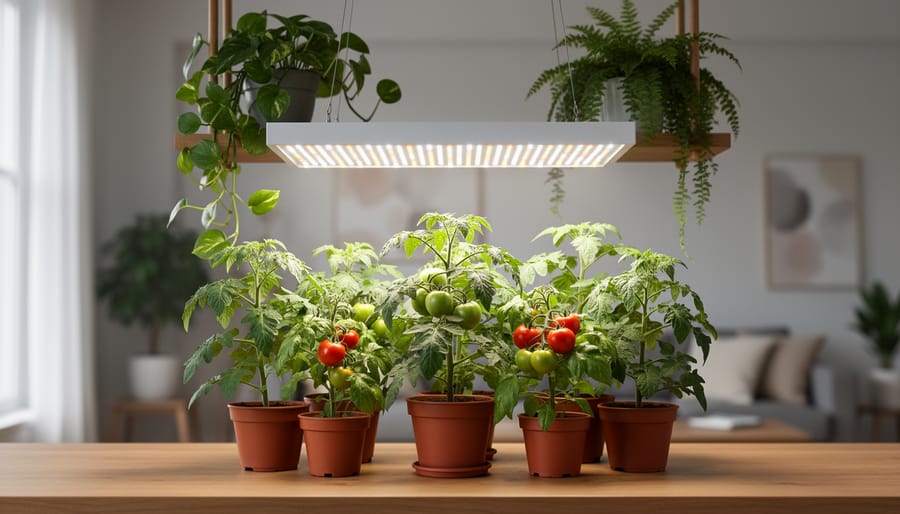
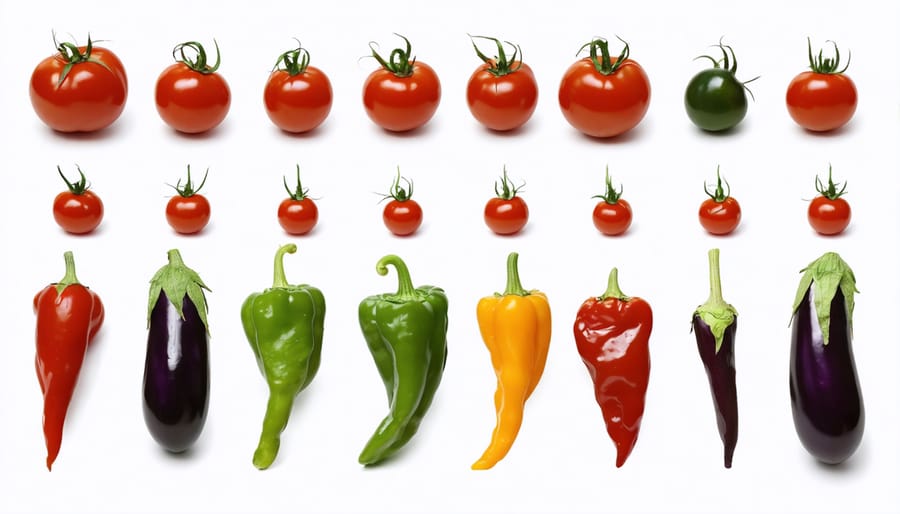
When it comes to growing vegetables in containers, some plants truly thrive in the heat and full sunshine. Tomatoes are the superstars of sunny container gardens, especially cherry and determinate varieties that won’t outgrow their space. These sun-loving fruits need at least 6-8 hours of direct sunlight daily to produce their best harvest.
Bell peppers and hot peppers are equally enthusiastic about bright, sunny spots. They’ll reward you with colorful, flavorful pods throughout the growing season. Just remember to give them deep containers with good drainage to develop strong root systems.
Eggplants are another heat-loving option that performs beautifully in containers. Their striking purple fruits and lovely flowers add both beauty and bounty to your garden. Compact varieties like ‘Fairy Tale’ or ‘Patio Baby’ are particularly well-suited for container growing.
Don’t forget about bush beans and okra – these heat-hardy vegetables produce abundantly in full sun conditions. They’re relatively low-maintenance and don’t require overly large containers. For added variety, consider growing herbs like basil, oregano, and rosemary alongside your vegetables. These Mediterranean natives actually prefer the intense heat and sun, developing stronger flavors in these conditions.
Remember to group these sun-loving vegetables together to maximize your space and simplify your watering routine. They share similar care requirements, making them perfect companions in your sunny container garden.
Sun-Hardy Herbs and Flowers
Herbs and flowers that thrive in full sun are perfect candidates for container gardening, adding both beauty and functionality to your outdoor space. Rosemary, with its fragrant needle-like leaves, grows exceptionally well in containers and can handle intense sunlight and dry conditions. Sage is another sun-loving herb that performs beautifully in pots, offering both culinary uses and attractive silvery-green foliage.
For a burst of color, marigolds are fantastic choices that bloom throughout the summer season. These cheerful flowers come in warm shades of yellow, orange, and red, requiring minimal care while providing continuous blooms. Zinnias are equally sun-hardy and offer an impressive range of colors and heights, making them perfect for creating visual interest in your container garden.
Other excellent options include lavender, which produces beautiful purple spikes and heavenly fragrance, and thyme, which can cascade over pot edges. For continuous blooms, consider adding petunias, verbena, or lantana to your sunny container collection. These flowers are not only drought-tolerant but also attract beneficial pollinators to your garden.
Remember to group plants with similar water needs together, and don’t be afraid to mix herbs and flowers in the same container for an attractive and practical display. Most of these plants prefer well-draining soil and regular feeding during the growing season.
Container Selection and Preparation
Material Matters
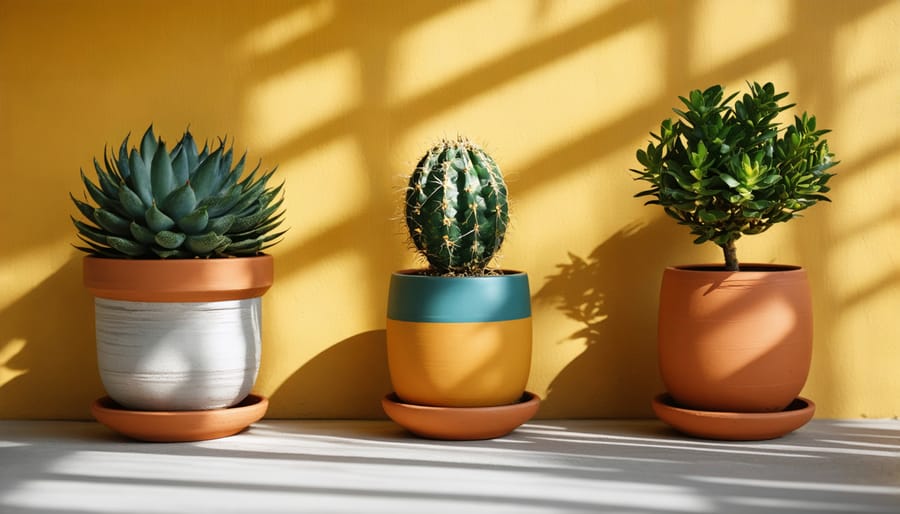
When it comes to container gardening in full sun, choosing the right material for your pots can make a significant difference in plant health and maintenance needs. Terracotta pots, while classic and beautiful, tend to dry out quickly in direct sunlight and may need more frequent watering. However, their porous nature provides excellent air circulation for root health.
Plastic containers are lightweight and affordable, but dark-colored ones can heat up considerably in full sun, potentially stressing plant roots. Opt for light-colored plastic pots to reflect heat, or consider double-potting by placing a plastic container inside a larger decorative pot for better insulation.
Ceramic and glazed containers offer the best of both worlds – they’re attractive and retain moisture better than terracotta. These containers also maintain more stable soil temperatures, though they can be quite heavy and expensive. For larger plantings, consider composite or resin containers, which combine durability with lighter weight and better heat resistance.
Metal containers look stunning but can become extremely hot in full sun, potentially cooking your plants’ roots. If you love the industrial look of metal, line the inside with bubble wrap or use them as decorative outer pots. Whatever material you choose, ensure your containers have adequate drainage holes and consider using light-colored pots to minimize heat absorption.
Size and Drainage Requirements
Selecting the right container size and ensuring proper drainage are crucial factors for successful full-sun container gardening. As a general rule, larger containers are better for plants in full sun, as they retain moisture longer and provide more room for root growth. For most vegetables and flowering plants, choose containers at least 12 inches deep and 12 inches wide. Larger plants like tomatoes and peppers need containers 18-24 inches deep.
The material of your container affects both size requirements and drainage. Terra cotta pots, while beautiful, dry out quickly and may need to be larger to compensate for moisture loss. Plastic and ceramic containers retain moisture better, allowing for slightly smaller sizes.
Every container must have adequate drainage holes – this is non-negotiable for healthy plants. Add multiple holes about ½ inch in diameter in the bottom of your containers. If using decorative pots without drainage, drill holes yourself or use them as cache pots with properly draining containers inside.
Place a layer of coarse material like broken pottery pieces or gravel at the bottom of your containers, but keep it thin – no more than an inch. This helps prevent soil from clogging drainage holes while allowing excess water to escape. Position your containers with a slight tilt to ensure water doesn’t pool at the base, and consider elevating them with pot feet or blocks for better airflow and drainage.
Soil and Water Management
Moisture-Retaining Soil Mixes
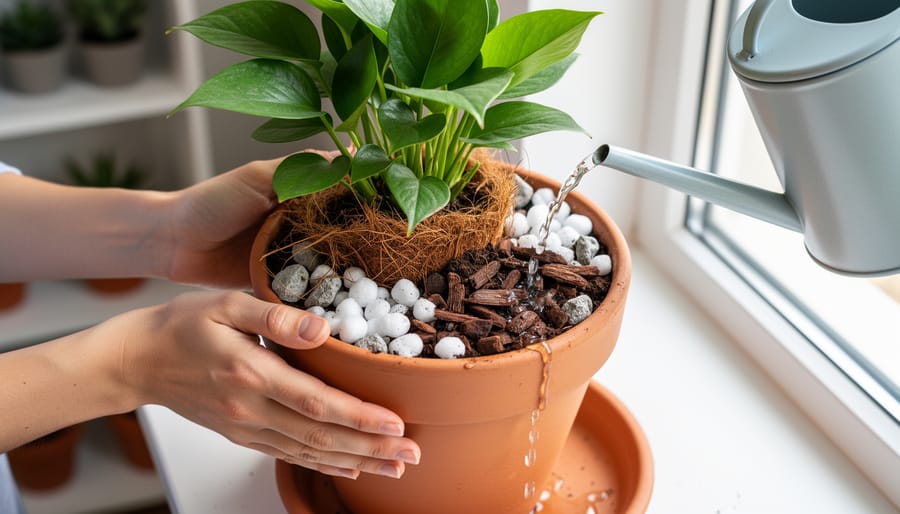
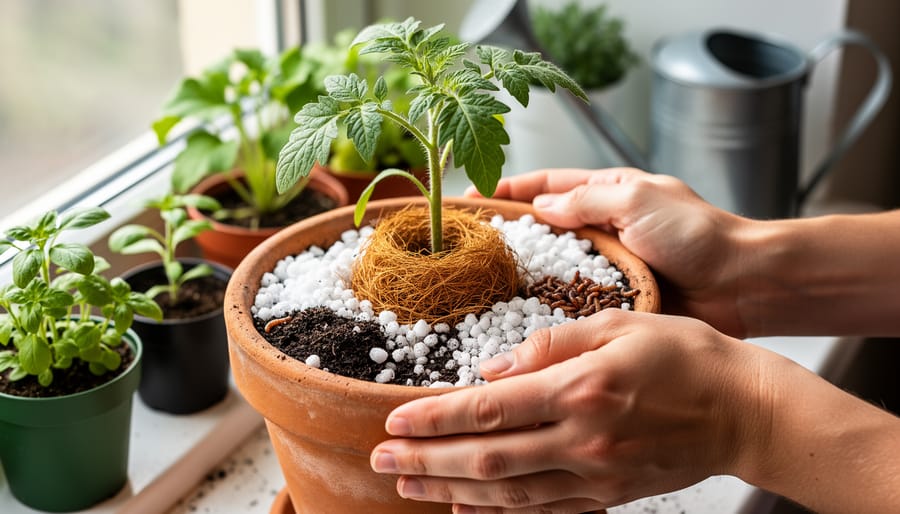
Creating the right soil mix is crucial for successful container gardening in full sun, where moisture retention becomes especially important. The key is to blend materials that hold water while maintaining good drainage. Start with a high-quality potting mix as your base, then add moisture-retaining amendments like coconut coir or peat moss at about 30% of the total volume.
One of my favorite additions is vermiculite or perlite, which create tiny pockets that store water while preventing soil compaction. For extra moisture retention, mix in water-storing crystals or polymer granules, which can absorb up to 400 times their weight in water. However, use these sparingly – a teaspoon per gallon of soil mix is usually sufficient.
Adding organic matter like well-rotted compost not only helps retain moisture but also provides slow-release nutrients to your plants. A good ratio is about 20% compost to your total mix. Consider incorporating worm castings for added fertility and water-holding capacity.
For containers in full sun, I recommend creating a layered effect: Place a layer of gravel at the bottom for drainage, followed by your moisture-retaining mix. Top it off with a layer of mulch – wood chips, straw, or coconut hulls work well – to reduce evaporation and keep the soil cool. Remember to adjust your mix based on what you’re growing; succulents will need less moisture retention than tomatoes or peppers.
Watering Strategies
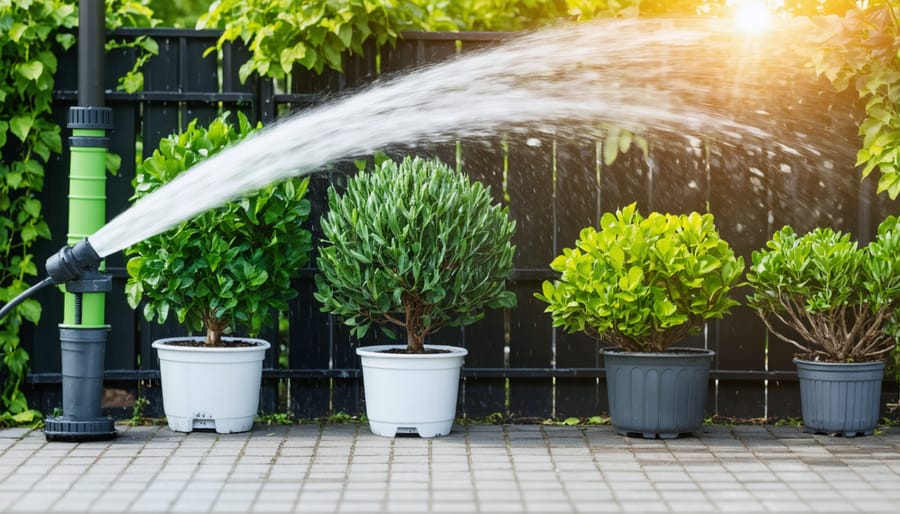
Watering containers in full sun requires extra attention, as these plants tend to dry out more quickly than their in-ground counterparts. The key is to water deeply and consistently, ensuring the moisture reaches the roots rather than just wetting the surface.
In hot summer months, check your containers at least once daily, preferably in the morning. During extreme heat waves, you might need to water twice daily. Insert your finger about 2 inches into the soil – if it feels dry at this depth, it’s time to water. Continue watering until you see it flowing from the drainage holes, which ensures thorough root saturation.
Consider using self-watering containers or installing drip irrigation systems to maintain consistent moisture levels. These solutions are particularly helpful if you have a busy schedule or plan to travel. Adding a 2-inch layer of mulch on top of the soil helps retain moisture and reduce evaporation.
Watch for signs of water stress such as wilting leaves or dry, crispy edges. Different plants have varying water needs, so group those with similar requirements together. Succulents and Mediterranean herbs need less frequent watering, while vegetables and flowering annuals typically require more.
For optimal results, water the soil directly rather than spraying the leaves, which can lead to leaf burn in full sun. Early morning watering gives plants time to absorb moisture before the day’s heat intensifies.
Protection and Maintenance Tips
Heat Management Techniques
Managing heat in full-sun container gardens is crucial for keeping your plants healthy and thriving throughout hot summer days. One effective strategy is to use light-colored containers that reflect sunlight rather than absorb it, helping to keep root systems cooler. Consider incorporating shade cloth or umbrellas during peak afternoon hours, especially for more sensitive plants that might struggle with intense sun exposure.
Mulching is another vital technique for heat management. Add a 2-3 inch layer of organic mulch on top of your container soil to help retain moisture and regulate soil temperature. This simple step can reduce water evaporation by up to 70% and protect delicate root systems from heat stress.
Strategic placement of containers can make a significant difference in balancing light exposure. Try grouping containers together to create microclimates where plants can benefit from shared humidity and shade. More heat-tolerant plants can act as natural umbrellas for their sensitive neighbors.
Water management becomes especially critical in full sun conditions. Consider installing a drip irrigation system or self-watering containers to maintain consistent moisture levels. Water deeply in the early morning or evening when evaporation rates are lower, and check soil moisture regularly by inserting your finger about an inch into the soil – if it feels dry, it’s time to water.
During extreme heat waves, temporary shade solutions like shade cloth or floating row covers can provide much-needed relief for your plants while still allowing adequate light for photosynthesis.
Seasonal Care Requirements
Container gardens in full sun require different care approaches throughout the year to maintain healthy, thriving plants. In spring, gradually acclimate your plants to increased sunlight after winter, and begin a regular fertilizing schedule as growth picks up. Watch for late frosts and keep protective covers handy for tender plants.
Summer demands the most attention for full-sun containers. Water thoroughly in the early morning or evening, sometimes twice daily during heatwaves. Check soil moisture frequently – if the top inch feels dry, it’s time to water. Apply a layer of mulch to retain moisture and keep roots cool. Consider moving containers to provide afternoon shade during extreme heat periods.
Fall maintenance focuses on preparing plants for cooler weather. Reduce watering and fertilizing as growth slows, but don’t stop completely. Remove spent blooms and yellowing foliage to prevent disease. For containers with perennials, consider moving them closer to a protected wall for extra warmth.
Winter care varies by climate. In mild areas, continue minimal watering during dry spells. In regions with freezing temperatures, move containers to a sheltered location or wrap them with insulating materials. Elevate pots slightly off the ground to prevent freezing. For exposed containers, group them together to create a microclimate that helps protect roots from extreme cold.
Year-round, adjust watering based on rainfall and temperature, and regularly check for signs of stress or pest problems. This proactive approach ensures your full-sun container garden thrives in every season.
Container gardening in full sun offers endless possibilities for creating a vibrant and productive outdoor space. As we’ve explored throughout this guide, success comes from choosing the right containers, selecting sun-loving plants, and maintaining proper watering and care routines. Remember that even the smallest sunny spot can become a thriving garden oasis with the right approach.
Whether you’re growing fresh herbs for your kitchen, cultivating colorful flowers for your patio, or raising vegetables on your balcony, full-sun container gardening allows you to maximize your space while enjoying the rewards of gardening. The key is to start with high-quality potting soil, ensure adequate drainage, and maintain consistent care practices.
Don’t be afraid to experiment with different plant combinations and container styles. Your garden can evolve with your experience and preferences. Start small with a few containers, and gradually expand as you become more confident in your gardening abilities.
The satisfaction of watching your plants thrive in the sunshine while providing beauty, food, or both is truly rewarding. With the knowledge you’ve gained from this guide, you’re well-equipped to create your own successful container garden. Take that first step today – select your containers, choose your plants, and begin your journey into the wonderful world of full-sun container gardening. Your sunny space is waiting to be transformed into a flourishing garden retreat.