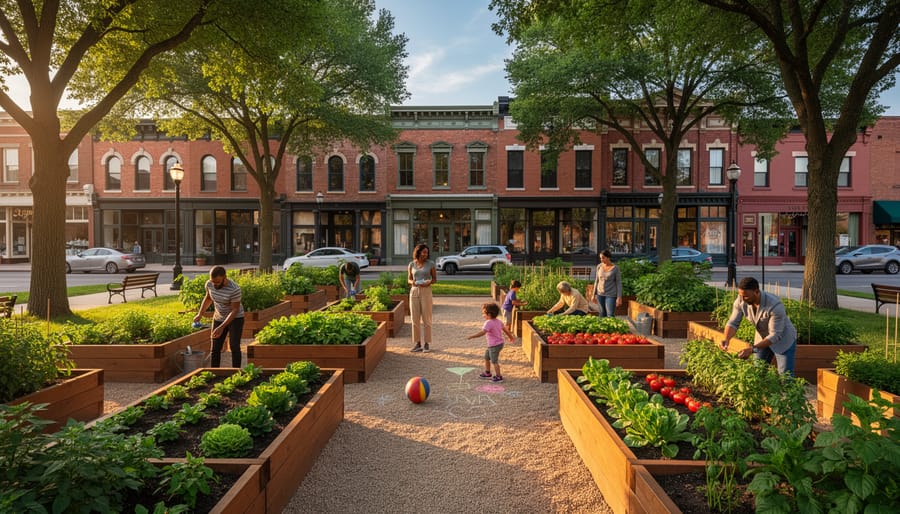
Create a simple shrine or meditation spot in your garden where you pause before planting or harvesting, establishing a personal ritual that connects you to the land. Mark it with a special stone, a small bench, or native plants that hold meaning for you. This practice mirrors what indigenous cultures have done for millennia in sacred groves—treating certain spaces as living temples where spiritual practice and ecosystem care become inseparable.
Transform one corner of your yard into an untouched sanctuary where you observe rather than intervene. Let wild plants establish themselves, watch native insects find shelter, and notice how nature organizes itself without human direction. Sacred ecologists understand that some spaces teach us more through restraint than action, offering lessons in patience and ecological balance that inform how we tend the rest of our gardens.
Practice speaking gratitude aloud to your plants as you work among them. Thank the tomato plant as you harvest its fruit, acknowledge the soil microbes you cannot see, address the earthworms enriching your beds. While it may feel unusual at first, this vocalized appreciation fundamentally shifts how you perceive your role—from garden master to garden participant, from resource extractor to relationship builder.
The wisdom of sacred ecology isn’t locked away in ancient texts or remote forests. It lives in every gardener who recognizes that thriving ecosystems depend on reverence as much as technique, on relationship as much as knowledge. When you approach your garden as sacred ground—not in a religious sense necessarily, but as space worthy of deep respect and careful attention—you join a lineage of land stewards who understood what modern science now confirms: ecosystems flourish when tended with both competence and humility.
What Are Sacred Groves and Why They Matter
The Dual Purpose of Sacred Spaces
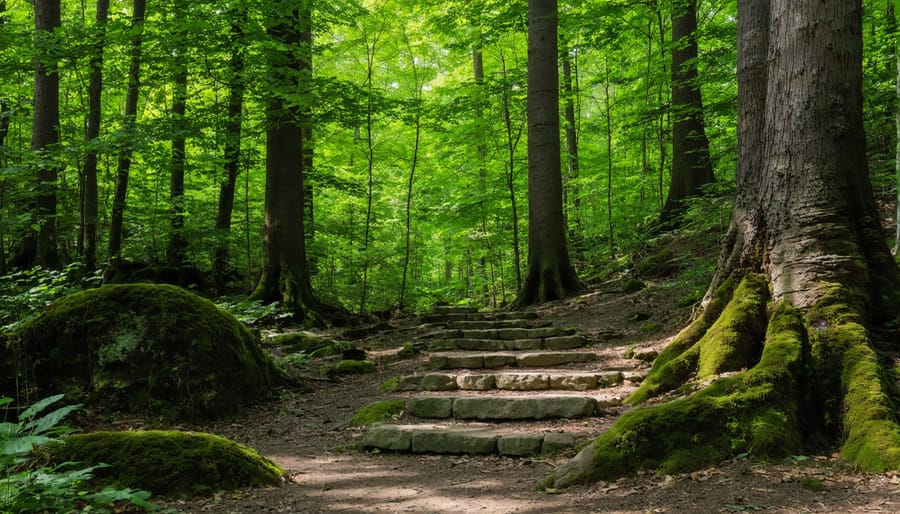
Sacred groves are nature’s perfect example of having your cake and eating it too. These protected patches of forest, revered for centuries by communities worldwide, quietly perform double duty that would make any multitasker jealous.
On the spiritual side, these spaces serve as living temples. Communities gather here for ceremonies, festivals, and moments of quiet reflection. The trees themselves are often considered divine, creating a natural sanctuary where people feel connected to something larger than themselves. This deep spiritual significance has kept these areas protected through generations, even when surrounding forests were cleared for development.
But here’s where it gets really exciting for us as gardeners and nature lovers: while fulfilling their sacred purpose, these groves have become accidental conservation heroes. Scientists have discovered that sacred groves often harbor species found nowhere else in the region. They’re like time capsules of biodiversity, preserving plants and animals that have disappeared from surrounding areas.
Think of them as nature’s storage units for carbon too. The mature trees in these undisturbed forests pull carbon dioxide from our atmosphere and lock it away in their trunks, roots, and soil. Some sacred groves in India, for instance, store more carbon per hectare than managed forests, simply because they’ve been left to grow naturally for centuries.
What’s remarkable is how this spiritual reverence created better conservation outcomes than many modern protected areas. The local communities who tend these spaces understand something we’re only now rediscovering: protecting nature and nurturing our souls aren’t separate activities. They’re beautifully intertwined, each one strengthening the other.
Where Sacred Groves Thrive Today
Around the world, sacred groves continue to flourish as living examples of faith-based conservation. In India, thousands of these protected forests dot the landscape, from the Dev Van groves of Himachal Pradesh to the Sarnas of Jharkhand. Each community guards their grove according to local traditions, creating incredibly diverse ecosystems that scientists are only now beginning to fully appreciate.
African sacred groves tell equally compelling stories. In Kenya’s Kaya forests, the Mijikenda people maintain coastal woodlands that harbor rare species found nowhere else. These groves serve as both spiritual centers and biodiversity hotspots, protecting everything from medicinal plants to endangered birds.
Japan’s Shinto shrines preserve ancient forest fragments within urban landscapes, offering pockets of wilderness where centuries-old trees thrive. The forests surrounding shrines like Ise Jingu demonstrate how reverence creates remarkable stewardship.
What’s truly inspiring is how each culture develops unique practices suited to their environment. Whether through taboos against cutting certain trees, seasonal gathering restrictions, or ritual offerings that reinforce conservation values, these communities show us that protecting nature can be deeply personal and spiritually meaningful. Their success offers practical wisdom we can adapt in our own gardens and local green spaces.
Who Are Sacred Ecologists?
The Philosophy Behind the Practice
At the heart of sacred ecology lies a profound shift in perspective: nature isn’t simply a resource to be managed, but a living community deserving reverence. This worldview, practiced by indigenous cultures for millennia and increasingly embraced by modern gardeners, recognizes that we’re part of nature’s fabric rather than separate from it.
The concept of interconnectedness forms the foundation of this philosophy. Every plant, insect, and microorganism in your garden plays a role in an intricate web of relationships. When you understand this, pulling weeds or applying pesticides becomes a more thoughtful decision. You begin asking, “How does this action ripple through my garden’s ecosystem?”
Sacred ecologists view themselves as stewards rather than owners. This distinction matters deeply. Stewardship implies responsibility and care for something greater than ourselves, acknowledging that we’re temporary caretakers of land that existed before us and will continue after. Many gardeners find this perspective liberating, removing the pressure of control and replacing it with partnership.
This philosophy naturally transforms gardens as sacred spaces where spiritual practice and ecological action merge. You might express this through morning garden rituals, offering gratitude before harvest, or simply pausing to observe the countless interactions happening in the soil beneath your feet. These practices aren’t about rigid rules but about cultivating awareness and respect for the living systems supporting us all.
Modern Sacred Ecologists in Action
Today’s sacred ecologists are breathing new life into ancient wisdom, and their work is truly inspiring. Let me share some wonderful examples that might spark ideas for your own garden journey.
The Tkaronto Native Women’s Association in Canada has created healing gardens that blend traditional indigenous plant knowledge with community gathering spaces. These gardens serve both ecological and spiritual purposes, providing native medicinal herbs while offering a peaceful sanctuary for ceremony and reflection. What strikes me most is how they involve youth in the planting process, passing down generations of plant wisdom.
On the Oregon coast, a group of Buddhist practitioners has transformed five acres into the Forest Refuge Garden, where meditation paths wind through native plant communities. They’ve removed invasive species and reintroduced over 80 native plants, creating what they call “walking meditation among the ancestors of the land.”
Closer to home, individual gardeners are making their mark too. Maria Gonzales, a master gardener in New Mexico, has spent fifteen years creating a backyard sacred space honoring her grandmother’s Mexican heritage. She grows traditional three sisters crops alongside a small altar area, demonstrating that sacred ecology doesn’t require vast land or special training.
Even small apartment balconies can become sacred spaces. Consider the rooftop containers of bee-friendly flowers that double as meditation spots, or windowsill herb gardens tended with mindful intention. The scale matters less than the reverence you bring to the practice.
What Gardeners Can Learn From Sacred Ecologists
Observation Over Intervention
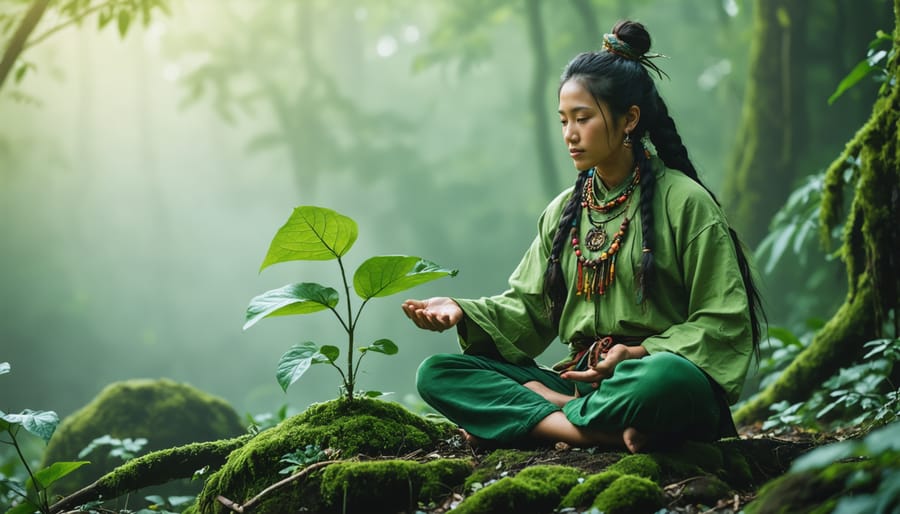
Before reaching for tools or amendments, sacred ecologists practice patient observation. This means spending time in your garden simply watching how sunlight moves across different areas, noticing which spots stay damp or drain quickly, and observing what insects and birds visit naturally. Traditional guardians of sacred groves understood that nature reveals its needs when we take time to listen.
Start by visiting your garden at different times of day for just ten minutes. Notice where plants thrive versus struggle. Are certain areas constantly battling weeds while others remain clear? These patterns tell you what your soil and microclimate naturally support.
This observation period might feel counterintuitive when you’re eager to plant, but it saves tremendous effort later. I’ve watched gardeners repeatedly replace struggling plants in the same spot, never pausing to ask why that location isn’t working. Meanwhile, observant gardeners work with their garden’s natural tendencies, choosing plants that match existing conditions rather than fighting to change them.
The result? Healthier gardens that practically tend themselves. When you align with what your space naturally wants to become, you’ll water less, fertilize less, and spend more time enjoying your garden rather than battling it.
Working With Native Species
Sacred groves serve as living libraries of indigenous plants, protecting species that have thrived in their regions for thousands of years. These protected spaces demonstrate what happens when plants grow in harmony with their natural environment, something home gardeners can replicate by choosing native species for their own landscapes.
When you work with native plants, you’re tapping into millions of years of adaptation. These species have evolved alongside local pollinators, understand your climate’s quirks, and require far less coddling than exotic imports. Sacred grove guardians never needed fertilizers or pesticides because the ecosystem naturally balanced itself, a lesson we can apply at home.
Start by observing which plants flourish in nearby natural areas or preserved spaces. Notice their companions, the soil they prefer, and how they change through seasons. This cultural plant heritage offers a blueprint for creating resilient gardens.
Local conservation groups often host native plant sales and can guide you toward species suited to your specific microclimate. Begin with a few key natives, perhaps a groundcover, a shrub, and a perennial. Watch how they establish themselves with minimal intervention, just like their wild relatives in sacred groves, building a foundation for a truly sustainable garden ecosystem.
Creating No-Disturb Zones
Creating your own no-disturb zone doesn’t require acres of land. Start by identifying a small corner of your garden, perhaps just a few square feet, where you’ll let nature take the lead. This could be behind a shed, along a fence line, or even a section of your flower bed.
Once you’ve chosen your spot, resist the urge to tidy it up. Allow fallen leaves to accumulate, creating natural mulch that feeds the soil and shelters ground-dwelling creatures. Let native plants self-seed and grow where they choose. You might be surprised by what volunteers appear when given the chance.
Mark your sacred zone with a simple border of stones or a small sign to remind yourself and family members that this space operates by different rules. I spoke with garden designer Maria Chen, who maintains a no-disturb zone in her urban backyard. “It became the most vibrant part of my garden within six months,” she shared. “The number of pollinators tripled, and I discovered three native plant species I’d never seen before.”
Visit your zone regularly to observe rather than intervene. Take photos to document the seasonal changes. You’ll quickly discover that doing less often means nature does more.
Creating Your Own Sacred Garden Space
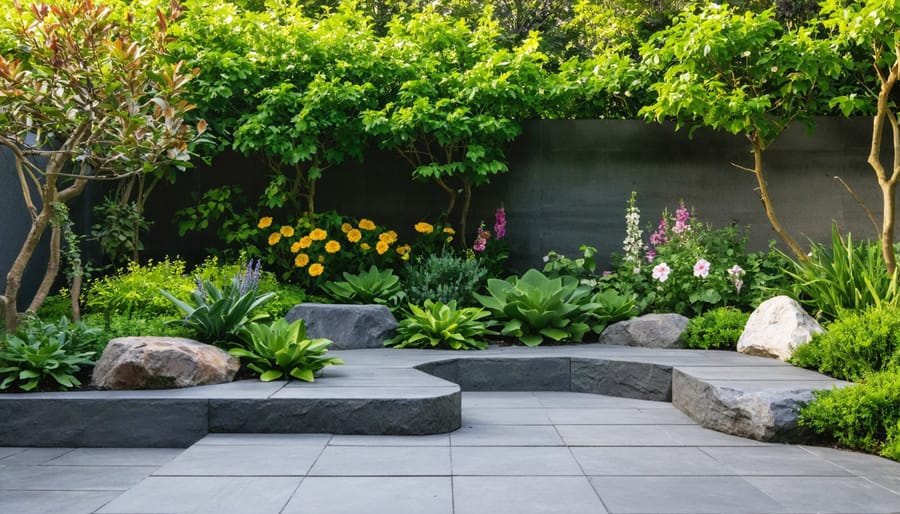
Start Small: Your Sacred Corner
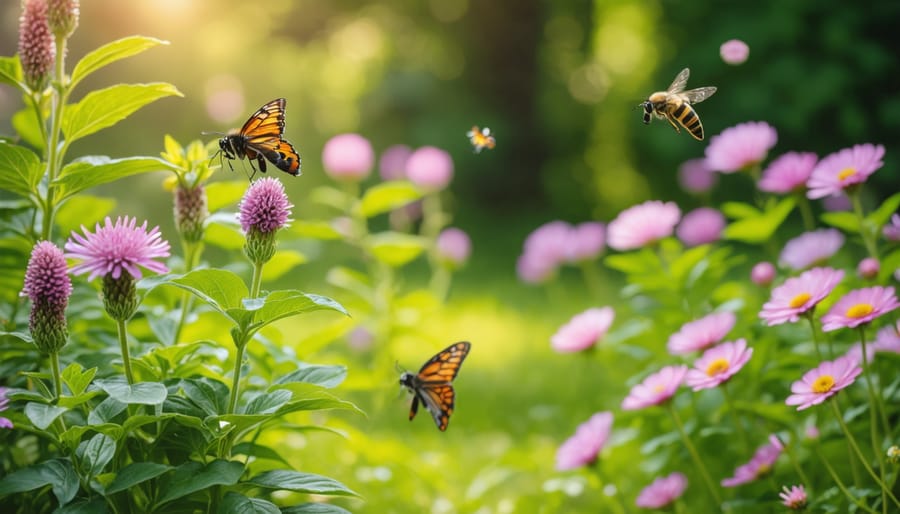
You don’t need acres of land to become a sacred ecologist. Start with what I call a “sacred corner”—a small, intentional space where nature and mindfulness meet. Even a 3×3 foot area can become your personal sacred garden sanctuary.
Begin by choosing your location thoughtfully. Look for a spot that feels naturally inviting—perhaps a quiet corner of your yard, a sunny patio space, or even a grouping of containers on your balcony. The key is selecting somewhere you’ll visit regularly, not a forgotten corner behind the shed.
For your initial setup, keep it simple. Clear the area gently, removing only what’s necessary while preserving existing beneficial plants. Add a comfortable sitting stone or small bench where you can pause and observe. Include three to five native plants that attract pollinators—you’re creating habitat, not just decoration.
I recommend starting with one meaningful element that represents your intention, whether it’s a water feature for birds, a flat stone for butterfly basking, or a host plant for local caterpillars. Let your sacred corner grow organically alongside your understanding of the ecosystem you’re nurturing.
Choosing Plants With Intention
Begin your meaningful plant selection by reflecting on what matters most to you. Perhaps you’re drawn to plants your grandmother grew, species that feed pollinators, or native varieties that once thrived in your area. This personal connection transforms gardening from a hobby into something deeper.
Native plants are natural starting points for sacred ecology. They’ve evolved alongside local wildlife, requiring less water and care while providing essential habitat. Research which species originally grew in your region before development. Many conservation groups offer free native plant lists specific to your area.
Heritage varieties carry stories worth preserving. These are plants our ancestors saved seeds from, generation after generation. Growing them honors that continuity while protecting genetic diversity. Seek out heirloom tomatoes, ancient grain varieties, or medicinal herbs with centuries of traditional use.
Consider each plant’s role in the larger ecosystem. Does it fix nitrogen in the soil? Attract beneficial insects? Provide winter seeds for birds? When you choose with intention, you’re not just creating a garden, you’re weaving yourself into the living web of your local landscape, becoming a true sacred ecologist.
Mindful Maintenance Practices
Tending a sacred space means working with nature’s rhythms rather than imposing our will upon them. Start with composting as a form of gratitude—returning what the garden gives back to the soil. Keep a simple compost bin near your sacred grove, adding kitchen scraps and garden trimmings mindfully. This closes the circle of life right in your own backyard.
Water conservation becomes a spiritual practice when you view water as precious. Collect rainwater in barrels, mulch heavily around plants to retain moisture, and choose native species adapted to your local rainfall patterns. These mindful garden practices honor the natural water cycle.
Embrace minimal intervention by resisting the urge to constantly prune, tidy, or “fix” your space. Let fallen leaves decompose where they land. Allow seed heads to stand through winter, feeding birds and adding structure. Step back and observe before acting—often the garden knows better than we do what it needs.
When you must intervene, do so gently and purposefully, asking yourself whether this action serves the ecosystem or merely satisfies your need for control. This restraint is where reverence truly lives.
Interview: A Modern Sacred Ecologist Shares Her Journey
We sat down with Maya Rodriguez, an environmental educator and permaculture gardener from Northern California, who has been practicing sacred ecology in her half-acre garden for over a decade. Her approach blends indigenous wisdom with modern growing techniques, creating a space that feeds both body and spirit.
“I didn’t start out calling myself a sacred ecologist,” Maya laughs, sitting among her thriving vegetable beds. “I just knew that conventional gardening felt disconnected somehow. When I learned about sacred groves and how indigenous cultures viewed plants as relatives rather than resources, everything clicked.”
Maya’s journey began after visiting a preserved sacred grove in India. “Seeing how communities protected those spaces for generations, not through laws but through reverence, completely changed how I viewed my own garden. I came home and started asking my plants what they needed instead of just telling them where to grow.”
This shift might sound mystical, but Maya translates it into practical terms. “Before planting anything new, I spend time in that spot. I observe the light patterns, feel the soil, notice what insects visit. It’s really just very attentive gardening, but approaching it as a conversation rather than a construction project.”
Her biggest challenge? “Our culture’s obsession with control and perfection,” she admits. “Learning to let go of the manicured lawn aesthetic was hard. My neighbors definitely had opinions when I replaced grass with native wildflowers.”
But the rewards have been profound. “My garden now requires a fraction of the water and work it used to need. Birds, bees, and butterflies have tripled. And honestly, I feel more peaceful here than anywhere else.”
Maya shares three practices anyone can start today:
First, create a small observation spot in your garden. “Just a bench or stone where you can sit quietly for ten minutes each week. You’ll notice patterns you’ve been missing.”
Second, learn the native plants of your region and their traditional uses. “This connects you to the land’s history and the people who cared for it before you. Plant at least three native species this year.”
Finally, establish a simple gratitude practice. “Before harvesting anything, I pause and say thank you. It sounds simple, but it fundamentally changes your relationship with what you’re growing. You start seeing abundance instead of scarcity.”
“Sacred ecology isn’t about being perfect or knowing ancient rituals,” Maya emphasizes. “It’s about approaching your garden as a living community you’re privileged to participate in, not dominate.”
You don’t need a sprawling forest or ancient grove to become a sacred ecologist. The truth is, this beautiful practice begins right where you are, in whatever garden space you call your own. Whether it’s a window box, a small backyard, or a few pots on a balcony, you can start cultivating that deep connection between respect for nature and hands-on care.
The magic happens when you shift your perspective. Instead of trying to control every aspect of your garden, try observing first. Watch how water moves through your space. Notice which creatures visit and when. Pay attention to the plants that volunteer themselves into your beds. These observations aren’t just interesting details; they’re conversations with your landscape, teaching you what your garden truly needs.
Start with one small change this week. Maybe it’s leaving a patch of ground unmulched for ground-nesting bees. Perhaps it’s choosing one native plant to add to your collection. Or simply spending five quiet minutes each morning in your garden, really listening and looking. There’s no rush and no perfection required here.
As you practice this blend of reverence and practical action, something wonderful unfolds. You’ll find yourself moving from gardener to steward, from owner to partner. The joy that comes from this relationship, watching your garden flourish as a living ecosystem rather than just a display, is genuinely transformative. Trust the process, trust your instincts, and trust that nature is the most patient teacher you’ll ever have.