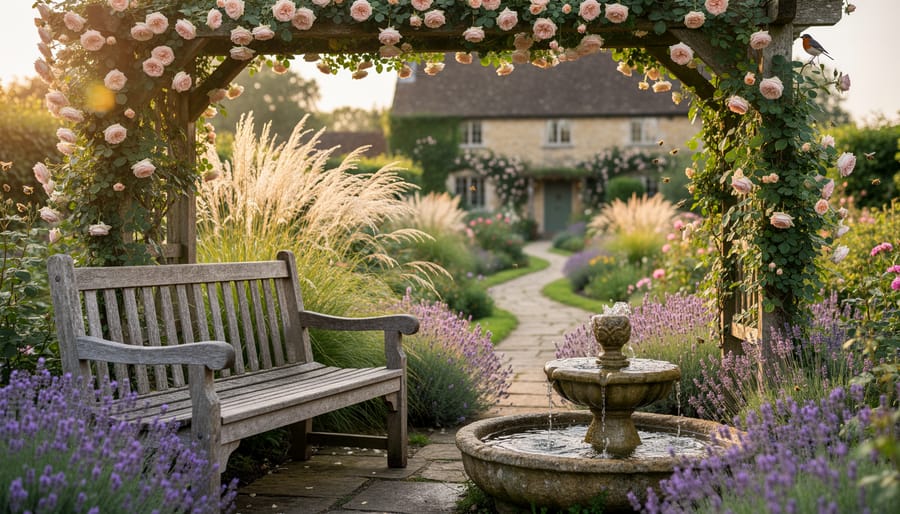
Transform your outdoor space into a natural stress-relief sanctuary by creating a zen garden that engages all your senses. Select a quiet corner with filtered sunlight, then layer fine gravel in geometric patterns that invite contemplative raking. Position carefully chosen rocks and minimal plantings like moss or small shrubs to create focal points that anchor your meditation practice. Add a simple wooden bench oriented toward the most serene view, ensuring your meditation spot remains inviting in all seasons.
The art of zen garden meditation transcends ordinary gardening, offering a profound connection between mindful cultivation and inner peace. Ancient Japanese masters understood that the simple act of maintaining a zen garden – from mindful raking to thoughtful plant selection – creates a natural rhythm that calms the mind and grounds the spirit. Whether you have a sprawling backyard or a modest patio, these timeless principles can transform any space into a meditation haven where daily stresses melt away and clarity emerges.
Essential Elements of a Meditation Garden
Selecting the Perfect Space
Creating a meditation garden starts with finding the perfect spot that speaks to your soul. Look for a quiet corner of your yard away from busy streets and noisy activities. Ideally, choose a location that receives gentle morning sunlight but offers some afternoon shade, creating a balanced environment for both plants and peaceful contemplation.
Consider the natural elements around you. A space backed by existing trees or shrubs can provide a sense of shelter and privacy, while areas with good drainage will ensure your garden thrives year-round. If possible, select a spot where you can hear natural sounds like birdsong or rustling leaves, which enhance the meditative experience.
Size isn’t as crucial as you might think – even a small 6×6 foot area can become a powerful meditation space. What matters most is that the location feels right to you and allows for comfortable seating. Pay attention to the surrounding views and consider how they might contribute to or detract from your meditation practice.
Before beginning construction, clear the area of debris and unwanted vegetation. Level the ground slightly, but don’t worry about making it perfectly flat – natural contours can add character to your zen garden.
Core Design Elements
A traditional zen garden, also known as karesansui, centers around a carefully curated collection of essential elements that work together to create a peaceful meditation space. By incorporating biophilic design principles, these gardens connect us deeply with nature while maintaining simplicity and tranquility.
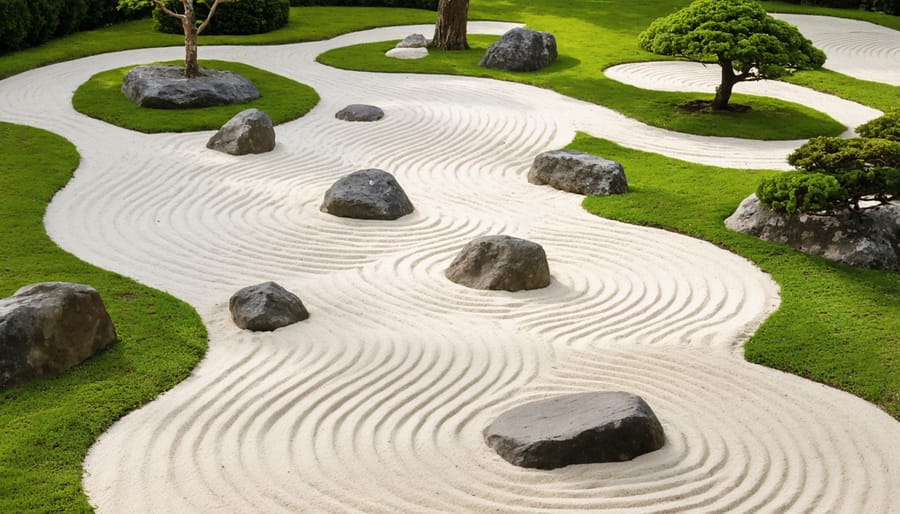
The foundation of any zen garden is carefully selected sand or fine gravel, typically in light, neutral colors. This represents water and creates a clean canvas for meditation. The sand is regularly raked in patterns that mimic ripples in water or ocean waves, with parallel lines being the most common design. This raking practice itself becomes a meditative ritual, helping to clear the mind and create order from chaos.
Rocks serve as the anchoring elements in zen gardens, chosen for their natural beauty and positioning. Usually arranged in odd-numbered groupings, these stones represent islands or mountains rising from the sea of sand. The key is to select rocks with interesting shapes and textures that feel naturally weathered rather than artificially polished.
Moss and small shrubs might appear in strategic locations, adding subtle touches of green without overwhelming the space. Unlike traditional gardens, zen gardens use vegetation sparingly, focusing instead on the interplay between empty space and carefully placed elements.
The garden’s borders are typically defined by simple wooden structures or bamboo fencing, creating a contained space that helps direct focus inward. This enclosure helps create a sense of sanctuary, separating the meditation space from the outside world while maintaining harmony with its surroundings.
Creating Your Meditative Garden Space
Natural Materials and Their Meanings
In a zen garden, every natural element carries deep symbolic meaning, creating a harmonious space that speaks to both the eye and the soul. Sand or gravel, often raked in flowing patterns, represents water and the continuous flow of life. These rippling patterns remind us that, like water, our thoughts should flow freely without becoming stagnant.
Rocks are the anchors of a zen garden, symbolizing islands of stability in life’s ever-changing current. Larger stones can represent mountains or distant islands, while smaller ones might symbolize the obstacles we learn to navigate in our daily lives. The careful placement of rocks helps create focal points for meditation and contemplation.
Moss brings a gentle touch of green to the garden, representing the passing of time and the beauty of aging gracefully. Its soft, velvety texture adds an element of living meditation, as moss grows slowly and requires patience – much like our own spiritual journey.
Bamboo, with its hollow stems and upright growth, symbolizes simplicity and strength through flexibility. It teaches us to bend with life’s challenges rather than break under pressure. Similarly, carefully pruned shrubs and trees represent the balance between nature and human intervention, showing how we can work with natural elements rather than against them.
Small stones or pebbles are often used to create borders or pathways, symbolizing the journey of life and spiritual growth. Their varied shapes and sizes remind us that every path is unique, just as each person’s meditation practice is deeply personal.
Plant Selection for Tranquility
Selecting the right plants for your zen garden is crucial for creating a space that promotes tranquility and deepens your meditation practice. The key is choosing plants that are both visually calming and low-maintenance, allowing you to focus on mindfulness rather than constant gardening tasks.
Japanese maples are excellent centerpiece trees, offering graceful shapes and soothing seasonal color changes. Their delicate leaves create gentle movement in the breeze, adding a natural meditation aid to your garden. For ground cover, consider moss varieties like cushion moss or sheet moss, which create a soft, green carpet that symbolizes permanence and stability.
Bamboo is another traditional choice that brings both visual and auditory elements to your meditation space. The gentle rustling of bamboo leaves provides a natural white noise that helps mask urban sounds. Choose clumping varieties rather than running bamboo to maintain better control over their growth.
For vertical interest, incorporate ornamental grasses like Japanese forest grass or silver feather grass. These plants sway gracefully in the wind and require minimal maintenance once established. Their movement can serve as a focal point during meditation, helping to quiet the mind.
Consider adding a few carefully placed flowering plants that bloom in soft, muted colors. Japanese iris, with its subtle purple blooms, or white cloud flowering cherry bring seasonal interest without disrupting the garden’s peaceful atmosphere. Hostas are perfect for shady areas, offering large, sculptural leaves that create a sense of calm through their simple forms.
Remember to group plants with similar water needs together and maintain adequate spacing to prevent overcrowding. This thoughtful arrangement not only creates visual harmony but also ensures your plants will thrive with minimal intervention, allowing you to focus on your meditation practice rather than garden maintenance.
For year-round structure, incorporate evergreen shrubs like Japanese holly or dwarf pine. These plants provide consistency and grounding elements that anchor your meditation space through all seasons, reinforcing the timeless nature of your zen garden.
Water Features and Sound Elements
The gentle sound of flowing water has long been recognized as one of the most soothing elements in meditation practice, making it an essential component of any zen garden. Water features create a natural white noise that helps mask urban disturbances while promoting a sense of tranquility and peace.
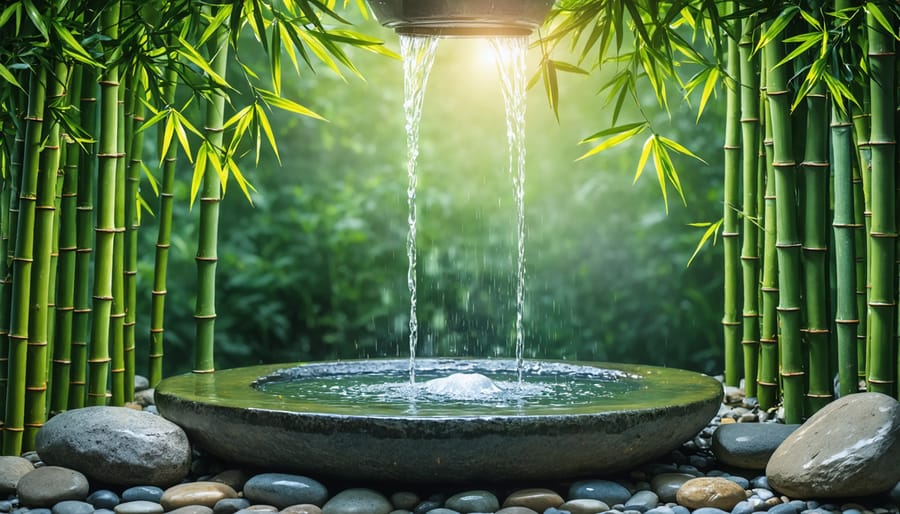
A simple bamboo fountain can serve as an excellent starting point. The rhythmic “dong” of bamboo striking stone creates a meditative percussion that grounds you in the present moment. For a more substantial installation, consider a small cascading waterfall that trickles over carefully arranged rocks, creating various water sounds that mimic a mountain stream.
Wind chimes add another layer of peaceful sounds to your meditation space. Traditional Japanese furin (glass wind bells) produce crisp, clear tones that dance with the breeze, while metal chimes offer deeper, more resonant notes. Position them strategically around your garden to create a gentle symphony of sounds that varies with the wind’s direction and intensity.
For those working with limited space or budget, a small tabletop fountain can be equally effective. The sound of water rippling over smooth river rocks can transform even a tiny corner into a meditation-worthy spot. Consider incorporating multiple sound elements at different heights and locations to create a three-dimensional soundscape that envelops you during meditation.
Remember that the goal isn’t to flood your garden with noise but to create subtle acoustic touches that enhance rather than dominate your meditation experience. The best water features and sound elements should blend naturally with the environment, becoming noticeable only when you consciously tune into them.
Meditation Practices in Your Garden
Simple Garden Meditation Techniques
Begin your garden meditation journey with these simple yet powerful techniques that anyone can practice. Find a comfortable spot in your garden where you feel most at peace – perhaps near flowing water, amid rustling leaves, or beside your favorite plants.
Start with the “Garden Grounding” technique: sit or stand comfortably, close your eyes, and take three deep breaths. Focus on the sensations beneath your feet, whether you’re feeling grass, stone, or soil. This connection to the earth helps center your mind and initiate mindful gardening practices.
Try the “Five Senses Garden Walk”: slowly stroll through your garden space, spending one minute focusing on each sense. Notice the colors and shapes around you, listen to birds and insects, feel different leaf textures, smell the flowers and herbs, and even taste an edible flower or herb (if you’ve grown them).
The “Peaceful Pruning” meditation involves mindfully tending to a single plant. Focus entirely on the plant before you, observing its needs and caring for it with gentle, deliberate movements. This practice combines meditation with practical garden maintenance.
For beginners, start with just five minutes of practice and gradually increase the duration as you become more comfortable. Remember, there’s no “perfect” way to meditate in your garden – the key is finding what brings you peace and connection to your space.
Seasonal Garden Meditation
Each season brings unique opportunities to deepen your meditation practice in your zen garden. As nature cycles through its changes, you can adapt your meditation approach to embrace the distinct qualities of each season.
In spring, focus on the awakening energy around you. Watch as new shoots emerge and buds unfold. This is an ideal time for morning meditation sessions, when you can witness the garden coming to life with the rising sun. The gentle spring breeze and bird songs create a perfect backdrop for mindful breathing exercises.
Summer invites you to practice meditation during cooler hours, either early morning or late evening. Use the abundant natural light to observe the intricate details of your garden – the play of shadows, the movement of leaves, and the various textures of plants. The warmth and vitality of summer encourage longer meditation sessions.
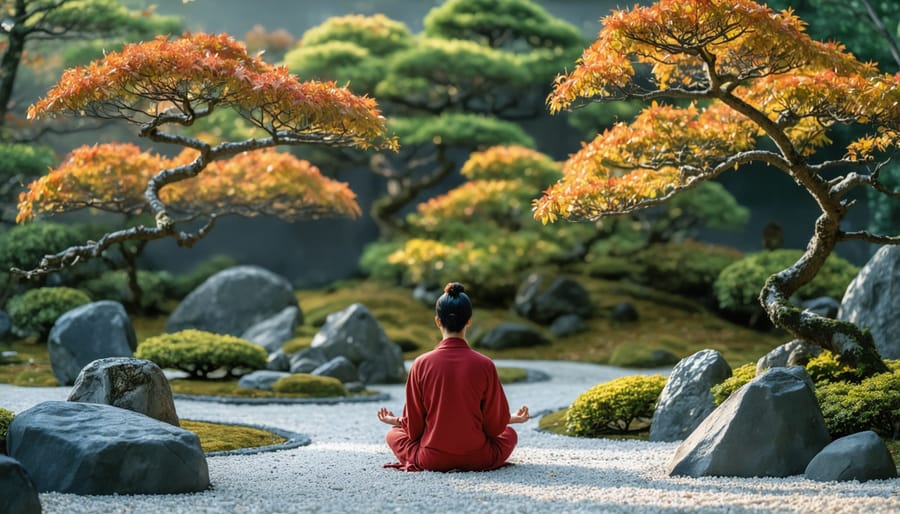
Autumn meditation centers on transformation and letting go. As leaves change color and fall, incorporate walking meditation through your garden, mindfully observing the natural cycle of release. The crisp air and golden light create perfect conditions for contemplative practices.
Winter offers a unique perspective on stillness. Snow-covered rocks and bare branches remind us of the beauty in simplicity. Indoor viewing areas become especially valuable during this season, allowing you to maintain your practice while staying warm. Focus on the subtle movements of winter birds and the stark elegance of your garden’s basic structure.
Creating and maintaining a zen meditation garden offers a remarkable pathway to inner peace and mindfulness in our busy lives. As we’ve explored throughout this article, these sacred spaces provide more than just aesthetic beauty – they offer a dedicated sanctuary for meditation, reflection, and personal growth. The proven mental health benefits of garden spaces are amplified in a zen garden setting, where every element is purposefully designed to promote tranquility and mindful awareness.
Whether you’ve created a small desktop garden with a few carefully placed rocks and patterns in the sand, or developed an extensive outdoor space with water features and carefully pruned plants, your zen garden serves as a living reminder to pause and connect with the present moment. The simple act of raking patterns in the sand or maintaining your garden’s elements becomes a meditation in itself, helping to quiet the mind and reduce stress.
The beauty of a zen meditation garden lies in its adaptability – it grows and evolves with your practice, becoming more meaningful as you develop a deeper connection with the space. As you continue to tend to your garden and use it for meditation, you’ll discover that it becomes not just a place for formal practice, but a constant source of inspiration, peace, and grounding in your daily life.