Biodiversity transforms an ordinary garden into a thriving ecosystem where every plant, insect, and microorganism plays a vital role. Like a well-conducted orchestra, the three components of biodiversity—genetic, species, and ecosystem diversity—work in perfect harmony to create resilient and productive gardens. Genetic diversity provides the building blocks for adaptation and survival, species diversity ensures natural pest control and pollination, while ecosystem diversity creates the intricate web of relationships that sustains all life in your garden.
Understanding these components isn’t just about preserving nature—it’s about creating more successful, sustainable gardens that require less maintenance and provide better yields. Whether you’re planning a small herb garden or managing a large permaculture plot, mastering these biodiversity principles will help you work smarter, not harder, while contributing to the health of our planet’s ecosystems.
Let’s explore how these three fundamental components can transform your garden into a self-sustaining paradise.
Species Diversity: The Foundation of Your Garden’s Health
Complementary Plant Partnerships
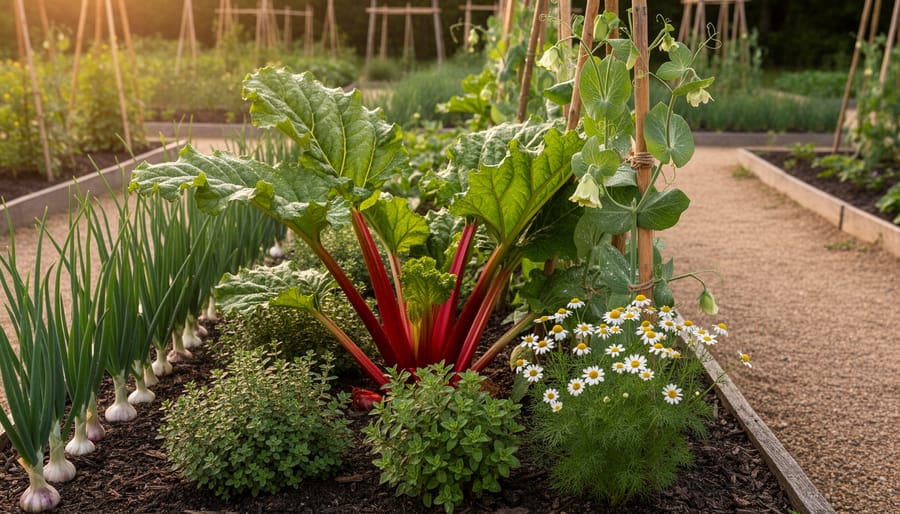
Nature has perfected the art of complementary plant combinations, and gardeners can learn from these natural partnerships. The classic “Three Sisters” planting method, developed by Indigenous peoples, combines corn, beans, and squash. The corn provides a natural trellis for the beans, while the beans fix nitrogen in the soil, and the squash’s broad leaves shade the ground to retain moisture and prevent weeds.
Another wonderful partnership exists between marigolds and tomatoes. Marigolds’ strong scent repels harmful nematodes and other pests that might damage tomato plants, while their bright flowers attract pollinators. Herbs like basil planted near tomatoes not only enhance the tomatoes’ flavor but also help deter unwanted insects.
Carrots and onions make excellent garden companions. Onions’ strong scent masks the sweet smell of carrots that typically attracts carrot flies, while carrots help break up the soil for onion bulb development. Similarly, nasturtiums act as a sacrificial plant when planted near brassicas (like cabbage and broccoli), drawing away destructive cabbage white butterflies.
These natural partnerships demonstrate how plants can support each other’s growth, enhance pest resistance, and improve overall garden health without the need for chemical interventions.

Beyond Plants: Including Beneficial Insects
While a diverse plant selection forms the foundation of a healthy garden ecosystem, the real magic happens when beneficial insects join the party. These tiny garden allies transform your space into a vibrant, self-regulating environment that naturally keeps pest populations in check through natural pest control methods.
Flowering plants like yarrow, dill, and marigolds attract beneficial predatory insects such as ladybugs, lacewings, and parasitic wasps. These helpful creatures feast on common garden pests like aphids, caterpillars, and spider mites. For instance, a single ladybug can devour up to 5,000 aphids in its lifetime – now that’s what I call efficient pest management!
Ground beetles, another valuable ally, patrol your garden at night, hunting slugs and other soil-dwelling pests. By maintaining areas with leaf litter and stone mulch, you create perfect hiding spots for these nocturnal defenders.
Don’t forget about our precious pollinators! Bees, butterflies, and even some species of flies play crucial roles in fruit and vegetable production. By including plants that bloom throughout the growing season, you’ll ensure these beneficial insects stick around. Try planting borage, calendula, and sweet alyssum to create an inviting habitat that keeps these helpful garden friends coming back year after year.
Remember, a garden buzzing with beneficial insects is a sign of a healthy, balanced ecosystem where nature does most of the pest control work for you.
Genetic Diversity: Building Resilience in Your Garden
Choosing Different Varieties
When selecting plant varieties for your garden, think beyond just choosing different species. True variety comes from incorporating plants with diverse characteristics and growth patterns. Start by mixing plants with different root depths – some shallow-rooted herbs alongside deep-rooted vegetables like tomatoes or carrots. This maximizes soil usage and reduces competition for nutrients.
Consider selecting plants that bloom at different times throughout the season. This approach not only creates a continuously colorful garden but also provides consistent food sources for pollinators. Include both early bloomers like crocuses and late-season flowers such as asters.
Heritage or heirloom varieties add another layer of diversity while helping preserve genetic variations that might otherwise be lost. These traditional varieties often offer unique flavors and characteristics not found in modern hybrids. Mix them with contemporary cultivars to create a robust garden ecosystem.
Don’t forget to include plants with varying heights and growth habits. Tall sunflowers can provide shade for heat-sensitive lettuce, while sprawling squash plants can act as living mulch beneath corn stalks. This vertical diversity creates multiple microclimates within your garden, supporting a wider range of beneficial insects and wildlife.
Finally, choose plants with different pest and disease resistances to ensure your garden remains productive even if one variety faces challenges.

Heritage and Modern Varieties Together
The beauty of modern gardening lies in finding the perfect balance between heritage varieties and their contemporary counterparts. Heritage plants, passed down through generations, carry unique genetic traits and often boast superior flavor profiles and natural disease resistance. Meanwhile, modern varieties offer improved yields, specific disease resistance, and adaptability to current climate challenges.
Consider growing both types in your garden to maximize benefits. For example, pair classic Brandywine tomatoes, known for their rich, complex flavor, with modern disease-resistant hybrids that ensure a reliable harvest. This approach not only preserves genetic diversity but also provides a safety net for your garden’s success.
Many experienced gardeners maintain seed libraries combining both old and new varieties, creating a living laboratory of plant diversity. This practice helps preserve rare genetics while taking advantage of modern breeding achievements. When planning your garden, aim for a ratio of about 60% modern varieties to 40% heritage plants – this provides a solid foundation while keeping traditional varieties alive for future generations.
Remember that both heritage and modern varieties have their place in sustainable gardening. Their combination creates a resilient garden ecosystem that can better withstand environmental challenges while preserving important genetic resources.
Ecosystem Diversity: Creating Garden Layers
Vertical Layering Techniques
Creating a garden that mimics nature’s vertical layers is like building a living skyscraper of biodiversity. By implementing smart vertical gardening techniques, you can maximize your growing space while supporting various plant communities.
Start with ground covers like creeping thyme or sweet woodruff as your foundation layer. These plants protect the soil, retain moisture, and create habitat for beneficial insects. Above them, add low-growing herbs and flowers such as calendula or compact vegetables like bush beans.
The middle layer is perfect for medium-height plants like peppers, eggplants, and flowering perennials. These plants create essential structure in your garden while offering different feeding zones for pollinators. Consider adding plants with various leaf shapes and sizes to create diverse microclimates.
For the uppermost layer, incorporate tall plants such as sunflowers, climbing beans, or trellised tomatoes. These vertical elements not only maximize space but also provide shade and support for lower-growing companions. Don’t forget to include climbing vines like passion flower or runner beans, which can connect different layers while adding visual interest.
Remember to leave some open spaces between layers to ensure adequate airflow and sunlight penetration. This layered approach creates a more resilient garden ecosystem where plants support each other naturally, just as they would in the wild. As your vertical garden develops, you’ll notice increased wildlife activity and improved overall garden health.

Seasonal Succession Planning
Successful seasonal succession planning ensures your garden remains vibrant and productive throughout the growing season while supporting diverse plant life. Think of it as choreographing a beautiful dance where different plants take center stage at various times of the year.
Start by mapping out your garden’s growing timeline, identifying early spring, summer, and fall crops. Early spring might see peas and lettuce varieties, while summer brings tomatoes and peppers, followed by autumn squashes and root vegetables. This staged approach not only maximizes your garden’s productivity but also provides continuous habitat and food sources for beneficial insects and pollinators.
Layer your plantings both in time and space. As spring crops finish, have summer seedlings ready to take their place. Consider the vertical space too – plant tall sunflowers that will later support climbing beans, while shorter herbs grow beneath. This creates multiple layers of biodiversity within the same garden space.
Don’t forget to include flowers throughout your succession plan. Marigolds, zinnias, and cosmos not only add beauty but also attract beneficial insects and support soil health. Plan for some overlap between seasons, ensuring there’s always something blooming or growing in your garden.
Remember to save some space for spontaneous volunteers – those self-seeding plants that pop up naturally. These unexpected additions often contribute to your garden’s biodiversity and can be pleasant surprises in your seasonal planning.
By implementing all three components of biodiversity in your companion planting strategy, you’ll create a thriving garden ecosystem that benefits both your plants and the environment. The combination of genetic diversity through different plant varieties, species diversity with multiple plant families, and ecosystem diversity across various garden zones works together harmoniously to create a more resilient and productive growing space.
When these components work in tandem, you’ll notice fewer pest problems, improved soil health, and better crop yields. Your garden becomes a haven for beneficial insects, creates natural pest control systems, and develops stronger disease resistance. The layered approach also makes the most efficient use of available space, with plants supporting each other’s growth through complementary root systems and nutrient sharing.
Remember that you don’t need to implement everything at once. Start small by introducing a few companion plants, then gradually expand your biodiversity as you become more comfortable with the concepts. The beauty of this approach is that it mimics nature’s own design, creating a sustainable and low-maintenance garden that gets better with each growing season.