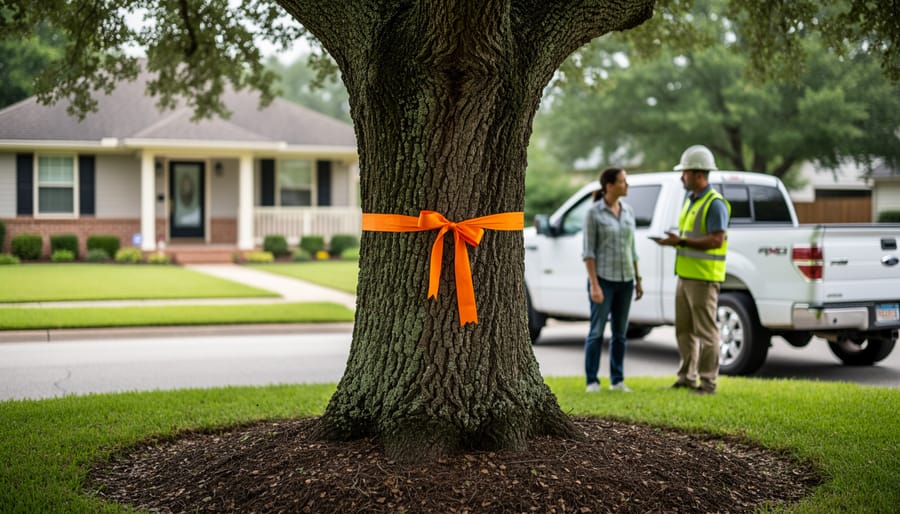
If you’re planning to remove a tree from your Kirkland property, you’ll need a permit for any regulated tree measuring 6 inches or greater in diameter at breast height (DBH). The City of Kirkland requires either a Tree Removal Notification or Permit before you can legally remove most trees on your property, and understanding this process upfront will save you time, money, and potential headaches down the road.
The permit system exists to balance urban growth with maintaining Kirkland’s healthy tree canopy. The city currently charges $600 for standard tree removal permits (plus a 3.5% online processing surcharge), while landmark trees (those measuring 26 inches DBH or larger) require a $300 permit with the same surcharge. If mitigation trees are required as part of your approval, expect an additional $305 mandatory recording fee. All applications must be submitted online through, which streamlines what used to be a paper-heavy process.
While these fees might seem steep compared to tree removal permits in other municipalities, they reflect Kirkland’s commitment to urban forestry. The good news? Once you understand what triggers permit requirements and how the application works, the process becomes straightforward. Whether you’re dealing with a hazardous tree threatening your home or clearing space for a garden expansion, knowing the rules helps you plan your project confidently and legally.
When You Need a Permit in Kirkland
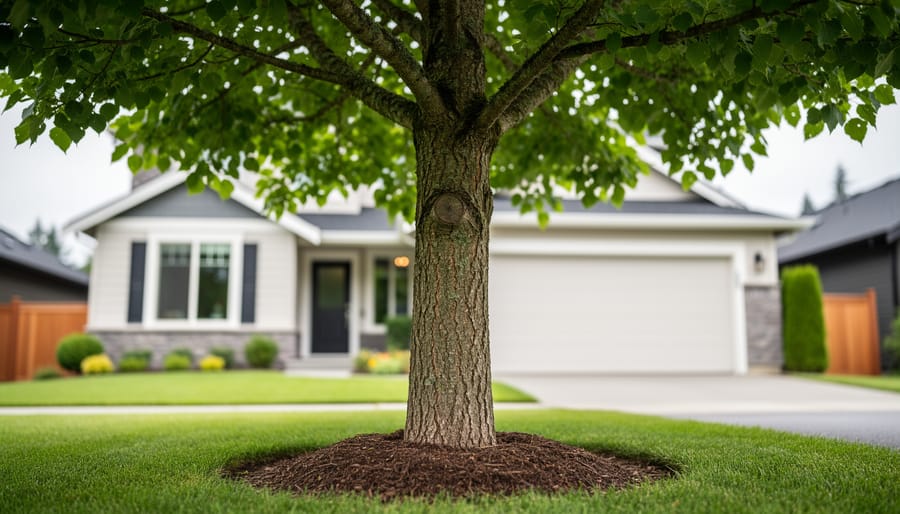
In Kirkland, you’ll need a permit to remove any regulated tree that measures 6 inches or more in diameter at breast height. DBH is simply the tree’s diameter measured at 4.5 feet above the ground, roughly chest height for most adults. To measure it yourself, wrap a flexible measuring tape around the trunk at that height, divide the circumference by 3.14, and you’ll have your DBH. This measurement determines whether your tree falls under the city’s permit requirements.
The 6-inch threshold isn’t arbitrary. Trees at this size have typically been growing for several years and contribute meaningfully to Kirkland’s urban canopy, providing shade, filtering stormwater, cleaning air, and supporting wildlife. By requiring permits at this stage, the city ensures that mature trees aren’t removed impulsively while still giving property owners reasonable flexibility to manage younger or smaller specimens without bureaucratic hurdles.
Kirkland takes an additional step to protect its most significant trees by designating those 26 inches DBH or larger as landmark trees. These are the towering specimens that define neighborhood character and provide outsized environmental benefits. A landmark tree might be 50 or 100 years old, representing decades of growth that can’t be quickly replaced. The city applies different permit fees and heightened scrutiny to landmark removals, recognizing their irreplaceable value to the community.
This two-tier system reflects Kirkland’s balanced approach to urban forestry. The regulations acknowledge that trees sometimes need removal for legitimate reasons, safety hazards, disease, construction projects, while ensuring those decisions happen thoughtfully. You’re not forbidden from managing your property, but the city asks you to pause, document your reasons, and consider alternatives before removing trees that took years to establish. It’s about maintaining the green character that makes Kirkland livable while respecting property owners’ practical needs.
Understanding Kirkland’s Tree Removal Fees
Kirkland’s tree removal fees reflect the city’s commitment to protecting its urban forest while allowing necessary tree management. The costs are structured to support urban forestry programs and encourage property owners to carefully consider whether removal is truly needed.
The base permit fees vary by tree type. For a standard regulated tree (6 inches DBH or greater), you’ll pay $600 plus a 3.5% surcharge, bringing the total to $621. Landmark trees, those impressive specimens measuring 26 inches DBH or more, have a lower base fee of $300 plus the same 3.5% surcharge, totaling $310.50. This lower fee for landmark trees recognizes their significance while still requiring formal review.
| Permit Type | Base Fee | Surcharge (3.5%) | Recording Fee | Total |
|---|---|---|---|---|
| Standard Tree Removal | $600 | $21 | $305 (if mitigation required) | $621 or $926 |
| Landmark Tree Removal | $300 | $10.50 | $305 (if mitigation required) | $310.50 or $615.50 |
Here’s where costs can add up: if your permit requires mitigation trees, you’ll pay an additional mandatory recording fee of $305. Mitigation simply means planting replacement trees to maintain Kirkland’s tree canopy when one is removed. The city tracks these requirements through official recording, ensuring the new trees are actually planted and maintained.
These aren’t small amounts, and that’s intentional. The fees help fund Kirkland’s urban forestry programs, from tree inventories to public education. More importantly, they encourage thoughtful decision-making. Before spending several hundred dollars, most homeowners carefully evaluate whether pruning or other alternatives might solve their concerns. This pause often protects healthy trees that contribute to property values, air quality, and the community’s green character for years to come.
How to Apply for a Tree Removal Permit
Applying for a tree removal permit in Kirkland is more straightforward than many homeowners expect. The city has streamlined the process through an online system that handles everything from initial submission to final approval.
All tree removal forms must be submitted through . Kirkland uses this online platform to make the permit process more efficient and transparent while maintaining better records of tree canopy changes across the city. You’ll create an account, select the tree removal permit type you need, and complete the application digitally.
Before you start your application, measure the tree’s diameter at breast height to confirm it falls under the regulated category (6 inches DBH or greater). Take clear photos of the tree from multiple angles, showing its overall condition, proximity to structures, and any visible issues like disease or damage. Document the tree’s location on your property, which you can often do with a simple sketch or property map showing where the tree sits relative to your lot lines and buildings.
You’ll need your property’s parcel number, which appears on your tax statement and helps the city verify that you own the property where the tree stands. The online system will guide you through describing why you want to remove the tree and uploading your supporting documentation.
The application requires payment of the permit fee, which varies based on tree size. Standard tree removal permits cost $600 plus a 3.5% surcharge. Landmark trees (26 inches DBH or larger) have a reduced permit fee of $300 plus the same surcharge, though they face additional scrutiny during review. If the city determines that mitigation trees are required to replace what you’re removing, you’ll also pay a mandatory $305 recording fee to document the replanting obligation.
The online system lets you track your application’s progress and receive updates as the city reviews your request.
Why Kirkland Regulates Tree Removal
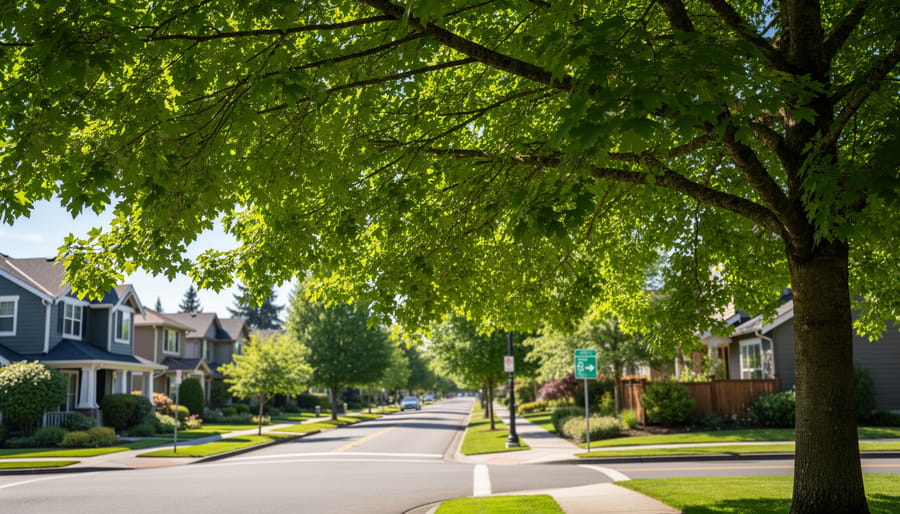
Kirkland’s tree removal regulations aren’t about creating hurdles for property owners, they’re about preserving what makes the city a desirable place to live. Like many Pacific Northwest cities experiencing rapid growth, Kirkland uses its tree code and permit system to balance urban development with maintaining a healthy, resilient urban forest that benefits everyone.
Trees do more for your neighborhood than just look pretty. They filter air pollutants, reduce stormwater runoff that can overwhelm drainage systems, moderate summer temperatures, and provide critical habitat for birds and wildlife. When you remove a mature tree without thoughtful consideration, you’re not just changing your yard, you’re affecting the entire block’s microclimate and environmental health.
Kirkland regulates tree removal, pruning, and retention on development sites specifically to protect the community’s canopy cover while allowing necessary tree management. The city’s approach targets trees at 6 inches DBH or greater, with extra protections for landmark trees (26 inches DBH and up) that took decades to reach their size. This isn’t arbitrary bureaucracy; larger trees provide disproportionately greater environmental benefits, and once they’re gone, no amount of saplings can immediately replace what’s lost.
The permit system also helps the city manage risk intelligently. By reviewing removal requests, officials can identify patterns, prevent unnecessary clearing, and ensure that when trees do come down, property owners plant replacements that sustain Kirkland’s green infrastructure for future generations.
You’re part of that system now, someone who cares enough to understand the rules rather than ignore them. That makes you a steward of Kirkland’s urban forest, whether you thought of yourself that way before or not.
Expert Perspective: A Conversation with a Kirkland Arborist
I’ve worked with Kirkland’s tree code for over fifteen years, and the question I hear most often isn’t whether a tree requires a permit, it’s whether removal is really necessary. Many homeowners call convinced they need to take down a tree, but after a site visit, we find that selective pruning or crown thinning solves the problem completely.
Safety concerns drive most permit applications, and rightfully so. A Douglas fir leaning toward your house after a windstorm or a bigleaf maple with significant root decay absolutely warrants removal. But I also see permits for trees that are simply messy or blocking a view. Those applications face tougher scrutiny because the city’s balancing individual property needs against community forest health.
Here’s what I tell homeowners: before you apply, document everything. Take clear photos showing the tree’s condition from multiple angles. If you’re concerned about disease or structural issues, hire a certified arborist to assess it and provide a written report. The city reviewers appreciate evidence that you’ve done your homework. A good arborist report explaining why a tree poses genuine risk or why it can’t be pruned back to safety carries real weight in the approval process.
The DBH threshold catches people off guard sometimes. Six inches doesn’t sound large, but it’s measured at chest height, roughly four and a half feet up from the ground. That mature cherry tree in your backyard that seems mid-sized? It probably exceeds six inches and requires a permit.
My advice for navigating the system: start early, especially if you’re planning landscaping or construction. The review process takes time, and rushing leads to frustration. Be honest in your application about why you want the tree removed. Reviewers can tell when someone’s invented safety concerns to justify a removal that’s really about aesthetics. If you need to remove a healthy tree for a legitimate reason, maybe you’re adding an accessible ramp, explain that clearly and expect to plant mitigation trees. The city wants to work with you, but they also want Kirkland to stay green.
What Happens After You Submit Your Application
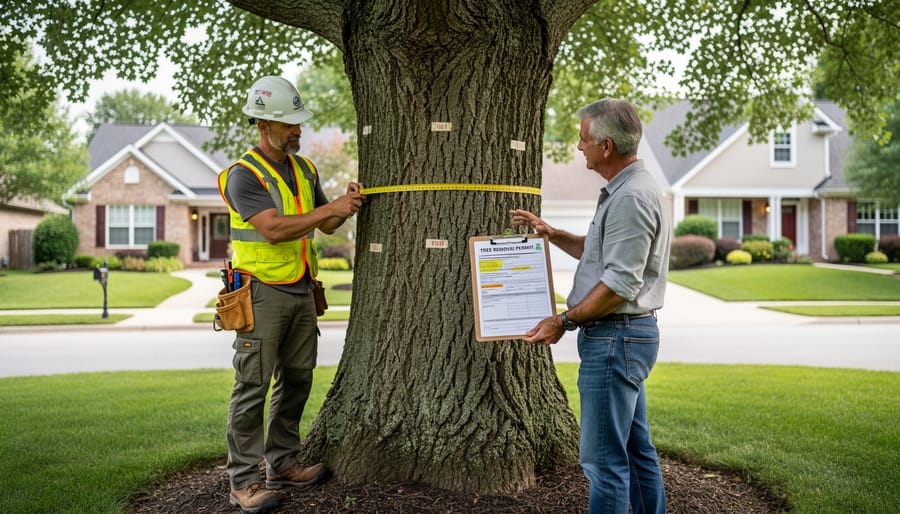
Once you submit your tree removal application through, the city’s planning staff will review your request to ensure it aligns with Kirkland’s urban forestry regulations. The review process involves evaluating the tree’s condition, location, and whether removal is justified based on safety concerns, structural conflicts, or other valid reasons.
In some cases, a city arborist or inspector may schedule a site visit to assess the tree firsthand. This isn’t an adversarial step, it helps staff make informed decisions and understand your specific situation. They’ll examine the tree’s health, measure its DBH if needed, and evaluate any documented risks or property impacts you’ve described in your application.
If your permit is approved, you’ll receive authorization to proceed with removal. However, many approvals come with mitigation requirements, meaning you’ll need to plant replacement trees to offset the canopy loss. The number and size of replacement trees depend on the removed tree’s diameter and condition. These newly planted trees must meet city specifications, and you’ll pay the mandatory $305 recording fee to document the mitigation plan.
To strengthen your application, provide clear documentation of any safety hazards, structural damage, or disease affecting the tree. Photos, arborist reports, and contractor assessments add credibility. Remember, Kirkland’s review process aims to balance property needs with environmental stewardship, not to deny reasonable requests outright.
Common Questions About Kirkland Tree Removal Permits
Can I remove a tree myself once I have a permit?
Yes, once your permit is approved, you can remove the tree yourself if you’re comfortable doing so. However, many homeowners hire certified arborists or tree removal professionals for safety reasons, especially for larger trees.
What if my tree is diseased or dangerous?
Diseased or hazardous trees still require permits in Kirkland if they’re 6 inches DBH or larger. The city evaluates these situations during the permit review process, and emergency removals may be handled differently for immediate safety threats. Consider consulting resources on how to save sick trees before deciding removal is necessary.
How do I measure DBH?
DBH stands for diameter at breast height. Measure the tree’s diameter at 4.5 feet above the ground on the uphill side. For trees with multiple trunks, measure each trunk separately and combine the measurements according to city guidelines.
What are mitigation trees?
Mitigation trees are replacement trees you’re required to plant when you remove regulated trees. They help maintain Kirkland’s urban canopy and offset the loss of existing tree coverage. The mandatory $305 recording fee applies to all required mitigation trees.
Do I need a permit for pruning?
Kirkland regulates tree pruning as part of its urban forestry protection codes, particularly on development sites. For routine maintenance pruning on established residential properties, permits typically aren’t required, but understanding proper tree pruning methods helps keep your trees healthy and reduces the chance you’ll need removal permits down the road.
These questions represent the concerns most homeowners have when they first encounter Kirkland’s tree regulations. If you’re uncertain about your specific situation, contacting the city’s planning department before you start any tree work can save time and prevent violations. The staff can clarify whether your project needs a permit and walk you through the application requirements.
Navigating Kirkland’s tree removal permit system might seem daunting at first, but it’s designed to protect the urban forest while respecting your needs as a property owner. By measuring your trees to determine if they’re 6 inches DBH or larger, understanding the fee structure, and submitting your application online at, you’re taking the right steps toward responsible tree management. The permit process exists not to create obstacles, but to ensure that every tree removal serves a genuine purpose and that our shared canopy remains healthy for years to come. When you work within this system, you’re doing more than following regulations, you’re helping preserve the green spaces that make Kirkland a beautiful place to call home for future generations.