Choose vegetables that match your climate zone and growing season length—tomatoes and peppers need long, warm summers, while lettuce and spinach thrive in cooler conditions and can handle light frosts. Test your soil pH before planting, as most vegetables prefer a range between 6.0 and 7.0; amend acidic soil with lime or alkaline soil with sulfur to create optimal growing conditions. Position your garden where it receives at least six to eight hours of direct sunlight daily, avoiding areas shaded by trees or buildings that will limit photosynthesis and fruit production.
When starting a vegetable garden, you’re embarking on one of the most rewarding outdoor activities you can pursue. The difference between a struggling garden and a thriving one often comes down to following proven techniques at the right times. I’ve spoken with experienced growers who emphasize that success isn’t about having a green thumb—it’s about understanding what your plants need and when they need it.
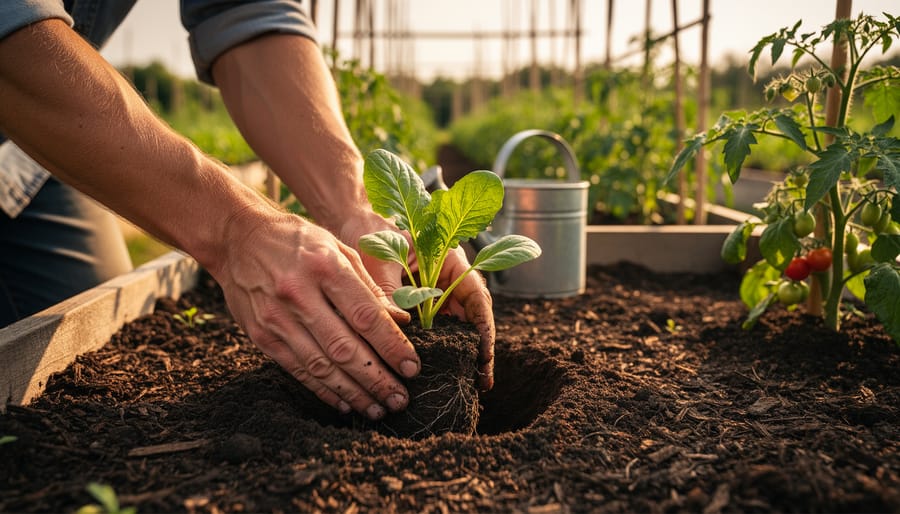
Your soil quality determines everything that follows. Mix in three to four inches of compost or well-rotted manure before planting to improve drainage, add nutrients, and encourage beneficial microorganisms that protect plant roots. Space plants according to their mature size rather than how they look as seedlings; crowded vegetables compete for nutrients and airflow, leading to disease and reduced harvests.
The advice ahead draws from both scientific research and the wisdom of gardeners who’ve spent decades perfecting their craft, giving you a clear roadmap from preparing your first bed to harvesting your best crop yet.
The Foundation: Getting Your Soil Right Before You Plant
What Expert Gardeners Know About Soil Testing
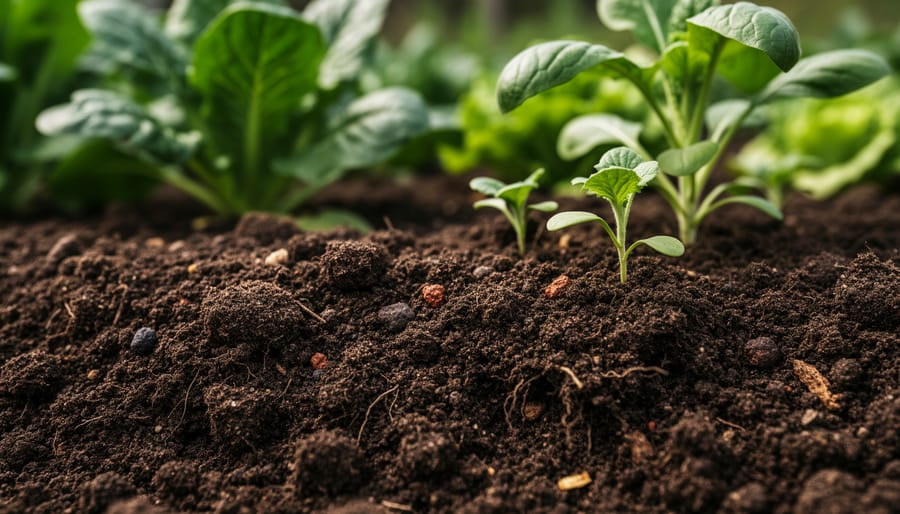
Think of soil testing as getting a health checkup for your garden—it takes the guesswork out of what your vegetables truly need. I learned this lesson after years of adding fertilizers blindly, only to discover my soil already had plenty of certain nutrients but was severely lacking in others.
The best time to test is in fall or early spring, giving you plenty of time to adjust before planting season. You can pick up an inexpensive test kit from your local garden center, or for about $20-30, send a sample to your county extension office for more detailed results.
Here’s what matters most: focus on pH level first. Most vegetables thrive between 6.0 and 7.0, so if your number falls outside this range, that’s your priority. Next, look at nitrogen, phosphorus, and potassium levels. Don’t panic if something’s low—the report usually includes straightforward recommendations like “add compost” or “apply lime.”
Master gardener Susan Chen puts it perfectly: “Soil testing isn’t about being a soil scientist. It’s about knowing exactly what your garden needs instead of throwing money at problems that might not exist.” Test every three years, or annually if you’re tackling problem areas, and you’ll save money while growing healthier vegetables.
Building the Perfect Vegetable Garden Soil Mix
Creating nutrient-rich soil is the foundation of a thriving vegetable garden, and the good news is that it’s easier than you might think! Great soil doesn’t happen overnight, but with the right ingredients and a bit of patience, you’ll be growing prize-worthy produce in no time.
Start with quality compost as your base—it’s like a multivitamin for your garden. Aim to work 2-4 inches of well-aged compost into your top 6-8 inches of soil. If you’re working with heavy clay, add perlite or coarse sand to improve drainage. Sandy soil? Mix in more compost and peat moss to help retain moisture.
I learned some valuable soil preparation secrets from master gardener Patricia Chen, who’s been growing vegetables for over 30 years. She emphasizes the importance of testing your soil’s pH before planting. Most vegetables prefer a pH between 6.0 and 7.0, though some crops like blueberries and potatoes have different preferences.
For amendments, consider adding organic matter like aged manure, worm castings, or fish meal for nitrogen. Bone meal provides phosphorus for root development, while greensand or kelp meal adds essential trace minerals. The key is building soil biology, not just adding nutrients.
Remember, different vegetables have varying needs. Heavy feeders like tomatoes and squash appreciate richer soil, while root vegetables prefer lighter mixes. Start with a balanced foundation, and adjust as you learn what works best in your garden.
Choosing Vegetables That Actually Thrive in Your Climate
Understanding Your Hardiness Zone and What It Really Means
Your hardiness zone is like your garden’s climate fingerprint, and understanding it can transform your vegetable growing success. These zones, developed by the USDA, are based on average annual minimum winter temperatures and help you determine which plants can survive in your area. To find yours, simply enter your zip code into the USDA’s online zone finder.
Here’s what many new gardeners don’t realize: hardiness zones primarily indicate which perennial plants will survive winter in your region, but they’re less critical for annual vegetables that complete their life cycle in one growing season. What matters more for vegetable gardening is your frost dates and the length of your growing season.
That said, knowing your zone helps you choose appropriate varieties and timing. If you’re in Zone 3 with a short season, you’ll want fast-maturing tomatoes rather than those needing 90 days to ripen. Zone 9 gardeners can grow heat-lovers like okra with ease but might struggle with cool-season crops that prefer chillier weather.
Think of your hardiness zone as a starting point, not a rigid rulebook. Microclimates in your yard, like a sunny south-facing wall or a shaded corner, can create pockets that act like different zones entirely.
The Beginner-Friendly Vegetables Every Expert Recommends
Starting with the right vegetables can make all the difference in your gardening journey. According to master gardener Susan Martinez, who I had the pleasure of interviewing, “Beginners should choose vegetables that practically grow themselves. Success breeds confidence, and confidence breeds better gardeners.”
Lettuce and salad greens top every expert’s list. They grow quickly, don’t mind cooler weather, and you can harvest them multiple times. Plus, they’re forgiving if you forget to water occasionally.
Radishes are another favorite among gardening educators. They sprout in just three to five days and reach harvest size in under a month, giving you nearly instant gratification.
Bush beans practically thrive on neglect once established. They’re productive, don’t require staking like their pole bean cousins, and kids love picking them.
Tomatoes, particularly cherry varieties, are wonderfully resilient despite their reputation. Choose disease-resistant cultivars and they’ll reward you abundantly with minimal fussing.
Finally, zucchini and summer squash are so prolific that experienced gardener Tom Chen jokes, “Plant two and you’ll be leaving bags on your neighbors’ doorsteps by July.” They handle heat well and produce for months with basic care.
Spacing, Placement, and Layout Secrets From Experienced Growers
Why Spacing Matters More Than You Think
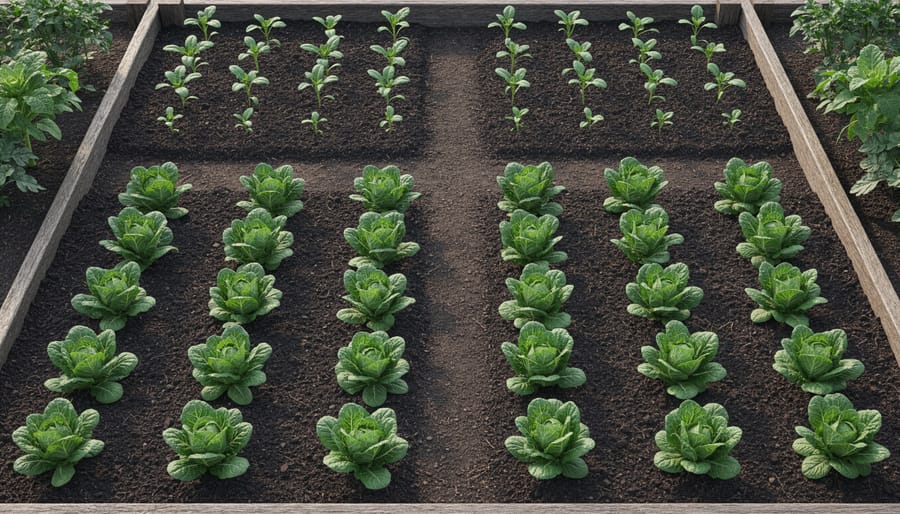
I learned this lesson the hard way when my tomato plants turned into an impenetrable jungle! Crowded vegetables compete for sunlight, water, and nutrients, leading to stunted growth and making your garden a perfect hideout for pests and diseases. Poor air circulation in cramped quarters also invites fungal problems that can wipe out weeks of hard work.
Think of proper spacing as giving each plant its own breathing room to thrive. Tomatoes need 24-36 inches between plants, while bush beans do well with just 4-6 inches. Leafy greens like lettuce prefer 8-12 inches, and sprawling squash plants demand a generous 36-48 inches.
I recently chatted with master gardener Linda Chen, who reminded me that seed packets are your best friend here. “Those spacing recommendations aren’t suggestions, they’re based on the mature plant size,” she explained. “Give them the space now, and you’ll thank yourself at harvest time.”
When plants have adequate room, they develop stronger root systems, produce better yields, and are far easier to maintain. Yes, your garden might look sparse initially, but patience pays off with healthier, more productive plants.
Companion Planting: What Works According to the Experts
Companion planting can feel like gardening magic, but there’s real science behind why certain vegetables thrive together. The right pairings can naturally deter pests, improve soil health, and even enhance flavors.
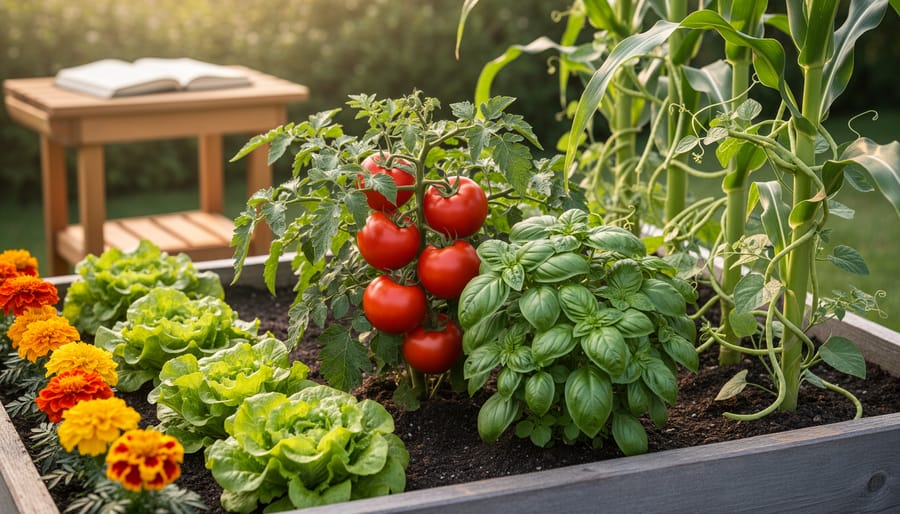
I spoke with Master Gardener Patricia Hensley, who’s been testing companion planting combinations for over two decades. “Tomatoes and basil aren’t just great on your plate,” she explains. “Basil repels aphids and whiteflies while tomatoes provide beneficial shade for the herb’s roots.” She also swears by the classic trio of corn, beans, and squash, known as the Three Sisters. The corn supports climbing beans, beans fix nitrogen in the soil, and squash leaves shade out weeds.
Other proven combinations include carrots with onions (onions mask carrot scent from flies) and lettuce with radishes (radishes mature quickly, loosening soil for lettuce roots). Marigolds throughout your garden act as natural pest deterrents.
However, some plants just don’t get along. Keep fennel away from most vegetables as it inhibits growth, and avoid planting tomatoes near brassicas like cabbage or broccoli since they compete for similar nutrients.
Start small by trying one or two pairings this season. Notice what works in your specific microclimate, and remember that successful companion planting often requires a bit of experimentation to find your garden’s sweet spot.
Watering Wisdom That Prevents Common Vegetable Garden Problems
The Morning Watering Rule and Why It Works
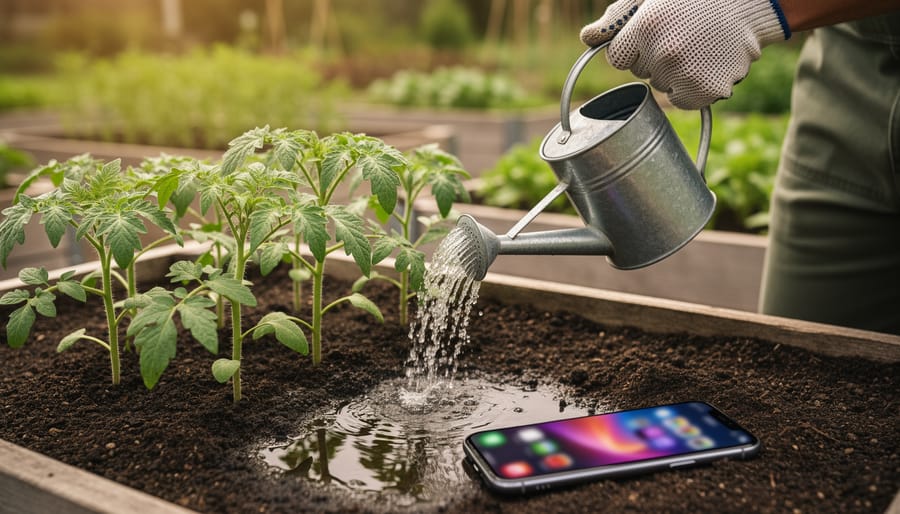
Timing your watering makes a bigger difference than you might think. Early morning, ideally between 6 and 10 a.m., is hands-down the best time to water your vegetable garden, and there’s solid science backing this up.
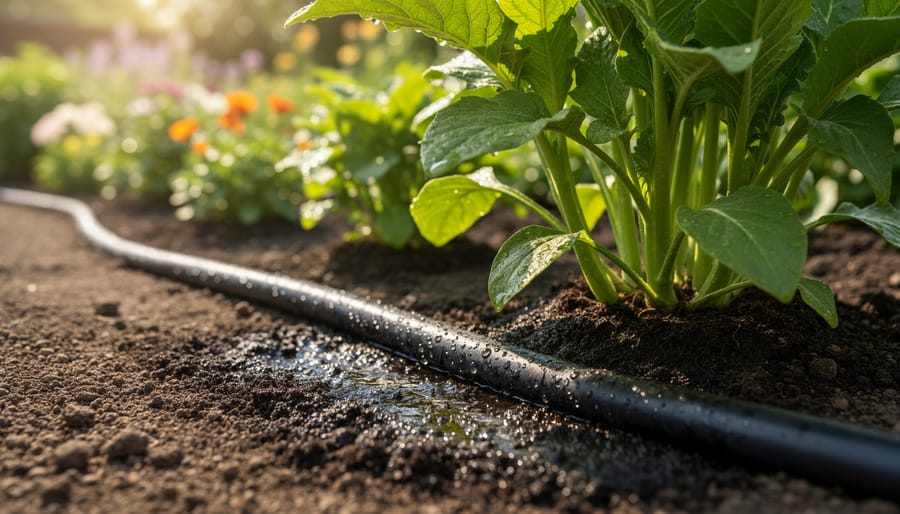
When you water in the morning, you’re working with nature’s rhythm. The cooler temperatures mean less evaporation, so more water actually reaches your plants’ roots where it’s needed. Plus, any moisture that lands on leaves has time to dry before evening, which significantly reduces the risk of fungal diseases that thrive in damp, dark conditions.
I learned this lesson the hard way after losing several tomato plants to blight from my well-intentioned evening watering routine. Master gardener Elena Rodriguez, who manages a community garden in Portland, puts it simply: “Morning watering gives your plants a full tank to face the day’s heat and stress. It’s like eating a good breakfast before a workout.”
How Much Water Do Your Vegetables Really Need?
Understanding your vegetables’ water needs doesn’t have to be guesswork. Most vegetables thrive with about 1 to 1.5 inches of water per week, but this varies based on plant type, weather, and growth stage.
Leafy greens like lettuce and spinach need consistent moisture to prevent bitterness, while tomatoes and peppers prefer deep, less frequent watering once established. Root vegetables such as carrots appreciate steady moisture for straight, sweet growth, but too much water can cause splitting.
The finger test is your best friend here. Push your finger two inches into the soil near your plants. If it feels dry at that depth, it’s time to water. During hot summer months, you might need to water every other day, while spring and fall often require just one or two sessions weekly.
I learned this lesson the hard way when my first tomato crop developed blossom end rot from inconsistent watering. Now I keep a simple journal noting when I water and any weather changes.
Water early in the morning to minimize evaporation and reduce disease risk. Aim for the soil, not the leaves, and water deeply to encourage strong root systems. A soaker hose or drip irrigation system makes this easier and more efficient than overhead sprinklers.
Remember, established plants generally need less frequent but deeper watering than seedlings, which require gentle, regular moisture.
Fertilizing Like a Pro: Timing and Technique
Reading Your Plants: Signs They Need More Nutrients
Your plants are excellent communicators once you learn their language. Yellowing leaves are often the first distress signal—if older, lower leaves turn pale yellow while veins stay green, your plants likely need nitrogen. I’ve seen this countless times with tomatoes and leafy greens that are hungry for a boost.
Stunted growth and purplish tinges on leaves, especially underneath, typically indicate phosphorus deficiency. This is common in cool soil conditions early in the season. If leaf edges look scorched or brown, or leaves develop spots and curl, potassium might be lacking.
Dark green or purplish leaves combined with slow growth can signal phosphorus issues, while interveinal chlorosis—when areas between leaf veins turn yellow but veins remain green—often points to iron or magnesium deficiency.
The good news? Most deficiencies are easily corrected. Start by testing your soil to confirm what’s missing rather than guessing. Then apply targeted amendments like compost, fish emulsion for nitrogen, or bone meal for phosphorus. Remember, healthy soil usually means healthy plants, so building organic matter prevents many deficiency issues before they start. Trust what your plants tell you—they’re rarely wrong.
Pest and Disease Management the Expert Way
The Prevention Strategies That Save Your Harvest
The best defense against garden problems is stopping them before they start. I learned this lesson after years of battling the same pests and diseases, only to discover that simple prevention strategies could have saved me countless headaches.
Crop rotation is your first line of defense. Master gardener Linda Chen, who’s been growing vegetables for over thirty years, never plants the same vegetable family in the same spot two years running. “Tomatoes, peppers, and eggplants all come from the nightshade family,” she explains. “Rotating them breaks pest and disease cycles naturally.” This simple practice reduces soil-borne problems dramatically.
Choosing disease-resistant varieties gives you an immediate advantage. Seed catalogs often mark these with codes like VFN (resistant to Verticillium, Fusarium, and nematodes). You’ll enjoy healthier plants without extra work.
Garden hygiene matters more than most beginners realize. Remove diseased leaves promptly, clean your tools between uses, and clear away plant debris in fall. These small habits prevent problems from overwintering and spreading.
Proper spacing deserves attention too. Crowded plants invite fungal diseases by restricting airflow. Follow spacing guidelines on seed packets, even when seedlings look tiny and lonely at first. They’ll fill in beautifully and stay healthier with room to breathe.
Natural Pest Control Methods That Actually Work
Keeping pests at bay without harsh chemicals is easier than you might think! Start with companion planting—marigolds near tomatoes deter aphids, while basil planted alongside peppers repels thrips and flies. I’ve seen this work beautifully in my own garden.
Hand-picking larger pests like hornworms and beetles during morning inspections is surprisingly effective. It takes just five minutes but makes a real difference. For smaller invaders, a strong spray of water dislodges aphids and spider mites without harming beneficial insects.
Professional gardener Maria Chen swears by homemade garlic spray: blend three cloves with a quart of water, strain, and spray weekly on affected plants. Row covers provide physical barriers against cabbage moths and flea beetles while allowing light and water through.
Encourage natural predators by planting flowers that attract ladybugs, lacewings, and hoverflies. These garden allies feast on aphids and other destructive insects. Diatomaceous earth sprinkled around plant bases creates an effective barrier against slugs and crawling pests. Remember, a few nibbled leaves are normal—your goal is management, not perfection!
Learning From the Experts: Real Gardeners Share Their Best Vegetable Garden Advice
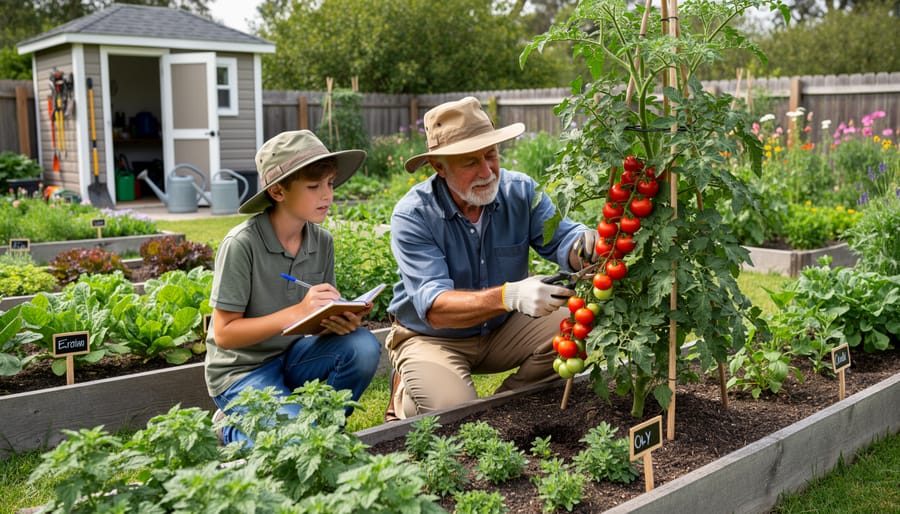
We reached out to experienced gardeners from across the country to gather their most valuable insights. Their wisdom might just transform how you approach your vegetable garden.
Maria Chen, who’s been gardening for over twenty years in Oregon, shared what she considers her most important lesson: “I used to think bigger was better and would plant way too much. Now I tell everyone to start with just five or six crops you actually love eating. Master those first, then expand. You’ll enjoy the process so much more when you’re not overwhelmed.”
Tom Richardson, a community garden coordinator in Vermont, emphasized the power of observation. “Spend time in your garden every single day, even if it’s just five minutes with your morning coffee. You’ll catch pest problems early, notice when plants need water, and really understand what’s happening. That daily connection makes all the difference.”
When asked about advice she wishes she’d received earlier, backyard gardener Jessica Martinez from Texas didn’t hesitate: “Mulch everything! I wasted years fighting weeds and watering constantly. A good layer of organic mulch changed my gardening life completely. It keeps moisture in, weeds down, and soil temperatures stable.”
Veteran gardener Robert Park shared his perspective on failure: “My best gardens came after my worst seasons. Don’t let a bad year discourage you. Every challenge teaches you something about your specific conditions. Keep notes, adjust your approach, and remember that even experienced gardeners lose crops sometimes.”
These gardeners all agreed on one final point: the gardening community is incredibly generous. Don’t hesitate to ask questions at your local nursery, join gardening groups, or chat with neighbors. Everyone started as a beginner, and most gardeners love sharing what they’ve learned.
As you embark on or continue your vegetable gardening journey, remember that the best approach is to take it one step at a time. You don’t need to implement every piece of advice simultaneously. Start with what resonates most with your current challenges, whether that’s improving your soil, trying a new planting method, or tackling a persistent pest problem. Small changes often lead to the most rewarding results.
It’s reassuring to know that even the experts we’ve heard from continue experimenting and learning with each growing season. Gardening is beautifully forgiving that way—there’s always next year, and there’s always something new to discover. Your garden is your personal classroom, teaching patience, observation, and resilience.
We’d love to hear about your experiences as you put these tips into practice. What worked well for you? What surprised you? Share your stories and questions with the Bluestem Gardening community. Your insights might be exactly what another gardener needs to hear.
The truth is, there’s something deeply satisfying about growing your own food. From that first seedling pushing through the soil to the moment you harvest vegetables you’ve nurtured with your own hands, vegetable gardening offers rewards that go far beyond the dinner table. Here’s to your most successful season yet!