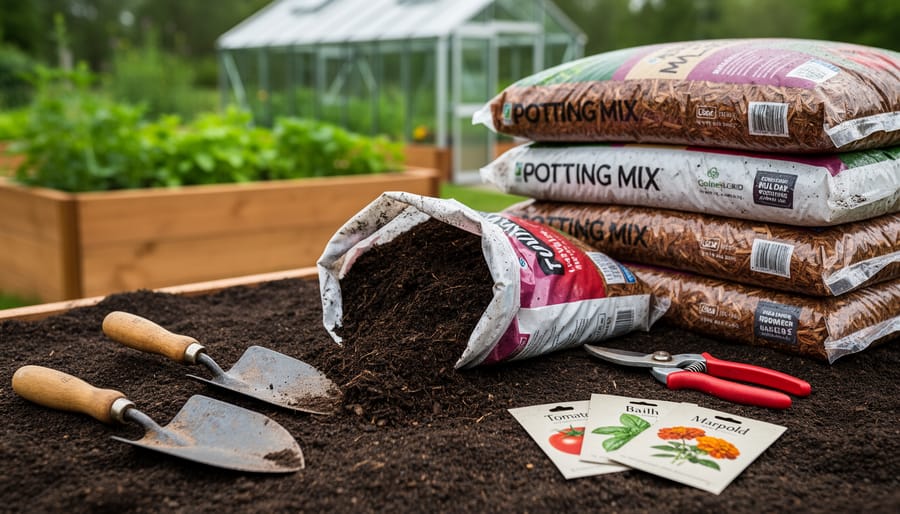
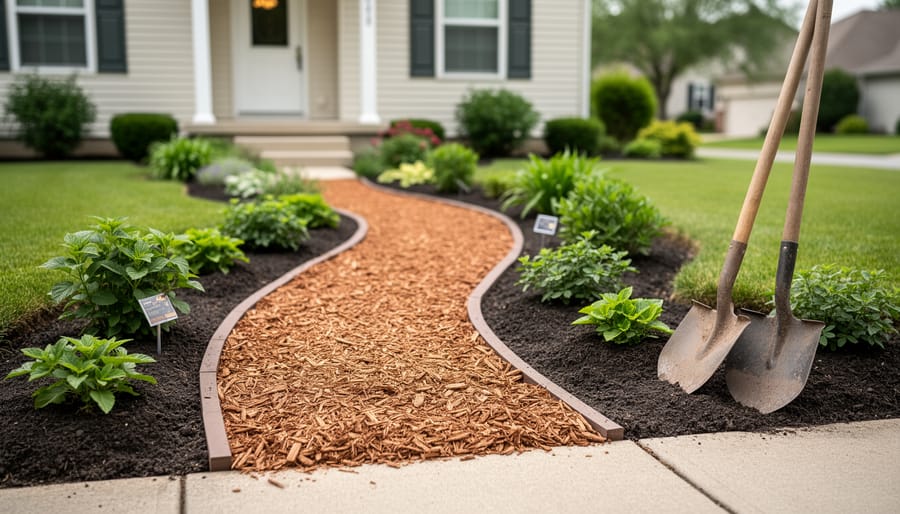
Check your local water district’s website first—many offer rebates up to $3 per square foot for replacing thirsty lawns with drought-tolerant native plants, and some programs even provide free landscape design consultations. Contact your city’s environmental services department to ask about rain barrel subsidies, composting bin discounts, and tree-planting grants that can slash your material costs by 50% or more.
Search your state’s energy office database for programs that reward climate-appropriate landscaping; several states offer tax credits for installing permeable pavement or creating pollinator gardens that reduce stormwater runoff. Visit your county’s agricultural extension office to discover lesser-known funding opportunities like erosion control grants for sloped properties or wildlife habitat incentives that actually pay you to landscape sustainably.
The secret most homeowners miss? These programs stack beautifully together. You might combine a $2,000 turf removal rebate with a $500 irrigation upgrade incentive and a free mulch delivery program, transforming a $5,000 landscaping project into one that costs under $1,500. I’ve spoken with gardeners who’ve created stunning outdoor spaces almost entirely funded through these opportunities—one couple in San Diego renovated their entire front yard for just $800 out-of-pocket after rebates.
The application process feels intimidating at first, but most programs simply require photos, a basic landscape plan, and proof of purchase. Start your search today, because funding cycles often close when budgets run out, and the best programs fill up by mid-spring when homeowners start planning their outdoor projects.
Why Cities and Utilities Want to Pay You to Landscape
You might wonder why your local government would essentially pay you to improve your own yard. It’s actually a win-win situation rooted in some pretty urgent environmental challenges that cities and utilities are working hard to solve.
Water conservation sits at the top of the list. Many regions face chronic water shortages, and outdoor watering accounts for nearly half of residential water use in some areas. When you replace thirsty lawn with drought-tolerant plants or install efficient irrigation systems, you’re directly reducing demand on stressed water supplies. That’s why water utilities often offer the most generous rebates, sometimes covering 50-75% of your project costs.
Stormwater management is another major concern. Traditional landscapes with large paved areas and compact lawns send massive amounts of runoff into storm drains, carrying pollutants into waterways and overwhelming treatment systems. Rain gardens, permeable surfaces, and native plantings act like natural sponges, filtering and absorbing water right where it falls. Cities save millions on infrastructure when homeowners create these green solutions.
Urban heat islands affect public health and energy costs. Expanses of concrete and asphalt can make cities 15-20 degrees hotter than surrounding areas. Trees and vegetation cool neighborhoods naturally, reducing air conditioning demands and improving air quality for everyone.
Native habitat restoration addresses biodiversity loss. As development fragments natural areas, pollinators and wildlife lose critical resources. Your yard can become a sanctuary for bees, butterflies, and birds while requiring less maintenance than traditional landscaping.
Municipalities have committed to ambitious sustainability goals, but they need residents to participate. Your landscaping project isn’t just about your property. You’re partnering with your community to create tangible environmental benefits while getting financial support to transform your outdoor space affordably.
Types of Landscaping Rebates and Grants You Can Actually Get
Water-Wise and Drought-Tolerant Landscaping Programs
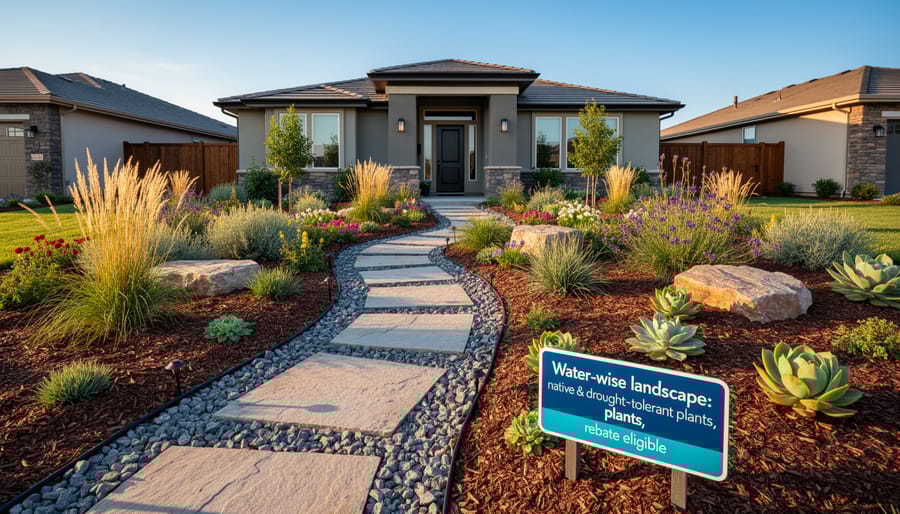
Looking to make your landscape more sustainable while staying within budget? Water-wise programs offer fantastic opportunities to transform your yard and reclaim some cash! Many municipalities and water districts provide generous turf replacement rebates, typically ranging from $1 to $3 per square foot of lawn removed. I’ve seen homeowners receive between $500 and $2,000 for converting thirsty grass into beautiful drought-tolerant gardens.
Drip irrigation incentives are another win-win, with rebates averaging $200 to $500 for installing efficient watering systems. Some programs even cover up to 50% of your installation costs! These systems pair perfectly with budget-friendly materials you might already be sourcing.
Native plant programs are equally exciting, offering free or discounted plants through local conservation districts. Requirements usually include attending a short workshop and submitting a simple application with photos of your project area. Most programs ask that you maintain the landscaping for 2-3 years, which honestly benefits everyone since native plants become more established and resilient over time. Contact your local water authority or visit their website to discover what programs are available in your area and start saving today!
Rain Garden and Stormwater Management Incentives
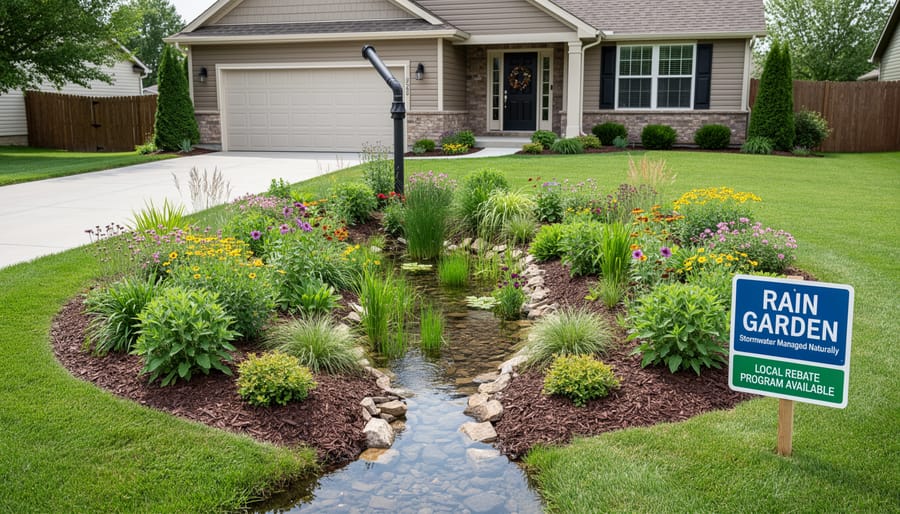
Many municipalities and water management districts offer generous incentives for homeowners who install rain gardens, bioswales, and permeable paving—eco-friendly features that naturally manage stormwater while creating beautiful garden spaces. These programs recognize that residential landscapes play a crucial role in reducing urban runoff and protecting local waterways.
Start by checking with your city’s stormwater utility, environmental services department, or county conservation district. Many offer rebates covering 50-75% of project costs, sometimes up to several thousand dollars. Your regional water authority may also have programs, particularly in areas facing drainage challenges or water quality concerns.
These incentives typically cover native plants, rain barrels, permeable pavers, and sometimes even professional design consultation. Some programs require pre-approval and specific plant lists, while others reimburse expenses after completion. You can often combine these grants with secondhand garden materials for edging or decorative elements, stretching your budget even further. The environmental benefits extend beyond your property, making this a truly rewarding investment in your community’s watershed health.
Tree Planting and Urban Forestry Grants
Many cities and environmental organizations offer tree planting programs that can transform your landscape without straining your wallet. These initiatives recognize that trees benefit entire communities through shade, air quality improvement, and energy savings, so they’re often willing to subsidize or completely cover the costs.
Start by contacting your city’s forestry department or parks division. I’ve seen homeowners receive mature shade trees worth hundreds of dollars for just a small handling fee, sometimes as low as $10 per tree. Some programs even include delivery and professional planting assistance, which is wonderful if you’re unsure about proper depth and placement.
The Arbor Day Foundation and local conservation districts frequently run seasonal tree giveaways, especially in spring and fall. Utility companies also sponsor programs since strategically placed trees can reduce neighborhood cooling costs. Don’t overlook state forestry programs either—they often provide seedling bundles perfect for privacy screens or windbreaks.
Application windows typically open months before planting season, so plan ahead. The paperwork is usually straightforward, requiring basic property information and your preferred tree species based on your yard conditions.
Pollinator and Wildlife Habitat Programs
Many conservation organizations and government agencies offer free or discounted native plants to homeowners who create wildlife-friendly gardens. The National Wildlife Federation’s Garden for Wildlife program provides certification for gardens that meet specific habitat requirements, and some local chapters distribute plant vouchers or starter kits to participants. These programs typically prioritize native species that support pollinators like butterflies, bees, and hummingbirds.
Check with your county’s Soil and Water Conservation District, as they frequently run native plant sales with deeply discounted prices for residents. Some utility companies also sponsor pollinator garden initiatives, offering free milkweed and wildflower seeds to customers committed to creating habitat corridors. State departments of natural resources often maintain lists of approved plants and connect you with local programs.
Creating a certified wildlife habitat doesn’t require a large investment. Start small with a designated pollinator patch, add a simple water source like a shallow dish, and let a corner of your yard grow naturally. The certification itself is usually free or costs less than twenty dollars, and you’ll gain access to educational resources and sometimes exclusive discounts on native plants through partner nurseries.
Energy Efficiency Landscaping Rebates
Here’s a budget-friendly secret that many homeowners don’t know about: strategically planting trees around your property can slash your energy bills, and some utility companies will actually pay you to do it! Many energy providers offer rebates ranging from $25 to $100 per tree when you plant them in locations that provide shade for your home or act as windbreaks against cold winter winds.
Contact your local electric and gas utility companies to ask about their energy efficiency landscaping programs. They often provide free consultations to help you determine the best placement for shade trees. Deciduous trees on the south and west sides of your home can reduce cooling costs by up to 25 percent during summer, while evergreen windbreaks on the north side cut winter heating expenses.
Some programs even offer discounted or free saplings along with the rebate, making this an incredibly affordable way to enhance your landscape while lowering long-term utility costs. It’s truly a win-win situation for your wallet and the environment.
Where to Find Rebates and Grants in Your Area
Start With Your Water Utility
Your water utility is hands-down the best place to start your rebate hunt, and I’m thrilled to share why. Many gardeners don’t realize that their local water provider often offers generous cash-back programs for water-wise landscaping improvements.
Finding these programs is easier than you might think. Simply search for your city or county name plus “water utility” or check your water bill for the provider’s website address. Once you’re there, look for sections labeled “Rebates,” “Conservation Programs,” or “Water Savings.” You’ll typically find incentives for installing drip irrigation, removing thirsty lawns, planting native gardens, or upgrading to smart irrigation controllers.
I’ve seen rebates ranging from $50 for rain barrels to several thousand dollars for complete lawn conversions. Some utilities even offer free water audits where experts visit your property and provide personalized recommendations. The application process is usually straightforward—submit photos, receipts, and a simple form. These programs exist because helping you save water helps everyone, making it a true win-win situation for your budget and your beautiful, sustainable landscape.
Check Your Electric and Gas Utilities
Your electric and gas utility companies might be eager to help fund your landscaping project, especially if you’re planting trees for shade or creating windbreaks. Many utilities offer rebates and free trees to customers who landscape strategically to reduce energy consumption. I’ve seen friends receive up to $100 per tree just for planting in the right spot near their home.
Start by visiting your utility provider’s website and searching for terms like “energy efficiency programs,” “tree rebates,” or “landscaping incentives.” Look in the residential programs or conservation sections. Can’t find anything? Call their customer service line directly and ask about shade tree programs or energy-efficient landscaping assistance. Some utilities also partner with local nonprofits to distribute free saplings during specific seasons. Don’t overlook smaller municipal utilities either, as they sometimes offer surprisingly generous programs that larger companies don’t advertise widely.
Contact Your City or County Environmental Office
Your city or county’s environmental office is often an untapped goldmine for landscaping grants, and I’ve found these local programs particularly generous because they’re designed specifically for your region’s needs. Start by visiting your municipal website and searching for terms like “sustainability,” “stormwater management,” or “environmental services.” Many cities offer rebates for rain gardens, native plant installations, or lawn conversions that help manage runoff—something that benefits everyone in your community.
Don’t get discouraged if the website feels like a maze. I usually call the main city switchboard and simply ask, “Which department handles environmental grants or green landscaping programs?” The staff are genuinely helpful and often know about programs that aren’t well-advertised online. Some municipalities even have dedicated water conservation departments with their own funding streams.
Keep your eyes open for seasonal opportunities too. Many local governments release grant applications in spring when residents are planning their outdoor projects, making timing work perfectly in your favor.
Explore State and Regional Programs
Don’t overlook your state environmental agencies and watershed districts—they’re hidden gems for landscaping funding! These organizations often provide grants specifically for rain gardens, native plantings, and erosion control projects. I’ve seen homeowners receive anywhere from $500 to $2,000 to transform their yards into water-wise landscapes.
Regional conservation organizations frequently partner with local governments to fund projects that benefit wildlife habitats or reduce stormwater runoff. Start by searching your state’s Department of Natural Resources website or contacting your county’s soil and water conservation district. They’ll point you toward current opportunities and might even provide free design consultations.
If you have a larger property—typically half an acre or more—explore USDA and Natural Resources Conservation Service programs. Their Environmental Quality Incentives Program offers cost-sharing for conservation practices like windbreaks, pollinator habitats, and streambank restoration. While the application process requires more documentation, the funding can be substantial. One rural gardener I interviewed received 75% cost-sharing for establishing native prairie grasses across her two-acre property, saving thousands while creating beautiful habitat.
Use Online Rebate Finder Tools
Save time by using specialized online tools that gather rebate programs in one convenient place. The EPA’s WaterSense website features a searchable rebate finder for water-efficient irrigation systems and plants. Your local cooperative extension service often maintains databases of regional programs, from native plant rebates to composting incentives. Try aggregator websites that let you search by zip code to discover everything available in your area, from municipal water department rebates to state environmental grants. I’ve found these tools incredibly helpful for uncovering programs I didn’t even know existed. Many also provide direct links to application forms, saving you hours of research and making the whole process much more manageable.
How to Actually Qualify and Apply Successfully
Common Requirements You’ll Need to Meet
Before you dive into applications, let’s explore what most rebate and grant programs typically require. Understanding these common criteria will help you gather everything you need from the start.
Property ownership is often a key factor. Many municipal programs require you to own your home, though some do extend to renters with landlord permission. You’ll usually need to provide proof of residency and property ownership through utility bills or tax documents.
Most programs require pre-approval before you begin work. This means submitting your landscaping plan, budget estimates, and proposed plant selections for review. Don’t worry—this protects both you and the program administrators. Speaking of plants, you’ll likely need to choose from approved plant lists featuring native species, drought-tolerant varieties, or pollinator-friendly options that align with local environmental goals.
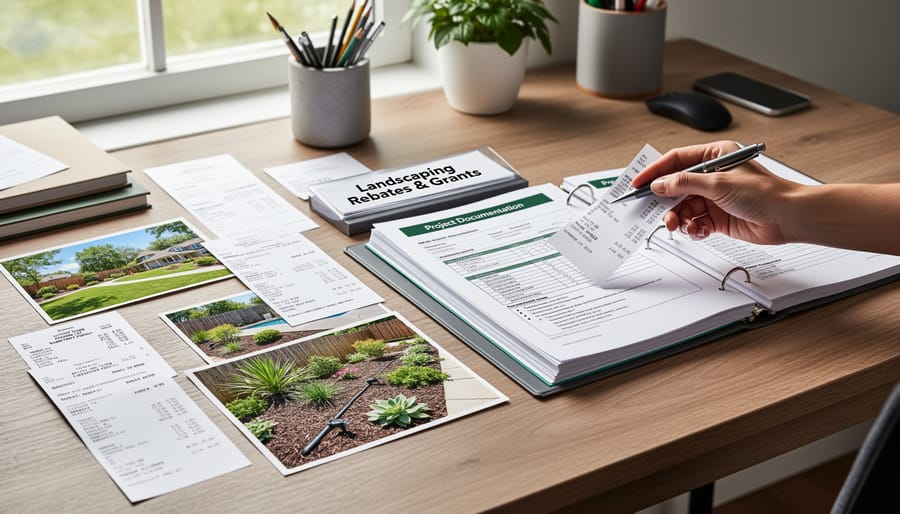
Documentation is essential throughout the process. Take clear before photos showing your current landscape, save all receipts for plants and materials (even when you save money on materials through secondhand sources), and capture after photos once your project is complete.
Finally, expect a final inspection. Program representatives may visit your property to verify the work matches your approved plan. This ensures accountability and helps programs demonstrate their environmental impact to funding sources.
Documentation That Makes or Breaks Your Application
Good documentation can mean the difference between approval and rejection, so let’s make this easy. Start by taking clear before photos from multiple angles—these don’t need to be professional shots, just honest images that show your yard’s current state. Include close-ups of problem areas like erosion or drainage issues that your project will address.
Create a simple folder system, whether digital or physical, to organize everything. Keep all receipts for materials, even small purchases, as many programs require itemized proof of expenses. If you’re tackling the project in phases, label receipts by date and project stage.
For programs requiring landscape plans, don’t panic. A basic hand-drawn sketch showing plant locations, hardscape features, and dimensions is often sufficient. Include a plant list with both common and botanical names, plus notes about native species or drought-tolerant choices—these details strengthen applications focused on water conservation or wildlife habitat.
Gather quotes from suppliers before you begin, as some programs want cost estimates upfront. If you’re installing irrigation or rain gardens, sketch the layout and water flow patterns. Remember, reviewers want to see you’ve thought things through, not that you’ve hired an expensive designer. Keep copies of everything you submit, and snap progress photos along the way.
Timeline Tips: When to Apply and How Long It Takes
Timing is everything when it comes to securing landscape funding! Many rebate programs operate on specific cycles, so a little planning goes a long way. Most municipalities and water districts open their application windows in early spring, typically between January and March, when people start thinking about outdoor projects. However, some programs run year-round with rolling admissions until funds are depleted, so don’t wait too long once you discover an opportunity.
Processing times vary considerably depending on the program. Simple rebates for water-efficient upgrades often take 4-8 weeks after you submit your application and proof of purchase. Grant programs with competitive review processes can take 2-4 months from application to approval. Here’s where it gets important: some programs offer reimbursement only, meaning you’ll need to pay upfront and wait for your check. Others provide direct payment to contractors or pre-approval funding, which is friendlier for tight budgets.
I recommend starting your research at least 3-4 months before you want to begin your project. This gives you time to gather quotes, complete applications thoroughly, and avoid rushing through important details. Mark application deadlines on your calendar, and consider scheduling projects for late spring or summer when you’ll have approval in hand and ideal growing conditions ahead.
Maximizing Your Rebate Money: Smart Strategies
Once you’ve secured rebate funds, the key is making every dollar work harder for you. Think of rebates as seed money that can multiply when paired with smart shopping strategies and creative planning.
Start by timing your purchases strategically. Many native plant nurseries offer seasonal sales that coincide beautifully with rebate programs. I’ve seen gardeners save an additional 30-40% by buying secondhand materials like pavers, edging, and containers to complement their rebate-funded plants. This double-dipping approach stretches a $500 rebate into what feels like a $1,000 project.
Consider stacking multiple programs whenever possible. If you qualify for a water conservation rebate and a native plant rebate, design your landscape to meet both criteria. For example, removing lawn to install drought-tolerant native gardens often qualifies for dual incentives from water districts and environmental programs.
Another clever strategy involves propagation. Use rebate money to purchase mature native plants, then learn basic propagation techniques to multiply your investment. Many natives root easily from cuttings or produce seeds readily, essentially giving you free plants for future expansion.
Don’t overlook community resources either. Some municipalities offer free mulch, compost, or even plants through environmental programs. Combining these freebies with your rebate funds maximizes your landscaping impact while keeping costs remarkably low. The goal is creating a beautiful, sustainable landscape that looks like you spent far more than you actually did.
The best time to start searching for landscaping rebates and grants is right now. These programs exist because municipalities and organizations genuinely want to help you create beautiful, sustainable outdoor spaces. The funding is sitting there, allocated specifically for gardeners like you who are willing to spend a little time on paperwork. Yes, applications might seem tedious at first, but think of it as getting paid for your effort—often hundreds or even thousands of dollars for a few hours of work.
Remember, the benefits of sustainable landscaping extend far beyond any rebate check. You’ll enjoy lower water bills, reduced maintenance time, and the satisfaction of supporting local ecosystems. Native plants attract pollinators, rain gardens prevent flooding, and permeable surfaces keep waterways clean. These improvements add value to your property while making your neighborhood more resilient.
Ready to get started? Visit your city or county website today and search for water conservation programs, sustainability initiatives, or environmental grants. Check with your utility companies too. Combine these opportunities with affordable landscaping materials, and you’ll be amazed at how much garden you can create on a modest budget. Your dream landscape is more achievable than you think!