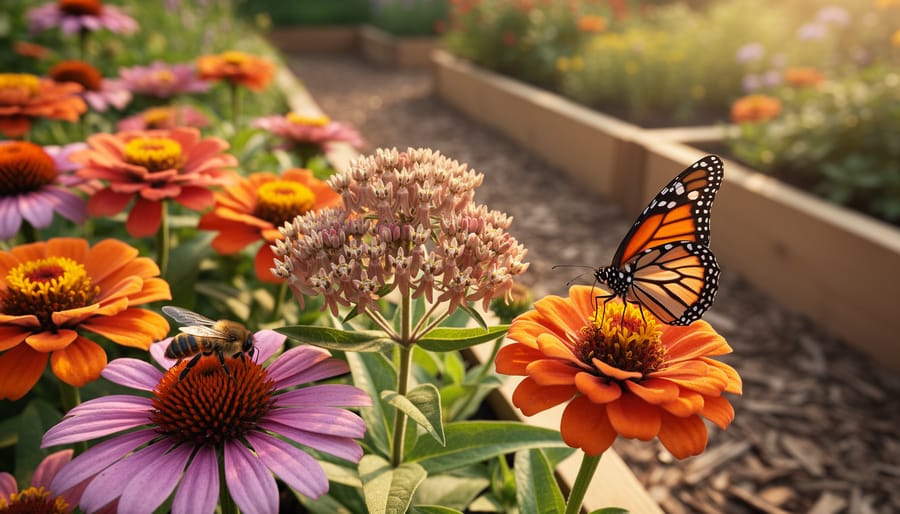
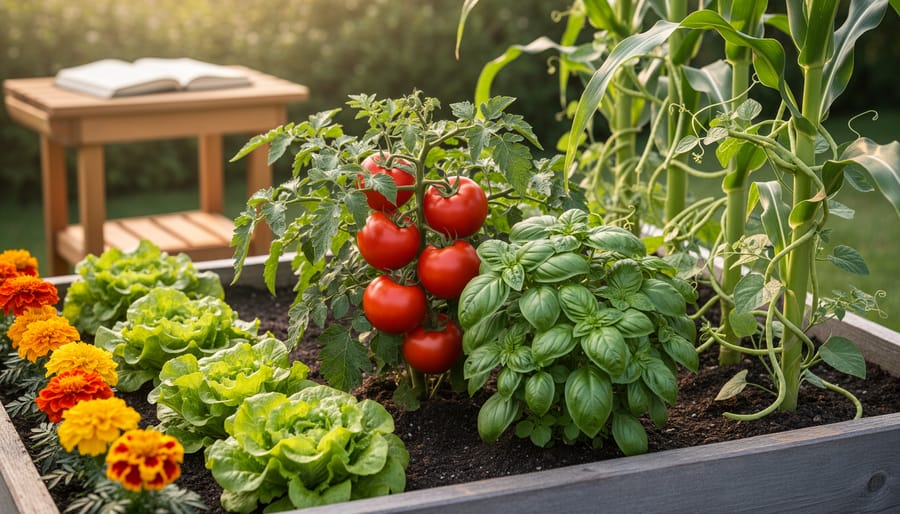
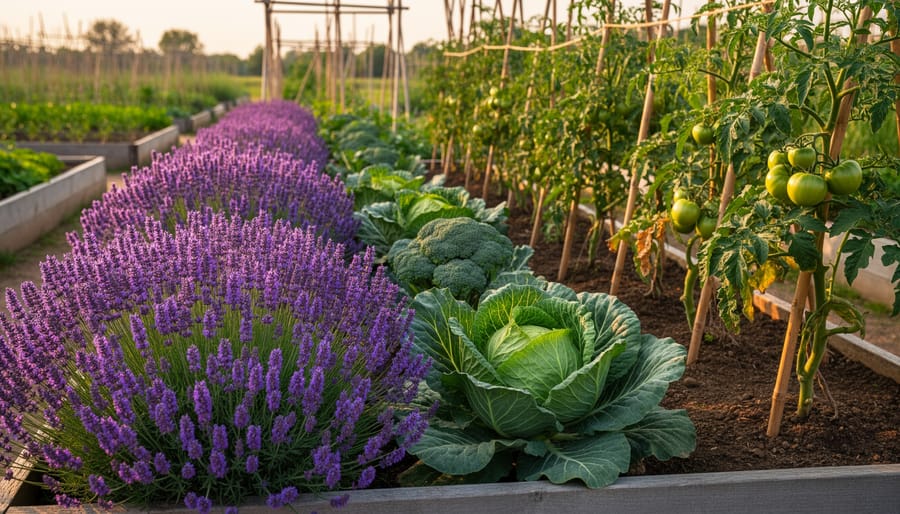
Plant jalapeno peppers alongside basil, oregano, and marigolds to create a robust garden ecosystem that naturally enhances garden productivity and deters harmful pests. Space cilantro and garlic chives 12 inches from jalapeno plants to attract beneficial pollinators while maximizing limited garden space. Position tall, nitrogen-fixing beans or peas on the north side of pepper plants to provide gentle afternoon shade and improve soil fertility naturally. Avoid planting fennel, kohlrabi, or brassicas nearby, as these companions compete for nutrients and can stunt pepper growth. Master the art of companion planting with jalapenos to create a thriving, sustainable garden that produces abundant, flavorful peppers while naturally managing pests and enhancing soil health.
Best Companion Plants for Jalapenos
Herbs That Love Jalapenos
When it comes to herbs as companions, jalapenos have some fantastic friends in the garden. Basil, oregano, and cilantro not only complement jalapenos in the kitchen but also create beneficial relationships in your garden beds.
Basil is perhaps the jalapeno’s best herbal buddy. This aromatic herb helps repel common pepper pests like aphids and spider mites while improving the flavor of your peppers. Plant basil around the perimeter of your jalapeno plants, leaving about 12 inches of space between them for proper growth.
Oregano serves as an excellent ground cover companion, helping retain soil moisture and prevent weed growth around your jalapeno plants. Its strong scent also confuses pests that might otherwise target your pepper plants. As a bonus, oregano’s low-growing habit means it won’t compete with jalapenos for sunlight.
Cilantro, while shorter-lived than the other herbs, attracts beneficial insects like hover flies and ladybugs that help control pest populations. Plant cilantro early in the season, and it will flower just as your jalapenos are establishing themselves, bringing in those helpful garden allies.
Remember to harvest these herbs regularly to promote bushy growth and prevent them from overwhelming your jalapeno plants. This trio of herbs not only supports healthy pepper growth but also provides you with fresh ingredients for your favorite Mexican dishes!
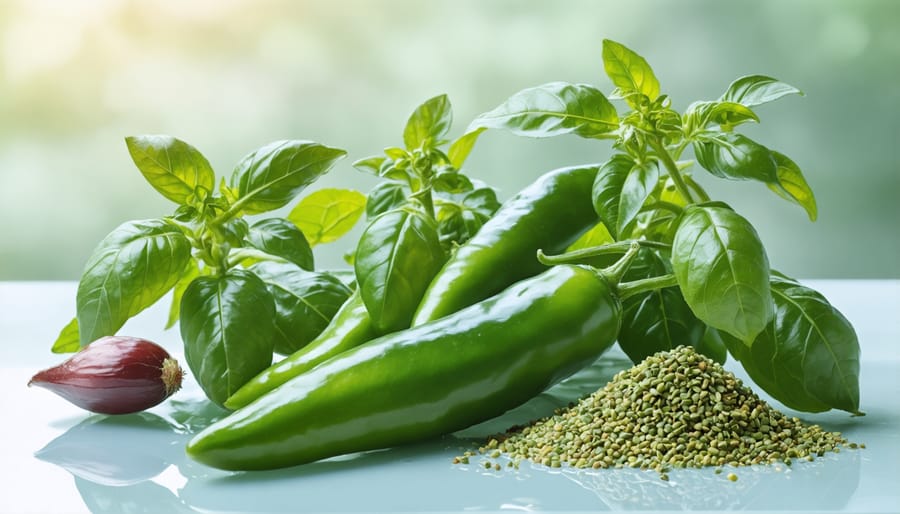
Vegetable Companions
When it comes to vegetable companions for jalapeno peppers, several plants make excellent neighbors in your garden bed. Carrots are particularly beneficial companions, as their deep root systems help break up the soil without competing with pepper roots. Plus, the carrots’ feathery foliage can provide light shade for pepper plant roots during hot summer days.
Onions and their relatives, including garlic and chives, are fantastic partners for jalapenos. These aromatic plants help deter many common pepper pests through their natural compounds. They also take up minimal space and can be planted quite close to your pepper plants, making them perfect companions in small gardens.
Tomatoes and jalapenos share similar growing requirements, making them natural garden buddies. Both plants thrive in full sun and rich, well-draining soil. While some gardeners worry about planting these nightshade family members together, they actually help each other by attracting beneficial pollinators and creating a microclimate that maintains consistent humidity levels.
For the best results, plant your carrots about 6 inches away from your jalapenos, scatter onions or garlic around the perimeter of your pepper plants, and keep tomatoes at least 18 inches away to ensure adequate air circulation. This arrangement allows each plant to thrive while supporting the health and productivity of your jalapeno peppers.
Plants to Avoid Near Jalapenos
While jalapenos are generally friendly neighbors in the garden, some plants are best kept at a distance to ensure optimal growth and flavor. Fennel is one of the main plants to avoid, as it tends to inhibit the growth of many vegetables, including peppers. This herb releases compounds that can stunt the development of your jalapeno plants and potentially affect their productivity.
Brassicas, such as cabbage, broccoli, and cauliflower, should also be planted away from your jalapenos. These heavy feeders compete for similar nutrients in the soil, which can lead to less-than-ideal growing conditions for both plant families. Additionally, they may attract pests that could cause problems for your pepper plants.
Bean plants, while excellent nitrogen fixers, should be kept separate from jalapenos. Though beans themselves aren’t harmful, they prefer different growing conditions and can create too much shade for sun-loving pepper plants. Similarly, avoid planting tall crops like corn nearby, as they can block crucial sunlight that jalapenos need to thrive.
Kohlrabi and other deep-rooted vegetables might compete with jalapenos for root space and nutrients. Since peppers have relatively shallow root systems, they can become stressed when forced to compete with more aggressive root structures.
For the best results, keep these incompatible plants at least 2-3 feet away from your jalapeno bed. This spacing ensures that each plant has enough room to grow without negatively affecting its neighbors. Remember, good garden planning is just as much about knowing what not to plant together as it is about choosing the right companions.
Planting Strategies for Success
Spacing and Layout Tips
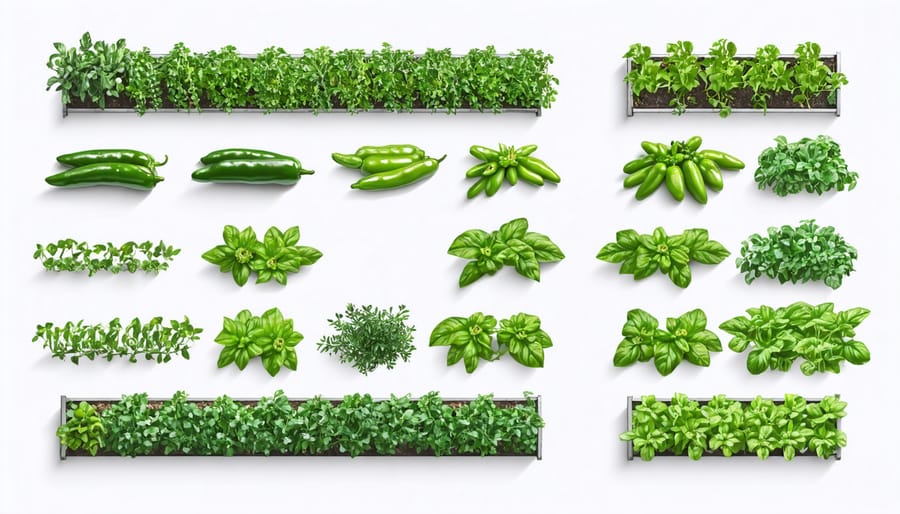
When planning your jalapeno companion garden, proper spacing is crucial for both the peppers and their plant partners. For best results, space jalapeno plants 12-18 inches apart in rows that are 24-36 inches apart. This optimal plant spacing allows enough room for root development while maintaining good air circulation.
When introducing companion plants, create a thoughtful layout that maximizes benefits while avoiding overcrowding. Plant shorter companions like basil and oregano 6-8 inches away from your jalapenos, positioning them on the south side to prevent shading. Taller companions such as corn should be placed on the north side, at least 18 inches away.
Consider creating clusters or guilds of complementary plants around each jalapeno. For example, surround one pepper plant with a few marigolds, a basil plant, and some oregano in a circular pattern. This arrangement not only looks attractive but also creates a beneficial microclimate for all plants involved.
If you’re working with raised beds, try the square foot gardening method: dedicate one square foot per jalapeno plant and interplant companions in adjacent squares. For container gardens, choose pots at least 12 inches deep and wide, adding small companion plants like marigolds or cilantro around the edges.
Remember to leave enough walking space between rows or clusters to make harvesting and maintenance easy without disturbing your plants.
Seasonal Planning
Timing is crucial when planning your jalapeno companion garden. Start your jalapeno seeds indoors 8-10 weeks before the last frost date, which gives you time to plan and prepare companion planting spaces. As spring approaches, begin preparing outdoor beds for both jalapenos and their companions.
Fast-growing companions like radishes and lettuce can be planted 2-3 weeks before transplanting your jalapenos outdoors. These early crops will be ready for harvest just as your peppers are hitting their stride. Once soil temperatures consistently reach 65°F (usually 2-3 weeks after the last frost), transplant your jalapenos alongside slower-growing companions like basil and oregano.
For succession planting throughout the season, sow quick-growing companions like cilantro every 3-4 weeks. This ensures a continuous harvest while maintaining beneficial relationships with your jalapenos. Mid-season is perfect for adding flowers like marigolds and nasturtiums, which will bloom during peak pepper production.
As summer progresses, consider planting heat-loving companions like okra and sweet potatoes. These plants thrive in similar conditions as jalapenos and provide ground cover during intense summer heat. For fall planning, seed cool-season crops like carrots and onions around established jalapeno plants in late summer, allowing them to mature as pepper production naturally declines.
Remember to maintain adequate spacing between plants throughout the season, ensuring each companion has room to fulfill its beneficial role without competing for resources.
Troubleshooting Common Issues
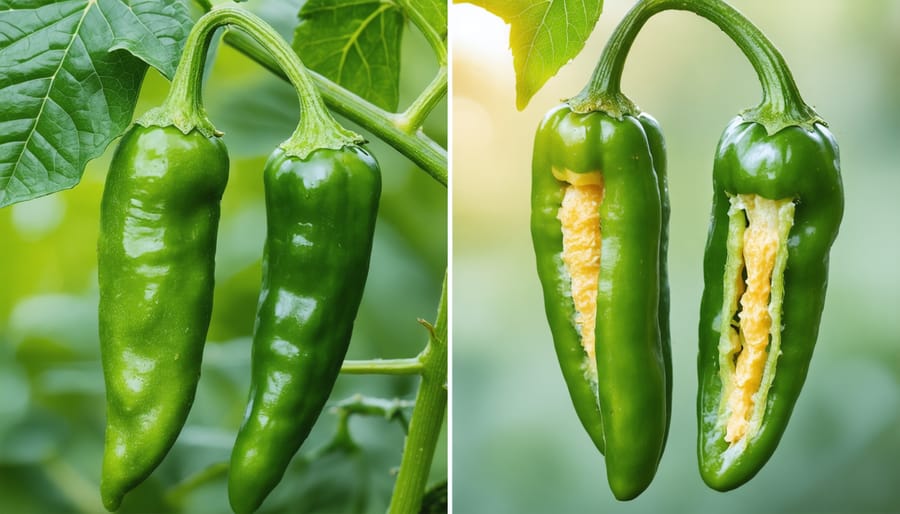
Even the most attentive gardeners can encounter challenges when companion planting with jalapenos. If your jalapeno plants are showing yellowing leaves, this could indicate nitrogen competition with nearby companions. Try adding organic compost or moving nitrogen-hungry plants farther apart. For stunted growth in either jalapenos or companion plants, ensure proper spacing to prevent root competition and overcrowding.
If you notice fewer flowers on your jalapeno plants, your companion plants might be attracting too many pollinators away from the peppers. Consider reducing the number of flowering companions or spacing them further apart. Pest problems can still occur despite companion planting; if you spot aphids or other insects, try introducing more pest-repelling companions like marigolds or cilantro.
Poor fruit production might result from inadequate sunlight caused by taller companion plants casting shadows. Reorganize your garden layout to ensure jalapenos receive 6-8 hours of direct sunlight daily. When dealing with soil moisture issues, remember that some companions might have different watering needs than jalapenos. Create slight elevation differences or use mulch to manage water distribution effectively.
If your companion plants aren’t thriving, they might be too sensitive to capsaicin from the peppers. In this case, consider switching to more tolerant companion varieties or increasing the spacing between plants. Remember that successful companion planting often requires some trial and error to find the perfect balance for your specific garden conditions.
Companion planting with jalapeño peppers is a rewarding gardening practice that can enhance your pepper harvest while promoting a healthier garden ecosystem. By pairing your jalapeños with compatible plants like basil, carrots, and onions, you’ll create beneficial relationships that naturally deter pests and improve growing conditions. Remember to avoid planting jalapeños near fennel or beans, and give your pepper plants enough space to thrive alongside their companions. Whether you’re a seasoned gardener or just starting, implementing these companion planting strategies can lead to stronger, more productive jalapeño plants and a more sustainable garden overall. Start small by experimenting with one or two companion plants, and expand your garden’s diversity as you gain confidence. Your jalapeños—and your garden—will thank you for it!