Diverse climates transform ordinary gardening into an exciting adventure of adaptation and discovery. From frost-kissed mountain slopes to sun-baked desert gardens, each unique weather pattern creates opportunities for growing an incredible variety of plants. Understanding your local climate variations – whether it’s dramatic temperature swings, unpredictable rainfall, or seasonal extremes – unlocks the secret to creating a thriving, resilient garden that flourishes year-round.
Experienced gardeners know that diverse climates aren’t just challenges to overcome; they’re invitations to explore innovative growing techniques and experiment with unexpected plant combinations. By embracing these natural variations, you can create micro-climates within your garden that support everything from tender tropical specimens to hardy alpine favorites. This adaptability not only leads to more successful growing but also results in more interesting, dynamic garden spaces that evolve with each passing season.
Today’s changing weather patterns make understanding diverse climates more crucial than ever for gardening success. Whether you’re dealing with extended dry spells, unexpected frost events, or shifting growing seasons, having the right knowledge and tools at your disposal ensures your garden remains productive and beautiful throughout the year.
Understanding Your Local Climate Patterns
Microclimate Mapping
Every garden, no matter its size, contains unique pockets of varying conditions that can significantly impact plant growth. Learning to identify specific microclimates in your garden space is like discovering hidden opportunities for diverse plantings.
Start by observing how sunlight moves across your garden throughout the day. South-facing walls often create warm, sunny spots perfect for heat-loving plants, while north-facing areas tend to be cooler and shadier. Take note of wind patterns, which can create sheltered nooks or exposed areas affecting plant growth and moisture retention.
Natural and artificial features play crucial roles in forming microclimates. Large trees provide shade and wind protection, while fences and buildings can create sun traps or frost pockets. Even small elements like rocks and water features influence local temperature and humidity levels.
Keep a simple garden journal recording temperature, moisture, and wind patterns in different areas. This information becomes invaluable when deciding where to place specific plants, helping you match their needs with the perfect spot in your garden’s diverse landscape.

Seasonal Weather Patterns
Gardening success starts with understanding your local seasonal patterns and being prepared for weather changes throughout the year. Each season brings unique challenges and opportunities for your garden. In spring, be ready for late frosts that can damage tender plants, and keep row covers handy for protection. Summer often brings intense heat waves and dry spells, making proper irrigation and mulching essential for plant survival.
Fall’s fluctuating temperatures and early frosts can catch gardeners off guard, so keep an eye on weather forecasts and have protection ready for sensitive plants. Winter brings its own set of challenges, from heavy snow loads to desiccating winds. Installing windbreaks and using cold frames can help protect your garden during harsh weather.
Extreme weather events are becoming more common, so it’s wise to create resilient garden spaces. Consider installing rain gardens to manage heavy downpours, and choose plants that can withstand both drought and flooding. Keep a weather diary to track patterns in your specific microclimate – this information becomes invaluable for planning future growing seasons and understanding how your garden responds to different weather conditions.

Climate-Specific Growing Solutions
Hot and Dry Climate Solutions
Gardening in hot and dry climates presents unique challenges, but with the right techniques, you can create a thriving garden that withstands intense heat and minimal rainfall. The key is focusing on moisture retention and smart heat management strategies.
Start by improving your soil’s water-holding capacity by adding organic matter like compost and aged manure. Mulching is absolutely essential – apply a thick layer of organic mulch (3-4 inches) around your plants to reduce evaporation and keep root zones cool. Consider using materials like straw, wood chips, or pine needles.
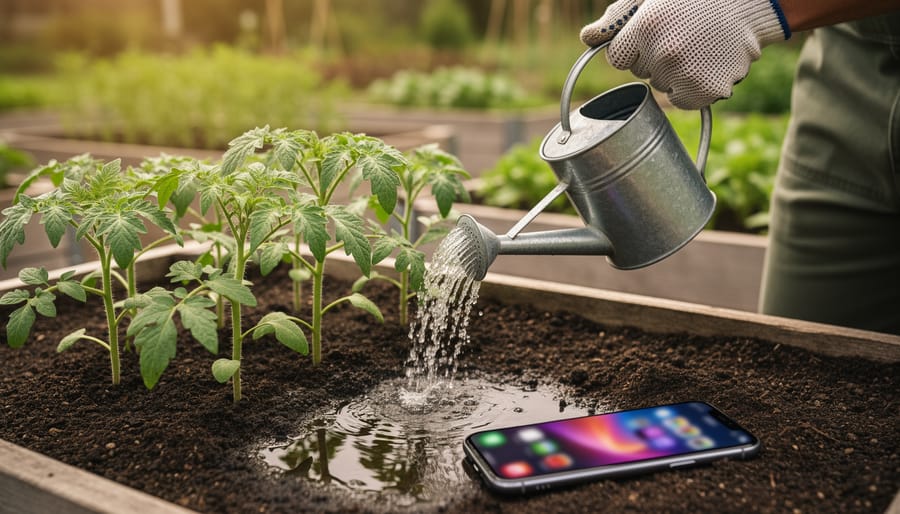
Timing is everything when it comes to watering. Water deeply but less frequently to encourage deep root growth, and always water early in the morning or late in the evening to minimize evaporation. Installing a drip irrigation system can help deliver water directly to plant roots efficiently.
Create microclimates by incorporating shade structures or using taller plants to protect more delicate specimens. Consider building raised beds with sides that provide afternoon shade, or install shade cloth during the hottest months. Grouping plants with similar water needs together (known as hydrozoning) helps optimize water usage.
For additional protection, try using light-colored rocks or gravel in pathways to reflect heat rather than absorb it. Plant drought-resistant varieties closer together than you typically would to create natural shade and reduce soil temperature. Remember, successful hot-climate gardening is all about working with nature, not against it.
Cold Climate Adaptations
Gardening in cold climates presents unique challenges, but with the right techniques, you can extend your growing season and create a thriving garden even in chilly conditions. One of the most effective methods is using cold frames – essentially miniature greenhouses that trap heat and protect plants from harsh weather. These can be easily constructed using old windows or transparent materials placed over a wooden frame.
Row covers and frost blankets are excellent tools for protecting plants from frost, especially during unexpected cold snaps. These lightweight fabrics allow light and water to reach your plants while maintaining warmth. For added protection, consider creating thermal mass by placing water-filled containers or dark-colored stones near your plants, as these absorb heat during the day and release it slowly at night.
Raised beds are particularly valuable in cold climates as they warm up faster in spring and provide better drainage. Adding a layer of mulch around your plants helps retain soil warmth and moisture. For more permanent solutions, consider installing a greenhouse or hoop house, which can extend your growing season by several months on both ends.
Timing is crucial – start seeds indoors 6-8 weeks before the last frost date and use succession planting to ensure continuous harvests. Remember to choose cold-hardy varieties that are well-suited to your specific climate zone for the best results.
Humid Climate Strategies
Gardening in humid climates presents unique challenges, but with the right strategies, you can create a thriving garden while keeping moisture-related issues at bay. The key is to focus on proper air circulation and smart plant spacing, which helps prevent fungal diseases from taking hold.
Start by creating raised beds with good drainage to ensure excess water can easily flow away from plant roots. Space your plants with enough room between them to allow air movement, and consider installing small fans in greenhouse settings to keep the air moving.
Mulching becomes particularly important in humid environments, but choose materials wisely. Opt for inorganic mulches like gravel or coconut coir in extremely humid areas, as organic materials can retain too much moisture and encourage fungal growth. When watering, always do so early in the morning to allow foliage to dry completely before evening.
Consider implementing vertical gardening techniques to improve air circulation around plants. Trellises and stakes not only save space but also help keep leaves off the ground where moisture tends to accumulate. Choose disease-resistant varieties whenever possible, and maintain regular pruning schedules to remove dead or yellowing leaves that could harbor moisture and disease.
Remember to monitor humidity levels regularly and adjust your gardening practices accordingly. A simple humidity meter can be an invaluable tool in managing your garden’s microclimate effectively.
Plant Selection for Climate Success
Climate-Resistant Plant Varieties
When facing climate challenges, choosing the right plant varieties can make all the difference in your garden’s success. Drought-tolerant plants like lavender, rosemary, and sage thrive in hot, dry conditions while requiring minimal water. These Mediterranean natives have adapted to survive harsh conditions and still produce beautiful blooms and aromatic foliage.
For wet climates, consider moisture-loving plants such as astilbe, cardinal flower, and Japanese iris. These varieties have developed root systems that prevent rot while thriving in damp conditions. In areas with extreme temperature fluctuations, try hardy perennials like black-eyed susans, coneflowers, and daylilies, which can withstand both summer heat and winter frost.
Wind-resistant plants are essential for exposed gardens. Ornamental grasses like feather reed grass and switchgrass bend rather than break in strong winds, while compact shrubs like boxwood and juniper create excellent windbreaks. For coastal gardens dealing with salt spray, try seaside plants like beach rose, sea lavender, and native grasses that have naturally adapted to maritime conditions.
In urban heat islands, look for heat-tolerant varieties like lantana, verbena, and sedum. These tough plants can handle reflected heat from pavements and buildings while still maintaining their beauty. Remember that native plants are often the best choice for any climate challenge, as they’ve evolved to handle local weather patterns and typically require less maintenance once established.
Companion Planting Strategies
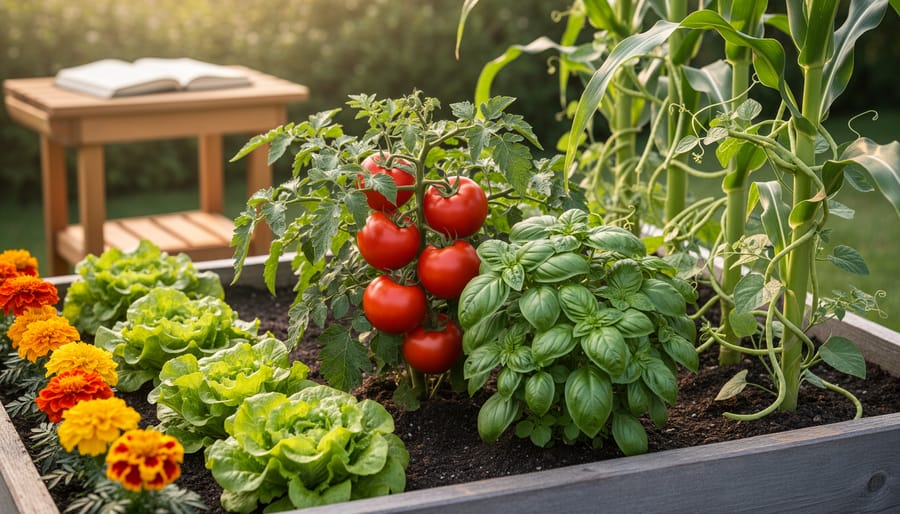
Creating beneficial microclimates in your garden starts with smart companion planting strategies that work together to protect and support each other. Tall, sturdy plants like sunflowers and corn can serve as natural windbreaks for more delicate vegetables, while also providing much-needed shade during intense summer heat. Think of these plants as nature’s umbrellas!
Low-growing ground covers, such as thyme and creeping oregano, help retain soil moisture and create cooler conditions for their taller neighbors. This natural mulch effect is particularly beneficial in hot, dry climates. Climbing plants like pole beans can share space with corn stalks, making the most of vertical growing space while creating humid microzones that benefit both plants.
Consider creating plant clusters that include different heights and growth habits. For example, combine tall tomatoes with basil underneath and carrots nearby. The tomatoes provide partial shade, the basil helps repel pests, and the carrots help break up the soil. This three-tiered approach maximizes space while creating a comfortable microclimate for all plants involved.
Don’t forget about timing! Plant cool-season crops like lettuce and spinach in the shade of spring-planted trees or shrubs. As temperatures rise, these leafy greens will appreciate the natural cooling effect of their taller companions. This thoughtful arrangement helps extend your growing season and provides better growing conditions for all your plants.

Essential Tools and Infrastructure
Managing diverse climates in your garden requires a thoughtful selection of essential tools and infrastructure. A reliable weather station is your first line of defense, helping you monitor temperature, humidity, rainfall, and wind patterns. These measurements become your garden’s vital signs, guiding your daily care decisions.
For temperature control, consider installing shade cloths or row covers. These versatile tools can protect plants from both intense sun and unexpected frost. A well-designed irrigation system is crucial – combine soaker hoses for deep watering with spray attachments for more delicate needs. Don’t forget to include a rain gauge and moisture meter to ensure proper water management.
Wind breaks are invaluable in areas with strong breezes. Natural options like strategic hedge placement work wonderfully, while artificial screens can provide immediate protection. For cold-sensitive plants, cold frames and mini greenhouses offer safe havens during challenging weather.
Storage solutions are equally important. A sturdy shed or storage area keeps your tools organized and protected, while also providing space for seasonal items like frost blankets and shade materials. Consider installing a rainwater collection system with proper filtration – it’s both eco-friendly and ensures a backup water supply during dry spells.
Remember, these infrastructure investments pay off in the long run, creating a more resilient and adaptable garden space that can thrive in varying weather conditions.
As we’ve explored throughout this guide, gardening in diverse climates presents both challenges and opportunities. By understanding your local weather patterns, selecting appropriate plants, and implementing protective measures, you can create a thriving garden regardless of your climate conditions. Remember that successful gardening is often about adaptation and observation – what works in one garden may need adjustment in another.
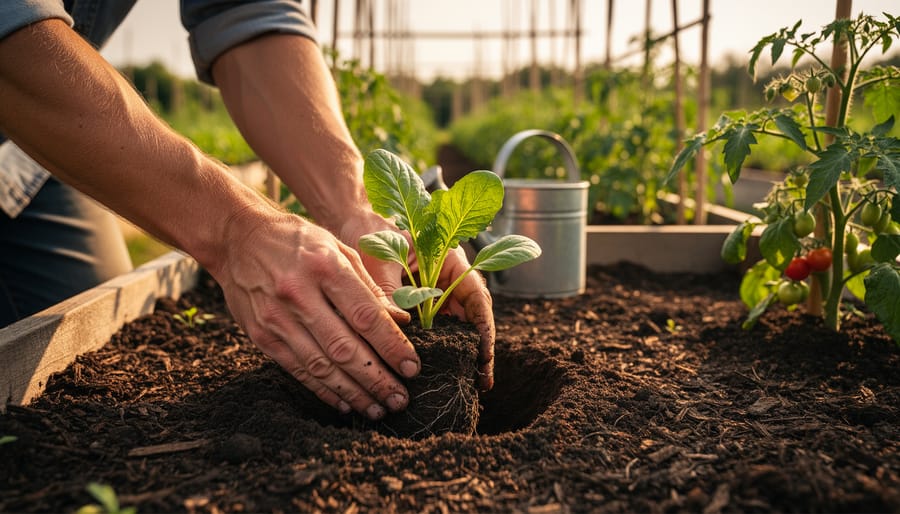
Take time to experiment with different approaches and don’t be afraid to adjust these strategies to suit your specific situation. Start small, perhaps with a few resilient plants, and gradually expand your garden as you gain confidence and experience with your local climate patterns. Keep a garden journal to track what works and what doesn’t, and connect with local gardening communities to share experiences and learn from others in your area.
The key to success lies in working with your climate rather than against it. Embrace the unique characteristics of your local weather, and use them to your advantage. With patience, preparation, and the right approach, you can create a beautiful and productive garden that flourishes in any climate.