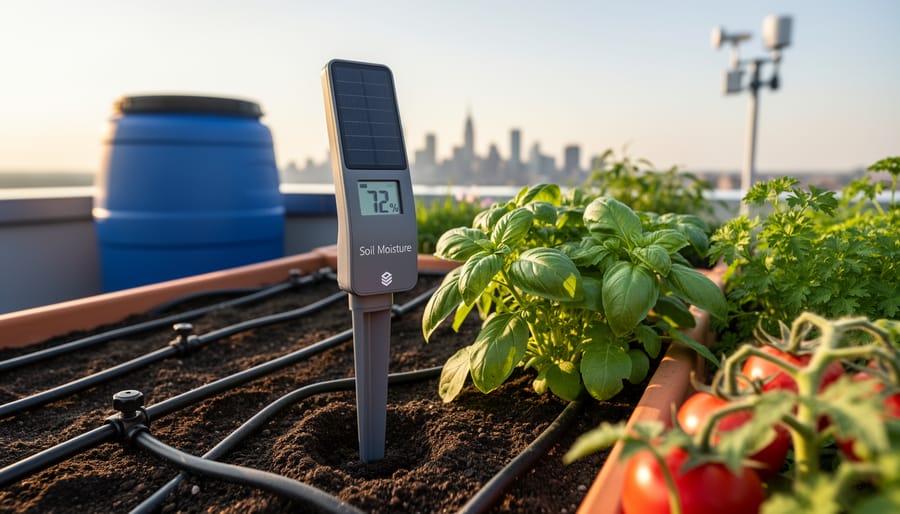
Transform your outdoor space into a thriving composting hub by designing a multi-tier system that maximizes vertical space and accelerates decomposition. Integrate innovative urban gardening practices by incorporating modular bins that adapt to seasonal volume changes while maintaining optimal airflow and temperature control. Position your composting facility strategically to balance convenience with proper drainage, using permeable surfaces and strategic slopes to manage moisture levels effectively.
A well-designed composting facility serves as the cornerstone of sustainable garden management, turning everyday organic waste into black gold for your plants. Whether you’re working with a compact urban balcony or a sprawling backyard, thoughtful facility design determines your composting success. Modern composting facilities blend seamlessly with existing landscapes while incorporating smart features like easily accessible turning bays, integrated collection systems, and efficient screening areas.
By focusing on scalable, adaptable designs that accommodate both current needs and future growth, your composting facility becomes an essential component of a self-sustaining garden ecosystem. The key lies in creating a system that’s not just functional, but also user-friendly enough to maintain long-term composting habits.
Space-Efficient Design Principles
Vertical Composting Solutions
Vertical composting systems offer an innovative solution for gardeners with limited space, allowing you to create a self-sustaining garden system even in tight urban environments. These systems typically feature stacked layers or tiered designs that maximize vertical space while maintaining efficient decomposition.
A well-designed vertical composter should include multiple compartments arranged in a tower-like structure, with each level accessible through sliding doors or removable panels. The key is to ensure proper airflow between layers by incorporating ventilation holes or mesh screens throughout the structure. Consider installing a leachate collection system at the base to capture valuable compost tea.
For optimal performance, position your vertical composter against a sunny wall, which helps maintain consistent temperatures throughout the pile. Include a mix of brown and green materials in each layer, and use a tumbling or turning mechanism to make maintenance easier. Popular designs feature rotating bins, pull-out trays, or modular components that can be rearranged as needed.
Remember to leave enough space around the system for easy access and maintenance, and consider adding a cover to protect against excessive rain while still allowing proper ventilation.

Modular Components
Modern composting facilities benefit greatly from a modular approach, allowing gardeners to adapt their setup as needs change. Think of modular components as building blocks that you can arrange and rearrange based on your available space and composting goals.
The beauty of modular design lies in its flexibility. Start with a basic bin system that can expand horizontally or vertically as your composting needs grow. Popular modular elements include stackable bins, connecting chambers, and removable dividers. These components let you separate materials at different decomposition stages while maximizing space efficiency.
For urban gardeners, modular systems are particularly valuable. You might begin with a single compartment for kitchen scraps, then add additional bins for leaf matter or finished compost as space permits. Many modular units feature removable front panels for easy access and maintenance, while others include adjustable ventilation slots to control airflow and moisture levels.
Remember that the best modular setup is one that works with your space constraints while meeting your composting needs. Whether you’re working with a tiny balcony or a spacious backyard, there’s a modular solution that fits.
Odor and Pest Management Features
Ventilation Systems
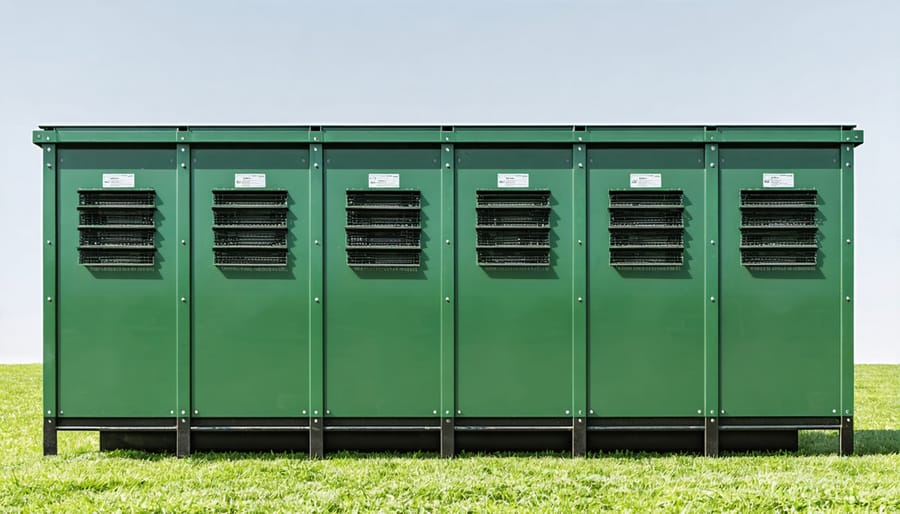
Proper ventilation is the unsung hero of successful composting, playing a crucial role in managing odors and maintaining optimal decomposition conditions. A well-designed ventilation system helps your composting facility maintain the perfect balance of oxygen flow while keeping unwanted smells at bay.
The key to effective ventilation lies in creating a smart airflow pattern. Start by positioning air intake vents at the base of your composting area, allowing fresh air to enter naturally. These should be paired with exhaust vents or chimneys at the top, creating a natural upward draft that pulls air through your compost pile.
For indoor or enclosed facilities, consider installing small fans to enhance air circulation. These don’t need to be powerful – gentle, consistent airflow is more effective than strong gusts. Position fans strategically to create a cross-breeze that moves air across your compost piles rather than directly onto them.
Adding a biofilter layer at exhaust points can significantly reduce odors. This can be as simple as a layer of finished compost or wood chips that naturally filter the air as it exits. For larger setups, you might want to include adjustable vents that allow you to control airflow based on weather conditions and composting stages.
Remember, good ventilation doesn’t mean excessive airflow – you’re aiming for that sweet spot where your pile gets enough oxygen without drying out or cooling down too much.
Pest-Resistant Features
A well-designed composting facility should incorporate several key features to discourage unwanted wildlife visitors. Start with a sturdy base made of hardware cloth or metal mesh, extending at least 6 inches below ground level to prevent burrowing animals from accessing your compost from underneath. This foundation works alongside other natural pest control methods to maintain a healthy composting environment.
Choose enclosed bins with tight-fitting lids that lock securely. These containers should be made of heavy-duty materials like thick plastic or metal that rats and raccoons can’t chew through. Small air holes for ventilation should be no larger than ¼ inch in diameter to prevent mice from squeezing through.
Proper placement matters too. Position your composting area away from structures that wildlife might use as bridges or launching points. A cleared space of about 2-3 feet around the facility makes it harder for climbing animals to access the bins.
Remember to maintain good composting practices: bury food scraps in the center of the pile, avoid adding meat or dairy products, and keep a healthy balance of brown and green materials. A well-managed pile produces less odor, making it less attractive to scavenging animals while creating nutrient-rich compost for your garden.
Material Selection and Layout
Weather-Resistant Materials
When designing your composting facility, choosing the right weather-resistant materials is crucial for longevity and efficiency. Galvanized steel and marine-grade stainless steel are excellent choices for structural components, as they resist rust and can withstand years of exposure to moisture and varying temperatures. These metals maintain their integrity even in harsh urban environments where acid rain and pollution can be concerns.
For containment walls and bins, thick recycled plastic lumber offers outstanding durability while aligning with eco-friendly principles. Unlike traditional wood, it won’t rot, splinter, or require regular maintenance. High-density polyethylene (HDPE) is another fantastic option, especially for smaller facilities, as it’s lightweight yet incredibly durable.
Consider using powder-coated aluminum for frames and supports – it’s lightweight, corrosion-resistant, and perfect for urban settings where weight restrictions might be a concern. For flooring, concrete treated with a weather-resistant sealant provides excellent durability while ensuring proper drainage.
Don’t forget about covering materials! UV-resistant shade cloth or heavy-duty tarp materials can protect your compost from excessive rain while allowing proper airflow. These materials should be secured with corrosion-resistant fasteners and fixtures to ensure they stay in place during strong winds or storms.
Ergonomic Layout Planning
A well-planned composting facility layout saves time and makes your daily composting tasks much more enjoyable. Start by positioning your main compost bins where they’re easily accessible from both your kitchen and garden areas. Create clear pathways that are wide enough for wheelbarrows and garden carts – trust me, you’ll thank yourself later when you’re hauling materials!
Consider creating distinct zones: a receiving area for fresh materials, a mixing zone for combining browns and greens, and a curing area for finished compost. Each zone should flow naturally into the next, minimizing the distance you need to travel between tasks.
Storage areas for tools and bulk materials like leaves and wood chips should be within arm’s reach of your working area. If possible, include a covered storage space to keep your carbon-rich materials dry and ready to use. Place a water source nearby – having easy access to water is essential for maintaining proper moisture levels.
For larger operations, think about vehicle access. Whether it’s delivering materials or collecting finished compost, ensure there’s enough space for vehicles to turn around safely. Remember to position your bins with some wind protection, but where they still get good airflow.
Keep your layout flexible – you might want to expand or modify your system as your composting journey evolves!
Temperature and Moisture Control

Insulation Strategies
Maintaining consistent temperatures in your composting facility is crucial for efficient decomposition. A well-insulated system helps keep the beneficial microorganisms active year-round, even during temperature swings. Start with the walls of your facility, using materials like straw bales or recycled rigid foam insulation to create a protective barrier against external temperature changes.
For smaller operations, consider double-walling your bins with a gap filled with natural materials like wood chips or sawdust. This creates an excellent thermal buffer zone. In colder climates, placing your facility against a south-facing wall can help capture and retain solar heat during winter months.
Don’t forget about floor insulation! A layer of gravel beneath your concrete slab prevents ground moisture from cooling your compost pile. Adding rubber mats or wooden pallets on top of the concrete creates an additional insulating layer while improving drainage.
For pile coverage, use breathable materials like specialized compost covers or thick layers of straw. These allow necessary air exchange while keeping heat in and excess moisture out. During extreme weather, temporary windbreaks made from recycled materials can provide extra protection without compromising ventilation.
Remember, good insulation not only maintains temperature but also reduces the energy needed to keep your composting process active and efficient.
Moisture Management
Maintaining proper moisture levels in your composting facility is crucial for successful decomposition. Think of your compost pile as a living ecosystem – it needs just the right amount of water to thrive, much like your garden’s soil management practices.
A well-designed facility should include features to control moisture in all weather conditions. Start with a slight slope (about 2%) in your concrete pad or base to prevent water pooling. Installing gutters and downspouts around your facility helps direct rainwater away from your compost piles while collecting it for later use during dry spells.
Consider incorporating a water collection system with storage tanks or rain barrels. This sustainable approach ensures you’ll have water on hand when needed. For active moisture management, include several water access points throughout your facility, whether they’re simple spigots or a more sophisticated irrigation system.
During wet seasons, a roof or covering system becomes invaluable. Retractable tarps or permanent roofing protect your piles from excessive rainfall while allowing for proper ventilation. Remember to include drainage channels around the perimeter to handle any runoff and prevent waterlogging.
Maintenance Access Design
Easy maintenance access is crucial for the long-term success of your composting facility. Think of it as creating convenient pathways that let you tend to your compost pile without breaking a sweat. The key is to design your facility with wide, clear paths that accommodate wheelbarrows and garden tools.
For small backyard composters, leave at least 3 feet of clearance on all sides of your bins. This gives you plenty of room to turn the pile with a pitchfork or collect finished compost. If you’re using multiple bins, arrange them in a row with enough space between each one to maneuver comfortably.
Consider installing a solid, level surface around your composting area – concrete pavers or crushed gravel work well. This prevents the ground from becoming muddy during wet weather and makes it easier to wheel equipment around. For larger facilities, include designated maintenance lanes that are at least 6 feet wide.
Don’t forget about overhead access! Keep tree branches trimmed back and avoid placing bins under low-hanging structures. This allows you to work standing upright and prevents strain on your back. If you’re building enclosed bins, make sure the front panels are removable or hinged for easy access during turning and harvesting.
Place your water source, tool storage, and material stockpiles within easy reach of your composting area. This thoughtful arrangement saves time and energy during routine maintenance tasks. Remember, the easier it is to maintain your compost, the more likely you’ll stick with it!
Creating a successful composting facility doesn’t have to be complicated. By following the key design principles we’ve explored, you can build an efficient and productive composting system that works for your space and needs. Remember to prioritize good airflow, proper drainage, and easy access for maintaining your pile. Whether you’re working with a small urban balcony or a spacious backyard, the fundamentals remain the same: choose the right location, implement a practical layout, and ensure your system can handle your expected organic waste volume.
Don’t be afraid to start small and expand as you gain confidence. Many successful composters began with a simple bin and gradually developed their setup based on experience and needs. The most important thing is to get started and learn through hands-on practice.
As you design your composting facility, keep sustainability in mind. Consider using recycled materials, implementing water-saving features, and planning for future growth. With these principles as your foundation, you’ll be well on your way to creating nutrient-rich compost that benefits both your garden and the environment.
Remember, every great composting system starts with thoughtful design. Take what you’ve learned here and adapt it to create your perfect composting solution.