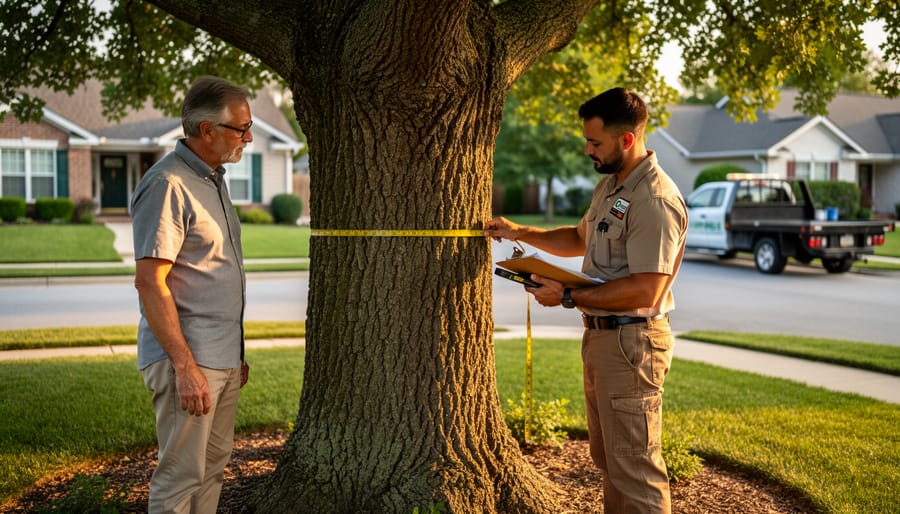
You’ve just received a notice from your HOA about invasive plants in your yard, or spotted a “native species only” sign at your local nursery, and now you’re wondering if you need to rip out half your garden. Take a breath—this doesn’t have to mean starting from scratch or sacrificing the landscape you love.
Check your property for plants on your state’s invasive species list first, focusing on aggressive spreaders like Japanese barberry, Bradford pear, or burning bush that actually threaten local ecosystems. Most regulations target specific troublemakers rather than broad categories, so that beloved hosta or daylily is probably fine. Request written clarification from your HOA or municipality about which plants require removal and what timeline you’re working with, since enforcement varies wildly between jurisdictions.
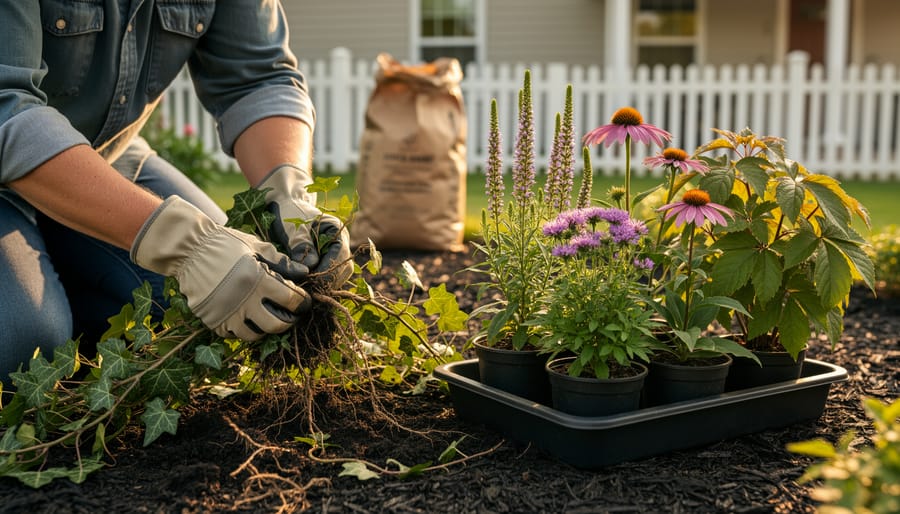
Replace problem plants strategically by matching native alternatives to the same growing conditions and visual appeal—swap purple loosestrife for blazing star, or trade English ivy for Virginia creeper. This approach maintains your garden’s structure and beauty while satisfying regulations. Start with the most visible or problematic specimens rather than tackling everything at once, spreading the project across seasons to manage both budget and workload.
These requirements exist because invasive species genuinely damage local habitats, outcompete wildlife food sources, and cost billions in ecological damage annually. Understanding the why behind the rules transforms compliance from a chore into an opportunity to create a more resilient, lower-maintenance garden that supports butterflies, birds, and beneficial insects. Your yard can actually become more beautiful and functional, not less.
What Makes a Plant ‘Native’ or ‘Invasive’?
Native Plants: The Original Locals
Think of native plants as the original residents of your neighborhood—they’ve been here for thousands of years, perfectly adapted to your local climate, soil, and wildlife. In the Pacific Northwest, Douglas fir and Western red cedar dominate, while the Southeast boasts beauties like Eastern redbud and black-eyed Susans. Desert gardeners in the Southwest have incredible options like palo verde trees and desert marigolds.
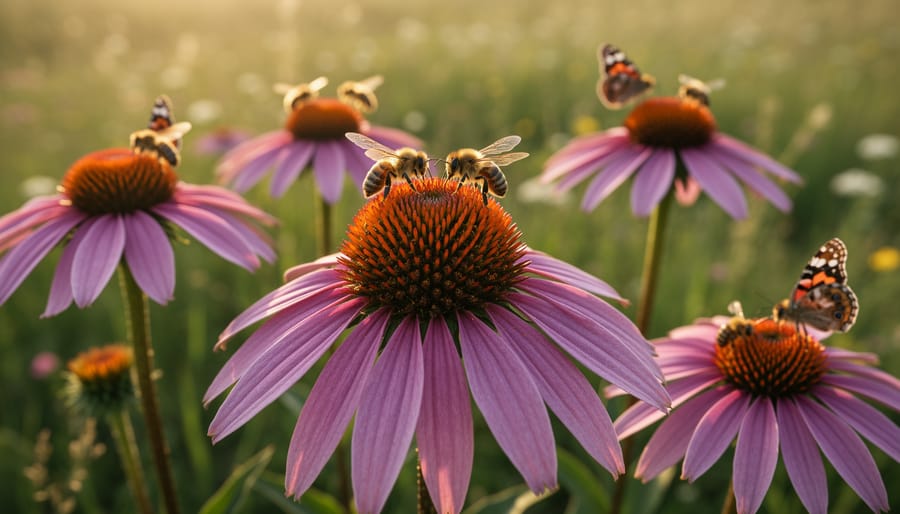
What makes these plants truly special is their evolutionary relationship with local wildlife. Native bees, butterflies, and birds have developed alongside these plants for millennia, creating intricate partnerships. For example, monarch butterflies depend entirely on native milkweed species for their survival—introduced ornamental milkweeds simply won’t do the job properly.
These plants are already adapted to your area’s rainfall patterns, temperature swings, and soil conditions. That means less watering, fewer fertilizers, and minimal fussing once established. A native prairie plant in Illinois, for instance, develops deep roots that can reach ten feet down, making it incredibly drought-resistant and helping prevent soil erosion. When you choose native plants, you’re working with nature rather than against it—and your garden maintenance becomes surprisingly easier.
Invasive Species: When Plants Become Bullies
Think of invasive plants as uninvited party guests who not only crash the gathering but also push everyone else out of the room. What makes a plant invasive? Three key factors: they spread aggressively, they lack natural predators in their new environment, and they disrupt the local ecosystem balance.
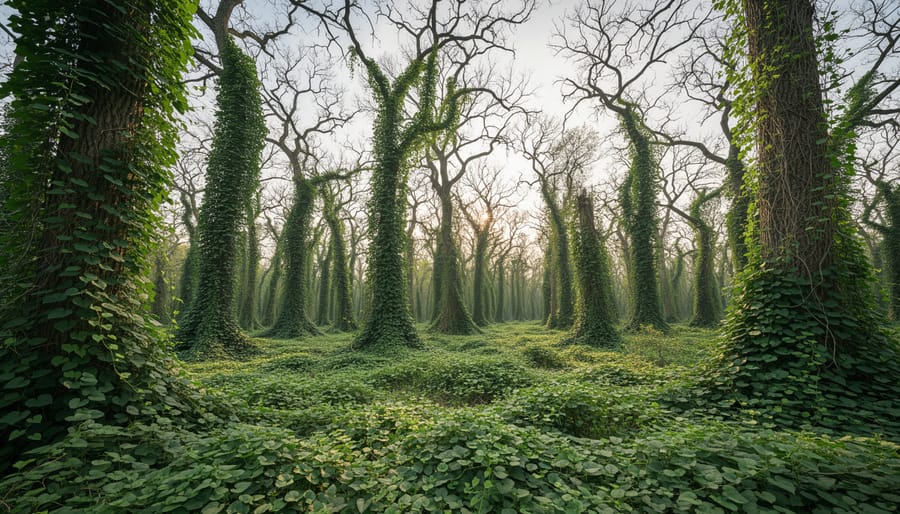
You’ve probably met some of these bullies in your own backyard. English ivy climbs everything in sight, smothering trees and native groundcovers. Japanese honeysuckle creates dense tangles that choke out diverse plant communities. Purple loosestrife, while gorgeous with its purple spikes, transforms wetlands into monocultures where little else survives.
These plants often arrived with good intentions as ornamentals, escaping gardens to colonize wild spaces where local insects, birds, and wildlife don’t recognize them as food sources. Without natural checks and balances, they reproduce rapidly and crowd out native species that wildlife depends on for survival.
The tricky part? Many invasive plants are still sold at nurseries, making it easy to accidentally introduce them to your garden. That’s where those new regulations come in, helping protect our local ecosystems by limiting plants that have proven track records of causing environmental harm.
The Gray Area: Non-Native But Not Invasive
Here’s the good news: not every non-native plant is a garden villain! Many plants from other regions happily coexist with local ecosystems without causing problems. Think of beloved garden staples like tomatoes, tulips, and daylilies—none are native to most of North America, yet they don’t spread aggressively or crowd out native species.
The key difference? These well-behaved non-natives lack the aggressive characteristics that make plants invasive. They don’t produce thousands of wind-dispersed seeds, they don’t spread through underground runners that pop up everywhere, and they typically need your care to survive rather than taking over neighboring properties.
When I spoke with landscape designer Maria Chen, she explained it perfectly: “A non-native plant that stays where you put it and doesn’t escape into natural areas is just a garden plant. It’s when species jump the fence and start displacing native communities that we have a problem.”
This distinction matters when you’re reviewing local regulations. Many ordinances specifically target invasive species rather than banning all non-natives, giving you plenty of planting options that comply with the rules while maintaining your garden’s diversity and beauty.
Why Invasive Species Bans Are Happening Now
The Real Cost of Invasive Plants
Understanding why these regulations exist can help shift your perspective from frustration to purpose. Invasive plants create a ripple effect of problems that extend far beyond our garden gates.
Let’s talk money first. Invasive species cost the United States an estimated $120 billion annually in control efforts and lost productivity. In agriculture and forestry, plants like kudzu in the Southeast can smother entire crops and forests, reducing yields and requiring expensive removal. Your local municipality likely spends thousands of dollars each year battling invasives in parks and natural areas—funds that could otherwise support community programs.
The ecological damage runs even deeper. When English ivy blankets forest floors, it prevents native wildflowers from sprouting, eliminating food sources for pollinators. Purple loosestrife has overtaken wetlands across North America, pushing out native plants that waterfowl depend on for nesting. I spoke with wildlife biologist Dr. Sarah Chen, who explained how invasive shrubs like autumn olive create “ecological deserts”—they leaf out earlier and grow so densely that native plants can’t compete, leaving birds without the specific insects and berries they’ve evolved to need.
These plants also increase wildfire risk and alter soil chemistry, making restoration incredibly difficult. The good news? Your plant choices genuinely matter in reversing these trends.
Success Stories: When Bans Actually Work
Let me share some encouraging news: when communities come together, invasive species management really works!
Take Florida’s success with Brazilian pepper tree, for instance. Through coordinated removal efforts and strict nursery regulations, many counties have seen dramatic reductions in this aggressive invader. Native wildlife is returning, and gardeners are discovering beautiful alternatives like Florida privet and Simpson’s stopper that thrive without causing ecosystem damage.
New Zealand offers another inspiring example. Their border biosecurity measures have prevented countless invasive plants from entering the country, while community-led “weed warriors” programs have mobilized thousands of volunteers to restore native habitats. The result? Healthier forests and more vibrant gardens featuring indigenous plants.
Closer to home, many California communities have successfully controlled pampas grass through early detection and rapid response programs. What I find particularly heartening is how gardeners embraced native alternatives like deer grass and pink muhly grass, creating equally stunning landscapes while supporting local butterflies and birds.
These success stories share common threads: clear regulations, accessible education, and gardeners who saw restrictions not as limitations but as opportunities to create resilient, ecologically sound gardens. Your participation in these efforts truly makes a difference. When you choose compliant plants and report concerning species, you’re joining a proven movement that protects both your garden and the wider environment.
How to Find Out What’s Banned in Your Area
State and Federal Invasive Species Lists
Understanding which plants are officially designated as invasive starts with checking authoritative resources. Each state maintains its own invasive species list, typically managed by departments of agriculture or natural resources. These lists aren’t just suggestions—they’re often legally binding, meaning certain plants cannot be sold, transported, or intentionally planted within state boundaries.
The federal government maintains lists too, primarily through the USDA and the U.S. Fish and Wildlife Service. These typically focus on species that threaten agricultural interests or protected ecosystems across multiple states. To find your state’s list, simply search for your state name plus “invasive species list” or “noxious weed list.” Most states provide downloadable PDFs with photos and descriptions.
Enforcement varies considerably. Some states impose fines for planting listed species, while others focus educational efforts on nurseries and landscapers. Local jurisdictions may add their own restrictions beyond state requirements, similar to city regulations governing tree removal. The Invasive Plant Atlas of the United States and the National Invasive Species Information Center offer comprehensive databases that cross-reference federal and state lists, making them excellent starting points for your research.
Local Ordinances and HOA Requirements
Before you dig in, it’s worth checking whether your neighborhood has specific rules beyond state guidelines. Many cities and counties have their own plant lists, particularly in areas prone to wildfires or water shortages. Your homeowner association might be even stricter, requiring pre-approval for certain species or mandating specific native plants for front yards.
Start by calling your city’s planning department or visiting their website—they’re usually happy to help. Ask specifically about invasive species prohibitions and native planting requirements. These often overlap with utility easement regulations, so it’s smart to understand all the rules at once.
If you’re part of an HOA, request a copy of the landscaping guidelines. I’ve found that being proactive and submitting a simple planting plan can prevent headaches later. When local ordinances seem overwhelming, remember they’re designed to protect everyone’s property values and environmental health—and they might actually introduce you to beautiful plants you hadn’t considered before.
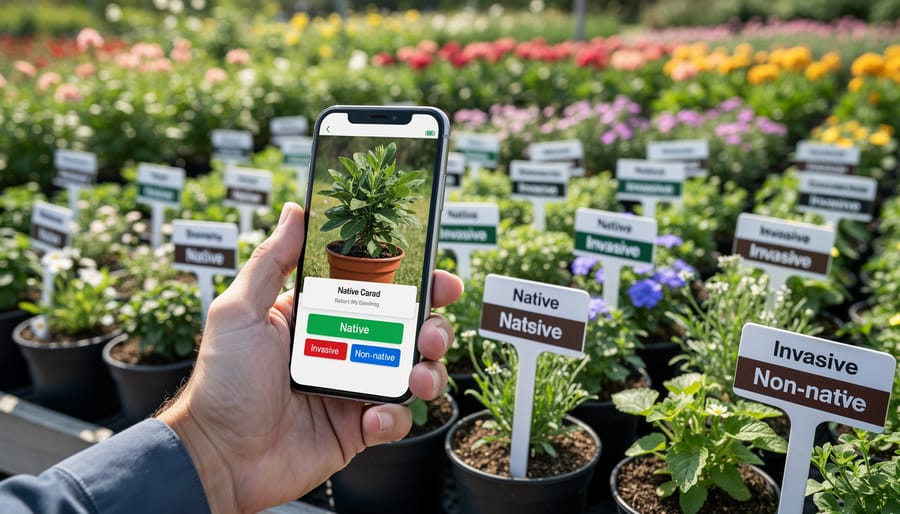
Nursery Labels and Certifications to Look For
When you’re shopping at your local nursery, knowing what to look for can make all the difference. Start by checking plant tags for clear labels indicating whether a plant is native to your region or potentially invasive. Many reputable nurseries now mark plants with designations like “Native to [Your State]” or include botanical names that help you research further.
Look for nurseries that participate in certification programs such as the Native Plant Finder or those affiliated with native plant societies. These establishments often have staff trained to answer questions about local ecology and regulations. Don’t hesitate to ask questions like “Is this plant considered invasive in our area?” or “What native alternatives would you recommend?”
Some nurseries also label plants with helpful icons showing whether they’re deer-resistant, pollinator-friendly, or drought-tolerant. If a nursery can’t answer basic questions about native versus invasive species, consider taking your business elsewhere. Your purchasing choices support responsible growing practices and protect your local ecosystem.
What to Do If Your Favorite Plant Is Banned
Understanding Grandfather Clauses and Existing Plants
Good news if you’re worried about ripping out your entire garden! Most regulations include grandfather clauses that protect plants already established in your landscape. This means if you planted that beautiful butterfly bush or ornamental pear tree before the ban took effect, you typically won’t be forced to remove it. Think of it as legal recognition of your investment and effort.
However, there’s an important catch to understand. While you can usually keep existing plants, many ordinances prohibit replacing them if they die or require removal for other reasons. Some municipalities also ask that you not propagate or share cuttings from grandfathered invasive species, preventing further spread in your community.
I recently spoke with landscape designer Maria Chen, who explained, “Grandfather clauses give gardeners breathing room to transition gradually. It’s about moving forward thoughtfully, not punishing past choices.” Check your local regulations for specifics, as rules vary by location. This grace period is the perfect opportunity to plan which native alternatives you’ll introduce as you naturally refresh your garden over time.
Finding Look-Alike Alternatives
Finding native alternatives to your favorite invasive plants is easier than you might think! Start by identifying what you love about the plant you need to replace. Is it the purple blooms, the feathery texture, or perhaps its drought tolerance? Once you know what draws you to it, you can search for native plants with those same qualities.
Your local native plant society is an incredible resource. Many maintain databases specifically designed to match invasive plants with native look-alikes. For instance, if you’re replacing burning bush for its brilliant red fall color, consider native alternatives like Virginia sweetspire or chokeberry.
Extension offices and native plant nurseries can provide region-specific recommendations that thrive in your exact conditions. Don’t hesitate to bring photos of your current plants when visiting these experts.
Online tools have made this process remarkably simple too. Several conservation organizations offer “plant finder” databases where you can filter by bloom color, height, sun requirements, and even wildlife benefits. I’ve discovered some of my favorite garden performers this way, including plants I never knew existed in my region!
Safe Removal and Disposal Methods
Removing invasive plants requires care to prevent spreading seeds or root fragments that could establish new colonies. Before you start, check if your municipality requires removal permits for certain species.
For most invasives, dig out the entire root system when soil is moist, making extraction easier. Place removed plants in sealed bags rather than compost bins, as many invasive seeds and roots survive composting temperatures. Never leave pulled plants on the ground or toss them into wooded areas, where they’ll likely reestablish.
The safest disposal method is through municipal yard waste programs that use commercial composting facilities with proper heat levels. Some communities offer special collection days for invasive species. If bagging for trash pickup, let plants dry completely first to prevent regrowth. For particularly aggressive species, contact your local extension office about approved disposal sites. Remember, a little extra effort now prevents years of regrowth battles later.
Making Sense of Native Planting Requirements
Where Native Requirements Usually Apply
You’ll most commonly encounter native planting requirements when tackling certain types of projects or working in specific locations. New construction and major renovations often trigger these regulations—many municipalities now require a percentage of landscaping to include native species, particularly for commercial developments or subdivisions. If you’re building your dream home, check with your local planning department early in the design process.
Public and community projects almost always involve native species mandates. Parks, school gardens, and municipal green spaces typically follow strict guidelines favoring local plants. This makes perfect sense when you consider these spaces serve as community examples and habitat corridors for wildlife.
Shoreline and wetland restoration projects represent another common scenario where natives are essential. If your property touches a lake, river, or protected waterway, you’ll likely face planting restrictions designed to protect water quality and prevent erosion. These sensitive areas benefit enormously from deep-rooted native plants.
Grant-funded gardens also come with strings attached—the good kind! Many conservation grants, rain garden subsidies, and pollinator habitat programs specifically require native species. The funding often covers plant costs, making it a win-win situation for your wallet and local ecosystems.
What Percentage Counts as ‘Native’?
If you’re facing requirements for native plantings, you’re probably wondering exactly what percentage you need to hit. The answer varies widely depending on where you live and which regulation you’re dealing with.
Many municipalities and HOAs set the bar at 50% to 75% native plants for new landscaping or major renovations. Some stricter regions might require 80% or more, while others simply encourage natives without enforcing specific numbers. Before you start replanting everything, check your local requirements. Your city’s planning department or HOA documents should spell out the exact expectations.
Here’s the encouraging news: most regulations leave room for flexibility. That 50% requirement means you can still dedicate half your garden to beloved non-native ornamentals, heirloom roses, or vegetable beds. Think of it as an opportunity to create a balanced landscape rather than an all-or-nothing proposition.
When calculating percentages, regulations typically measure by square footage of planted area, not by individual plant count. This means a single large shade tree counts for more than a small perennial. Some areas also exempt food gardens and container plantings from native requirements, giving you even more creative freedom. The key is understanding your specific rules and then designing within them.
The Benefits You’ll Actually Notice in Your Garden
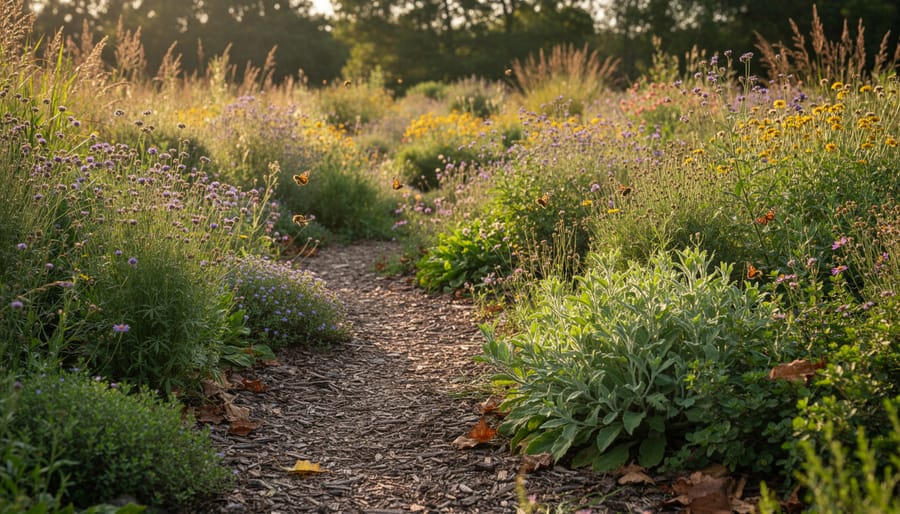
Less Watering, Fertilizing, and Fussing
Here’s the good news that might just change your weekend plans: native plants are the low-maintenance friends every gardener dreams of. Once established, they typically need far less attention than non-native species because they’ve spent thousands of years adapting to your local conditions.
Think about it this way. A plant that evolved in your region already knows how to handle your summer droughts, surprise spring freezes, and typical soil composition. That means you can drastically reduce watering once these plants settle in, usually after their first growing season. Many natives thrive on rainfall alone, saving you time, effort, and money on your water bill.
The same goes for fertilizing. Native plants developed in your local soil, so they don’t need the constant feeding that exotic species often demand. Your yard’s natural nutrients are exactly what they’re designed to use. This also means fewer trips to the garden center and less chemical runoff into local waterways.
I’ve spoken with gardeners who initially worried that switching to natives meant more work, but they consistently tell me the opposite is true. After that first year of establishment, their gardens practically take care of themselves, leaving more time for enjoying their outdoor spaces rather than constantly tending them.
The Wildlife Show in Your Backyard
Here’s what really excites me about making the switch to native plants—it’s like rolling out the welcome mat for nature’s most charming visitors! Once you start planting natives, your backyard transforms into a buzzing, fluttering hotspot of activity.
I’ve watched gardeners go from spotting an occasional butterfly to hosting dozens of species throughout the season. Native milkweed alone attracts monarchs, while purple coneflowers bring in swallowtails and fritillaries. You’ll notice more bees too—not just honeybees, but fascinating native species like bumblebees and mason bees that are incredibly efficient pollinators.
The bird activity is equally remarkable. Native plants produce the seeds, berries, and insects that birds actually need. A friend who planted native oakleaf hydrangea and serviceberry told me she went from filling her feeders weekly to barely needing them—the birds were feasting naturally.
Beneficial insects multiply as well. Ladybugs, lacewings, and predatory wasps (the helpful kind!) take up residence, creating a natural pest control system. You’re essentially building a balanced ecosystem where wildlife does much of the garden management for you. It’s entertainment and environmental stewardship rolled into one beautiful package.
Stronger, More Resilient Plants
Here’s something I’ve witnessed time and again in gardens across the country: native plants are remarkably tough. Because they’ve evolved alongside local pests and diseases for thousands of years, they’ve developed natural defenses that non-native plants simply don’t possess. This means fewer battles with aphids, fungal infections, and mysterious leaf spots.
During last summer’s drought, I visited a garden where native coneflowers and black-eyed Susans stood tall and vibrant while nearby exotic perennials wilted despite regular watering. Native plants have deep root systems adapted to local rainfall patterns and soil conditions, making them naturally resilient during weather extremes.
The best part? You’ll likely spend less time spraying pesticides and fungicides, saving money while protecting beneficial insects like butterflies and bees. Master gardener Helen Rodriguez shared with me that after transitioning to natives, her garden maintenance dropped by half, yet her plants looked healthier than ever. That’s the power of working with nature rather than against it.
Getting Started With Native Plants (Without Starting Over)
Start With One Bed or Border
Transforming your entire yard might feel overwhelming, so here’s my secret: start small and celebrate that victory. Choose just one bed or border to convert to natives first—you’ll learn what works without taking on too much at once.
I recommend beginning with your most visible bed, like the area near your front entrance. Every time you come home, you’ll see your progress and feel motivated to continue. Plus, neighbors and visitors will notice the beautiful transformation, which helps normalize native plantings in your community.
Alternatively, start with your most problematic area. That shady corner where nothing thrives? Native woodland plants will likely flourish there. Or tackle that sunny slope where invasive vines keep returning—deep-rooted native perennials can outcompete them naturally.
Take photos before you begin, then document your progress throughout the seasons. You’ll be amazed at the difference within just one year, and that success will fuel your next native planting project.
Easy Native Plants That Look Like Garden Favorites
Making the switch to natives doesn’t mean sacrificing the garden style you love. I’ve found that for nearly every popular garden plant, there’s a native cousin that’s just as beautiful and far easier to grow once established.
If you adore hostas but garden in a sunny spot, try native wild gingers instead. Their heart-shaped leaves create similar ground-covering lushness without the slug damage. For those classic cottage garden vibes, swap out invasive dame’s rocket for native phlox species, which offer the same romantic clusters of fragrant blooms in whites, pinks, and purples.
Love the drama of ornamental grasses? Switch fountain grass for native little bluestem, which delivers gorgeous copper and burgundy fall color. Instead of burning bush (banned in many states), go with native sumacs or Virginia sweetspire for that same fiery autumn display.
For formal gardens, native alternatives shine too. Replace boxwood with inkberry holly for evergreen structure, or use American beautyberry instead of callicarpa varieties from Asia. The purple berries are equally stunning and birds actually benefit from them.
The best part? These natives typically need less water, fewer pesticides, and minimal fussing once they’re settled in. I always tell beginners to start with just one or two substitutions per season. You’ll quickly discover that native doesn’t mean wild or unruly; it means plants perfectly adapted to thrive exactly where you garden.
Where to Buy Quality Native Plants
Finding quality native plants has become much easier as more nurseries recognize their value! Start by searching for native plant nurseries in your area through local native plant societies or botanical gardens, which often maintain lists of trusted sources. Many conservation organizations host seasonal native plant sales with expert staff who can answer your questions and ensure you’re getting true natives.
When shopping, ask whether plants are nursery-propagated rather than wild-collected, which helps protect natural populations. Watch out for “nativars”—cultivated varieties of native plants that may have altered characteristics like doubled flowers or unusual foliage colors. While not necessarily harmful, these often provide less benefit to local wildlife than straight species.
Online retailers specializing in native plants can be excellent resources, especially if local options are limited. Look for businesses that clearly list the geographic origin of their plants and specify whether they’re regionally appropriate for your area. Don’t hesitate to ask questions about plant provenance—reputable sellers appreciate informed customers and will happily discuss their growing practices.
Creating a Transition Plan
You don’t need to overhaul your entire garden overnight. Start by making a simple list of your current plants and noting which are invasive in your region. As plants naturally decline or need replacement due to disease or age, swap them for native alternatives. This approach spreads the cost and effort over several seasons, making it manageable for any budget.
Consider creating zones, beginning with the most visible areas or those requiring the most maintenance. Many gardeners find that replacing just one or two invasive groundcovers or shrubs each year creates meaningful change without overwhelming their schedule or wallet. Keep a running wish list of native plants you’d like to try, and watch for sales at local nurseries. Before you know it, you’ll have transformed your space into a thriving native garden that supports local wildlife while meeting any regulatory requirements.
If you’ve made it this far, you already know more about native and invasive species than most gardeners, and that’s something to celebrate! While regulations around these plants might have seemed daunting at first, they’re actually quite manageable once you understand the basics. Think of them less as restrictions and more as guardrails that help steer you toward beautiful, thriving gardens that work with nature instead of against it.
The truth is, choosing native plants and avoiding invasives isn’t just about staying on the right side of the law. It’s a decision that rewards you with gardens that require less maintenance, attract fascinating wildlife, and connect you more deeply to the natural heritage of your region. Many gardeners who’ve made the switch report spending less time fighting pests and watering, and more time actually enjoying their outdoor spaces. That’s a win worth pursuing.
So here’s your gentle challenge: take one small step this week toward learning about native options for your specific area. Visit your local native plant society’s website, stop by a specialty nursery, or simply search for native alternatives to your current favorite plants. You might discover a stunning local wildflower you never knew existed, or a native shrub that outperforms anything you’ve grown before. The world of native plants is rich with possibilities, and it’s waiting for you to explore it. Your garden, your local ecosystem, and honestly, your future self will thank you.