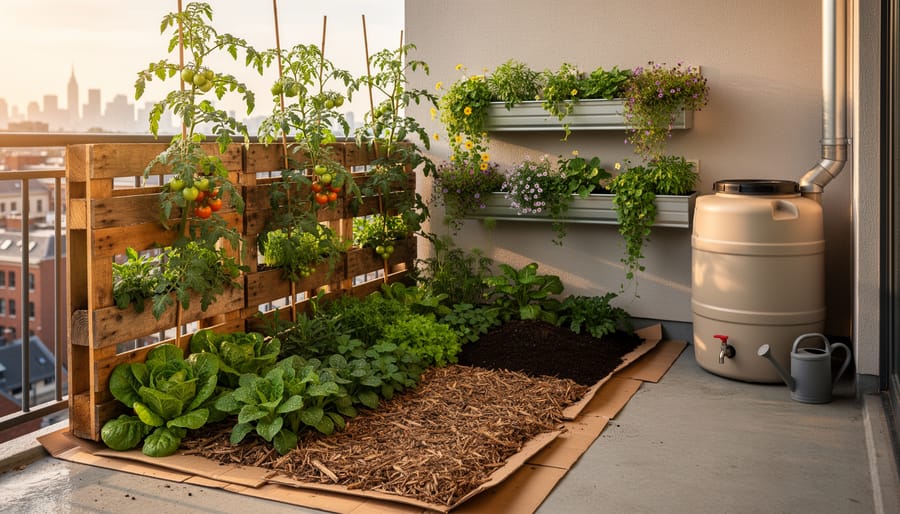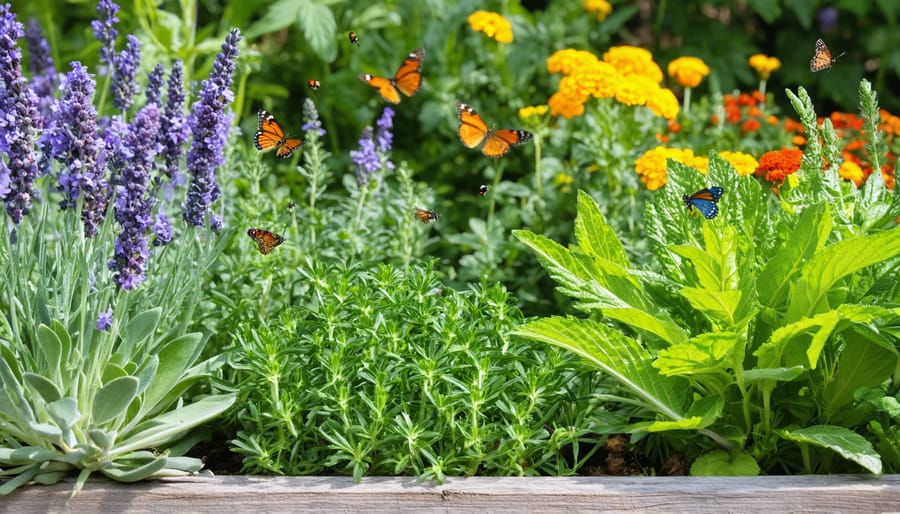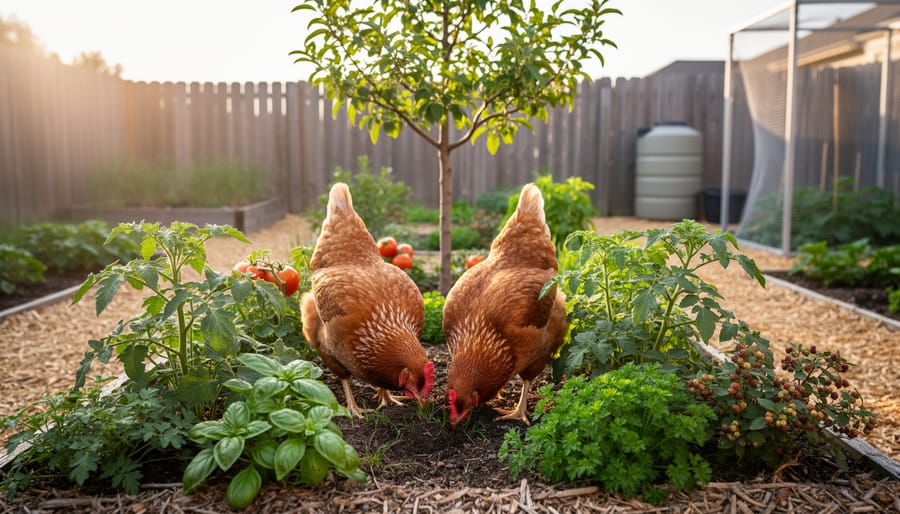
Transform barren soil into thriving ecosystems by mimicking nature’s patterns. Start with observing water flow across your property for 24 hours during rain, marking where puddles form and streams develop, then design swales or berms along these contour lines to capture and slowly release moisture into planting areas. Layer your garden vertically just as forests do, placing fruit trees as the canopy, berry bushes at mid-level, herbs and vegetables as ground cover, and root crops below, creating seven productive layers in the same footprint where you once grew only one crop.
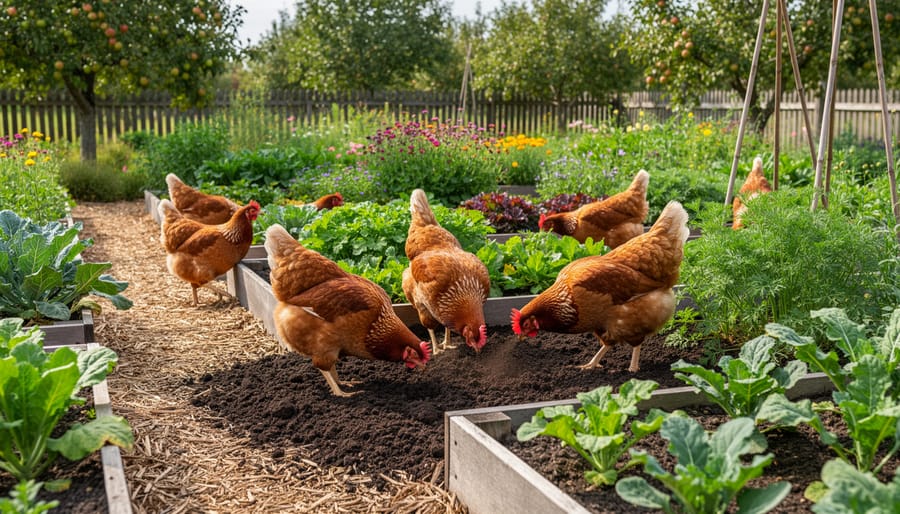
Integrate animals strategically, even in small spaces. A few chickens rotated through garden beds after harvest will scratch up pest larvae, fertilize soil, and prepare ground for next season’s planting without requiring tractors or tillers. Move them every three to five days using portable fencing to prevent overgrazing and ensure even nutrient distribution.
Design permanent pathways and perennial plantings first, establishing the bones of your system that will produce for decades with minimal intervention. This regenerative approach reverses soil degradation, builds organic matter yearly, and creates self-maintaining fertility cycles that reduce your workload while increasing yields. Whether you manage five acres or a suburban backyard, these principles scale beautifully, turning conventional gardening wisdom inside out by working with natural processes rather than against them. The result is resilient landscapes that become more productive and require less input with each passing season.
What Permaculture Animal Systems Really Mean for Home Gardeners
The Circle of Give and Take
Nature operates on beautiful reciprocal relationships, and nowhere is this more evident than in how animals interact with our gardens. Think of it as a neighborhood exchange program where everyone benefits!
When you invite chickens into your backyard rotation, they’re not just wandering around looking cute. Those birds are working hard, scratching through mulch and soil to hunt insects and grubs that might otherwise damage your plants. At the same time, their scratching breaks up compacted soil and works organic matter into the ground. In return for this pest control service, they get a buffet of bugs, weeds, and kitchen scraps, plus cozy shelter at night.
Even smaller creatures play vital roles in creating a self-sustaining ecosystem. Rabbits, for instance, produce nitrogen-rich manure that transforms into incredible fertilizer without the hot composting period that chicken manure requires. You can place it directly around plants. Meanwhile, your rabbits enjoy garden trimmings and grow healthy on forage you’d otherwise discard.
The magic happens when you stack these relationships. Ducks waddle through your garden beds eating slugs and snails while leaving behind gentler manure than chickens. Bees pollinate your vegetables while collecting nectar. Each animal receives shelter, food, or protection, and your garden becomes healthier and more productive. It’s not charity; it’s collaboration that makes everyone thrive.
Starting Small: Animals That Fit Any Space
You don’t need acres of farmland to welcome animals into your permaculture garden. In fact, some of the most productive systems I’ve seen started with just a few chickens in a suburban backyard. The key is choosing animals that match your available space and realistic time commitment.
Chickens remain the gateway animal for most home gardeners, and for good reason. Three to four hens can thrive in a 32-square-foot coop with access to a modest run, producing eggs while transforming kitchen scraps into valuable fertilizer. They’ll happily work garden beds between plantings, scratching through soil and eating pests. Just remember, they need daily care including fresh water, feeding, and egg collection. I spoke with Maria Chen, an urban permaculture educator, who told me, “People underestimate the time commitment. Chickens aren’t hard, but they are daily.”
Ducks offer similar benefits with different trade-offs. They’re messier with water but more cold-hardy and produce richer manure. They’re exceptional slug hunters too. You’ll need about the same space as chickens, plus a small water feature for their wellbeing.
Rabbits work beautifully in even tighter spaces. A hutch measuring just 6 by 2 feet can house a breeding pair. Their manure is among the best for gardens and can be applied directly without composting. However, breeding rabbits requires understanding their reproductive cycles and being comfortable with the realities of processing meat if that’s your goal.
Bees might surprise you as space-savers. A single hive occupies less than 4 square feet and bees forage up to three miles away. The time investment is seasonal rather than daily, with most intensive management happening during spring and summer inspections every week or two.
Regenerative Grazing Isn’t Just for Ranchers
How Moving Animals Heals Your Soil
The magic of moving animals lies in what happens when they leave. Think of it this way: when chickens scratch in one spot for weeks, they eventually turn it into bare dirt. But when they visit for just a day or two before moving on, something remarkable occurs.
Here’s the science made simple. When grazing animals munch on grass and move along quickly, the plants experience what I call “good stress.” They respond by pushing roots deeper into the soil, searching for nutrients and water. These deeper roots create channels that allow air and water to penetrate further down, breaking up compacted soil naturally. Meanwhile, the animal manure left behind feeds the soil microbes that make nutrients available to plants.
The recovery period is where the real transformation happens. While your chickens or rabbits are grazing elsewhere, the nibbled plants in the previous area bounce back stronger. Their roots grow deeper and more robust, and the soil life underneath explodes with activity.
Let me paint you a before-and-after picture. Before rotational grazing, you might have a chicken run with patchy grass, exposed dirt, and plants that never seem to fully recover. After implementing rotation, that same space transforms over a season into lush, resilient growth. The soil becomes spongier underfoot, absorbing rainwater instead of creating muddy puddles.
I’ve seen backyard gardeners completely revive worn-out spaces this way. One friend rotated her four backyard hens through three small paddocks using simple chicken wire fencing. Within six months, areas that were once compacted and bare developed thick grass and earthworm-rich soil. The key was giving each section three to four weeks of rest between grazing periods, allowing complete plant recovery and root regeneration.
The Chicken Tractor Revolution
Imagine having a small crew of feathered farmhands working your garden beds while you sip your morning coffee. That’s exactly what chicken tractors offer, and they’re wonderfully simple to implement in your backyard.
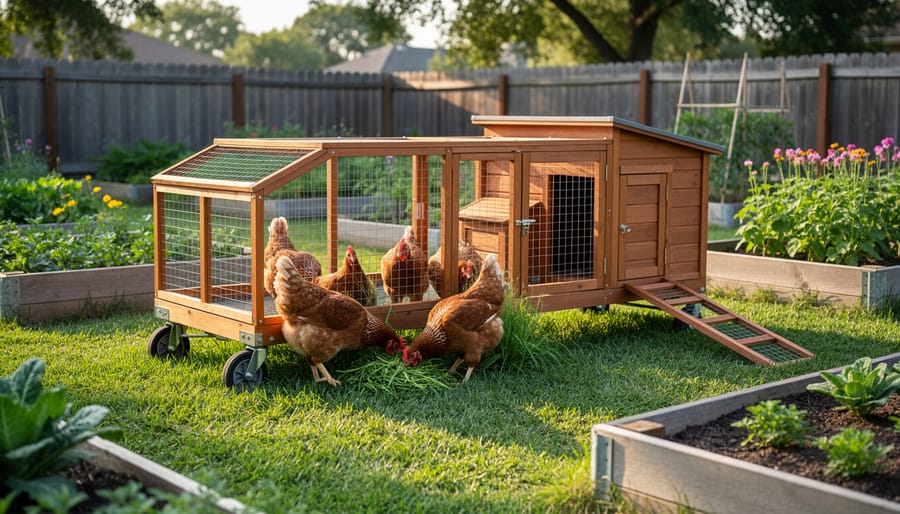
A chicken tractor is essentially a mobile chicken coop without a floor, allowing your birds to work directly on the soil. Think of it as bringing regenerative grazing principles down to garden scale. You move the structure every day or two, and your chickens systematically work through your garden, doing the heavy lifting for you.
The benefits are remarkable. Your chickens will scratch through weeds, pulling them up by the roots and eating seeds that would otherwise sprout next season. Their constant scratching naturally aerates compacted soil, often eliminating the need for manual tilling. As they work, they’re depositing nitrogen-rich manure exactly where you’ll plant next, creating perfect growing conditions.
I spoke with Martha Chen, a longtime permaculture educator, who shared her experience: “I used to spend hours weeding my beds each spring. Now my chickens do it in weeks, and the soil structure has improved dramatically. It’s transformed how I prepare my garden.”
The setup doesn’t need to be fancy. Many gardeners start with simple A-frame structures made from scrap lumber and chicken wire. The key is keeping it light enough to move easily while protecting your birds from predators. Position your tractor on future growing beds during fall and winter, and by spring, you’ll have perfectly prepared, fertilized soil ready for planting.
Real Benefits You’ll See in Your Garden
Soil That Actually Comes Alive
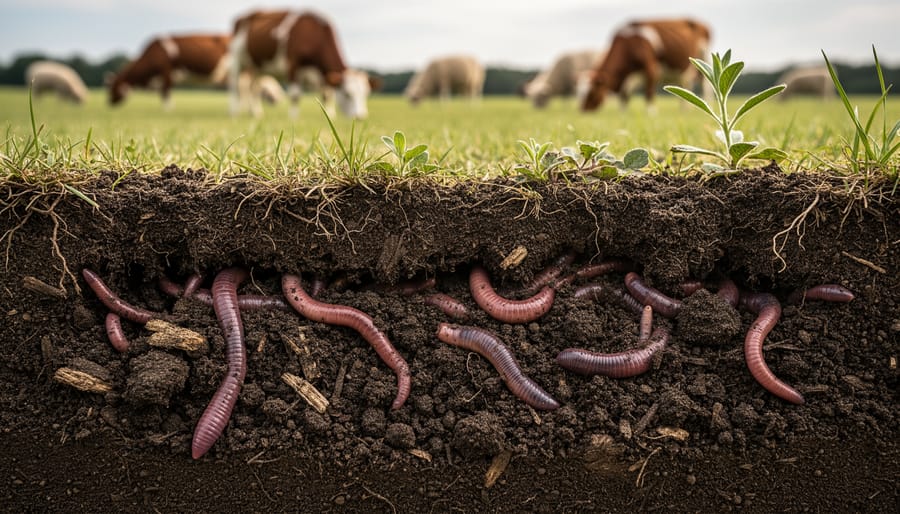
You’ll know your soil is truly transforming when you can feel the difference in your hands. Healthy, living soil has a distinct crumbly texture, almost like chocolate cake, that breaks apart easily but still holds together when gently squeezed. This is what gardeners call good soil structure, and it’s one of the first signs that your permaculture practices are working.
As organic matter increases through composting, mulching, and the natural breakdown of plant materials, your soil literally becomes darker and richer. That deep, coffee-brown color signals an abundance of nutrients and humus. Many gardeners tell me they notice this change within just one growing season of implementing regenerative practices.
The real magic happens at the microscopic level, though you can actually observe some of it yourself. Lift a shovelful of healthy soil and you’ll spot earthworms tunneling through, beetles scurrying about, and tiny white threads of beneficial fungi creating networks between plant roots. These are all indicators of thriving microbial activity.
The smell test is surprisingly reliable too. Living soil has a pleasant, earthy aroma, reminiscent of a forest floor after rain. If your soil smells sour or has no scent at all, it’s likely depleted and compacted.
Master gardener Susan Chen from Oregon shared with me that her garden soil went from dusty and lifeless to spongy and alive within two years of adding compost and practicing no-till methods. The transformation inspired her to convert her entire property to permaculture principles.
Pest Control That Works While You Sleep
One of the most delightful benefits of adding animals to your garden is their tireless work as natural pest controllers. While you’re catching your evening rest, chickens and ducks are busy disrupting the life cycles of common garden nuisances.
Chickens are exceptional insect hunters, scratching through mulch and soil to unearth grubs, beetles, and larvae. They’re particularly effective against Japanese beetles, grasshoppers, and tick populations. Their constant foraging behavior means they’re actively seeking out protein-rich bugs throughout the day. Ducks, on the other hand, are your slug and snail specialists. They’ll waddle through garden beds in the early morning or evening, targeting these moisture-loving pests without damaging your plants the way chickens might.
The simple presence of animals also disrupts pest breeding cycles. Their movement through garden spaces prevents insects from establishing permanent colonies, and their droppings create an environment less hospitable to certain pest species.
Let’s set realistic expectations though. Your feathered friends won’t eliminate every pest problem completely. You’ll still encounter aphids and cabbage worms, and you’ll need to manage your flock’s access to prevent them from eating your strawberries along with the slugs. Think of them as valuable team members in your pest management strategy rather than a complete solution. The reduction in pest pressure, however, can be genuinely significant and satisfying to witness.
Closing the Loop on Garden Waste
Here’s one of gardening’s most satisfying cycles: your chickens, rabbits, or goats transform what you’d typically toss into the compost bin into high-quality fertilizer while simultaneously cutting down their feed bills. Garden scraps like lettuce trimmings, carrot tops, and slightly wilted greens become instant nutrition for your animals. Those persistent weeds you pull? They’re actually packed with minerals your animals need.
I spoke with Maria Chen, a homesteader in Oregon, who estimates she saves about thirty dollars monthly on chicken feed just by incorporating garden waste into their diet. “My hens go crazy for bolted lettuce and dandelion greens,” she shared. “What used to frustrate me in the garden now excites me because I know it’s feeding my flock.”
The beauty of this system extends beyond waste reduction. Animals process these materials quickly, producing manure that’s perfect for enriching your garden beds. Chickens eating your excess zucchini plants in fall create fertilizer that grows next spring’s tomatoes. This closed-loop thinking is central to creating a low-effort garden where resources continuously cycle rather than being imported or discarded.
Getting Started: Your First Animal Integration Project
Assessing Your Space and Lifestyle
Before you welcome animals into your garden ecosystem, let’s take an honest look at what you’re working with. Think of this as a friendly reality check that’ll save you headaches down the road.
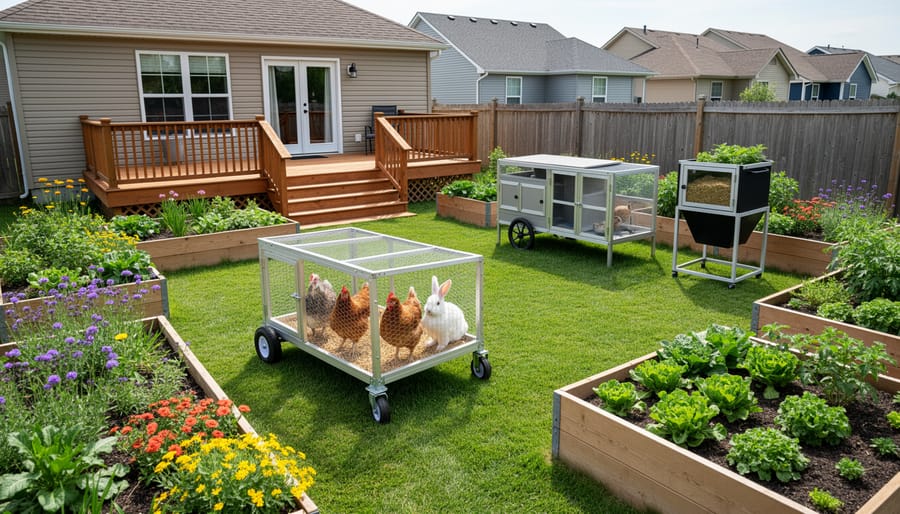
Start by measuring your actual space. A good rule of thumb: chickens need about 10 square feet per bird in their run, while rabbits require around 12 square feet each. Walk your property and identify where animals could realistically live without overcrowding your growing areas. Remember, happy animals need room to exhibit natural behaviors.
Time is your next consideration. Even low-maintenance animals require daily attention. Can you commit to feeding, watering, and checking on animals every single day, including holidays? Most backyard systems need 15-30 minutes of morning care and another 10-15 minutes in the evening. Be honest with yourself about your schedule.
Now for the less glamorous stuff. Check your local zoning regulations before falling in love with any animal. Many urban areas allow chickens but prohibit roosters, while some ban livestock entirely. A quick call to your city’s planning department can save you from costly mistakes.
Consider your neighbors too. Even quiet animals produce some noise and odors. I’ve found that bringing neighbors fresh eggs or inviting them to meet your animals works wonders for building goodwill. If you live in close quarters, starting with quieter species like rabbits or quail might be your best bet.
Setting Up Your First Rotation System
Starting your first rotation system is easier than you might think, and you don’t need acres of land to see real benefits. Let’s walk through creating a plan that works for your space.
For garden beds, the simplest approach divides your growing area into three or four zones. Think of it like a dance where plants move clockwise each season. Zone one might host heavy feeders like tomatoes and squash this year, followed by nitrogen-fixing beans next season, then light feeders like carrots, and finally a rest period with cover crops. Mark your zones with stakes and twine, or create a simple sketch to remember which plants go where.
If you’re working with chickens, a chicken tractor is your best friend. These portable coops let you move your flock every few days, giving each patch of ground about two weeks of chicken attention before a six to eight week rest. I move mine every three days during spring and fall when grass grows fastest. During hot summers, I extend rest periods to ten weeks so vegetation can recover fully.
Timing matters tremendously. Plan rotations around your growing seasons, not calendar months. In spring gardens, quick-growing greens can occupy a space, followed by summer squash, then fall brassicas. This keeps soil covered and active year-round, one of the core regenerative agriculture strategies that builds soil health.
Start small with just two or three zones. Master the rhythm of moving animals or rotating crops in a manageable space before expanding. Keep a simple journal noting what grew where and when. This record becomes invaluable for planning future rotations and understanding what works best in your unique conditions.
Common Mistakes (And How to Skip Them)
The Overstocking Trap
I learned this lesson the hard way when I enthusiastically introduced four chickens to my 200-square-foot vegetable garden, thinking they’d help control pests. Within two weeks, they’d decimated my lettuce bed and turned half the garden into a dust bowl. It’s a common mistake: getting too excited about the benefits of animals and adding too many, too quickly.
When animals concentrate in spaces that can’t support them, they compact soil, strip vegetation faster than it can recover, and create bare patches vulnerable to erosion. This is the complete opposite of regeneration. The key is matching your animal numbers to your available space and being patient with the process.
Here are some realistic guidelines to start with. For chickens in a garden setting, allow at least 50-100 square feet per bird if they’re there full-time, or rotate them through smaller spaces for just a few hours weekly. Rabbits in tractors need about 10-15 square feet each, moved daily to fresh ground. If you’re considering small ruminants like a couple of dwarf goats, think in terms of several hundred square feet minimum, with frequent rotation.
Start with fewer animals than you think you need. You can always add more as you observe how your space responds and recovers between grazing sessions.
Timing Your Animal Rotations
Getting the timing right for animal rotations is truly more of an art than a science, and it’s something that develops with practice and keen observation. I remember when I first started with chickens in my backyard, I’d stick rigidly to a schedule, moving them every three days no matter what. Sometimes I moved them too soon, other times too late, until I learned to actually look at what was happening on the ground.
The golden rule is to move your animals when they’ve eaten the top third of the vegetation but before they start grazing it down to bare soil. Watch for signs like nibbled grass that still has plenty of green growth remaining, or chickens that have scratched through the surface layer but haven’t created moonscape craters. If you’re seeing trampled, compacted earth or animals searching desperately for the last blade of grass, you’ve waited too long.
Conversely, moving too frequently doesn’t give animals enough time to provide meaningful impact. They won’t deposit enough manure to fertilize effectively, and you’ll exhaust yourself with constant setup and teardown.
A helpful tip from farmer Joel Salatin, whom I had the pleasure of chatting with at a workshop, is to think in terms of recovery time rather than rotation schedules. Your pasture or garden bed needs time to regrow, typically three to four weeks in growing season. Let the plants tell you when they’re ready for another visit.
Bringing animals into your home garden might seem like a big leap, but remember, you don’t need to start with everything at once. Begin with what feels manageable—perhaps a small flock of chickens or a worm bin under your kitchen sink. Watch how they interact with your space. Notice the changes in your soil, the reduction in pests, or the joy of collecting fresh eggs. Each small observation teaches you something valuable about your unique garden ecosystem.
The beauty of integrating animals into your permaculture practice is that it’s endlessly scalable. What starts as three chickens can grow into a more complex system, or it might stay perfectly simple. There’s no wrong approach as long as you’re working with nature rather than against it.
As you take these steps, however modest they may seem, you’re participating in something much larger. You’re joining a growing movement of gardeners and farmers who are healing the land, one backyard at a time. Every chicken that turns your kitchen scraps into rich compost, every bee that pollinates your vegetables, contributes to regenerative practices that can transform our relationship with the earth. Your garden becomes more than just a hobby—it becomes a living example of sustainable abundance.