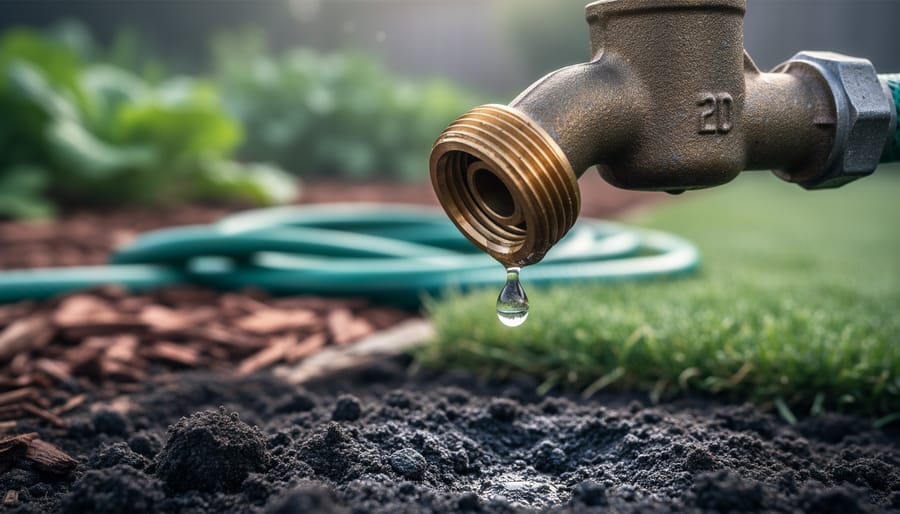
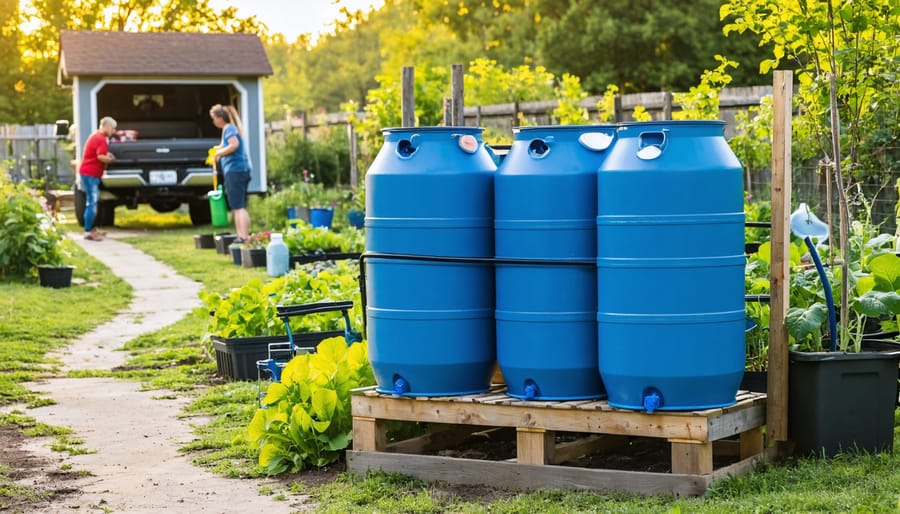
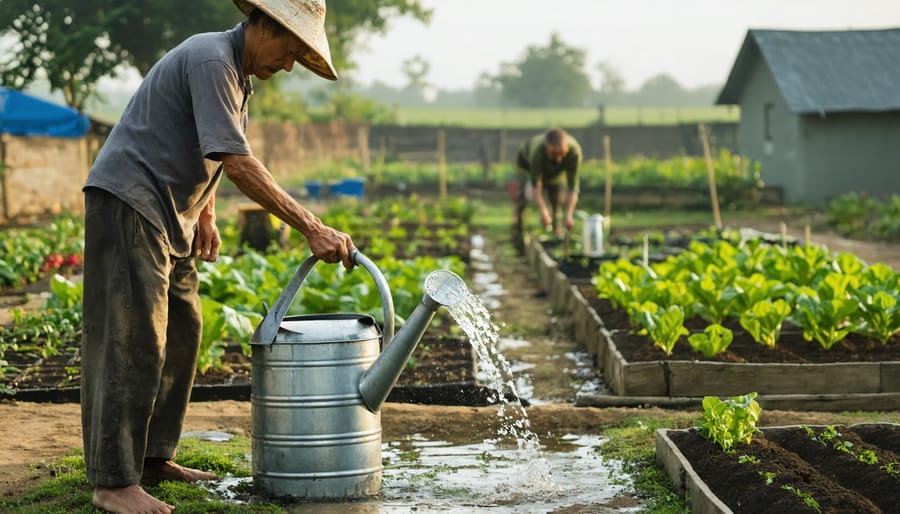
Imagine transforming your ordinary garden sprinklers into a sophisticated, water-wise system that knows exactly when, where, and how much to water your plants. Smart irrigation systems represent the perfect blend of technology and nature, using real-time weather data, soil moisture sensors, and intelligent controllers to deliver precise irrigation while reducing water waste by up to 50%. These automated marvels have revolutionized the way we nurture our gardens, taking the guesswork out of watering schedules and adapting instantly to changing weather conditions.
Gone are the days of over-watering or watching plants wilt during heat waves. Whether you’re managing a small backyard garden or maintaining sprawling landscapes, smart irrigation systems offer customizable solutions that save time, money, and our planet’s most precious resource. By combining wireless connectivity, environmental sensors, and user-friendly mobile apps, these systems bring professional-grade irrigation efficiency to every garden, helping create healthier, more sustainable landscapes while dramatically reducing water bills and maintenance needs.
What Makes an Irrigation System ‘Smart’?
Key Components
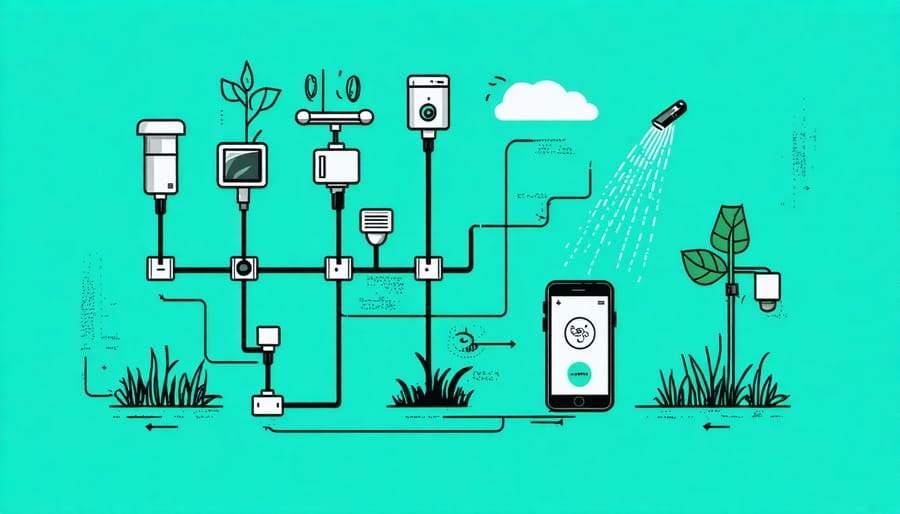
A smart irrigation system consists of several interconnected components working together to deliver precise watering. At its heart is the smart controller, which acts as the system’s brain, processing data and making watering decisions. These controllers connect to your home’s Wi-Fi, allowing you to manage your irrigation schedule through smartphone apps.
Moisture sensors placed in your soil provide real-time feedback about ground conditions, while rain sensors prevent unnecessary watering during or after rainfall. Weather stations or online weather data integration help adjust watering schedules based on local conditions and forecasts.
Smart irrigation valves control water flow to different zones in your garden, ensuring each area receives the right amount of water. Flow meters monitor water usage, helping detect leaks and track consumption. Many systems also include pressure regulators to maintain optimal water pressure and prevent system damage.
Optional add-ons like soil nutrient sensors and plant-specific moisture probes can further customize your watering approach, making your system even more efficient and tailored to your garden’s needs.
Smart Technology Integration
Today’s smart irrigation systems leverage the power of WiFi connectivity and smartphone apps to put precise control right at your fingertips. These systems connect to your home’s wireless network, allowing you to monitor and adjust your watering schedule from anywhere using a user-friendly mobile app. The automation features are particularly impressive – smart controllers can integrate real-time weather data, soil moisture readings, and even your local weather forecast to make intelligent watering decisions.
Many systems now offer voice control through virtual assistants like Alexa or Google Home, making it even easier to manage your garden’s needs. The apps typically provide detailed insights about your water usage, plant health, and system performance through easy-to-read dashboards. You can receive instant notifications about potential issues, such as leaks or blocked sprinkler heads, helping you maintain your garden more effectively.
This seamless integration of technology creates a truly hands-off approach to irrigation while ensuring your plants get exactly what they need.
Real-Time Garden Intelligence
Weather Monitoring
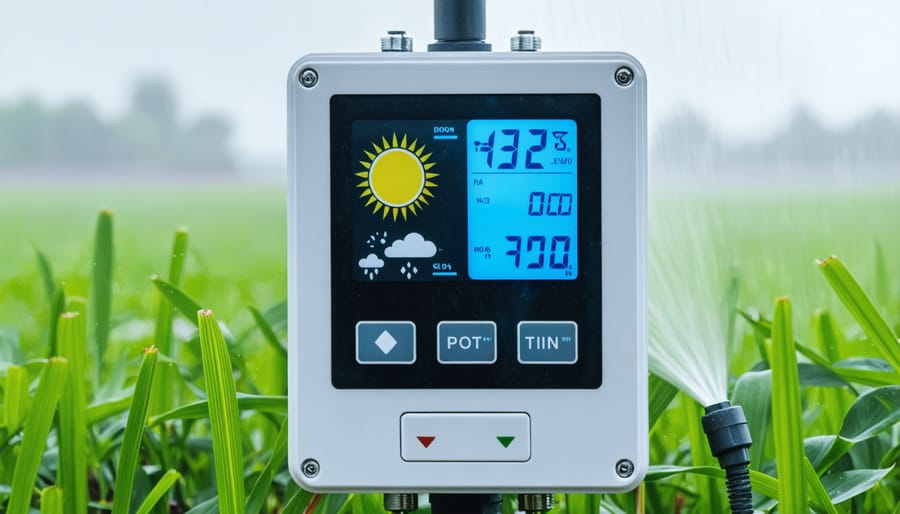
Weather monitoring is one of the smartest features of modern irrigation systems, making watering more efficient than ever before. These systems use real-time weather data and forecasts to make intelligent decisions about when and how much to water your garden. Think of it as having your own personal meteorologist working specifically for your garden’s needs!
The system connects to local weather stations or uses built-in sensors to track various conditions, including rainfall, temperature, humidity, and wind speed. When rain is predicted, the system automatically skips scheduled watering cycles, preventing overwatering and waste. On particularly hot or windy days, it might adjust watering duration to compensate for increased evaporation.
Some advanced systems even calculate evapotranspiration rates – the combined water loss through soil evaporation and plant transpiration. This helps determine exactly how much water your plants need, taking the guesswork out of irrigation. Many gardeners find that weather-based adjustments can reduce their water usage by 30-50% while maintaining healthier plants.
The best part? Once set up, these weather-monitoring features work automatically, giving you peace of mind knowing your garden is receiving the right amount of water, rain or shine.
Soil Moisture Management
Soil moisture sensors are the unsung heroes of smart irrigation systems, acting like underground detectives that keep a constant eye on your soil’s water content. These clever devices are typically placed at root level, where they measure how much water is available to your plants. Think of them as your garden’s personal weather station, but for the soil!
These sensors work by measuring either the electrical conductivity or physical properties of the soil, which change based on moisture levels. When the soil becomes too dry, they signal your irrigation controller to start watering. Conversely, when there’s enough moisture, they prevent unnecessary watering, saving you water and protecting your plants from overwatering.
Most modern systems use multiple sensors placed strategically throughout your garden, especially in areas with different soil types or plant needs. This creates a detailed moisture map of your garden, ensuring each zone gets exactly the water it needs. Some advanced sensors even measure soil temperature and nutrient levels, giving you a complete picture of your soil’s health.
Remember, proper placement of these sensors is crucial for accurate readings. They should be installed in areas that represent the average conditions of your garden, away from sprinkler heads and extreme conditions.
Benefits for Your Garden
Water Conservation
One of the most compelling benefits of smart irrigation systems is their remarkable ability to conserve water while maintaining beautiful, healthy gardens. By implementing advanced water conservation techniques, these systems can reduce water consumption by 30-50% compared to traditional irrigation methods.
Smart systems achieve this efficiency through various innovative features. They use real-time weather data to adjust watering schedules, automatically skipping sessions when rain is detected or expected. Soil moisture sensors ensure water is only delivered when your plants truly need it, preventing both overwatering and underwatering scenarios that waste precious resources.
The system’s zone-specific programming allows for precise water distribution based on different plant needs, sun exposure, and soil conditions. For example, shaded areas receive less water than sun-exposed zones, while sandy soils get more frequent but shorter watering cycles compared to clay soils.
These water-saving features translate directly into lower utility bills. Many gardeners report seeing significant reductions in their monthly water expenses within the first season of installation. Beyond the financial benefits, you’ll also have the satisfaction of knowing you’re contributing to environmental sustainability while maintaining a thriving garden.
The smart controls also help prevent common water-wasting issues like runoff and evaporation by delivering water at optimal times and rates. This means more water reaches your plants’ roots where it’s needed most, rather than being lost to the atmosphere or flowing into storm drains.
Plant Health Optimization
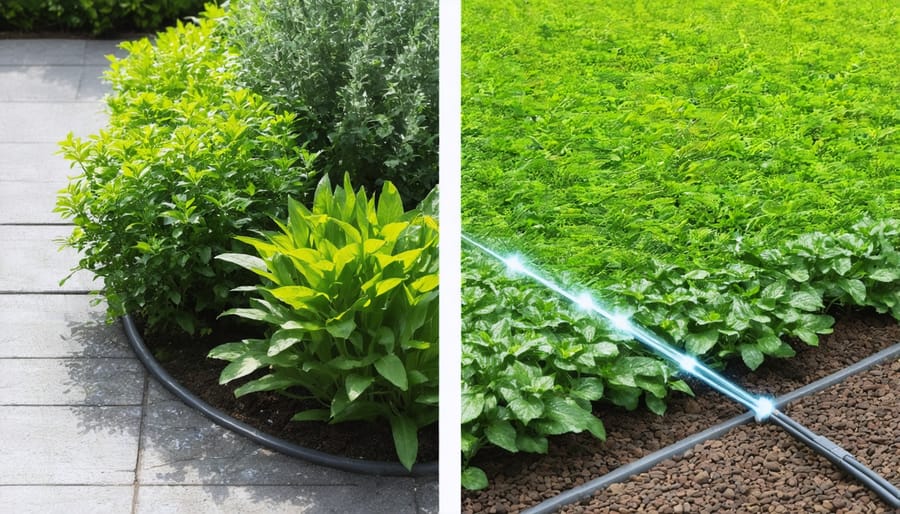
Smart irrigation systems play a crucial role in maintaining optimal plant health by delivering precisely the right amount of water when and where plants need it most. This targeted approach not only promotes stronger root development but also creates an environment where plants can truly thrive.
By maintaining consistent soil moisture levels, smart irrigation helps prevent common plant diseases that often arise from overwatering or irregular watering patterns. Fungi and root rot, which typically develop in waterlogged soil, become much less likely when water distribution is properly regulated. The system’s ability to adjust watering schedules based on weather conditions also helps prevent leaf diseases that can develop when foliage remains wet for extended periods.
Another fantastic benefit is the system’s role in nutrient management. When soil moisture levels are properly maintained, plants can more efficiently absorb essential nutrients from the soil. This leads to healthier growth, more vibrant foliage, and better flowering or fruit production, depending on your garden’s focus.
The precision of smart irrigation also helps create ideal growing conditions by maintaining proper soil temperature and aeration. This balanced environment encourages beneficial microorganisms in the soil, which further supports plant health and natural disease resistance. For gardeners of all experience levels, this means stronger, more resilient plants with less effort and fewer worries about common garden problems.
Getting Started with Smart Irrigation
System Selection Tips
When selecting a smart irrigation system, start by assessing your garden’s specific needs. Consider the size of your outdoor space, the types of plants you’re growing, and your local climate patterns. A small herb garden might only need a basic system with a few zones, while a large landscape with diverse plantings requires more sophisticated controls.
Your soil type plays a crucial role too. Sandy soils need more frequent but shorter watering cycles, while clay soils benefit from longer, less frequent watering. Look for systems that offer customizable zone settings to accommodate these differences.
Budget is another important factor, but remember to think long-term. While smart systems may cost more initially, they often pay for themselves through water savings and healthier plants. Consider features like weather monitoring, smartphone connectivity, and expandability for future garden growth.
Also, check your WiFi coverage in your garden area, as many smart systems rely on internet connectivity. If you’re not tech-savvy, opt for user-friendly systems with intuitive interfaces and good customer support. Finally, ensure the system you choose is compatible with your existing irrigation setup if you’re upgrading rather than starting from scratch.
Installation Considerations
Before installing a smart irrigation system, consider your garden’s specific needs and layout. Start by mapping your irrigation zones based on plant types, sun exposure, and soil conditions. This ensures each area receives the right amount of water.
Location of your controller is crucial – choose a spot with reliable Wi-Fi coverage and protection from the elements. You’ll also need a nearby power source and, ideally, easy access for maintenance. Most systems require professional installation for the initial setup, especially if you’re retrofitting an existing irrigation system.
Remember to check local regulations regarding backflow prevention devices and any permits needed for installation. Your water pressure and flow rate are also important factors – have these tested to ensure your system will function properly.
For optimal performance, install a rain sensor in an open area away from overhead obstacles. If you live in a region with frequent power outages, consider a backup battery system to maintain your programming. Lastly, plan for regular maintenance checks to keep your smart irrigation system running efficiently year-round.
Smart irrigation systems represent a significant leap forward in modern gardening and landscaping, offering an intelligent solution to water management that benefits both our gardens and the environment. By implementing these systems, you’ll not only save time and money but also contribute to water conservation efforts while maintaining a healthier, more vibrant garden. The combination of convenience, efficiency, and environmental responsibility makes smart irrigation an investment worth considering for any garden enthusiast. Whether you’re managing a small backyard garden or extensive landscaping, the technology is adaptable to your needs and can grow with your gardening ambitions. Take the first step toward smarter gardening today – your plants, wallet, and the planet will thank you for it.