Check product labels for FSC-certified wood, recycled content percentages, and third-party sustainability certifications before you buy any gardening tool or planter. Companies using vague terms like “eco-friendly” or “natural” without specific credentials are often greenwashing their products.
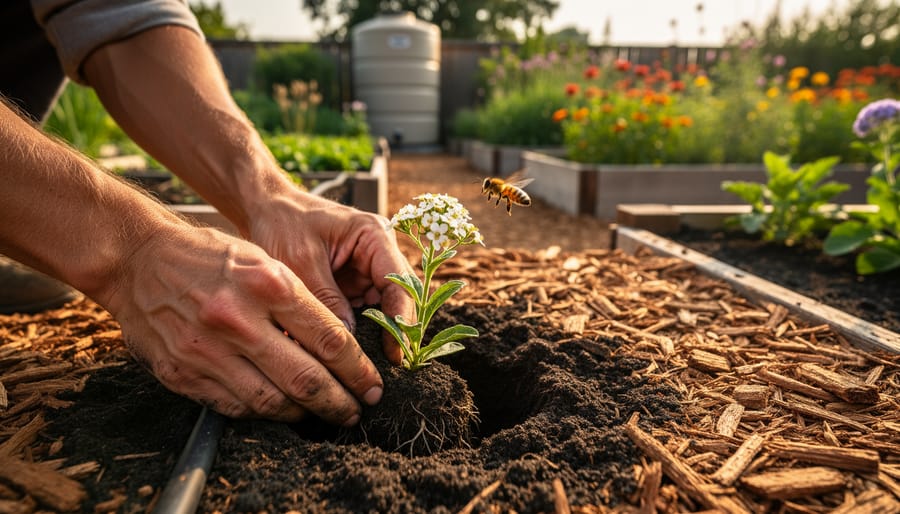
Replace plastic seed trays and pots with biodegradable alternatives made from coconut coir, rice hulls, or compressed peat that decompose directly in your garden soil. These eliminate transplant shock and cut down on the 300 million pounds of plastic waste gardeners generate annually.
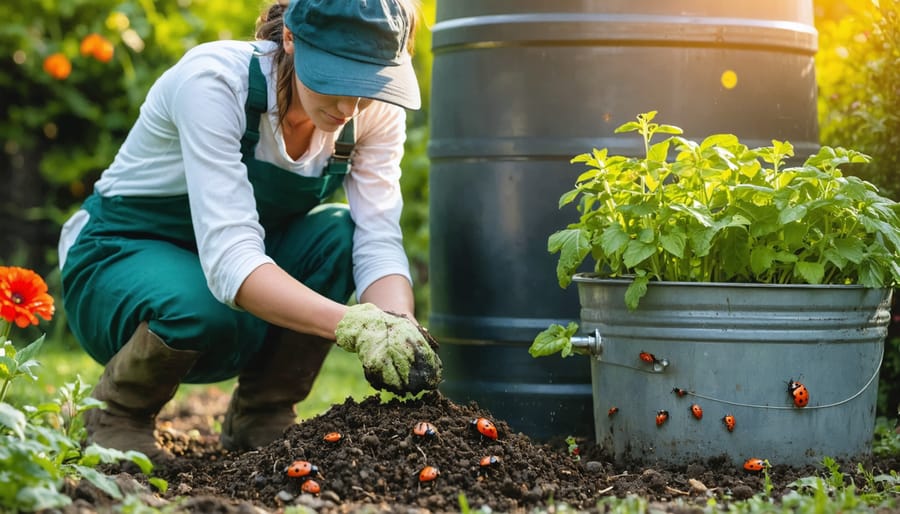
Source your soil amendments and fertilizers from local composting facilities or municipal yard waste programs instead of bagged products shipped across the country. This reduces your carbon footprint by up to 80% while supporting your community’s waste reduction efforts.
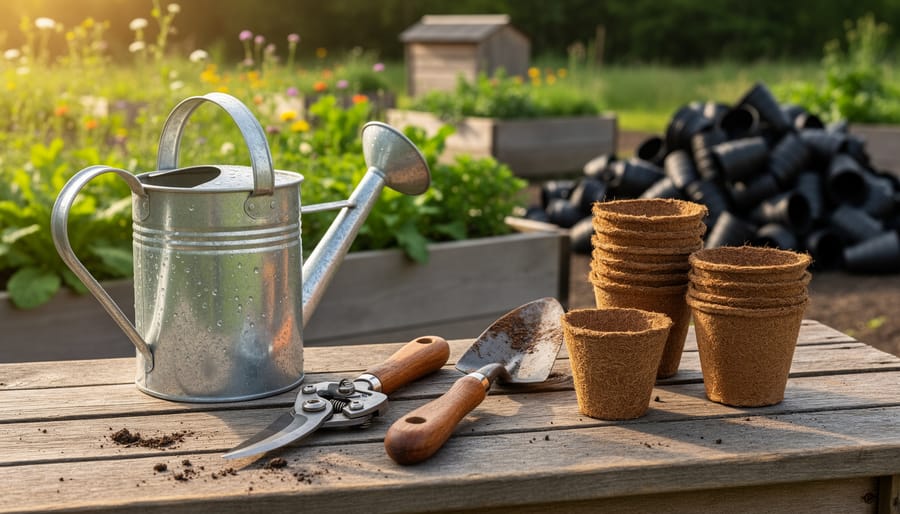
Invest in high-quality hand tools with replaceable parts and lifetime warranties rather than buying cheaper versions you’ll discard in a season or two. A well-made spade or pruner costs more upfront but prevents dozens of tools from reaching landfills over your gardening lifetime.
Your garden shouldn’t cost the earth to sustain the earth. The gardening industry produces over 2 billion plastic pots yearly, most ending up in landfills because their mixed-plastic composition makes recycling impossible. Every watering can, trellis, and bag of fertilizer you choose either contributes to this problem or becomes part of the solution.
The good news? Sustainable gardening supplies have evolved far beyond expensive specialty items. Today’s eco-conscious options perform as well as conventional products while protecting the soil, water, and wildlife that make gardening possible. You don’t need to sacrifice quality or break your budget to garden in harmony with nature.
The Hidden Environmental Cost of Traditional Garden Supplies
What Makes a Garden Supply Truly Sustainable?
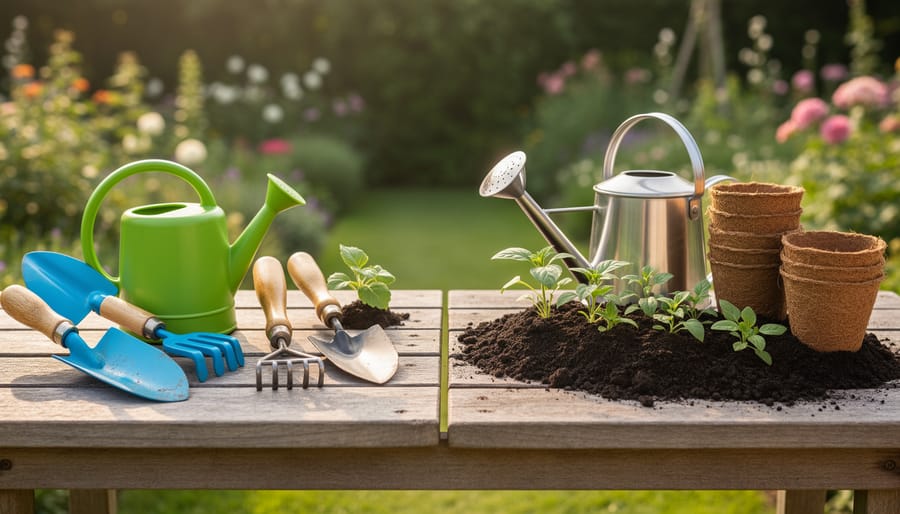
When you’re shopping for gardening supplies, the word “sustainable” gets tossed around quite a bit. But what does it really mean for a garden tool or product to be truly sustainable? Let’s break it down so you can make informed choices that align with your values and support your sustainable garden practices.
At its core, a sustainable garden supply should minimize environmental harm throughout its entire life cycle. This starts with the materials used. Look for products made from renewable resources like bamboo, recycled plastics, or reclaimed wood rather than virgin materials that deplete natural resources. The manufacturing process matters too. Ethical companies prioritize energy-efficient production methods, fair labor practices, and reduced carbon emissions during shipping.
Longevity is another crucial factor. A truly sustainable product is designed to last for years, not seasons. That sturdy metal rake might cost more upfront, but if it serves you for a decade while cheaper alternatives end up in landfills every few years, you’re making the greener choice.
Finally, consider the end-of-life story. Can the product be composted, recycled, or repurposed when it’s no longer useful? Products that can return to the earth or be transformed into something new complete the sustainability circle.
By evaluating supplies through these lenses, you’ll become a savvy shopper who can spot genuine sustainability and avoid greenwashing tactics that prey on good intentions.
Essential Sustainable Tools Every Gardener Actually Needs
Hand Tools That Last a Lifetime
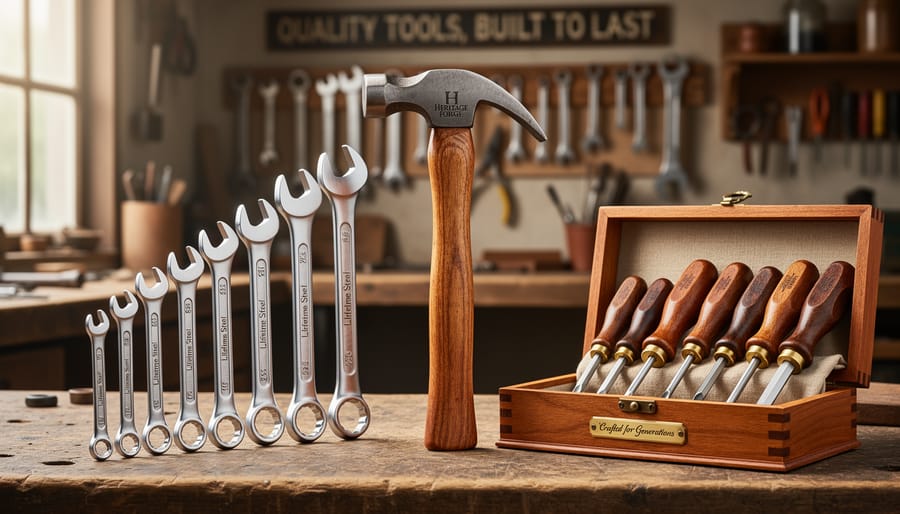
There’s something deeply satisfying about using a hand tool that feels just right in your grip, and even better when you know it’s built to outlast fleeting trends and flimsy alternatives. When shopping for sustainable hand tools, I always start by looking at two key elements: the materials and the construction quality.
The best sustainable spades and trowels feature handles made from FSC-certified hardwood, which means the wood comes from responsibly managed forests that prioritize regeneration and biodiversity. Ash and beech are particularly popular choices because they’re naturally durable and develop a beautiful patina over time. The metal components should be forged from recycled steel whenever possible, which reduces the carbon footprint significantly compared to newly mined materials.
For pruners and secateurs, seek out brands that offer replacement parts. This simple feature transforms a tool from disposable to repairable, extending its lifespan by decades. Some excellent manufacturers now use recycled aluminum for handles and high-carbon recycled steel for blades that hold their edge beautifully.
Cultivators and hand forks benefit from one-piece construction where the metal extends fully through the handle, creating a tool that won’t snap at the neck during heavy use. This design might cost more upfront, but you’re making a once-in-a-lifetime purchase rather than replacing cheap versions every few seasons.
To keep these tools performing for generations, clean them after each use to prevent rust and soil buildup. A quick wipe with an oily rag protects metal surfaces, while wooden handles appreciate an annual treatment with linseed oil. Store tools in a dry location, and sharpen blades regularly with a simple file or whetstone. These small rituals not only extend tool life but also deepen your connection to your gardening practice.
Watering Solutions That Save Resources
Water is precious, and as gardeners, we have a wonderful opportunity to use it wisely while keeping our plants thriving. The good news? There are fantastic watering solutions that help you conserve resources without sacrificing your garden’s health.
Rain barrels are absolute game-changers for water conservation. These simple systems collect rainwater from your roof downspouts, turning what would run off into the storm drain into free irrigation water. Modern rain barrels come in attractive designs that blend beautifully into your landscape, with features like overflow valves and spigots for easy hose attachment. A single inch of rain on a 1,000-square-foot roof can yield over 600 gallons of water!
Drip irrigation systems made from recycled materials take efficiency to the next level. Unlike traditional sprinklers that lose water to evaporation and overspray, drip systems deliver water directly to plant roots where it’s needed most. Look for systems made from recycled plastics or rubber, which perform just as well as conventional options while keeping materials out of landfills. They’re surprisingly easy to install, even for beginners, and can reduce water usage by up to 50 percent.
When choosing garden hoses, consider options made from recycled rubber or natural rubber alternatives. These durable hoses avoid harmful materials like lead and PVC while lasting for years. Some companies even offer drinking-water-safe hoses perfect for edible gardens. Pair them with adjustable nozzles to control water flow and prevent waste.
Eco-Friendly Soil Amendments and Fertilizers
Healthy soil is the foundation of any thriving garden, and choosing the right amendments can make all the difference while supporting environmental sustainability. Let’s explore some earth-friendly options that will nourish your plants without depleting our planet’s resources.
Starting with composting, an organic compost bin transforms your kitchen scraps and yard waste into nutrient-rich gold for your garden. Whether you choose a simple backyard tumbler or a compact worm bin for indoor composting, you’re diverting waste from landfills while creating free fertilizer. I’ve found that having a compost bin right in my garden actually encourages me to cook more with fresh vegetables, knowing those peels and cores have a purpose!
When it comes to organic fertilizers, look for options sold in minimal or recyclable packaging. Many garden centers now offer bulk buying stations where you can fill your own containers with fish emulsion, kelp meal, or bone meal. Even better, seek out locally produced amendments like composted manure from nearby farms or mushroom compost from local growers. These options reduce transportation emissions and often come without plastic packaging.
Mulch deserves special attention in sustainable gardening. Skip the dyed wood chips that arrive in plastic bags and instead source untreated wood chips from local tree services, many of which deliver for free. Straw, leaves from your own yard, or grass clippings all make excellent mulch alternatives. Pine needles work beautifully for acid-loving plants and are often abundant in many regions.
Remember, the most sustainable amendment is often the one closest to home, requiring minimal processing and zero packaging.
Smart Shopping: How to Find and Evaluate Sustainable Garden Supplies
Certifications and Labels Worth Trusting
Navigating the world of eco-labels can feel overwhelming, but knowing which certifications actually deliver on their promises makes shopping so much easier. Let me walk you through the ones worth seeking out.
The Forest Stewardship Council (FSC) certification is your go-to for wooden tools, raised bed kits, and bamboo products. When you see that checkmark logo, you know the wood comes from responsibly managed forests that protect wildlife habitats and workers’ rights. I always check for this before buying garden stakes or compost bins.
For organic fertilizers and soil amendments, OMRI Listed (Organic Materials Review Institute) means the product meets strict organic standards. It’s particularly helpful if you’re growing food and want to ensure what you’re adding to your soil is genuinely chemical-free.
B-Corp certification tells you a company considers environmental and social impact alongside profit. These businesses walk the talk, making them reliable partners in your sustainable gardening journey.
Watch out for vague terms like “eco-friendly” or “natural” without third-party verification. These often mean nothing concrete. Similarly, a single green leaf on packaging doesn’t guarantee sustainability. Legitimate certifications require independent verification and regular audits, which separates real commitment from clever marketing. Trust the specific logos, not just the pretty words.
Where to Source Sustainable Garden Supplies
Finding sustainable garden supplies has become easier than ever, with options spanning from your neighborhood to your computer screen. Your local independent garden center is often a fantastic starting place. These shops typically stock regional products, reducing transportation emissions, and the staff can offer personalized advice about what works best in your specific climate. Plus, supporting local businesses strengthens your community’s economy.
Online specialty retailers dedicated to eco-friendly gardening have flourished in recent years. These shops curate sustainable products and usually provide detailed information about manufacturing practices and materials. While shipping does have environmental costs, buying in bulk or coordinating orders with gardening friends can minimize this impact.
Don’t overlook the treasure trove of secondhand options available through yard sales, estate sales, and online marketplaces. Pre-loved tools, terracotta pots, and metal watering cans often outlast their new counterparts and keep perfectly good items out of landfills. I’ve found some of my best-quality tools at garage sales for a fraction of retail prices.
Consider joining or starting a tool-sharing program in your neighborhood. Many communities have established tool libraries where members can borrow expensive or occasionally-used equipment like tillers, wheelbarrows, or pruning saws. This sharing economy reduces manufacturing demand and builds wonderful connections with fellow gardeners.
Farmers’ markets and agricultural supply stores also carry sustainable options, particularly organic amendments and locally-produced compost. These venues connect you directly with producers who can answer questions about their growing or manufacturing methods.
Making What You Already Own More Sustainable
You don’t need to rush out and buy all new tools to embrace sustainability in your garden. In fact, extending the life of what you already own is one of the most eco-friendly choices you can make! Let’s explore how to get more years out of your existing supplies while reducing waste.
Start with proper maintenance. Clean your tools after each use by wiping off soil and debris, then dry them thoroughly to prevent rust. I learned this lesson the hard way when I neglected my favorite pruners over one rainy spring. Applying a light coat of oil to metal parts before storing them for winter works wonders. Wooden handles benefit from an occasional rub with linseed oil to prevent cracking and splitting. This simple habit can double or triple the lifespan of your tools.
When something breaks, resist the urge to toss it immediately. Many repairs are surprisingly simple. Replace worn handles on shovels and rakes rather than buying new tools. Sharpen dull blades with a file or whetstone, and you’ll be amazed at how much better they perform. Cracked terracotta pots make excellent drainage layers at the bottom of larger containers, and broken tools can often be repurposed for creative garden markers or plant supports.
The repair-versus-replace decision comes down to safety and functionality. If a tool’s structural integrity is compromised in a way that could cause injury, replacement is necessary. However, cosmetic damage like surface rust or faded handles doesn’t affect performance. Ask yourself: does this still do its job safely?
By integrating these practices with other eco-friendly gardening methods, you’re already making a significant environmental impact. Remember, the most sustainable gardening supply is the one you already own and maintain well. Your wallet and the planet will thank you for choosing repair over replacement whenever possible.
Interview Spotlight: How Master Gardener Sarah Chen Built a Zero-Waste Tool Shed
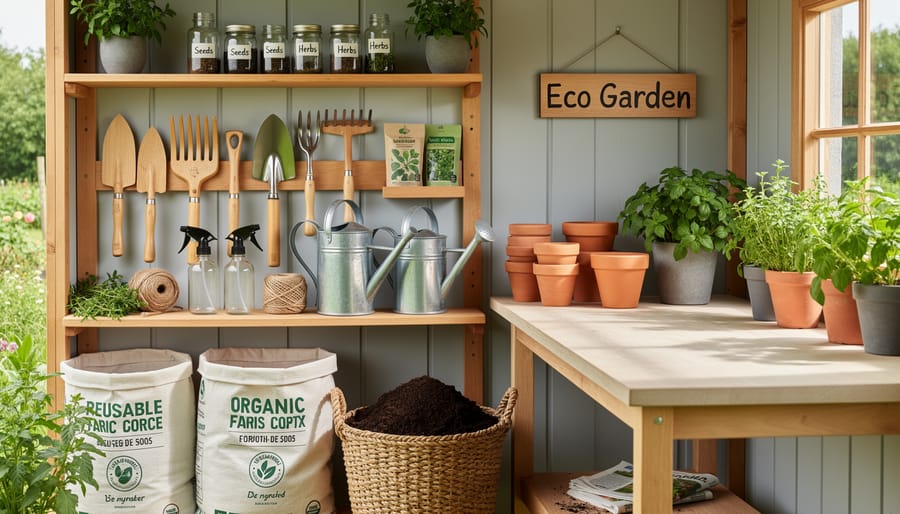
When Sarah Chen first decided to transform her garden shed three years ago, she didn’t realize how much waste she’d been generating. “I counted seventeen broken plastic tools, dozens of seed packets in non-recyclable packaging, and at least five partially used bottles of synthetic fertilizers I’d abandoned,” she recalls with a laugh. “It was my wake-up call.”
Sarah’s journey toward zero-waste gardening wasn’t instant, but she learned valuable lessons along the way. “I made the mistake of throwing everything out at once and buying all new ‘eco-friendly’ products,” she admits. “That’s wasteful too! Now I tell everyone to transition gradually. Use what you have until it truly needs replacing.”
Her favorite sustainable finds surprised her. “I thought I’d miss my lightweight plastic watering can, but my galvanized steel one has lasted three years without a single crack. It’s heavier, sure, but I’ve actually built some arm strength,” she jokes. She also swears by her stainless steel hand tools and wooden-handled implements. “They feel better in your hands, and when the handles eventually wear down, I can replace just that part.”
The most unexpected benefit? “My garden actually performs better,” Sarah says enthusiastically. “Switching to organic fertilizers and natural pest control meant I had to really understand my soil and observe my plants closely. I became a better gardener through necessity.”
Her advice for beginners? “Start with the tools you use most. For me, that was my trowel and pruners. Quality sustainable tools might cost more upfront, but they’ll outlast five cheap alternatives. And honestly? There’s something deeply satisfying about working with tools that won’t end up in a landfill.”
Making the shift to sustainable gardening supplies doesn’t have to happen overnight, and honestly, it shouldn’t. The beauty of this journey is that every single choice you make creates a ripple effect that extends far beyond your garden gate. Whether you start by switching to peat-free compost, investing in one quality tool that’ll last decades, or simply choosing to reuse containers you already have, you’re participating in something bigger than yourself.
I’ve spoken with countless gardeners who felt overwhelmed at first, wondering if their small changes really mattered. Here’s what I always tell them: your garden is a living example of environmental stewardship. When you choose sustainable supplies, you’re not just reducing waste or protecting ecosystems, you’re showing your neighbors, friends, and family that these choices are possible and worthwhile. You’re voting with your dollars for companies that prioritize the planet.
The connection between your purchasing decisions and broader environmental health is direct and powerful. Sustainable supplies support healthier soil, cleaner water, and thriving ecosystems. They often come from businesses that treat workers fairly and invest in communities. By embracing earth-friendly practices, you become part of a growing movement of gardeners who understand that tending the earth means protecting it.
Ready to take your first step today? Look at one gardening supply you’re currently using and research a sustainable alternative. That’s it. Just one product. You’ll be amazed where that single choice leads you.