Transform a humble 5-gallon bucket into your dream herb garden right on your patio or balcony. Stack multiple buckets vertically to maximize growing space in tight areas, creating a practical and productive mini garden that yields fresh herbs year-round. Drill precise drainage holes, fill with premium potting mix enriched with organic compost, and select complementary herbs that thrive in similar conditions – like basil, thyme, and oregano sharing one container. This budget-friendly solution delivers restaurant-quality herbs steps from your kitchen while solving common space constraints that prevent many from growing their own food. Perfect for urban gardeners, culinary enthusiasts, and anyone seeking a sustainable way to produce fresh herbs, this simple yet effective growing method turns everyday containers into thriving garden spaces that produce abundant harvests throughout the season.
Setting Up Your 5-Gallon Bucket Garden
Preparing Your Bucket
Before planting your herbs, proper bucket preparation is essential for success. Start by thoroughly cleaning your 5-gallon bucket with mild soap and warm water, making sure to rinse it well. If you’re using a recycled bucket, ensure it didn’t previously contain any harmful chemicals that could leach into your soil.
The most crucial step is creating drainage holes. Turn your bucket upside down and drill 6-8 holes, each about 1/2 inch in diameter, evenly spaced across the bottom. Add a few smaller holes around the sides, about 1 inch up from the bottom, to prevent water pooling.
Layer the bottom with a handful of clean gravel or broken pottery pieces to improve drainage and prevent soil from clogging the holes. Cut a piece of landscape fabric to fit inside the bucket, placing it over the drainage material. This extra step keeps soil from washing away while allowing water to drain freely.
If you’re planning to keep your bucket outdoors, consider painting the exterior with outdoor paint to protect it from UV damage and extend its life. Light colors work best as they reflect heat and keep roots cooler.

Soil and Drainage Solutions
The foundation of a successful herb garden lies in proper smart soil management and drainage. For your 5-gallon bucket herb garden, create a well-balanced growing medium by mixing equal parts high-quality potting soil, compost, and perlite or vermiculite. This combination ensures excellent water retention while maintaining proper aeration for healthy root development.
Before adding soil, drill six to eight ½-inch drainage holes in the bottom of your bucket. Place a layer of gravel or broken pottery pieces (about 2 inches) at the bottom to prevent soil from clogging these holes. This drainage layer is crucial for preventing waterlogged roots, which can lead to root rot.
Consider elevating your bucket slightly using pot feet or a small platform to ensure water flows freely from the drainage holes. For added moisture control, you can line the inside walls of the bucket with landscape fabric, leaving the bottom holes uncovered. This helps maintain consistent soil moisture while allowing excess water to escape.
Test the drainage by running water through your prepared bucket – it should flow steadily without pooling on the surface.

Best Herbs for Bucket Growing
Shallow-Root Herbs
Shallow-rooted herbs are perfect candidates for 5-gallon bucket gardens, offering quick results and efficient use of space. Basil, cilantro, and parsley thrive in these containers because they don’t need deep soil to establish healthy root systems.
Basil is a particular favorite among bucket gardeners, growing wonderfully in just 6-8 inches of soil. Plant sweet basil varieties about 12 inches apart, ensuring each plant has enough room to bush out. The beauty of growing basil in buckets is that you can easily move them to catch the perfect amount of sunlight throughout the day.
Cilantro, with its distinctive flavor, is another excellent choice for bucket gardening. It grows quickly and can be harvested within 3-4 weeks of planting. Space cilantro plants about 6 inches apart, and consider succession planting every few weeks to maintain a steady supply for your kitchen.
Parsley, both flat-leaf and curly varieties, adapts beautifully to bucket growing. Its shallow roots spread horizontally rather than vertically, making it ideal for container gardens. Give each parsley plant about 8 inches of space, and you’ll be rewarded with fresh herbs for months.
Remember to keep the soil consistently moist but not waterlogged for these herbs. A layer of light mulch can help retain moisture and keep roots cool during hot summer days.
Deep-Root Herbs
Deep-rooted herbs like rosemary, sage, and thyme are perfect candidates for 5-gallon bucket gardens, as they thrive in the ample space these containers provide. These Mediterranean natives are particularly well-suited to container growing because they prefer well-draining soil and actually perform better with slightly restricted root systems. If you’re interested in creating long-lasting perennial herb gardens, these sturdy plants should be at the top of your list.
Rosemary, with its woody stems and fragrant needles, can grow quite tall in a bucket garden, providing both visual interest and delicious herbs for cooking. Plant it in the center of your bucket to create a focal point, and ensure it receives at least 6 hours of direct sunlight daily.
Sage brings beautiful silver-green foliage to your container garden and pairs wonderfully with rosemary in both the garden and kitchen. Its soft, velvety leaves add texture to your display while offering robust flavors for cooking.
Thyme, though smaller than its companions, develops an extensive root system that makes excellent use of the bucket’s depth. This low-growing herb can cascade over the edges of your container, creating an attractive display while providing fresh herbs for your culinary adventures.
Remember to give these herbs plenty of breathing room – one deep-rooted herb per 5-gallon bucket is ideal for optimal growth and harvest.
Maintaining Your Bucket Herb Garden
Watering and Feeding
Proper watering is crucial for your bucket herb garden’s success. Most herbs prefer consistently moist soil but don’t like to be waterlogged. Check the soil moisture daily by sticking your finger about an inch deep into the soil – if it feels dry at this depth, it’s time to water. During hot summer days, you might need to water twice daily, while in cooler weather, every 2-3 days might suffice.
When watering, aim directly at the soil rather than the leaves, and continue until you see water flowing from the drainage holes. This ensures thorough root saturation. Consider adding a layer of mulch on top of the soil to help retain moisture and reduce watering frequency.
For feeding, herbs generally don’t require heavy fertilization – in fact, too much fertilizer can reduce their essential oil content and flavor. Start with a good quality organic potting mix, then feed monthly with a balanced, water-soluble organic fertilizer diluted to half strength. During the peak growing season (spring and summer), you might want to supplement with a weak compost tea every two weeks.
Watch your herbs for signs of nutrient deficiency, such as yellowing leaves or stunted growth. If you notice these symptoms, increase feeding slightly, but remember that with herbs, less is often more. Regular harvesting actually encourages bushier growth, so don’t be shy about using your herbs frequently!
Pruning and Harvesting
Regular pruning and harvesting are essential for maintaining a thriving herb garden in your 5-gallon buckets. For most herbs, harvesting actually encourages bushier growth, so don’t be shy about snipping what you need! The best time to harvest is in the morning after the dew has dried but before the day gets too hot.
When harvesting leafy herbs like basil, mint, and oregano, pinch or cut stems just above a set of leaves. This encourages the plant to branch out at that point, creating a fuller plant. Never remove more than one-third of the plant at once to ensure it has enough foliage to recover and continue growing.
For herbs grown primarily for their leaves, regular trimming of flower buds (called “pinching back”) helps maintain leaf production and prevents the plant from going to seed too quickly. However, if you’re interested in saving seeds or attracting pollinators, you can let a few plants flower.
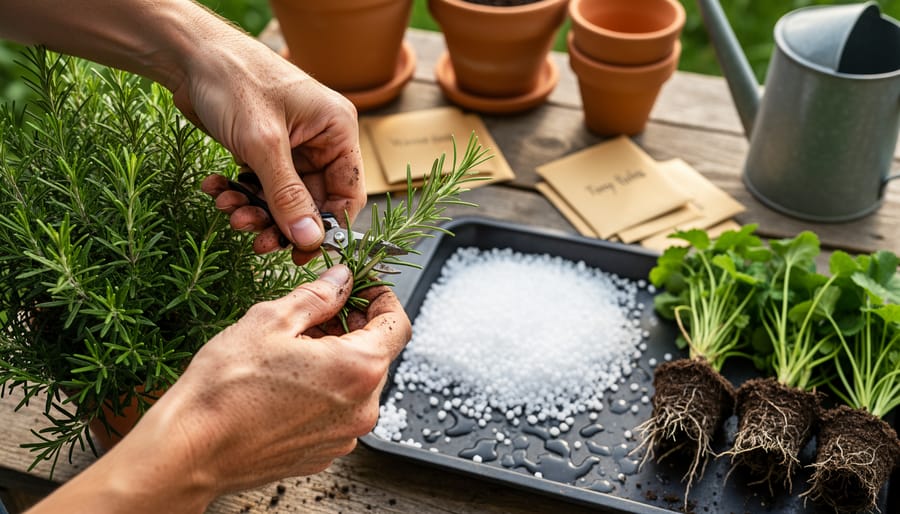
Some herbs, like chives and parsley, can be cut down to about 2 inches above the soil level and will regrow multiple times throughout the season. For woody herbs like rosemary and thyme, avoid cutting into old, woody growth – instead, trim the tender, newer stems.
Remember to use clean, sharp scissors or pruning shears to prevent damage to the plants and reduce the risk of disease. After major pruning sessions, give your herbs a light watering to help them recover and continue growing strong.

Common Problems and Solutions
Even the best-maintained bucket herb gardens can face challenges, but most issues have simple solutions. If your herbs are wilting despite regular watering, check that your drainage holes aren’t clogged and consider adding more perlite to improve soil aeration. Yellow leaves often indicate overwatering – let the top inch of soil dry between waterings and ensure your bucket isn’t sitting in standing water.
For leggy or sparse growth, your herbs might need more sunlight. Try rotating your bucket regularly or relocating it to a sunnier spot. If plants become overcrowded, don’t hesitate to thin them out or transplant some to another container. This gives remaining herbs room to thrive.
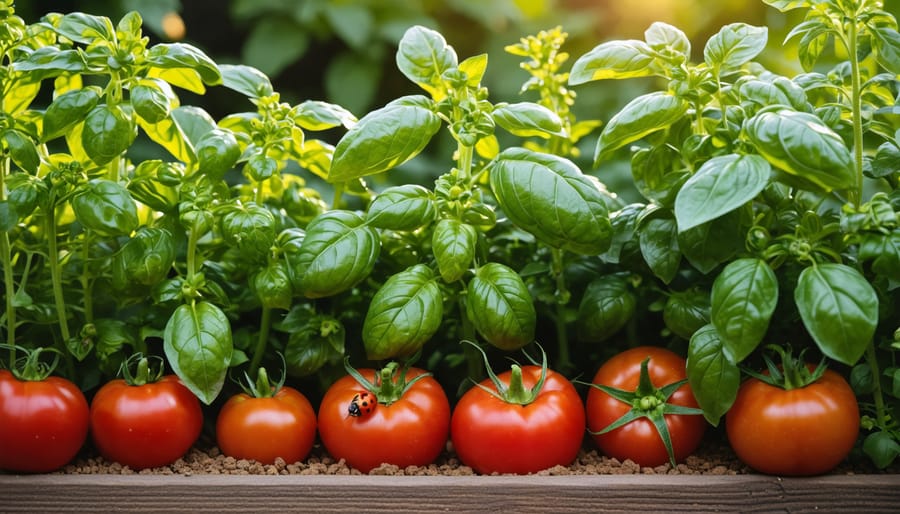
Pest problems? Companion planting can help – try growing mint or lavender alongside other herbs to deter unwanted insects. For fungal issues like powdery mildew, improve air circulation around plants and avoid wetting the leaves when watering. Remember, most herbs prefer slightly dry conditions over constant moisture.
If your herbs aren’t as flavorful as expected, try reducing fertilizer and increasing sun exposure. Stress actually encourages herbs to produce more essential oils, making them more aromatic and tasty.
Creating a 5-gallon bucket herb garden is a rewarding project that brings fresh flavors right to your doorstep. We’ve explored how these simple containers can transform into thriving herb gardens with just a few basic materials and some tender loving care. Remember to choose the right location, ensure proper drainage, use quality soil, and select herbs that match your cooking preferences and growing conditions. The beauty of bucket gardening lies in its simplicity and accessibility – whether you have a sprawling backyard or a tiny balcony, there’s always room for fresh herbs. Don’t be afraid to experiment with different herb combinations and learn from your experiences. Start your bucket herb garden today, and soon you’ll be harvesting fresh, aromatic herbs for your culinary adventures while enjoying the satisfaction of growing your own food.