Check your local municipal website or call the city planning department before cutting down any tree on your property—most communities require permits for removing trees above certain size thresholds, typically 6 inches in diameter or larger. You might face fines ranging from $500 to $10,000 for unauthorized removal, even if the tree stands entirely on your land.
Understanding tree removal permits isn’t about red tape—it’s about protecting community canopy coverage, preserving property values, and maintaining environmental balance in your neighborhood. Many homeowners discover too late that the tree they assumed was “just theirs” actually contributes to local ecosystems, stormwater management, and even air quality standards that municipalities must uphold.
The good news? The permit process is typically straightforward once you know what’s required. Most applications take 2-4 weeks for approval and cost between $50-$200, though fees vary widely by location. You’ll need to demonstrate valid reasons for removal—such as disease, structural danger, or construction conflicts—rather than simple preference.
Some situations don’t require permits at all. Dead or hazardous trees often qualify for expedited or exempt status, and many communities exclude fruit trees, small ornamentals, or vegetation under specific size limits from permit requirements. Protected species like heritage oaks or trees in conservation zones face stricter regulations, while others sail through approval with minimal documentation.
Knowing these distinctions saves time, money, and potential legal headaches while helping you make informed decisions about the trees shaping your property’s landscape.
Why Cities Require Tree Removal Permits
The Environmental Stakes
Trees are absolute environmental champions in our communities, working tirelessly behind the scenes to keep our neighborhoods healthy and livable. Let me share why protecting them matters so much.
Think of trees as natural air purifiers. A single mature tree can absorb up to 48 pounds of carbon dioxide annually while releasing oxygen for two people. They also trap dust, pollen, and pollutants on their leaves, literally cleaning the air we breathe. When I spoke with urban forester Maria Chen last spring, she reminded me that losing even one established tree means losing years of air-cleaning benefits that can’t be quickly replaced.
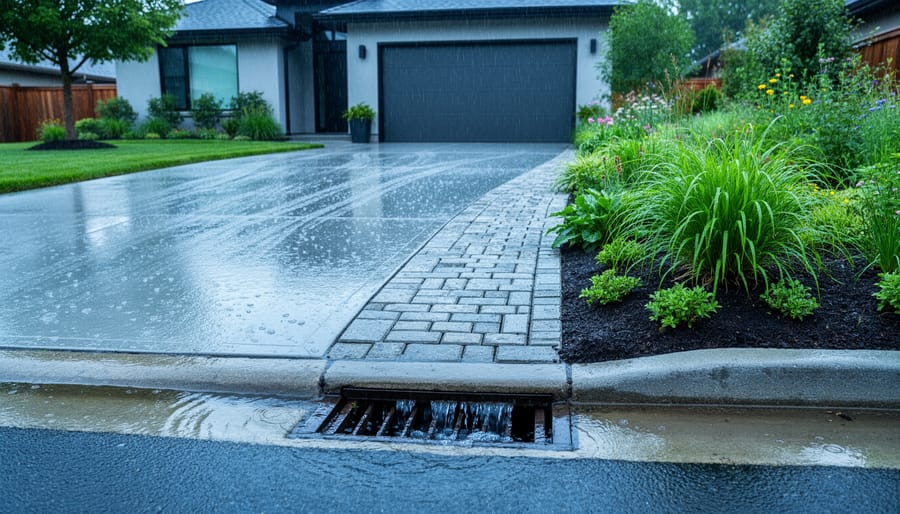
Trees also act as nature’s stormwater managers. Their roots absorb rainwater like sponges, reducing runoff that would otherwise overwhelm storm drains and carry pollutants into local waterways. A mature tree can intercept up to 1,000 gallons of water yearly.
During summer months, trees provide crucial cooling through shade and transpiration, combating urban heat islands that make cities considerably warmer than surrounding areas. This natural air conditioning can reduce neighborhood temperatures by 2-9 degrees Fahrenheit.
Finally, trees serve as essential habitat for birds, squirrels, insects, and countless other creatures that make our yards vibrant ecosystems. Removing a tree affects this entire interconnected web of life.
Protecting Your Neighborhood’s Character
You’ve probably noticed how tree-lined streets have a certain appeal—there’s good reason neighborhoods with healthy tree canopies consistently command higher property values. Studies show that mature trees can increase property values by up to 15%, and that’s not just about curb appeal. Trees create inviting spaces where neighbors naturally gather, children play safely under shade, and the entire area feels more established and cared for.
This is exactly why tree removal permits exist. When we remove significant trees without considering the broader impact, we’re affecting more than just our own yard. I spoke with landscape architect Maria Chen, who’s worked on community planning for twenty years, and she emphasized that “every mature tree contributes to the collective identity of a neighborhood.” Your oak or maple isn’t just providing you with shade—it’s part of what makes your street feel like home.
The permit process gives communities a voice in preserving what makes them special. It’s not about stopping necessary removals, but ensuring we’re thoughtful about maintaining the green character that benefits everyone, including your own property investment.
When You Actually Need a Permit
Size Matters: Understanding Diameter Thresholds
Here’s something most people don’t realize when they’re eyeing that troublesome tree in their yard: cities don’t just guess whether your tree needs a permit. They use a standardized measurement called DBH, which stands for diameter at breast height. Think of it as the tree world’s universal measuring stick.
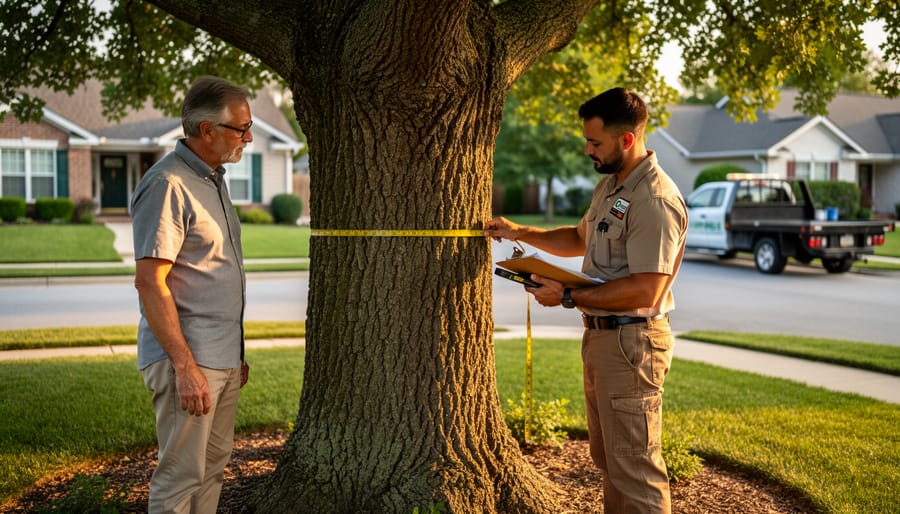
To measure DBH yourself, grab a measuring tape and wrap it around the tree trunk at about 4.5 feet from the ground, roughly chest height for the average adult. Then divide that circumference by 3.14 to get the diameter. Pretty straightforward, right?
Now, here’s where it gets interesting. Most municipalities set specific diameter thresholds that trigger permit requirements. In my conversations with local arborists, I’ve learned that common thresholds range from 6 to 19 inches in diameter, though this varies widely by location. Some cities protect any tree over 6 inches, while others only require permits for substantial trees exceeding 12 or even 19 inches.
The reasoning makes sense when you think about it: larger trees provide more environmental benefits like shade, air quality improvement, and wildlife habitat. They’ve also taken decades to grow, making them worth protecting through the permit process.

Protected Species and Heritage Trees
Certain trees receive special legal protection due to their ecological importance or historical significance. In most regions, native species like oak, sycamore, and maple often enjoy protected status because they provide critical wildlife habitat and contribute to local ecosystem health. Many municipalities also protect species that are particularly slow-growing or difficult to replace, such as heritage oaks that might take centuries to reach maturity.
Heritage trees earn their designation through a combination of factors. Typically, a tree qualifies for heritage status if it meets criteria like exceptional age, impressive size, historical significance, or rarity within the community. For example, a 200-year-old oak that witnessed your town’s founding would likely be protected. Some trees become heritage-listed because they’re the largest of their species in the area or because they’re connected to notable historical events.
During a recent conversation with municipal arborist Sarah Chen, she emphasized that “most homeowners are surprised to learn their backyard elm might be protected simply because of its trunk diameter.” Many cities protect any tree exceeding a certain size threshold, regardless of species. Before planning any removal, check your local tree ordinance or contact your city’s forestry department to determine if your tree has protected or heritage status.
Location-Based Rules
Where your tree stands can be just as important as what type it is when determining permit needs. Trees growing close to property boundaries—typically within a few feet—often require special approval since removal might affect your neighbor’s property or views. Pay particular attention to trees on or near easements, where utility companies or other entities hold access rights, as these situations usually demand coordination with multiple parties.
Trees along public right-of-ways like sidewalks and streets almost always fall under stricter municipal control, even if they’re technically on your property. Conservation areas, wetlands, and environmentally sensitive zones carry the most stringent regulations. Before planning any removal, check your property survey and contact your local planning office to identify any special designations that might apply to your land. These location-based rules exist to protect shared spaces and ecological systems we all benefit from.
Situations Where You Might Skip the Permit
Good news—not every tree removal requires a permit! Understanding when you can skip the paperwork saves time and lets you address urgent situations promptly.
Most municipalities exempt dead or diseased trees from permit requirements, recognizing that these pose safety hazards and can’t be saved. If your tree has extensive decay, hasn’t leafed out in two growing seasons, or shows signs of serious disease like Dutch elm disease or oak wilt, you likely won’t need permission to remove it. I spoke with arborist Maria Chen, who’s been assessing trees for twenty years, and she emphasized that while you might not need a permit, getting a professional evaluation first protects you legally and ensures you’re making the right call.
Emergency situations typically bypass the permit process too. When a tree falls during a storm, blocks your driveway, or creates immediate danger to your home or family, you can’t wait days for approval. Most jurisdictions understand this and allow emergency removal, though you should document the situation with photos and notify your local authorities as soon as possible.
Many communities also exempt small trees below certain size thresholds—often those under six inches in diameter at chest height. These younger specimens haven’t yet achieved the environmental significance that triggers regulatory oversight.
Here’s my best advice from years of helping fellow gardeners navigate this: even when you’re exempt, document everything. Take clear photos showing the tree’s condition, diameter measurements, and any damage or disease. Save any arborist reports. If questions arise later, you’ll have evidence that your removal was legitimate. Some homeowners even file a simple notification with their city, creating a paper trail that provides peace of mind. This small step protects both you and your property investment.
How to Apply for a Tree Removal Permit
Step 1: Check Your Local Regulations
Before you grab that chainsaw, let’s find out what rules apply in your neighborhood. Each municipality has its own tree ordinance, and what’s perfectly fine in one town might require permits and approvals in another.
Start by visiting your city or county government website and searching for “tree ordinance” or “tree removal permit.” Most municipalities have dedicated pages explaining their requirements. You’ll typically find information about protected species, size thresholds, and any easement restrictions that might apply to your property.
Can’t find what you need online? Don’t worry. Give your local planning department or parks and recreation office a friendly call. These folks are genuinely helpful and can walk you through the specifics. Ask them about protected tree species in your area, whether your tree’s size triggers permit requirements, and typical processing times.
Keep notes during your research, including any reference numbers or contact names. This groundwork saves headaches later and shows you’re a responsible homeowner who cares about following the rules.
Step 2: Gather Your Documentation
Before you start filling out forms, let’s talk about what you’ll need to gather. Think of this as preparing for a friendly chat with your local tree officer—you want to show you’ve done your homework and have good reasons for your request.
Most municipalities will ask for a site plan showing where the tree sits on your property. Don’t worry, this doesn’t need to be professionally drafted. A simple sketch showing your property boundaries, house, and the tree’s location usually works fine. You’ll also need basic measurements: the tree’s diameter (measured at about 4.5 feet from the ground), its approximate height, and the canopy spread.
Photos are essential. Take clear shots from multiple angles showing the tree’s overall condition, any visible damage, and its proximity to structures or utility easements. If there’s disease, decay, or structural issues, document these carefully.
For larger or protected trees, many communities require a certified arborist’s report. Yes, this costs money, but it provides professional backing for your application. Finally, prepare a written explanation for why removal is necessary—whether it’s safety concerns, disease, construction plans, or other legitimate reasons. Be honest and thorough; officials appreciate transparency.

Step 3: Submit and Wait
Once you’ve submitted your application, patience becomes your new gardening companion! Most municipalities take between two to four weeks to review permit applications, though timelines vary depending on the season and application volume. Peak times, like spring when construction projects ramp up, might mean slightly longer waits.
During the review period, don’t be surprised if a city arborist contacts you to schedule a site visit. This is actually a good thing! The arborist will assess the tree in person, checking its health, species, and location. They might also look at nearby structures, power lines, or other trees that could be affected. Think of them as tree doctors making a house call. Come prepared with any additional documentation, like photos showing damage or contractor estimates, and be ready to discuss your reasons for removal.
You’ll typically receive notification by mail or email. If approved, you’ll get your permit with any conditions attached. If denied, you’ll receive an explanation and information about appealing the decision or exploring alternatives like pruning instead of complete removal.
Step 4: Understanding Approval, Conditions, or Denials
Once your application is submitted, the waiting begins! Most municipalities will review your request within a few weeks, though timelines vary. You’ll receive one of three outcomes: approval, conditional approval, or denial.
Full approval means you’re free to proceed with removal as planned. Conditional approval is quite common and nothing to worry about—it simply means you can remove the tree if you meet certain requirements. These might include planting one or more replacement trees on your property, contributing to a community tree fund, or implementing erosion control measures. Think of it as an opportunity to refresh your landscape with species better suited to your space.
Denials typically occur when the tree is particularly significant or healthy alternatives exist. If denied, don’t lose heart. You can often appeal the decision or work with an arborist to explore other solutions, like selective pruning instead of complete removal. Remember, these regulations exist to protect our shared environment while respecting your property needs—finding middle ground benefits everyone.
What Happens If You Skip the Permit
I want to be straightforward with you here—skipping the permit process might seem like a time-saver, but it can lead to some genuinely stressful consequences. I spoke with landscape consultant Maria Chen, who’s seen homeowners face fines ranging from $500 to $10,000 depending on their local ordinances and the tree’s significance. In some areas, particularly where protected species are involved, those penalties climb even higher.
Beyond the financial hit, your local municipality can issue a stop-work order, requiring you to halt the removal mid-project. Imagine having a half-removed tree in your yard with no legal way to finish the job. You might also be required to plant replacement trees at your own expense, sometimes at a ratio of two or three new trees for every one removed without authorization.
Here’s something many people don’t consider until it’s too late: unpermitted tree removal can create red flags during property transactions. When you sell your home, title searches sometimes reveal code violations, and buyers may request that issues be resolved before closing or negotiate a lower price. Some buyers simply walk away rather than inherit potential legal complications.
The good news? Most municipalities are genuinely helpful when you follow proper channels. I’ve found that permitting offices appreciate homeowners who reach out proactively, and they’re often willing to work with you on legitimate concerns about safety or property damage. Taking the time to do things right protects both your investment and your peace of mind.
Working With an Arborist: Your Best Ally
Here’s where having a professional in your corner makes all the difference. Certified arborists are tree specialists who can truly simplify your permit journey while ensuring you’re making informed decisions about your landscape.
Think of an arborist as your tree’s doctor and your personal navigator through the permit process. They’ll assess whether your tree genuinely needs removal or if pruning might solve the problem. Many homeowners are pleasantly surprised to learn their tree can be saved with proper care! If removal is necessary, arborists provide the detailed documentation permit offices require, including health assessments, risk evaluations, and photographs that support your application.
Beyond paperwork, these professionals understand local regulations inside and out. They know which species are protected in your area, what replacement requirements exist, and how to present your case effectively to approval boards. This expertise can mean the difference between a swift approval and months of back-and-forth.
Finding a qualified arborist doesn’t need to be daunting. Look for ISA (International Society of Arboriculture) certification, which ensures proper training and ongoing education. Ask neighbors for recommendations, check online reviews, and request free consultations from several professionals. During meetings, notice if they listen to your concerns, explain options clearly, and seem genuinely interested in preserving your landscape’s health.
Most arborists offer permit assistance as part of their removal services, making the entire process remarkably manageable. Their investment often pays for itself through avoided mistakes and faster approvals.

Common Questions About Tree Removal Permits
Let’s tackle some of the questions I hear most often when folks are navigating the permit process. Think of this as a friendly chat over the garden fence!
How much does a tree removal permit cost?
Permit fees vary widely depending on where you live. In most municipalities, you’ll pay anywhere from $50 to $500. Some cities calculate fees based on the tree’s diameter or number of trees you’re removing. The good news? Many communities waive fees if the tree is dead, diseased, or poses an immediate safety hazard. Call your local planning department for exact pricing—it’s worth the five-minute phone call to avoid surprises.
How long does the approval process take?
Patience is key here. Most permits take between two to six weeks to process. During peak season (typically spring and summer), expect delays. Pro tip: Submit your application in late fall or winter when offices are less swamped. Emergency removals for hazardous trees can sometimes be approved within 24 to 48 hours.
Do I need to plant a replacement tree?
This depends entirely on your local ordinances. Many communities require you to plant one or more trees as replacement, especially if you’re removing a healthy specimen. Some cities offer alternatives, like paying into a community tree fund. I’ve found that planting a replacement often enhances property value anyway, so it’s not necessarily a burden.
What if my neighbor objects to my tree removal?
Neighbor disputes can get tricky, particularly with shared property easements or boundary trees. Most permit processes include a notification period where neighbors can voice concerns. Open communication goes a long way—explain your reasons before filing. If a tree straddles property lines, you’ll likely need mutual consent. Document everything and consider mediation if disagreements arise.
Navigating tree removal permits might seem daunting at first, but I promise you, it’s more manageable than you think. Once you understand your local requirements and gather the right information, the process typically flows smoothly. Think of it as one of those garden projects where preparation is half the battle—a little homework upfront saves headaches later.
Remember, permit requirements exist to protect our shared urban forest, and that benefits all of us with cleaner air, shade, and beautiful neighborhoods. At the same time, these regulations recognize that property owners sometimes need to remove trees for legitimate safety or practical reasons. It’s about finding that balance between environmental stewardship and your property rights.
Before you pick up that chainsaw or call a tree service, take thirty minutes to check your local ordinances. A quick call to your city’s planning or forestry department, or a visit to their website, will tell you exactly what’s required. This simple step could save you from costly fines and legal troubles while ensuring you’re doing your part to protect the trees that make our communities thrive. Your future self will thank you for taking this responsible approach.