Transform your garden planning experience with augmented reality apps that overlay virtual plants onto your real outdoor space through your smartphone camera. This revolutionary technology, now among the fastest-growing modern garden design trends, empowers gardeners to visualize mature plants, experiment with different layouts, and calculate optimal spacing before breaking ground. By merging digital innovation with traditional gardening wisdom, AR applications help eliminate costly design mistakes while allowing you to preview seasonal changes and growth patterns throughout the year. Whether you’re designing a compact urban garden or reimagining a sprawling landscape, these digital tools provide the confidence to make informed decisions about plant selection, placement, and long-term maintenance requirements. The technology’s intuitive nature makes it accessible to both tech-savvy millennials and experienced gardeners looking to enhance their design process with modern solutions.
How AR Plants Work in Garden Design
Popular AR Gardening Apps
Several innovative AR gardening apps have transformed the way we plan and design our outdoor spaces, making them an essential part of modern smart gardening technology. iScape leads the pack with its user-friendly interface, allowing gardeners to visualize plants, hardscaping, and decorative elements in their actual yard before making any purchases. Simply point your phone’s camera at your garden space, and the app overlays realistic 3D models of plants and garden features.
Garden Planner AR offers detailed plant information alongside its visualization tools, helping you choose species that will thrive in your specific climate zone. The app includes seasonal planning features and maintenance reminders to keep your garden healthy year-round.
For those interested in edible gardens, Plantifier AR stands out with its vegetable garden planning capabilities. It shows mature plant sizes and spacing requirements, making it easier to maximize your growing space. The app also includes companion planting suggestions and harvest time estimates.
These apps make garden design more accessible and enjoyable, whether you’re planning a complete landscape renovation or simply adding a few new plants to your existing garden.
Virtual Plant Placement
Ever wondered how that gorgeous Japanese maple would look in your garden corner? Virtual plant placement using augmented reality takes the guesswork out of garden planning. Using your smartphone or tablet, you can now overlay digital images of plants onto your real garden space through your device’s camera.
To get started, simply download one of the many garden planning AR apps available. Point your camera at the area where you’d like to place a plant, and the app will show you a realistic 3D model of your chosen plant in that exact spot. You can adjust the size, rotate the plant, and even see how it might look as it grows over time.
This technology is particularly helpful when planning for mature plant sizes – no more accidentally placing a towering oak where a dwarf shrub should go! You can experiment with different plant combinations, visualize seasonal changes, and ensure proper spacing between plants before making any purchases.
Many garden centers and online nurseries now offer AR features in their apps, letting you preview their actual plant inventory in your space. It’s like test-driving plants from the comfort of your garden!
Benefits of Using AR for Garden Planning
Visualize Growth and Seasons
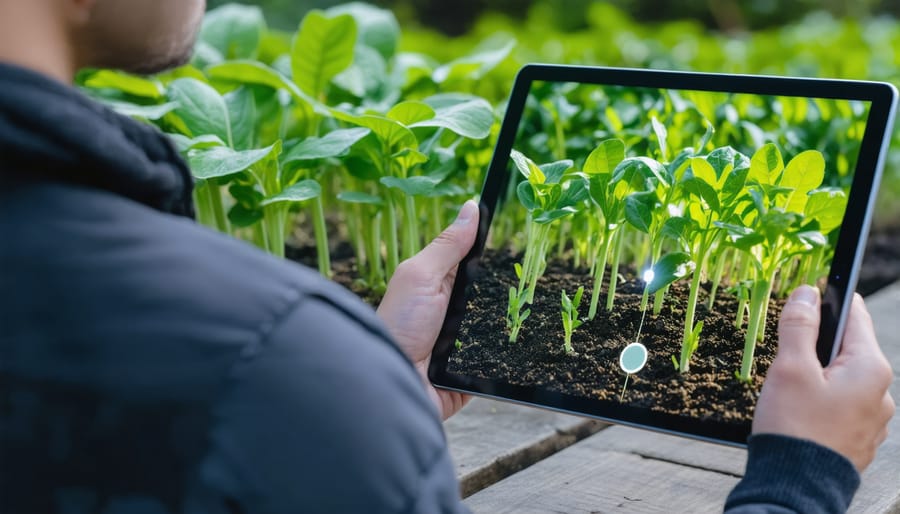
Have you ever wished you could fast-forward through the seasons to see how your garden will develop? With augmented reality technology, you can now visualize your plants’ growth patterns and seasonal changes before they happen. This powerful feature helps gardeners make informed decisions about climate-smart garden planning and plant placement.
By pointing your smartphone or tablet at your garden space, AR apps can generate time-lapse visualizations showing how plants will mature throughout the growing season. Watch as virtual seedlings transform into full-grown plants, complete with accurate height, spread, and bloom times. This technology considers factors like sun exposure, local climate data, and plant-specific growth rates to create realistic predictions.
The seasonal preview feature is particularly helpful when planning year-round interest in your garden. You can see how your landscape will look during different seasons, from spring blooms to fall foliage, and even winter structure. This helps identify potential gaps in seasonal interest and ensures your garden remains vibrant throughout the year.
For new gardeners, this visualization tool takes the guesswork out of plant spacing and timing. You’ll know exactly when to expect growth spurts, flowering periods, and dormancy, making it easier to plan maintenance tasks and coordinate complementary plantings. It’s like having a crystal ball for your garden, helping you create beautiful, well-planned spaces that thrive in every season.
Prevent Common Design Mistakes
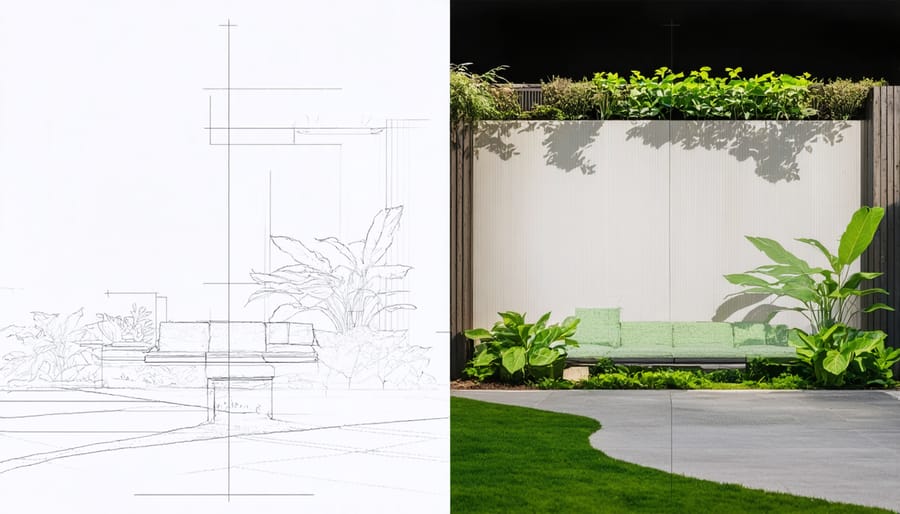
One of the most frustrating aspects of traditional garden planning is discovering spacing mistakes after plants have already grown. Augmented reality transforms this experience by helping you visualize your garden layout before putting a single plant in the ground. By projecting virtual plants at their mature sizes, AR technology shows you exactly how much space each plant will need, preventing overcrowding issues that often plague new gardeners.
The technology is particularly valuable when planning mixed borders and layered plantings. You can see how tall plants will interact with shorter ones, ensuring that smaller specimens won’t be overshadowed as everything grows. AR also helps you maintain proper distances between plants and structures like fences or walls, avoiding future maintenance headaches.
Another common mistake AR helps prevent is underestimating pathway widths. By visualizing walking spaces between beds and borders, you can ensure comfortable access for maintenance and harvesting. The technology even accounts for seasonal growth patterns, showing you how plants will spread throughout the year.
For those working with slopes or uneven terrain, AR provides a realistic preview of how plants will appear from different angles and elevations. This feature is invaluable for creating visually balanced landscapes that look good from all viewing points, eliminating the guesswork that often leads to awkward arrangements or bare spots in the garden.
Getting Started with AR Garden Design
Essential Tools and Setup
To get started with augmented reality gardening, you’ll need a few essential tools. First and foremost, you’ll want a smartphone or tablet with a good camera and enough processing power to run AR applications smoothly. Most modern devices from the last few years will work perfectly fine.
Download a reliable AR gardening app from your device’s app store. Popular options include Garden Visualizer Pro and PlantScape AR, which offer free versions to help you get started. Make sure your device has enough storage space for the app and its features.
For the best experience, you’ll want to ensure your garden space is well-lit and clear of obstacles. Take time to clean up the area you plan to design, removing any debris that might interfere with the AR scanning process. A measuring tape is helpful for accurately scaling your virtual plants to match your real garden dimensions.
Optional but useful tools include a small tripod or phone stand for steady viewing, and a notepad to jot down ideas as you experiment with different layouts. If you’re planning to work in bright sunlight, consider an anti-glare screen protector for better visibility.
Remember to keep your device charged and consider having a portable battery pack handy for extended design sessions outdoors.
First Project Tips
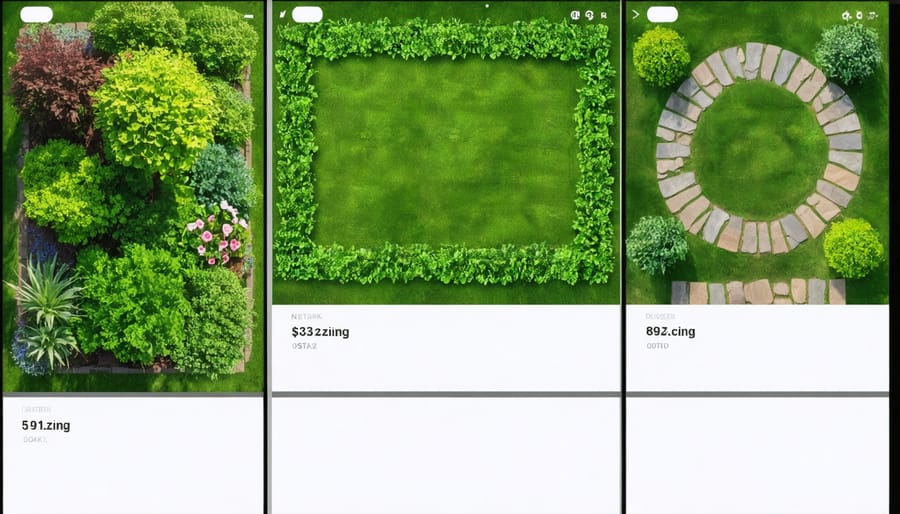
Starting your first AR garden design project can feel like stepping into the future, but don’t worry – it’s easier than you might think! Begin with a single small area of your garden, such as a flower bed or herb corner. This allows you to familiarize yourself with the AR tools without feeling overwhelmed.
Before diving in, take photos of your target space from multiple angles in good lighting. These will serve as your digital canvas. Choose a user-friendly AR gardening app that offers a free trial, and spend time exploring its basic features before attempting complex designs.
Start with just 3-5 plant varieties you’re familiar with, rather than trying to incorporate every exciting option available. This makes it easier to visualize realistic outcomes and understand how the AR technology interprets different plants.
Remember to account for seasonal changes – many AR apps now include features that show how your garden will look across different seasons. Take advantage of this to plan for year-round appeal.
Don’t forget to measure your actual garden space accurately and input these measurements into your AR tool. This ensures your virtual plants will translate correctly to real-world spacing requirements.
Lastly, save multiple versions of your design. This allows you to experiment freely without losing your original concept, making the learning process more enjoyable and less stressful.
Real Gardener Success Stories
Sarah Johnson, a community garden coordinator from Portland, discovered AR gardening apps last spring and hasn’t looked back since. “I was skeptical at first, but being able to visualize how plants would grow and interact in our community space has been revolutionary,” she shares. “We reduced planning mistakes by 80% and saved hundreds of dollars on replacements.”
Master gardener Tom Chen uses AR technology to teach gardening classes in Seattle. “My students love seeing virtual plant growth projections. It helps them understand spacing requirements and seasonal changes before making costly mistakes,” he explains. His success rate with new gardeners has doubled since incorporating AR tools.
Rebecca Martinez, an urban gardener with limited space, credits AR planning for her thriving balcony garden. “The app showed me exactly where shadows would fall throughout the day. I’ve managed to grow twice as many vegetables as last year because I could optimize every inch of space,” she beams.
The Williams family in suburban Chicago transformed their backyard using AR visualization. “We could see how different plants would mature over time,” says Mike Williams. “The technology helped us create distinct garden zones that work in harmony. Our pollinator garden is now a neighborhood attraction, and we’re harvesting more vegetables than ever before.”
These success stories demonstrate how AR technology is revolutionizing both personal and community gardening projects, making expert-level planning accessible to everyone.
Augmented reality is revolutionizing the way we approach garden design, making it more accessible, enjoyable, and successful than ever before. By bridging the gap between imagination and reality, AR technology empowers gardeners to create stunning outdoor spaces with confidence. Whether you’re a seasoned gardener looking to tackle ambitious landscape projects or a beginner wanting to start small, AR tools can help you visualize, plan, and execute your garden dreams with precision. The technology’s ability to show plants at maturity, simulate seasonal changes, and provide real-time design feedback makes it an invaluable tool for modern gardening. As AR continues to evolve, it’s becoming increasingly user-friendly and affordable, opening up new possibilities for garden enthusiasts everywhere. Don’t wait to embrace this exciting technology – download an AR gardening app today and start exploring the endless possibilities for your outdoor space. The future of gardening is here, and it’s more vibrant and accessible than ever.