Plant breeding stands as one of humanity’s most powerful tools in creating resilient, high-yielding crops that can withstand our changing climate. From drought-resistant wheat varieties feeding millions to disease-resistant tomatoes thriving in home gardens, modern plant breeding combines ancient wisdom with cutting-edge science. The past decade has witnessed remarkable breakthroughs, with breeders developing crops that not only survive extreme weather but also offer enhanced nutritional profiles and better flavor.
Consider the groundbreaking development of flood-tolerant rice in Southeast Asia, where traditional varieties are crossed with naturally flood-resistant wild relatives to create plants that can survive underwater for weeks. In our own backyards, plant breeders have revolutionized familiar vegetables like the ‘Sun Gold’ cherry tomato, combining sweet flavor with crack resistance and extended growing seasons. These achievements demonstrate how strategic breeding programs address both global food security and the practical needs of home gardeners.
Whether you’re a curious gardener or an aspiring plant scientist, understanding these breeding success stories provides valuable insights into the future of sustainable agriculture and home growing. Let’s explore some of the most inspiring examples of plant breeding that are reshaping our gardens and farms.
Drought-Resistant Crop Success Stories
Water-Wise Tomatoes
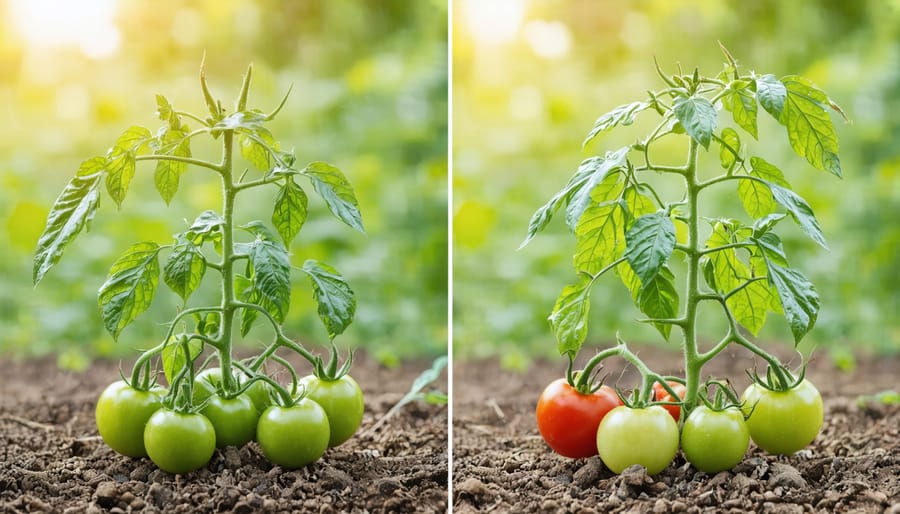
As climate change brings more frequent droughts, plant breeders have been working tirelessly to develop tomato varieties that thrive with less water. These water-wise tomatoes combine the flavors we love with impressive drought tolerance, making them perfect for gardeners looking to implement water-efficient gardening techniques.
Popular drought-resistant varieties include ‘Phoenix,’ which produces consistently even during heat waves, and ‘Roma VF,’ known for its deep root system that helps access water deep in the soil. The ‘Punta Banda’ tomato, developed from wild desert-dwelling relatives, shows remarkable adaptation to dry conditions while maintaining excellent flavor.
Breeders achieve these results by crossing domesticated tomatoes with their hardy wild cousins found in arid regions of South America. They select plants that display beneficial traits like smaller leaves (which lose less water through transpiration), robust root systems, and thick, waxy leaf coatings that prevent moisture loss.
Home gardeners can experiment with these varieties to reduce water usage without sacrificing harvest quality. When growing water-wise tomatoes, mulching heavily and providing deep, infrequent watering helps encourage deep root growth. These resilient plants not only save water but often develop more concentrated flavors due to their efficient water use.
Heat-Tolerant Lettuce Breakthroughs
Recent breakthroughs in heat-tolerant lettuce breeding have revolutionized how we grow this popular crop, especially in warmer climates. Plant breeders have developed remarkable varieties that not only withstand higher temperatures but also maintain the crisp texture and sweet flavor we love.
The ‘Desert King’ variety, developed through careful selective breeding, can thrive in temperatures up to 85°F (29°C) without becoming bitter or bolting. This breakthrough has made summer lettuce growing possible in regions where it was once challenging.
Another success story is the ‘Heat Wave’ blend, which combines the genetics of wild lettuce species with traditional varieties. The result is a lettuce that requires 30% less water than conventional types and can produce leaves even during hot spells. Gardeners in Southern states have reported successful harvests well into July with these varieties.
The Australian-bred ‘Outback Red’ has particularly impressed growers with its ability to form heads in temperatures that would typically cause traditional lettuce to fail. Its reddish leaves not only add visual appeal but also contain higher levels of protective compounds that help the plant cope with heat stress.
These innovations aren’t just for commercial growers – home gardeners can now enjoy fresh, homegrown lettuce throughout extended growing seasons, using less water and experiencing fewer crop failures.
Cold-Hardy Plant Innovations
Frost-Resistant Berries
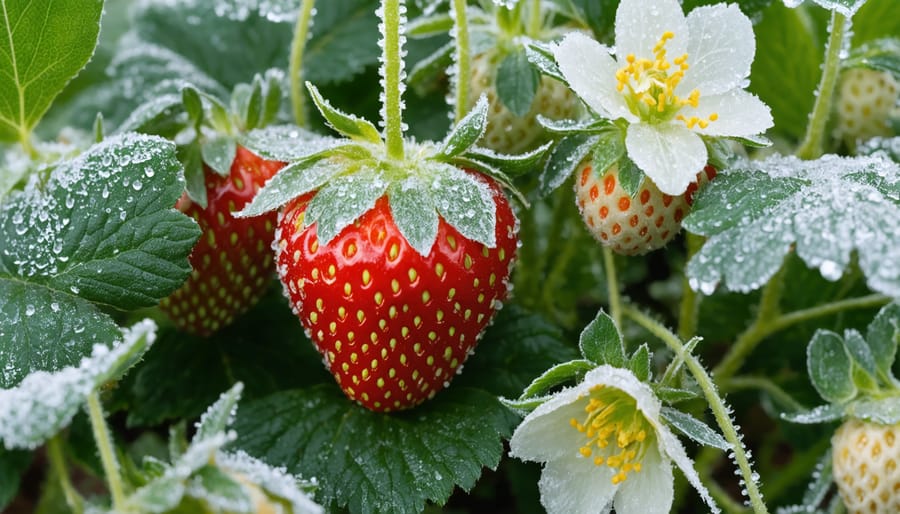
The development of frost-resistant berries stands as one of the most remarkable achievements in modern plant breeding. These hardy varieties allow gardeners in colder regions to enjoy fresh berries despite challenging weather conditions. Take the winterberry, for example, which can survive temperatures as low as -40°F (-40°C) while still producing abundant fruit.
Notable success stories include the University of Minnesota’s breeding program, which created the ‘Northblue’ blueberry variety. This resilient plant combines the sweetness of highbush blueberries with the cold hardiness of wild lowbush varieties. Similarly, the ‘Romeo’ and ‘Juliet’ cherry varieties were bred specifically for zones 2-7, making sweet cherries accessible to northern gardeners for the first time.
For home gardeners interested in growing frost-resistant berries, several varieties stand out. The ‘Polaris’ raspberry can withstand harsh winters without protection, while maintaining excellent fruit quality. The ‘Black Gem’ blackberry, developed in Wisconsin, produces firm, sweet berries even after exposure to sub-zero temperatures.
When selecting frost-resistant berries for your garden, look for varieties tested in zones similar to or colder than yours. These plants typically feature deeper root systems and hardier canes that help them survive winter’s challenges. Many modern varieties also offer improved disease resistance and extended fruiting seasons, making them excellent choices for sustainable garden planning.
Winter-Strong Vegetables
Winter vegetables have come a long way thanks to careful breeding programs that enhance cold tolerance. Take kale, for instance – modern varieties like ‘Winterbor’ and ‘Redbor’ can withstand temperatures well below freezing, often tasting sweeter after a frost. These cold-hardy varieties were developed by selecting plants that showed natural resistance to freezing temperatures.
Brussels sprouts have also been transformed through breeding. Modern varieties like ‘Diablo’ and ‘Long Island Improved’ were specifically bred to mature during the coldest months, producing firm, sweet sprouts even in challenging conditions. Their improved frost tolerance comes from years of selective breeding for stronger cell walls that resist ice crystal formation.
Carrots have seen remarkable improvements too. Winter varieties like ‘Napoli’ and ‘Merida’ were bred to maintain their sweet flavor and crunch despite freezing soil temperatures. Breeders achieved this by selecting for higher sugar content, which acts as a natural antifreeze in the roots.
Perhaps one of the most impressive achievements is winter spinach breeding. Varieties like ‘Giant Winter’ and ‘Tyee’ can survive temperatures as low as 0°F (-18°C), thanks to genetic traits that help their leaves maintain flexibility in freezing conditions. These hardy spinach varieties offer gardeners the joy of fresh greens even in the depths of winter.
Disease-Resistant Varieties for Changing Climates
Mildew-Resistant Cucumbers
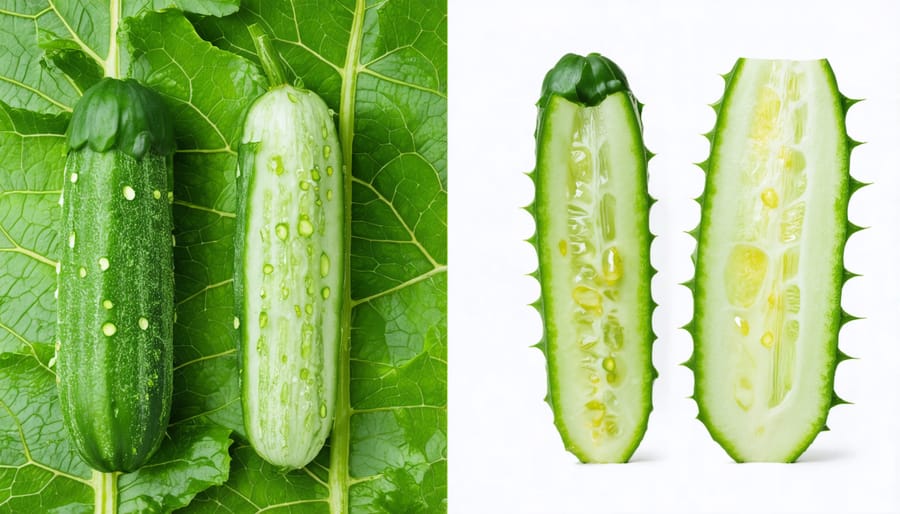
In regions where humidity poses a challenge for cucumber cultivation, mildew-resistant varieties have become game-changers for home gardeners and commercial growers alike. These specially bred cucumbers combine the crisp, refreshing taste we love with built-in protection against powdery and downy mildew, two common fungal diseases that typically plague cucumber plants in damp conditions.
The ‘Marketmore 76’ variety stands out as a garden favorite, developed by Cornell University to thrive in humid environments while producing consistent, dark green fruits. Its robust disease resistance doesn’t compromise on flavor, making it perfect for both fresh eating and pickling.
Another breakthrough variety is the ‘Socrates’ cucumber, which shows exceptional resistance to powdery mildew even in greenhouse conditions where humidity tends to be higher. This variety produces smooth, seedless fruits and continues to bear even when other varieties might succumb to disease pressure.
For those growing in particularly challenging conditions, the ‘Diamant’ F1 hybrid offers outstanding protection against multiple strains of downy mildew. Home gardeners report successful harvests even during particularly wet seasons, with fruits remaining clean and unblemished despite humid conditions.
These disease-resistant varieties demonstrate how modern plant breeding helps gardeners succeed while reducing the need for fungicides, making cucumber growing more sustainable and rewarding for everyone.
Blight-Resistant Potatoes
The battle against potato blight has led to some remarkable breakthroughs in plant breeding, offering hope to gardeners everywhere. Traditional potato varieties like the Irish Lumper were devastated by late blight in the past, but today’s resistant varieties showcase how far we’ve come in developing resilient crops.
Modern blight-resistant potatoes, such as ‘Sarpo Mira’ and ‘Defender,’ combine natural resistance with excellent flavor profiles. These varieties allow gardeners to grow healthy potato crops while reducing the need for chemical treatments. The ‘Sarpo’ family of potatoes, developed in Hungary, has become particularly popular among organic gardeners for their outstanding disease resistance and ability to improve soil health through their vigorous root systems.
For home gardeners, varieties like ‘Kennebec’ and ‘Red Cloud’ offer excellent resistance to both early and late blight while producing abundant harvests. These potatoes thrive in diverse growing conditions and maintain their resistance even during wet seasons when blight pressure is highest.
To maximize success with blight-resistant varieties, plant them in well-draining soil and maintain good air circulation between plants. While these varieties are naturally resistant, following basic cultural practices helps ensure the healthiest possible crop and prevents other potential issues from taking hold.
Growing Climate-Smart Plants in Your Garden
As our climate continues to change, adapting our gardens becomes increasingly important. The good news is that you can create a resilient garden by selecting and growing climate-smart plant varieties. These plants are bred to withstand various environmental challenges while still producing beautiful blooms or bountiful harvests.
Start by choosing drought-tolerant vegetables like ‘Heatwave II’ tomatoes or ‘Armenian’ cucumbers, which thrive in warm conditions and require less water. These varieties have been specifically developed to maintain productivity even during hot spells. For flower enthusiasts, consider heat-loving plants like the ‘SunPatiens’ series of impatiens or ‘Evolution’ salvias, which continue blooming through summer’s peaks.
Disease resistance is another crucial factor in climate-smart gardening. Look for vegetables labeled with “VFN” resistance (Verticillium wilt, Fusarium wilt, and Nematodes) or newer varieties bred for broad-spectrum disease resistance. The ‘Sugar Snap’ pea variety, for instance, offers excellent resistance to powdery mildew, a common problem in humid conditions.
Implementing sustainable growing practices alongside climate-smart plant selection maximizes your garden’s resilience. Consider companion planting, where you group plants that support each other’s growth and naturally deter pests. For example, plant basil near tomatoes to improve their flavor and help repel insects.
For those with limited space, many climate-smart varieties are well-suited for containers and urban gardening solutions. ‘Patio’ tomatoes and ‘Thumbelina’ carrots are excellent choices for small spaces, offering good yields while maintaining resistance to environmental stresses.
Remember to collect seeds from your most successful plants each season. This practice helps develop varieties that are specifically adapted to your local conditions. Start small with easy-to-save seeds like tomatoes, beans, and lettuce, and keep notes on which plants perform best in your garden’s unique environment.
By choosing climate-smart varieties and adapting your growing methods, you’re not just creating a more resilient garden – you’re participating in the ongoing evolution of plant breeding that helps ensure sustainable food production for future generations.
As our climate continues to evolve, the importance of climate-resilient plant breeding cannot be overstated. Through the examples we’ve explored, it’s clear that these innovative breeding techniques are not just scientific achievements – they’re practical solutions for gardeners like you and me who want to maintain thriving gardens in challenging conditions.
Whether you’re dealing with unpredictable rainfall, increasing temperatures, or changing pest patterns, there’s likely a climate-resilient variety that can help your garden flourish. By incorporating these specially bred plants into your garden, you’re not only increasing your chances of success but also contributing to a more sustainable future of gardening.
Remember, you don’t need to completely overhaul your garden overnight. Start small by trying one or two climate-resilient varieties in your next growing season. Pay attention to how they perform compared to traditional varieties, and share your experiences with fellow gardeners. Many gardeners report that once they switch to climate-resilient varieties, they wonder how they ever managed without them!
As you plan your future garden projects, consider the changing climate in your region and choose varieties bred specifically for those conditions. The extra effort in selecting these specialized plants will pay off in stronger, more productive gardens that can weather whatever challenges nature brings. Your success with these varieties will inspire others in your community to embrace climate-resilient gardening, creating a ripple effect of positive change.