Biodegradable gardening products promise a greener future for our gardens, but their true impact extends far beyond simply breaking down in soil. As gardeners increasingly embrace sustainable practices, understanding the real benefits and limitations of biodegradable materials has become essential for making informed choices. While these products naturally decompose and enrich our soil with organic matter, their effectiveness depends on specific environmental conditions and proper usage. From biodegradable pots that nurture seedlings to compostable mulch that nourishes garden beds, these eco-friendly alternatives offer compelling advantages – yet they also come with important considerations about decomposition rates, cost-effectiveness, and practical applications in different gardening scenarios. Whether you’re a seasoned gardener committed to environmental stewardship or a beginner exploring sustainable options, discovering the nuanced reality of biodegradable gardening materials can transform how you nurture your garden while protecting our planet.
What ‘Biodegradable’ Really Means in Your Garden
Breaking Down the Breakdown Process
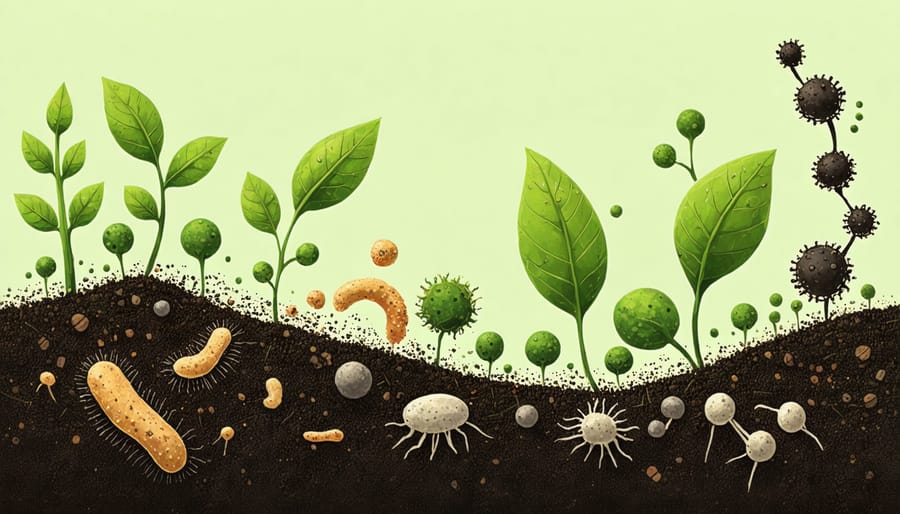
When materials break down in your garden, they go through a fascinating natural process that’s both simple and complex. Biodegradable garden solutions work with nature’s own recycling system, where microorganisms like bacteria and fungi are the star players. These tiny decomposers break down organic matter into simpler compounds that your soil can actually use.
Think of it like making compost, but on a smaller scale. First, larger organisms like earthworms and insects break materials into smaller pieces. Then, beneficial bacteria and fungi get to work, converting complex materials into nutrients. Temperature, moisture, and oxygen levels all play crucial roles in how quickly this happens.
In ideal garden conditions, materials like fruit scraps might decompose in just a few weeks, while tougher items like wooden stakes could take several months. The beauty of this process is that it returns valuable nutrients to your soil, creating a natural cycle that benefits your entire garden. Just remember that even biodegradable materials need the right conditions to break down properly – good airflow, adequate moisture, and contact with soil are essential.
Time to Decompose: Reality vs. Marketing Claims
Many gardening products labeled as “biodegradable” promise to break down within weeks or months, but reality often tells a different story. While a biodegradable plant pot might claim to decompose in 12 weeks, actual garden conditions can extend this to 6 months or longer, depending on soil type, temperature, and moisture levels. I’ve found that biodegradable mulch films advertised to decompose in 3 months frequently need 5-8 months to fully break down in my garden beds. Even compostable bags can take twice as long to decompose as their packaging suggests. This doesn’t mean these products aren’t beneficial – they do eventually break down naturally – but it’s important to adjust our expectations and planning accordingly. Remember that natural decomposition is influenced by many environmental factors, not just time.

The Benefits of Biodegradable Garden Products
Soil Health and Nutrient Contribution
When biodegradable products break down, they contribute to a natural cycle that helps enhance soil quality in remarkable ways. As these materials decompose, they release valuable nutrients that feed beneficial soil microorganisms and improve overall soil structure. Think of it as nature’s own recycling system – every biodegradable item you add to your garden becomes a tiny nutrient factory.
The process enriches your soil with essential elements like nitrogen, phosphorus, and potassium, which are vital for healthy plant growth. Biodegradable materials also help improve soil texture by creating air pockets and water channels as they break down. This enhanced soil structure allows roots to grow more freely and access nutrients more easily.
Perhaps most importantly, biodegradable materials contribute to building healthy humus – the dark, rich organic matter that gives good garden soil its characteristic earthy smell and crumbly texture. This humus acts like a natural sponge, helping your soil retain moisture and nutrients while supporting a thriving ecosystem of beneficial organisms that keep your garden healthy and productive.
Environmental Impact Reduction
When you choose biodegradable products for your garden, you’re making a significant positive impact on our environment. These materials naturally break down into harmless substances, drastically reducing the amount of plastic waste that ends up in our landfills and oceans. For instance, biodegradable plant pots can decompose within months, compared to traditional plastic pots that might take hundreds of years to break down.
The carbon footprint reduction is equally impressive. Most biodegradable gardening products are made from renewable resources like cornstarch, bamboo, or recycled materials, requiring less energy to produce than their plastic counterparts. By incorporating these products into your earth-friendly gardening practices, you’re helping to decrease greenhouse gas emissions and supporting sustainable manufacturing processes.
Consider this: every biodegradable pot or tool you use means one less piece of plastic in our environment. Over time, these small choices add up to make a meaningful difference in reducing environmental pollution and preserving our natural resources for future generations of gardeners.
Common Misconceptions and Pitfalls
Not All Biodegradable Products Are Created Equal
When you’re shopping for biodegradable products, you’ll notice quite a range in quality and breakdown times. Some items might decompose within weeks, while others could take several months or even years to break down completely. For example, biodegradable plant pots made from bamboo typically decompose faster than those made from corn-based materials.
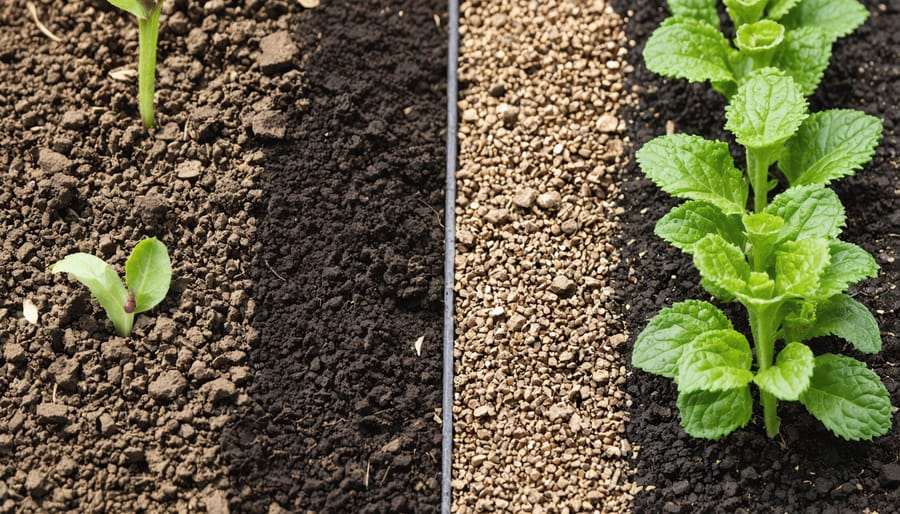
The speed of decomposition depends on several factors, including temperature, moisture levels, and the presence of beneficial microorganisms in your soil. Even products labeled as “100% biodegradable” may need specific conditions to break down effectively. A biodegradable plant pot sitting in your dry garden shed won’t decompose as quickly as one planted directly in moist, nutrient-rich soil.
That’s why it’s important to read product labels carefully and understand the decomposition requirements. Look for items that match your gardening needs and local climate conditions, rather than simply choosing any product labeled “biodegradable.”
When Biodegradable Isn’t the Best Choice
While biodegradable products are generally excellent for the environment, there are times when traditional materials might be the better choice. For instance, long-term garden structures like raised beds or trellises need to withstand multiple growing seasons and weather conditions. In these cases, sturdy materials like cedar or metal will serve you better than biodegradable alternatives.
Storage containers for seeds and tools also need to be moisture-resistant and durable. Using biodegradable storage solutions could lead to damaged supplies and unnecessary waste. Similarly, garden hoses and irrigation systems require lasting materials to maintain water pressure and prevent leaks.
Many experienced gardeners find that combining both biodegradable and traditional materials creates the most sustainable garden. For example, you might use plastic greenhouse covers that last several seasons while choosing biodegradable mulch and plant pots. The key is finding the right balance between durability and environmental impact for each specific garden need.
Smart Ways to Use Biodegradable Products in Your Garden
Making your garden more eco-friendly with biodegradable products is easier than you might think! Let’s explore some clever ways to incorporate these earth-friendly solutions into your gardening routine.
Start with biodegradable pots and seed starters. These are perfect for starting seedlings and can be planted directly into the ground, where they’ll naturally decompose while nourishing your plants. Many gardeners find that coconut coir pots and newspaper seed starters work wonderfully for this purpose.
When it comes to mulching, consider using biodegradable materials like straw, leaves, or wood chips. These materials not only help retain moisture and suppress weeds but also break down over time to enrich your soil naturally. For vegetable gardens, a layer of grass clippings makes an excellent nutrient-rich mulch that disappears into the soil by season’s end.
Don’t forget about plant ties and supports! Instead of plastic ties, try using natural twine or strips of old cotton fabric to support climbing plants. These materials will gradually break down after serving their purpose, leaving no waste behind.
For pest control, biodegradable options like cornstarch-based pest barriers and cardboard collar guards work effectively while being environmentally conscious. They protect your plants during the crucial growing period and then decompose harmlessly into the soil.
When organizing your garden, use wooden plant markers instead of plastic ones. You can make these yourself from old popsicle sticks or small pieces of untreated wood. They’ll last through the growing season and naturally break down afterward.
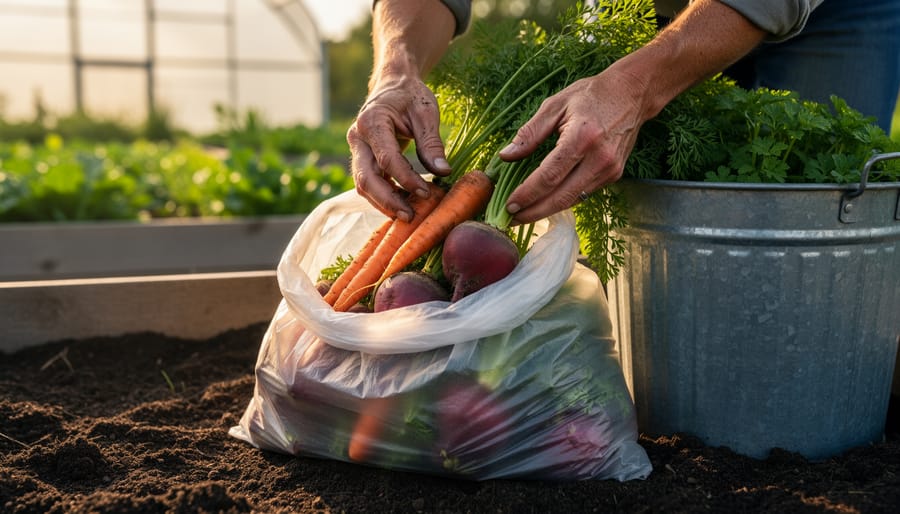
Remember to incorporate biodegradable waste from your kitchen too! Coffee grounds, eggshells, and vegetable scraps can be worked directly into your soil or added to your compost bin, creating a beautiful cycle of renewal in your garden.
As we’ve explored throughout this article, biodegradable products can indeed be a valuable addition to your gardening practices, offering numerous benefits for both your garden and the environment. When properly used and understood, these materials can enhance soil quality, reduce waste, and support a more sustainable approach to gardening.
Remember that while biodegradable products aren’t a magical solution, they’re an important tool in creating an eco-friendly garden. The key is to make informed choices based on your specific needs and garden conditions. Consider factors like decomposition time, local climate, and intended use when selecting biodegradable products.
For the best results, combine biodegradable materials with other sustainable gardening practices. Start small by replacing one or two conventional products with biodegradable alternatives, and observe the results in your garden. Pay attention to how these materials break down and affect your soil and plants.
Moving forward, look for certified biodegradable products from reputable manufacturers, and don’t hesitate to ask questions about their composition and breakdown process. Your thoughtful choices today will contribute to healthier gardens and a more sustainable future for generations to come.