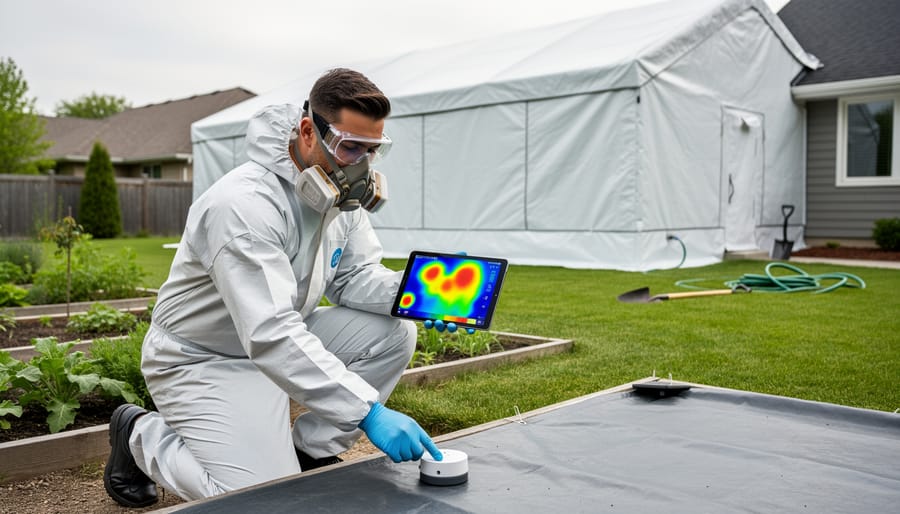
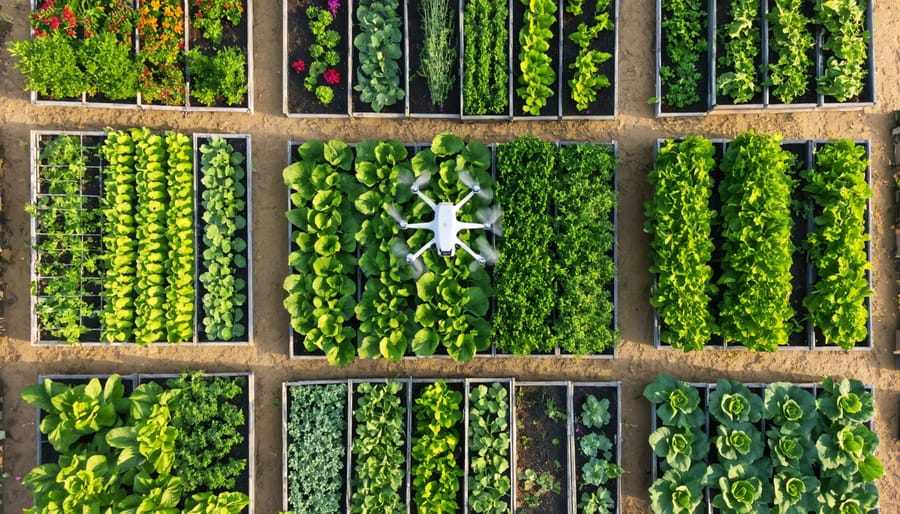
Detect plant diseases before they spread by scanning leaves daily with your smartphone camera and AI-powered apps, catching symptoms at their earliest stages. Monitor leaf discoloration, spots, or unusual growth patterns using specialized sensors that integrate seamlessly with organic gardening practices and alert you instantly to potential threats. Document plant health changes through weekly photo logs, creating a visual timeline that helps identify disease progression and treatment effectiveness.
Early detection transforms how we protect our gardens, combining traditional observation methods with cutting-edge technology to safeguard plants effectively. Modern AI systems now recognize over 50 common plant diseases with 95% accuracy, offering gardeners unprecedented precision in diagnosis and treatment planning. This revolutionary approach to plant health management empowers both novice and experienced gardeners to take immediate, informed action when diseases emerge.
By understanding and implementing these detection methods, gardeners can significantly reduce crop losses and maintain healthier, more productive gardens throughout the growing season. The key lies in consistent monitoring and swift response, supported by technology that makes expert-level disease identification accessible to everyone.
How AI Recognizes Plant Diseases
The Science Behind AI Plant Analysis
The magic of AI plant disease detection lies in its ability to “see” and analyze plants much like a trained botanist would, but with incredible speed and accuracy. When you take a photo of your plant, the AI system breaks down the image into thousands of tiny data points, examining colors, patterns, and textures that might indicate disease. It’s like having a super-powered magnifying glass that can spot the tiniest signs of trouble!
These systems are trained on vast databases containing millions of plant images, including both healthy specimens and those affected by various diseases. Through machine learning, the AI gradually becomes better at recognizing the subtle differences between healthy leaves and those showing signs of infection or stress. It’s similar to how we humans learn to identify ripe fruits – the more examples we see, the better we become at spotting them.
The technology uses complex algorithms to compare your plant’s image against its database, quickly identifying potential issues and offering diagnosis suggestions. What’s particularly impressive is that these systems continue to learn and improve over time, becoming more accurate with each new image they analyze.

Common Plant Diseases AI Can Detect
Modern AI systems have become remarkably adept at identifying common plant diseases, making it easier than ever for gardeners to protect their beloved plants. Some of the most frequently detected issues include powdery mildew, which appears as white, dusty spots on leaves, and early blight, characterized by dark brown spots with yellow halos. Leaf spot diseases, which create circular patches on foliage, and downy mildew, showing up as yellow patches on leaf tops and gray fuzz underneath, are also easily spotted by AI technology.
Root rot, while hidden underground, can be identified through AI analysis of above-ground symptoms like wilting and yellowing leaves. Bacterial diseases such as fire blight, which causes blackened stems and leaves, and viral infections like mosaic virus, showing mottled leaf patterns, are other conditions that AI systems regularly detect with impressive accuracy.
These smart systems can even identify nutrient deficiencies that mimic disease symptoms, helping gardeners distinguish between actual infections and environmental stress factors.
Using AI Plant Disease Detection at Home
Smartphone Apps for Plant Disease Detection
Today’s smartphone technology has made plant disease detection more accessible than ever, with several user-friendly apps designed to help gardeners identify and treat plant problems quickly. Some of the most reliable apps include PlantSnap, iNaturalist, and Plantix, which use artificial intelligence to analyze photos of affected plants and provide instant diagnoses.
To get the most accurate results, take clear, well-lit photos of the affected plant parts, including both healthy and diseased areas for comparison. Most apps work best when you capture multiple angles, showing leaves, stems, and any visible symptoms. It’s helpful to take photos during daylight hours and avoid shadows that might obscure important details.
While these apps are incredibly helpful, they work best as part of a broader plant care strategy. Many apps offer additional features like care guides, treatment recommendations, and community forums where you can connect with other gardeners facing similar challenges.
For beginners, apps like Picture This and Plantix are particularly useful, offering step-by-step guidance and simple explanations of plant diseases. More experienced gardeners might prefer apps like Plant Disease ID, which provides detailed scientific information and advanced treatment options.
Remember that while these apps are valuable tools, they shouldn’t completely replace traditional gardening knowledge or professional advice for severe plant problems. Use them as a first line of defense and learning tool to better understand your garden’s health.
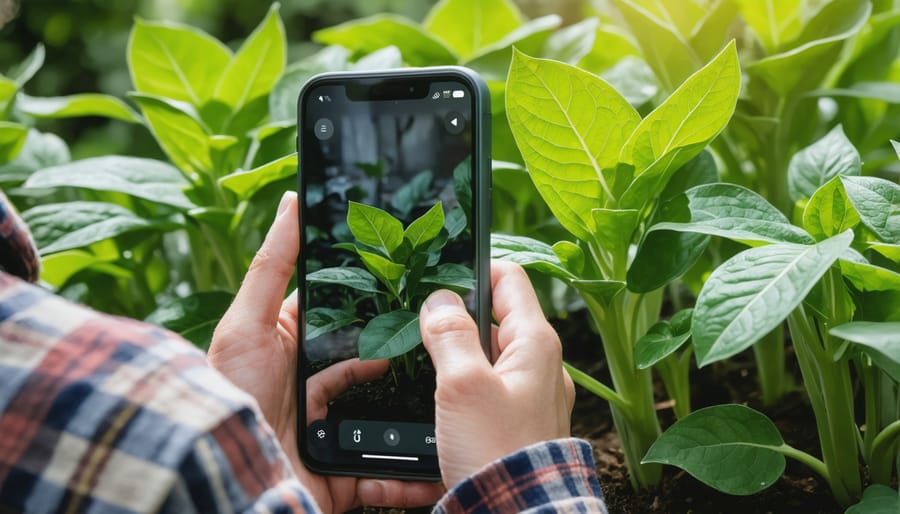
Taking Clear Photos for Accurate Results
Getting clear, usable photos for AI plant disease detection doesn’t require professional equipment – just your smartphone and a few simple techniques. For the best results, check out our comprehensive garden photography tips guide, but here are the essential points to remember.
Always photograph your plants in natural daylight, avoiding harsh shadows or direct sunlight. Cloudy days provide perfect lighting conditions. Position yourself so that your shadow doesn’t fall across the plant, and hold your phone steady to ensure sharp images.
Focus on the affected areas by getting close – about 12-18 inches away from the plant. Include both healthy and diseased portions in the same frame for better context. Make sure the image is well-lit and in focus before taking the shot. If possible, take multiple photos from different angles.
Remove any debris or obstacles that might obstruct the view of the affected area. Gently brush away dirt or water droplets from leaves before photographing. Keep your phone’s camera lens clean for the clearest possible images.
For the most accurate results, capture photos at different stages of the disease progression. This helps the AI system better understand the condition and provide more precise recommendations for treatment.
Interpreting AI Detection Results
When your AI plant disease detection app provides results, it’s important to approach them as helpful guidance rather than absolute diagnoses. The app typically displays confidence levels for each potential disease it identifies – think of these as educated suggestions rather than definitive answers. A high confidence score (usually above 90%) indicates a strong likelihood of correct identification, while lower scores suggest you might need to investigate further.
Look closely at the visual symptoms the AI has highlighted in your plant photos. Do they match the typical signs described for the suggested disease? Cross-reference these with trusted gardening resources or your local extension office’s guidelines. Remember that similar symptoms can sometimes indicate different problems – for instance, yellowing leaves might suggest either overwatering or a nutrient deficiency.
If the AI suggests multiple possible diseases, start with the most severe potential threat first. Document the date, symptoms, and AI suggestions in your gardening journal – this information becomes invaluable for tracking disease patterns over time. When in doubt, particularly for serious plant diseases, consider consulting a local master gardener or agricultural expert.
The AI results should guide your next steps: whether that’s adjusting watering practices, improving air circulation, applying organic treatments, or, in severe cases, removing affected plants to protect others. Remember, early detection and swift action are your best allies in maintaining a healthy garden.
Beyond Detection: Prevention and Treatment
Early Warning Signs to Watch For
Being able to spot plant diseases early can make all the difference in saving your garden. Just like a doctor looks for symptoms in patients, gardeners need to keep an eye out for tell-tale signs of trouble in their plants. Modern AI technology is particularly good at identifying these early warning signs, often before they’re visible to the naked eye.
The most common indicators include unusual spots or patches on leaves, which might appear yellow, brown, or black. Watch for any wilting or drooping, especially if you’ve been keeping up with regular watering. Powdery or fuzzy growths on leaves or stems are another red flag that AI systems can quickly identify.
Keep an eye out for unusual growth patterns, such as stunted or deformed leaves, or branches that seem weaker than others. Changes in leaf color, particularly yellowing between leaf veins or unexpected reddish tints, often signal nutritional problems or disease. Stems might show dark streaks or unusual swelling, while fruits and vegetables could develop soft spots or strange discolorations.
AI-powered apps can help confirm your suspicions by analyzing photos of these symptoms. They’re particularly helpful in distinguishing between similar-looking issues, like determining whether yellowing leaves indicate overwatering or a nutrient deficiency. The earlier you catch these signs, the better your chances of saving affected plants and protecting the rest of your garden.

Natural Treatment Solutions
When plant diseases strike, you don’t always need to reach for chemical solutions. Nature provides many effective remedies that work in harmony with your garden’s ecosystem. Combining these treatments with proper organic pest management techniques can help your plants recover while maintaining a healthy environment.
One of the most versatile natural treatments is neem oil, which combats fungal infections and various plant pathogens. Simply mix 2 tablespoons with a gallon of water and spray affected plants weekly. Baking soda solutions (1 tablespoon per gallon of water) work wonders against powdery mildew and other fungal issues, creating an environment where diseases struggle to thrive.
Garlic and chamomile tea sprays serve as excellent fungicides and can strengthen plants’ natural defenses. For bacterial infections, a mixture of apple cider vinegar (2 tablespoons per gallon of water) can help restore balance to your garden. Companion planting with herbs like basil, rosemary, and marigolds naturally repels harmful insects and reduces disease spread.
Remember to remove affected leaves promptly and maintain good air circulation between plants. Mulching with compost tea can boost soil health and plant immunity, making your garden naturally more resistant to diseases. These gentle yet effective solutions protect both your plants and beneficial garden inhabitants, creating a sustainable cycle of growth and protection.
The Future of AI in Garden Care
As we look ahead, the future of AI in garden care is blooming with exciting possibilities. Smart sensors and AI-powered apps are becoming more sophisticated, offering gardeners unprecedented insights into plant health. These innovations are making it easier than ever to detect diseases before they become severe problems.
One of the most promising developments is the integration of machine learning with automated watering systems and climate control. Imagine a garden that not only identifies diseases but also adjusts growing conditions automatically to prevent them. Some systems are already learning to recognize early signs of stress in plants and can adjust moisture, light, and nutrient levels accordingly.
Community-based AI platforms are also on the rise, where gardeners can share their plant health data and experiences. These collaborative networks help improve disease detection accuracy while creating valuable databases of regional plant health information. It’s like having a worldwide network of expert gardeners right at your fingertips!
We’re also seeing the emergence of AI-powered drones and robots designed specifically for garden maintenance. These helpful assistants can monitor large areas quickly, spotting potential issues that might be missed by the human eye. They’re particularly useful for community gardens and small-scale farming operations.
The accessibility of these technologies is improving too. What was once available only to large agricultural operations is now becoming affordable for home gardeners. Simple smartphone apps can now identify hundreds of plant diseases with impressive accuracy, and this capability will only improve with time.
Perhaps most exciting is the development of predictive AI systems that can forecast potential disease outbreaks based on weather patterns and historical data. This allows gardeners to take preventive measures before problems occur, leading to healthier gardens and better yields.
Remember, while these technologies are impressive, they’re meant to complement rather than replace traditional gardening knowledge. The best results come from combining AI insights with good old-fashioned gardening wisdom and experience.
As we’ve explored throughout this article, AI-powered plant disease detection is revolutionizing the way we care for our gardens. This innovative technology puts the power of expert plant diagnostics right in your pocket, making it easier than ever to identify and treat plant diseases before they become severe problems. By catching issues early, you’ll save time, money, and precious plants while creating a healthier garden environment.
The benefits extend beyond just disease identification. These smart tools help us learn more about our plants, understand common problems in our growing zones, and make better decisions about plant care. Many gardeners report feeling more confident in their gardening abilities after incorporating AI detection tools into their regular maintenance routine.
Whether you’re a weekend gardener or a dedicated plant enthusiast, embracing this technology can transform your gardening experience. The user-friendly apps and devices available today make it accessible to everyone, regardless of technical expertise. Plus, as the technology continues to improve, we can expect even more accurate and helpful features in the future.
Remember, while AI plant disease detection is a powerful tool, it works best as part of a comprehensive garden care strategy. Combined with good gardening practices, regular monitoring, and a dash of traditional gardening wisdom, this technology can help you create and maintain the thriving garden you’ve always dreamed of.
Why not give it a try? Your plants will thank you, and you’ll join a growing community of modern gardeners using technology to nurture healthier, more vibrant gardens.