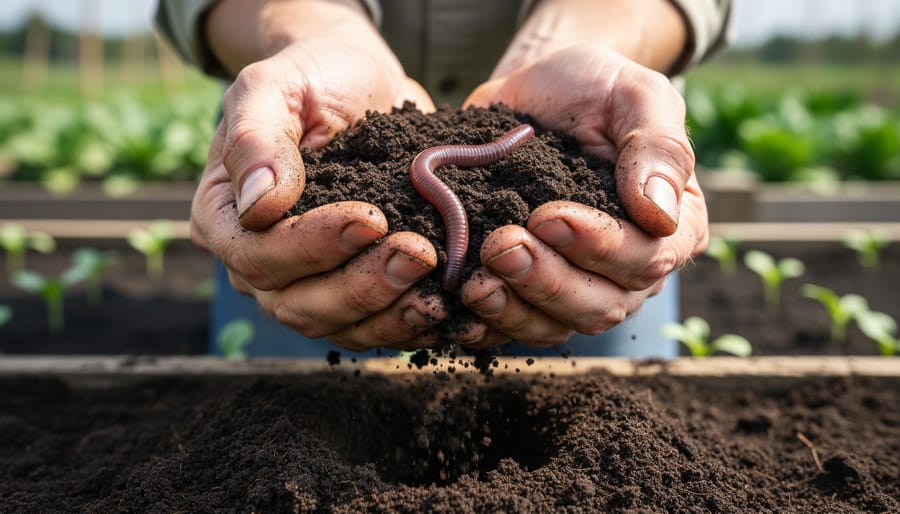
Beneath every thriving garden lies a hidden world that determines whether your tomatoes flourish or struggle, whether your roses bloom brilliantly or barely survive. That world is your soil, and understanding how to nurture it transforms everything about your gardening success.
Think of soil health principles as the fundamental rules that nature has perfected over millions of years. These aren’t complicated laboratory concepts reserved for agricultural scientists. They’re straightforward guidelines that work together like instruments in an orchestra, each one amplifying the others to create something remarkable. When you grasp these principles, you stop fighting against your garden and start working with it.
The beauty of soil health principles is their universal application. Whether you’re tending raised beds on a suburban patio or managing sprawling vegetable gardens, these same core concepts apply. They explain why some gardens seem effortless while others demand constant intervention. They reveal why chemical fertilizers provide temporary fixes but never lasting solutions.
What makes these principles truly powerful is their interconnected nature. You can’t improve just one aspect and expect transformation. Instead, each principle supports and strengthens the others, creating a self-sustaining system that actually gets easier to maintain over time. Your soil becomes more resilient, your plants grow stronger, and your workload decreases.
Ready to discover the framework that turns ordinary dirt into living, productive soil? These five principles will change how you think about what’s happening beneath your feet.
What Soil Health Really Means (Beyond Just Adding Fertilizer)
Think of soil health like the difference between a living forest floor and a concrete parking lot with a thin layer of dirt on top. Both might hold plants, but only one truly sustains life. Healthy soil isn’t just a growing medium you feed with fertilizer – it’s a thriving underground city bustling with billions of residents working around the clock to support your garden.
When we rely solely on chemical fertilizers, we’re essentially putting plants on life support. Sure, they might grow and even produce, but we’re bypassing the incredible natural systems that make soil truly alive. It’s like eating only vitamin pills instead of real food – you might survive, but you won’t thrive.
Truly healthy soil is a complex biological system teeming with life. Every teaspoon contains more microorganisms than there are people on Earth! We’re talking about bacteria, fungi, protozoa, nematodes, and countless other organisms all working together. These tiny helpers break down organic matter, create nutrients plants can actually use, improve soil structure, fight off diseases, and even help plants communicate with each other through underground networks.
Building healthy soil organically means nurturing this entire ecosystem, not just pumping in nitrogen, phosphorus, and potassium. Chemically fed soil might produce plants, but it often lacks the diverse biology that creates resilient, naturally pest-resistant gardens. When you understand soil as a living ecosystem, you stop thinking about what you can add to force growth and start thinking about how to support the incredible community already there, waiting to help your garden flourish.

The Five Core Principles of Soil Health
Keep the Soil Covered
Think of bare soil like leaving your skin exposed to harsh sun, wind, and rain – it’s vulnerable and needs protection. When soil sits uncovered, it faces erosion from heavy rainfall, loses moisture rapidly in the heat, and becomes a landing pad for weed seeds. The solution is beautifully simple: keep it covered, just like nature does.
In the wild, you’ll rarely spot naked earth. There’s always something protecting the soil surface, whether it’s fallen leaves, living plants, or decomposing organic matter. We can replicate this protective blanket in our gardens through three main approaches: mulching, cover crops, and leaving plant residue in place.
Mulching is perhaps the easiest starting point. Organic mulches like straw, wood chips, or shredded leaves create a physical barrier that moderates soil temperature, suppresses weeds, and slowly breaks down to feed soil organisms. I typically apply a 2-3 inch layer around my vegetable plants, keeping it slightly away from plant stems to prevent rot. Wood chips work wonderfully for pathways and around perennials, while straw is perfect for annual vegetable beds.
Cover crops, sometimes called green manure, are plants grown specifically to protect and improve soil during off-seasons. Quick-growing options like buckwheat or clover establish a living carpet that shields soil while their roots continue feeding the underground ecosystem. When you eventually chop them down, they become valuable organic matter.
Living ground covers offer year-round protection in ornamental areas. Low-growing plants like creeping thyme or clover spread across bare patches, keeping soil biology active and preventing erosion.
The key is ensuring your soil always has something protecting it, whether living or dead. This continuous coverage maintains that thriving underground world we’re nurturing.

Minimize Soil Disturbance
Every time we dig or till our soil, we’re essentially demolishing an underground city. Beneath the surface, earthworms tunnel through their neighborhoods, beneficial fungi weave vast networks connecting plant roots, and billions of microorganisms go about their daily business. When we disturb this world through excessive tilling, we tear apart these vital connections and expose soil life to harsh conditions they’re not adapted to handle.
Think of soil structure like a sponge made of tiny aggregates held together by sticky substances produced by fungi and bacteria. Aggressive tilling breaks these aggregates apart, destroying the air pockets that roots and soil life need to thrive. The result? Compacted soil, reduced water infiltration, and a dramatic drop in beneficial organisms. Studies show that repeated tilling can reduce soil organic matter by up to 50 percent over time.
The good news is that adopting a no-dig gardening approach or reduced-till methods can transform your garden while saving your back. Instead of turning soil, simply add compost or mulch on top and let nature incorporate it downward through worm activity and natural decomposition. This protects soil structure and keeps those beneficial fungal networks intact.
Of course, some digging is occasionally necessary. When planting trees, amending severely compacted areas, or installing perennials, you’ll need to get your shovel dirty. The key is doing it thoughtfully: dig only when soil is moderately moist (not soggy or bone-dry), work in smaller areas rather than turning entire beds, and immediately replenish with organic matter to help soil life recover quickly. Your soil organisms will bounce back faster when disturbance is the exception rather than the rule.
Keep Living Roots in the Soil Year-Round
Here’s something fascinating that changed how I think about my garden: beneath every plant is a bustling underground city. Plant roots don’t just anchor your vegetables and flowers—they’re the center of life in your soil. As roots grow and shed cells, they feed billions of microorganisms that, in turn, break down nutrients and make them available to plants. It’s a beautiful exchange, but here’s the catch: when soil sits bare, this community starves.
The solution? Keep something growing in your garden beds year-round.
During the growing season, practice succession planting. As soon as you harvest spring lettuce, pop in summer beans. When tomatoes finish in fall, plant garlic or cool-season greens. This relay race of crops keeps those root systems feeding soil life continuously rather than leaving gaps where biology declines.
Winter is where many gardeners miss opportunities. Even in cold climates, cover crops like winter rye, hairy vetch, or Austrian winter peas establish roots that protect and enliven soil through harsh months. In milder regions, you might grow actual food crops like kale, chard, or fava beans. The key is never leaving soil naked and exposed.
I’ve also started weaving perennials into my annual garden beds—not just in ornamental borders. Comfrey, perennial herbs, and walking onions create permanent root zones that support soil organisms even when I’m between plantings. These plants develop deep, extensive root systems that reach nutrients annual vegetables never could.
Think of living roots as your soil’s life support system. The more consistently you maintain this green connection between sun and soil, the richer and more vibrant your garden ecosystem becomes. Start small—even planting crimson clover between rows this fall creates meaningful change.
Increase Plant Diversity
Think of your garden as a dinner party – the more diverse your guest list, the livelier the conversation! The same principle applies to your soil. When you grow a variety of plants, you’re essentially hosting a feast for countless soil organisms, each with different nutritional preferences and roles to play.
Here’s the fascinating part: different plants feed different microbes. A tomato plant releases specific compounds from its roots that attract certain beneficial bacteria, while a nearby bean plant feeds an entirely different crew of soil helpers. When you plant diverse species together, you’re creating an underground buffet that keeps all sorts of beneficial organisms thriving.
Monocultures – those endless rows of a single crop – are like serving the same dish every single day. Your soil life gets bored, pests zero in on their favorite food source, and diseases spread rapidly. I learned this the hard way when my all-tomato bed attracted every hornworm in the neighborhood!
Start simple with companion planting strategies like tucking marigolds among your vegetables or planting basil next to tomatoes. These combinations don’t just look pretty – they actively support soil biodiversity.
Crop rotation takes this further by changing what you grow in each bed annually. Follow heavy feeders like corn with nitrogen-fixing beans, then root vegetables that break up compacted soil.
My favorite approach? Mix perennials with annuals. While your tomatoes and peppers are doing their seasonal thing, permanent residents like chives and oregano maintain year-round relationships with soil organisms, keeping those beneficial networks alive even in winter. This layered approach creates resilient, thriving soil that gets better every season.

Integrate Animals (Even in Small Gardens)
You might think integrating animals into your garden requires acres of farmland, but even small suburban yards can benefit tremendously from animal partnerships. The magic happens through their natural behaviors: they create nutrient-rich manure, control pests, and keep the nutrient cycle humming along beautifully.
Let’s start with the most garden-friendly option: chickens. Just two or three hens can transform your soil health while providing fresh eggs. They scratch through garden beds (during off-seasons), eating pests like grubs and beetles while their droppings add valuable nitrogen. I’ve watched my neighbor’s chickens turn a weedy patch into gorgeous, fluffy soil in just one season. Just remember that fresh chicken manure is quite hot, so it needs composting before applying directly to plants.
If chickens aren’t feasible, welcome the smallest livestock of all: worms. A simple worm bin tucked in your garage or under a shady corner produces incredible compost while processing your kitchen scraps. Red wigglers are champions at creating nutrient-dense castings that your plants will absolutely love.
Don’t forget the animals already visiting your garden. Encourage beneficial insects by planting flowers like yarrow, dill, and cosmos. Ladybugs, lacewings, and ground beetles patrol your garden, managing pests naturally while their waste and eventual decomposition feed the soil.
Even if you don’t keep animals yourself, aged manure from local farms or garden centers offers tremendous benefits. Horse, cow, or rabbit manure that’s been composted for at least six months provides gentle, slow-release nutrients without burning plants. I buy a truckload each fall and work it into my beds, and the results speak for themselves with lush, vigorous growth come spring.
How These Principles Work Together in Your Garden
Here’s the wonderful news: these five soil health principles don’t work in isolation—they’re actually like a well-coordinated team, each member supporting the others to create something greater than the sum of their parts.
Let me share a real example. When my friend Sarah started her vegetable garden three years ago, her soil was compacted clay that pooled with water. She began with just one principle: keeping the soil covered with wood chip mulch. That single step started attracting earthworms, which began naturally improving her soil structure. The next season, she added compost (feeding the soil biology) and planted cover crops in empty beds (keeping living roots). By year three, she was incorporating crop rotation to increase diversity. Her transformation wasn’t dramatic overnight, but gradual and sustainable. Today, that same soil is crumbly, dark, and produces abundant harvests.
The beauty of this approach is that you don’t need to master all five principles from day one. Start with what feels manageable—maybe mulching your beds or adding compost. As you gain confidence, layer in another principle. Whether you’re working with raised bed gardens or in-ground plots, each small step compounds over time.
Think of soil health as a journey, not a destination. Every principle you implement strengthens the others, creating a resilient growing environment that gets easier to maintain each season.
Starting Your Soil Health Journey: First Steps
Starting your soil health journey might feel overwhelming at first, but here’s the good news: you don’t need to tackle everything at once! I recommend beginning with just one or two principles that feel most manageable for your situation. For many gardeners, keeping soil covered with mulch and adding compost regularly are wonderfully accessible starting points that deliver visible results.
Before making changes, take a moment to assess your soil condition. Simply observe what’s already happening in your garden. Does water pool or run off quickly? How easily can you dig into the soil? Are earthworms present? These simple observations tell you volumes about where you’re starting from.
Remember, soil improvement is a marathon, not a sprint. In my own garden, I started by simply leaving grass clippings on the lawn and spreading wood chips around my perennials. Within one growing season, I noticed the soil staying moister and requiring less watering. By the second year, I could actually see the difference in soil structure.
Set realistic expectations and celebrate small wins along the way. Even experienced gardeners continue learning and adjusting their practices. Your soil has taken years to reach its current state, so give yourself grace as it gradually transforms. Every small step you take toward healthier soil is progress worth celebrating!
As you stand in your garden and think about everything we’ve explored together, remember that healthy soil truly is the foundation of every thriving garden. Whether you’re just starting out or you’ve been gardening for years, these soil health principles are your pathway to creating an ecosystem that supports abundant growth season after season.
The wonderful thing about this journey is that you don’t need to implement everything at once. Every small step you take matters. Adding a layer of compost, planting a cover crop in one bed, or simply leaving your roots in the ground instead of pulling them out—each action contributes to building living, breathing soil that will reward you with healthier plants and bigger harvests.
I’ve seen countless gardeners transform their gardens by focusing on just one principle at a time. The improvements build on each other naturally, creating momentum that makes the process feel exciting rather than overwhelming.
So here’s my challenge to you: choose just one soil health principle to implement this growing season. Pick the one that speaks to you or feels most achievable right now. Start there, observe what happens, and celebrate the progress. Your soil—and your future garden—will thank you for it.